
Apollonia Ruins
Apollonia at a Glance
| Setting | Archaeological site near Fier among rolling green hills and olive groves |
| Known for | Ancient Greek and Roman city founded around 600 BC |
| Highlights | Bouleuterion, Odeon, triumphal arch, and Monastery of Saint Mary |
| Best time | March–October |
| Recommended stay | 1–2 days |
Why Visit
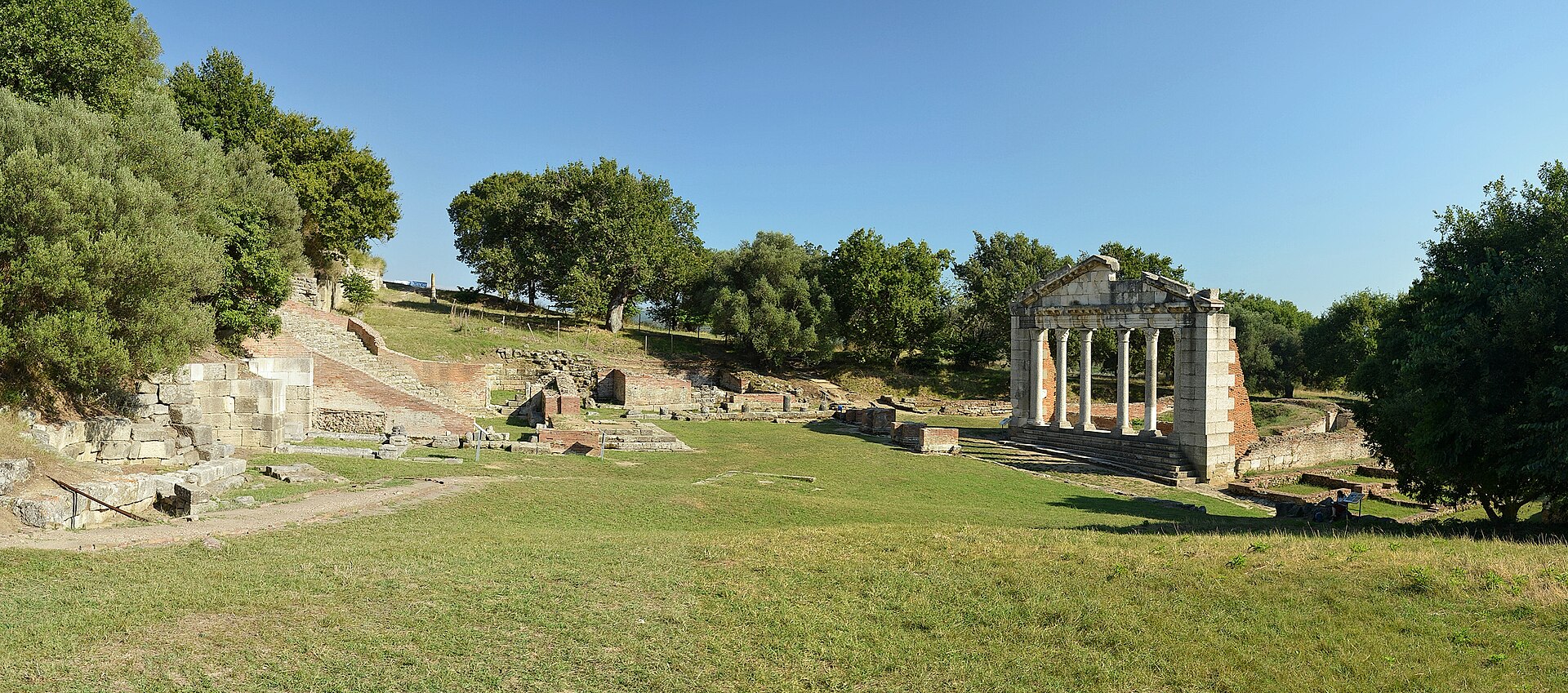
Apollonia gathers 2,600 years of Greek, Roman, and Byzantine history in one archaeological landscape. The page highlights the Bouleuterion, Odeon, triumphal arch, temple and bath foundations, and the Monastery of Saint Mary with its archaeological museum.
Accessibility
The site is compact and best explored on foot, but its ruins and monastery spread across rolling ground. The page does not specify step-free routes, accessible facilities, or seating, so confirm those details before visiting.
Common Mistakes
Apollonia is best approached as an archaeological landscape rather than a single monument. Allow time for the main ruins and the Monastery of Saint Mary museum, and avoid planning the whole visit around the hottest part of the day.
Photography
The ancient stones, olive groves, rolling hills, and Monastery of Saint Mary offer varied compositions. Ask before photographing people or interiors in the monastery and museum. Albania regulates drones — check current registration and flight rules with the Civil Aviation Authority of Albania before flying.
Etiquette
- Respect the archaeological site and monastery as heritage places, not just photo locations.
- Ask before photographing museum visitors, staff, or close-up details of people.
- Follow posted instructions around ruins, museum displays, and religious spaces.
Frequently Asked Questions
How much does it cost to visit Apollonia?
Entry to Apollonia costs 600 lek (approximately €6). This includes access to the entire archaeological site and the museum housed in the 13th-century Monastery of Saint Mary. Guided tours can be arranged at the entrance for €15-20. Children under 12 and students with valid ID often receive discounted entry.
How do I get to Apollonia from Tirana?
From Tirana, take a bus or furgon to Fier (2.5 hours, €5-7). From Fier's center, regular furgons run to Apollonia every 30-60 minutes (100 lek/€1 each way, 15-minute ride). Alternatively, a taxi from Fier to Apollonia costs €5-8. By car from Tirana, take the SH4 highway toward Fier, then follow signs west to Apollonia — allow about 2 hours total.
How much time should I spend at Apollonia?
Allow a minimum of 2 hours to explore the site properly — 1.5 hours for the ruins and 30 minutes for the archaeological museum inside the monastery. The site is larger than it first appears, with the Bouleuterion, Odeon, triumphal arch, temple foundations, and monastery spread across the hillside. Photography enthusiasts should budget extra time for the morning or late-afternoon golden light.
What is Apollonia known for historically?
Apollonia was founded around 600 BC by Greek colonists from Corinth and Corfu and became one of the most important cities of the ancient world. The young Octavian (later Emperor Augustus) was studying philosophy here when he learned of Julius Caesar's assassination in 44 BC. The site includes a well-preserved Bouleuterion (council house), Odeon, triumphal arch, and a 13th-century Byzantine monastery housing an archaeological museum.
Where should I stay when visiting Apollonia?
Most visitors stay in Fier, 15 minutes from Apollonia. Hotel Shkelzeni (from €15/person) is the best budget option. Hotel Fieri (€35-50/night) and Chicago Hotel (€30-45/night) offer comfortable mid-range accommodation. Fieri Internacional (€50/night) has a swimming pool and modern amenities. For a unique experience, the guesthouse at Ardenica Monastery (20 minutes away) offers simple rooms in a 13th-century Byzantine monastery.
Best Things to Do in Apollonia Ruins
Founded around 600 BC by Greek colonists from Corinth and Corfu, Apollonia was one of the most important cities of the ancient Greek and Roman world. The philosopher Aristotle described it as flourishing, and the young Octavian (later Emperor Augustus) was studying philosophy here when he received news of Julius Caesar's assassination in 44 BC — a pivotal moment in world history. Today, the archaeological site near the city of Fier offers an evocative journey through 2,600 years of civilization.
Exploring Apollonia Ruins: Top Attractions & Hidden Gems
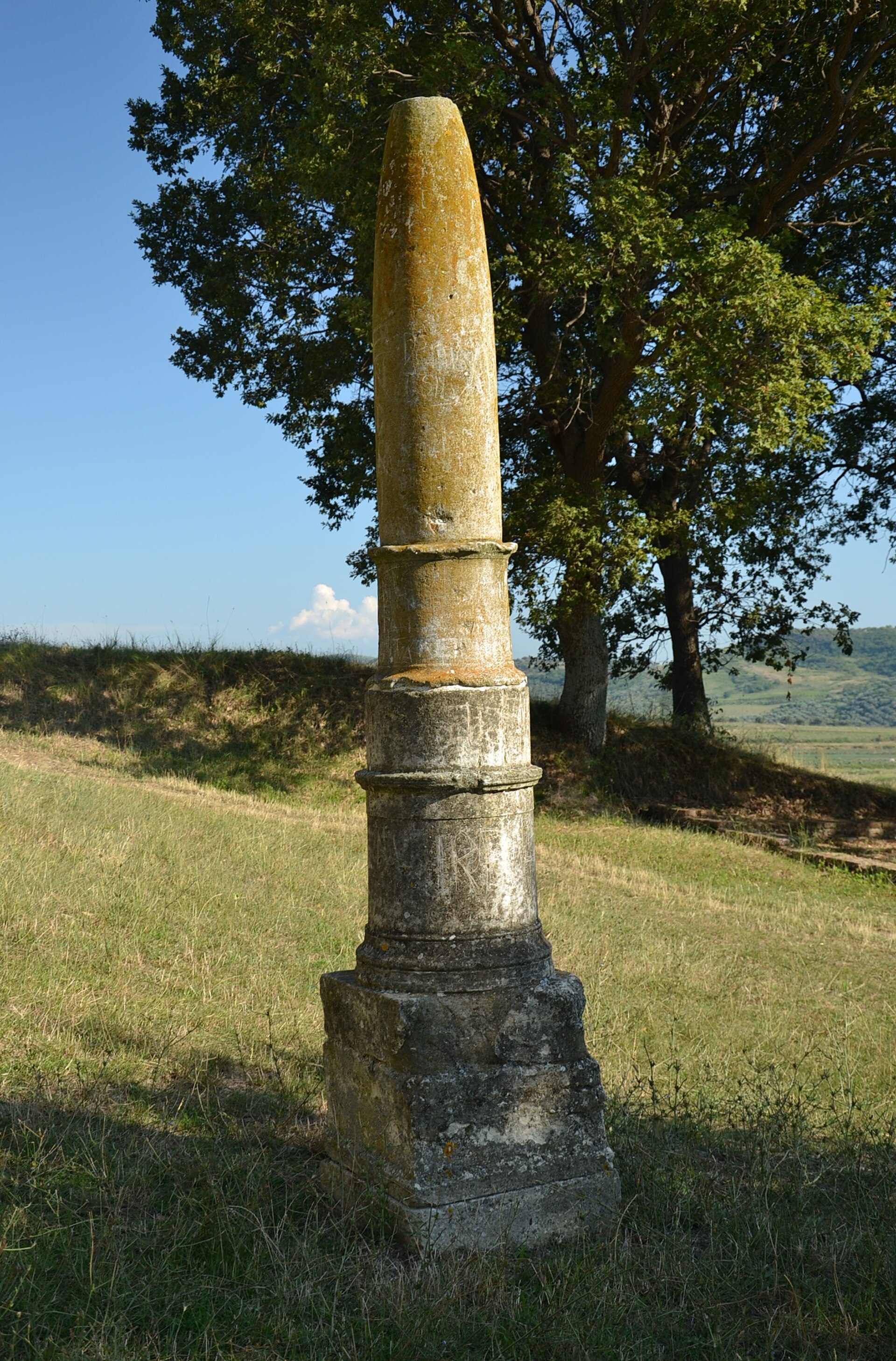
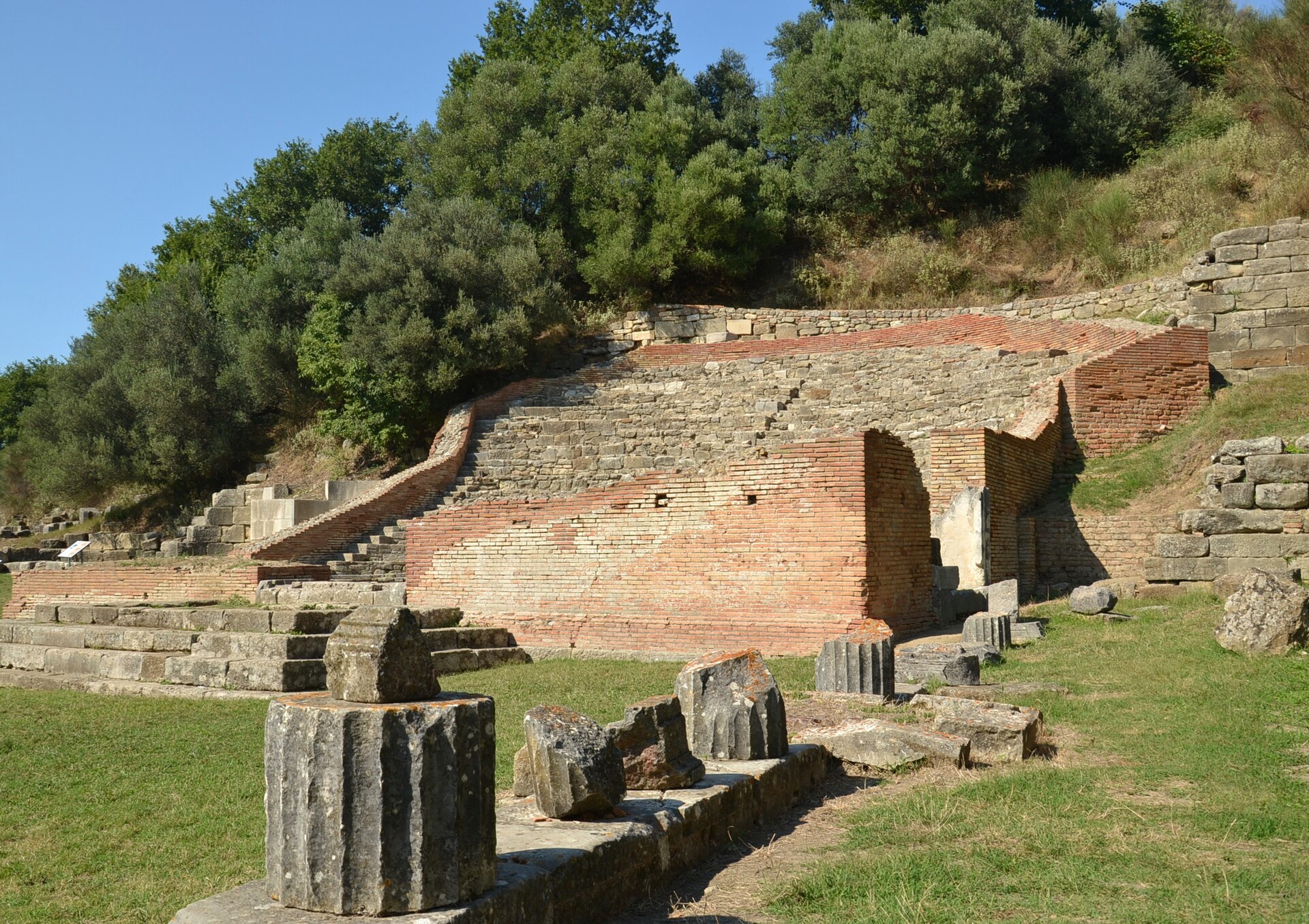
Entry costs 600 lek (€6), and you should allow a minimum of 2 hours. The most prominent remains include the Bouleuterion (Council House), a semicircular building where the city's senators debated policy, and the adjacent Odeon, a small covered theater used for musical performances. A partially reconstructed triumphal arch marks the entrance to the sacred precinct, while the foundations of temples, public baths, and houses spread across rolling green hills.
Local Culture & Food in Apollonia Ruins
The 13th-century Byzantine Monastery of Saint Mary, built atop the ancient acropolis, houses an excellent archaeological museum — don't skip it. Inside you'll find statues, pottery, coins, and inscriptions discovered on site. Apollonia is far less crowded than Butrint, offering a more contemplative experience amid olive groves with views toward the Adriatic coast.
🗓 Best Time to Visit
March to October is ideal for Apollonia. Spring (March-May) brings wildflowers across the hillsides and mild temperatures perfect for exploring. Autumn (September-October) offers comfortable heat and golden light on the ancient stones. Summer (June-August) can be hot — visit early morning to avoid the midday sun. The site is open year-round but winter rains (November-February) can make the paths muddy. Weekdays are much quieter than weekends.
🚗 How to Get to Apollonia Ruins by Bus, Car & Boat
By car: Apollonia is 12 km west of Fier on well-signed roads. Parking is free at the site entrance. By bus: Regular furgons from Fier's center (near the main square) run every 30-60 minutes and cost about 100 lek (€1) each way — the stop is a 15-minute walk from the site entrance. From Tirana, take a bus to Fier (2.5 hours, €5-7), then a local furgon to Apollonia. By taxi: A taxi from Fier to Apollonia costs €5-8 each way — negotiate the price beforehand. The site is compact and best explored on foot, with well-marked paths connecting all main ruins.
🥘 Where to Eat in Apollonia Ruins: Authentic Local Cuisine
Apollonia itself has no restaurants on-site, but the nearby city of Fier (15 minutes by taxi, about €5-8) offers excellent dining. Restaurant Martini (€5-12) is a local favorite at Fier's center serving grilled meats, qofte, and fresh salads in a relaxed garden setting. Triena (€8-18) specializes in grilled meats and fresh seafood from the nearby coast — their mixed grill platter (€12) is generous enough for two. Peshkatari (€8-20) is the top choice for fresh fish, with daily catches from the Adriatic like sea bass and bream grilled simply with olive oil and lemon. Fenix Restaurant (€5-15) offers traditional Albanian dishes including tave kosi and fërgesë in an elegant indoor setting. All are within a 5-minute taxi ride of Fier's center. For drinks, try local raki or a glass of Kallmet red wine from nearby vineyards.
🏨 Best Hotels Near Apollonia Ruins
Since Apollonia itself has no overnight accommodation, most visitors base themselves in Fier, 15 minutes away. Hotel Shkelzeni (from €15/person) is the best budget option — basic but clean rooms with friendly service and a central location near the bus station. Hotel Fieri (€35-50/night) sits near the main square with comfortable rooms, a restaurant, and included breakfast — great mid-range value. Fieri Internacional (€50/night) offers a more upscale experience with modern amenities, a swimming pool, and on-site dining. Chicago Hotel (€30-45/night) has spacious rooms with air conditioning and free parking, ideal for road-trippers. For a truly unique stay, consider the guesthouse at Ardenica Monastery (20 minutes from Apollonia) — simple rooms in a 13th-century Byzantine monastery with incredible atmosphere. Most Fier hotels include breakfast and are within walking distance of the city's restaurants and bars.
Find a stay in Apollonia Ruins
Compare apartments, guesthouses, and vacation rentals while you finalize your route. Flexible cancellation can help when drive times or border plans change.
Browse stays in Apollonia Ruins on Vrbo →🗺️ Build a route around Apollonia Ruins: Add Apollonia Ruins to my itinerary. It opens the planner with this stop selected, so you can add nearby places and set the trip length.
Plan your budget
For country-level budget ranges and planning assumptions, see the Balkan travel costs guide.