
Durres
Durrës at a Glance
| Setting | Adriatic coastal city and Albania’s main port |
| Known for | 3,000-year history, Roman amphitheatre, and beach promenade |
| Highlights | Amphitheatre, Venetian Tower, Archaeological Museum, and Byzantine Forum |
| Best time | May–June and September |
| Recommended stay | 1–2 days |
Why Visit
Durrës pairs a 3,000-year urban history with the Roman Amphitheatre, Venetian Tower, Archaeological Museum, Byzantine Forum, Roman Bathhouses, and an Adriatic beach promenade. Its historic core and seafront make it useful for combining heritage and coastal time.
Accessibility
Historic ruins, waterfront paths, beaches, and museum interiors can have different surfaces and entrances. The page describes the centre as compact in places but does not establish step-free access for every landmark, so check each stop separately.
Common Mistakes
Do not limit the visit to the amphitheatre or the beach. Leave room for the Archaeological Museum and Venetian Tower, and separate a long promenade walk from the historic-core circuit.
Photography
Durrës offers archaeological details, waterfront architecture, harbour light, and beach-promenade scenes. Ask before photographing people, museum interiors, or working port areas. Albania regulates drones — check current registration and flight rules with the Civil Aviation Authority of Albania before flying.
Etiquette
- Keep clear of active port, restaurant, and promenade operations.
- Ask before photographing vendors, diners, or residents at close range.
- Follow museum, amphitheatre, and historic-site instructions.
Frequently Asked Questions
When is the best time to visit Durres?
May–June and September are the sweet spots — warm beach weather (25–30°C / 77–86°F) without the July–August crowds. The sea is warm enough for swimming from June through September. July–August is peak season on the beach, with most hotels at full capacity and higher prices. April and October are pleasant for sightseeing but can be windy for beach days. The city comes alive for the summer festival season from June to August.
How do I get to Durres?
Durres is 35 km (30 minutes) from Tirana International Airport (TIA) — the closest beach city to the airport. Taxis cost €20–30. Buses from Tirana to Durres run every 15 minutes from the terminal near the stadium (€2–3, 45 minutes). The city also has a major port with ferries to Bari (9 hours, €50–70) and Ancona, Italy (16 hours, €60–90) operated by Ventouris Ferries and Adria Ferries.
How many days do you need in Durres?
1–2 days is sufficient for Durres: half a day for the Roman Amphitheatre (300 lek), Venetian Tower, and Archaeological Museum; the rest for the beach promenade and seafood lunch. Durres also works as a day trip from Tirana — just 45 minutes by bus each way.
What should I eat in Durres?
Seafood is the star — the daily catch includes Adriatic sea bass, red mullet, squid, and octopus. SAF Gatime Tradicionale (€2–5) serves hearty traditional meals at absurdly low prices — try the grilled fish plate. Splendid Restorant (€10–15) on the seafront has excellent seafood risotto and grilled squid. Restorant Piazza (€15–25) offers fine dining in the Venetian Tower with pasta, fresh fish, and a great wine list featuring Kokomani wine from central Albania.
What are the top attractions in Durres?
The Roman Amphitheatre (300 lek) — the largest in the Balkans, dating to the 2nd century AD; the Venetian Tower (150 lek) — a 15th-century tower on the waterfront with a museum and cocktail bar; the Archaeological Museum — one of Albania's most important collections of Greek, Roman, and Byzantine artifacts; the Byzantine Forum and Bathhouses; and the 10-km beach promenade (Currila Beach) lined with seafood restaurants.
Best Things to Do in Durres
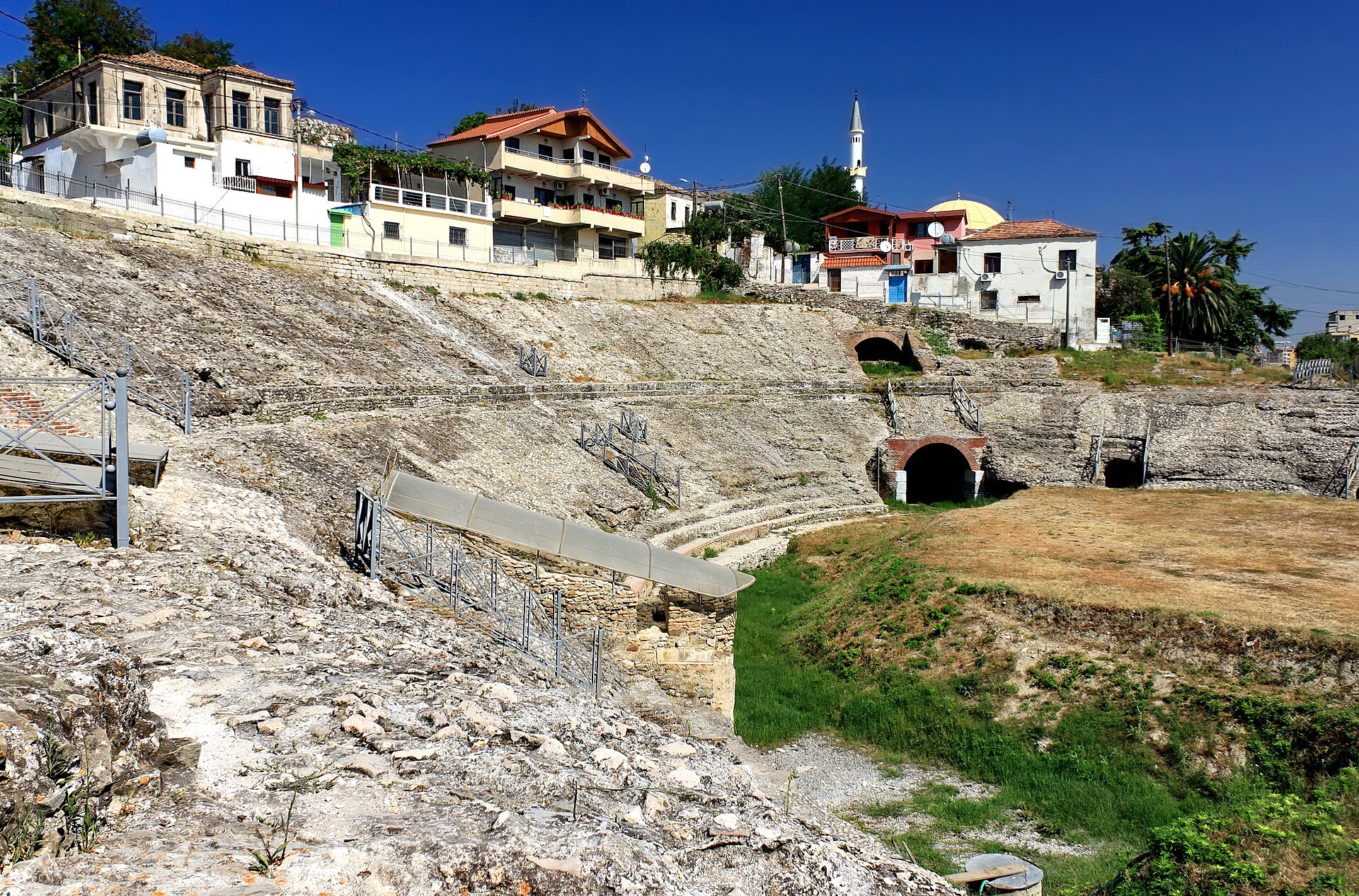
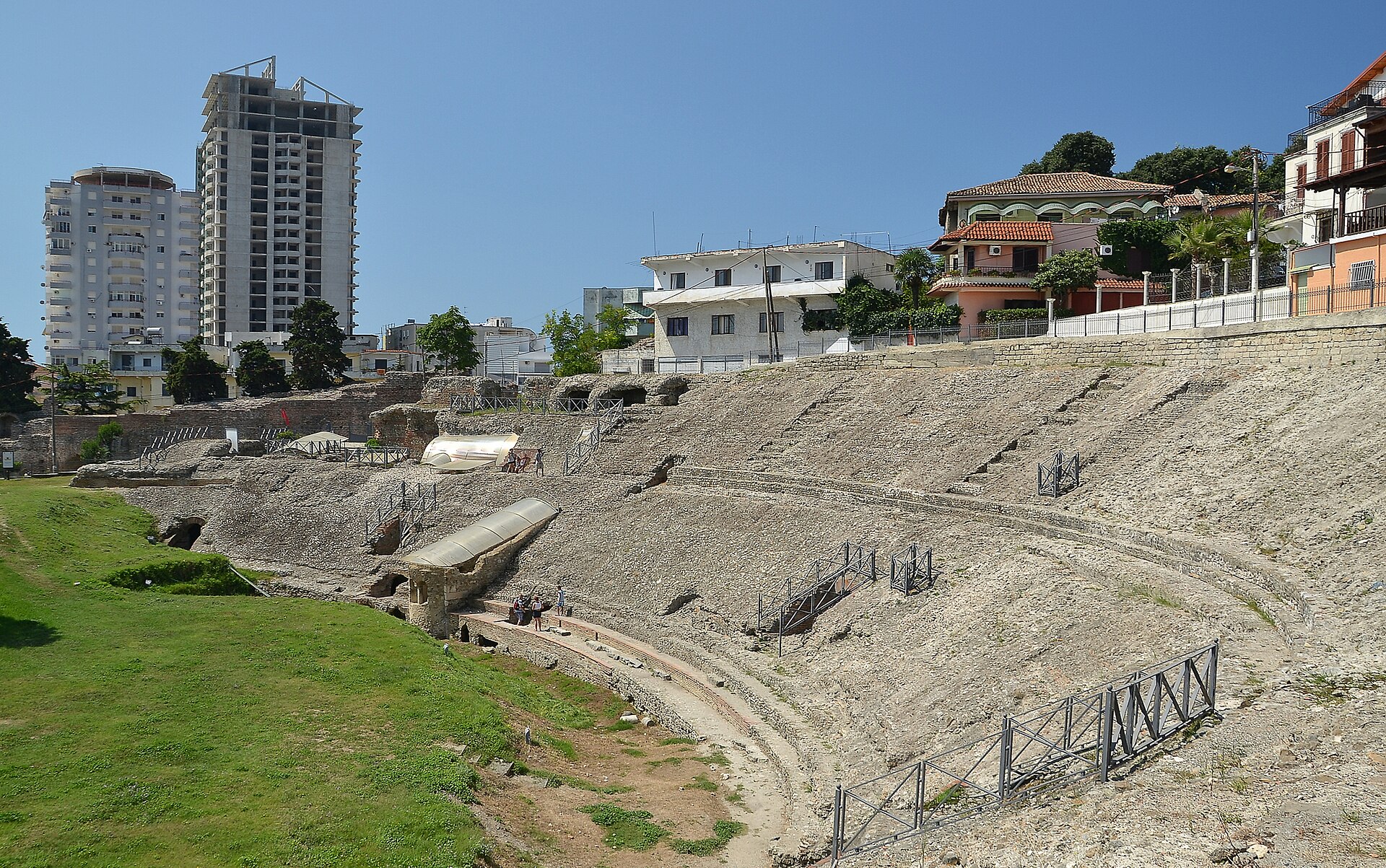
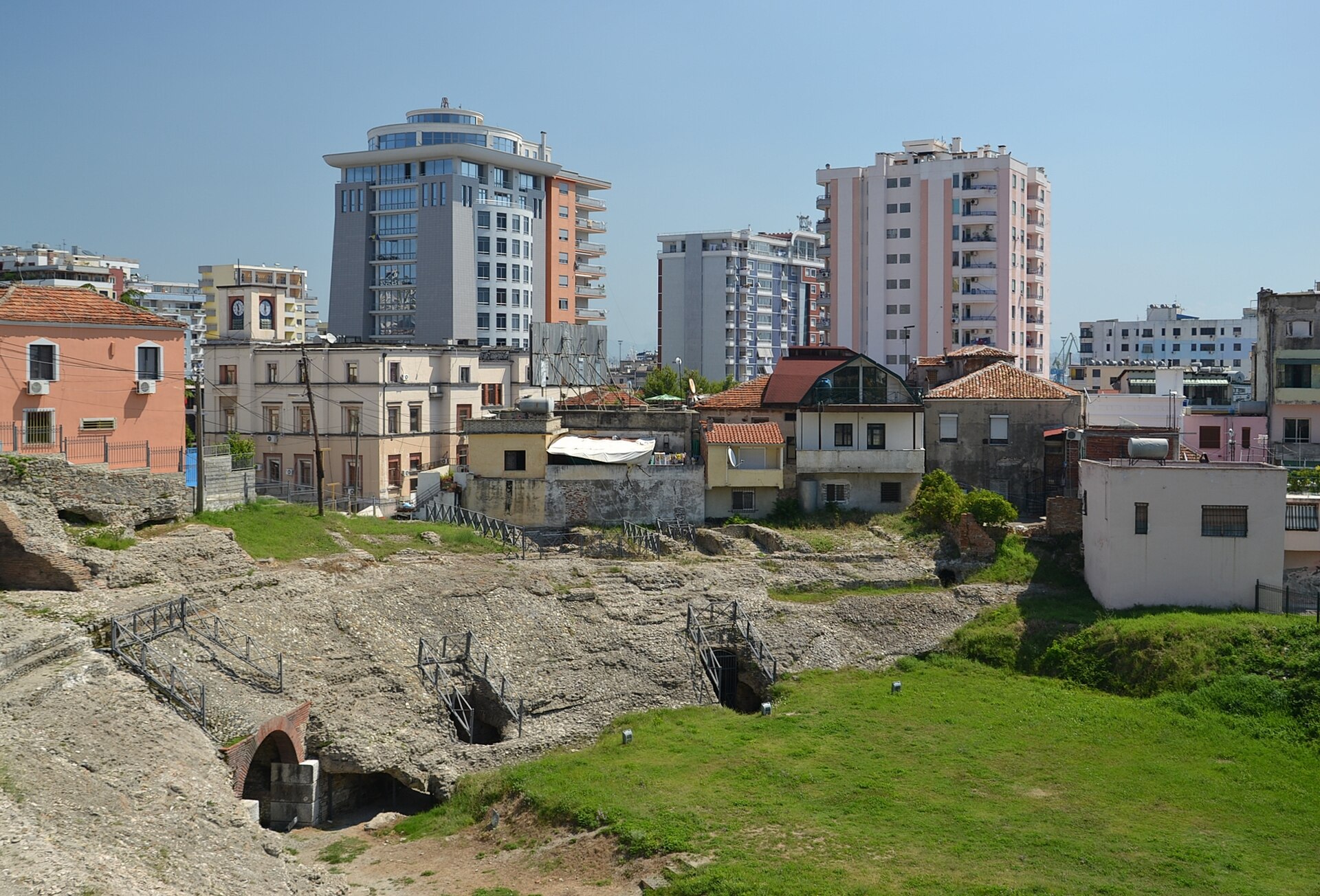
Albania's second-largest city and its main port, Durres (Durrës) has a 3,000-year history stretching back to its founding as the Greek colony Epidamnos. The city's crown jewel is the Durres Amphitheatre (300 lek entry), the largest Roman amphitheater in the Balkans with an estimated capacity of 15,000–20,000 spectators. Built in the 2nd century AD under Emperor Trajan, its partially excavated ruins reveal a fascinating underground tunnel system where gladiators and animals awaited their fate — an on-site museum displays mosaic floors and artifacts uncovered during excavations.
Exploring Durres: Top Attractions & Hidden Gems
Just steps away, the Venetian Tower on the waterfront, built in the 15th century, now houses a small maritime museum (150 lek) and a cocktail bar with harbor views — perfect for sunset drinks. SAF Gatime Tradicionale (€2–5), a local favorite near the amphitheatre, serves hearty grilled fish plates and traditional bean stews at prices that feel like a bargain. For a splurge, Splendid Restorant (€10–15) on Currila Beach offers fresh Adriatic seafood risotto and grilled squid with the waves lapping nearby, while Restorant Piazza (€15–25) in the Venetian Tower serves haute cuisine — think homemade pasta, fresh Adriatic fish, and an impressive wine list featuring Kokomani, a rising Albanian red from central Albania. The Archaeological Museum of Durres, one of the most important in Albania, holds a vast collection of Greek, Roman, and Byzantine artifacts including exquisite burial stelae, statues, and gold jewelry.
Local Culture & Food in Durres
The Byzantine Forum ruins and Roman Bathhouses offer further glimpses into ancient urban life. Beyond its history, Durres has a long sandy beach stretching for miles along the Adriatic (Currila Beach), lined with sunbeds, beach bars, and seafood restaurants. The Durres seaport also connects Albania to Italy with regular ferries to Bari (9 hours, €50–70) and Ancona (16 hours, €60–90) — a popular route for travelers continuing into Western Europe. The modern city center, with pedestrian streets around Sheshi Liria square, makes Durres a pleasant base between Tirana (just 35 km away) and the Adriatic coast.
🗓 Best Time to Visit
May–June and September are the prime months, with sea temperatures reaching 22–26°C, sunny skies, and manageable crowds. July–August is peak beach season — the waterfront fills with sunbathers, hotels hike their rates, and the city buzzes with energy, but it's undeniably hot (often above 35°C). The best compromise is late June or early September, when the weather is still warm but the August crowds have thinned. April and October are transitional months — pleasant for sightseeing the amphitheatre and museums (18–22°C), but too chilly and windy for serious beach time. Winter is mild (8–15°C) and rainy, but the archaeological sites are wonderfully empty. Durres comes alive with summer festivals from June through August, including Durres Beer Fest and the Durres Summer Music Festival, both held on the beachfront.
🍽 Food & Drink
Seafood dominates Durres's dining scene, and freshness is guaranteed — the fishing port supplies restaurants daily with Adriatic sea bass, red mullet, squid, octopus, and shrimp. SAF Gatime Tradicionale (€2–5) near the amphitheatre is an institution — a no-frills spot where locals queue at lunchtime for grilled fish plates, stuffed peppers, and the daily bean-and-vegetable stew. Splendid Restorant (€10–15) on Currila Beach is the best mid-range option: order the seafood risotto (€8), grilled squid with lemon (€9), or the mixed fried seafood platter (€12) while seated on the terrace overlooking the sea. Restorant Piazza (€15–25), located inside the Venetian Tower, goes upscale with homemade tagliolini with prawns, Adriatic sea bass in salt crust, and an extensive wine list featuring Kokomani (a bold red from central Albania) and Kallmet from the Berat region. For a quick, cheap meal, the bakeries near Sheshi Liria sell byrek (€1) and pite (€1.50) filled with spinach, cheese, or meat. Don't leave without trying fresh Adriatic mussels — they're farmed locally in Karavasta Lagoon south of the city and served steamed at most seafood restaurants for €3–5 a portion.
🚗 How to Get to Durres by Bus, Car & Boat
By air: Tirana International Airport (TIA) is just 35 km (30 minutes) from Durres — the closest beach destination to Albania's main airport. A taxi costs €20–30. By bus: Buses and furgons from Tirana to Durres depart every 15 minutes from the terminal near the stadium (€2–3, 45 minutes). Buses also connect Durres with Vlora (2 hours, €5), Berat (2.5 hours, €6), and other coastal cities. By ferry: The Durres port operates regular ferries to Bari (9 hours, €50–70 cabin/passenger) and Ancona (16 hours, €60–90) in Italy, operated by Ventouris Ferries and Adria Ferries. Car ferries also carry vehicles — book ahead in summer. Getting around: Durres is spread out — the historic center and amphitheatre are compact and walkable, but the beach (Currila) is 2 km north of the center. Local buses run along the waterfront (€0.35) and taxis cost €2–5 for most journeys within the city. For a scenic approach, walk the Vollga Promenade along the bay from the port to Currila Beach — about 2 km with sea views the entire way.
🥘 Where to Eat in Durres: Authentic Local Cuisine
Durres's dining is defined by its position on the Adriatic. SAF Gatime Tradicionale (€2–5), tucked away on a side street near the amphitheatre, is the best value in town — a menu-less joint where you point at what's cooking in the kitchen (usually grilled fish, stuffed peppers, bean stew, and seasonal vegetables). A full meal costs less than a cocktail at a beach bar. Splendid Restorant (€10–15) on Currila Beach is the classic seafood destination: order the seafood risotto (€8), grilled octopus (€10), or the mixed seafood plate (€12) on the terrace with the sea breeze — arrive around sunset for the best atmosphere. Restorant Piazza (€15–25) inside the Venetian Tower is the fine-dining option, specializing in handmade pasta (try the squid-ink tagliolini), sea bass baked in salt, and grilled prawns. They also have an excellent cocktail list if you just want a sunset drink. For seafood on a budget, walk the Currila Beach strip and look for restaurants that advertise the "pesche del giorno" (fish of the day) — grilled bream or sea bass with a side salad usually runs €6–9. For drinks, try a glass of Kokomani red wine (€3–5) — an emerging Albanian varietal from central Albania that pairs beautifully with grilled fish.
🏨 Best Hotels in Durres
Durres offers a range from no-frills budget hotels to beachfront resorts. Hotel Nais (€40/night) is a solid mid-range choice just 200 meters from the beach, with clean rooms, free parking, and a rooftop terrace — exceptional value for the location. Hotel Arvi (€60/night) offers more comfort with sea-view rooms, a restaurant, and a pool, located directly on the Currila Beach strip close to the best seafood restaurants. Hotel Adriatik (€100+/night) is Durres's most prestigious hotel — a communist-era landmark built for the nomenklatura, now fully renovated with a private beach, pool complex, spa, and formal gardens. It's a 15-minute walk or quick taxi ride from the center. For budget travelers, guesthouses around the amphitheatre area offer basic rooms for €15–25/night. Many accommodations on the beachfront offer significantly lower rates outside the July–August peak season, often dropping by 30–40%. Parking is easier near the beach hotels than in the old center.
Find a stay in Durres
Compare apartments, guesthouses, and vacation rentals while you finalize your route. Flexible cancellation can help when drive times or border plans change.
Browse stays in Durres on Vrbo →🗺️ Build a route around Durres: Add Durres to my itinerary. It opens the planner with this stop selected, so you can add nearby places and set the trip length.
Plan your budget
For country-level budget ranges and planning assumptions, see the Balkan travel costs guide.