
Blue Eye Spring
Blue Eye Spring at a Glance
| Country | Albania |
| Location | About 25 km northeast of Saranda, on the road to Gjirokaster |
| Type | Karst spring emerging from an underwater cave |
| Water temperature | 10–12°C year-round |
| Best time to visit | May–September; October can be quieter |
| Recommended stay | 30 minutes–1 hour |
| Access | Car is easiest; no direct public transport; parking is free |
Why Visit Blue Eye Spring
Blue Eye Spring makes a short, visually distinctive stop on the road from Saranda toward Gjirokaster. The underwater cave, constant cold water, forest setting, and wooden observation platform make it a place to observe rather than swim, and it pairs naturally with Gjirokaster or Butrint.
Best Things to Do in Blue Eye Spring
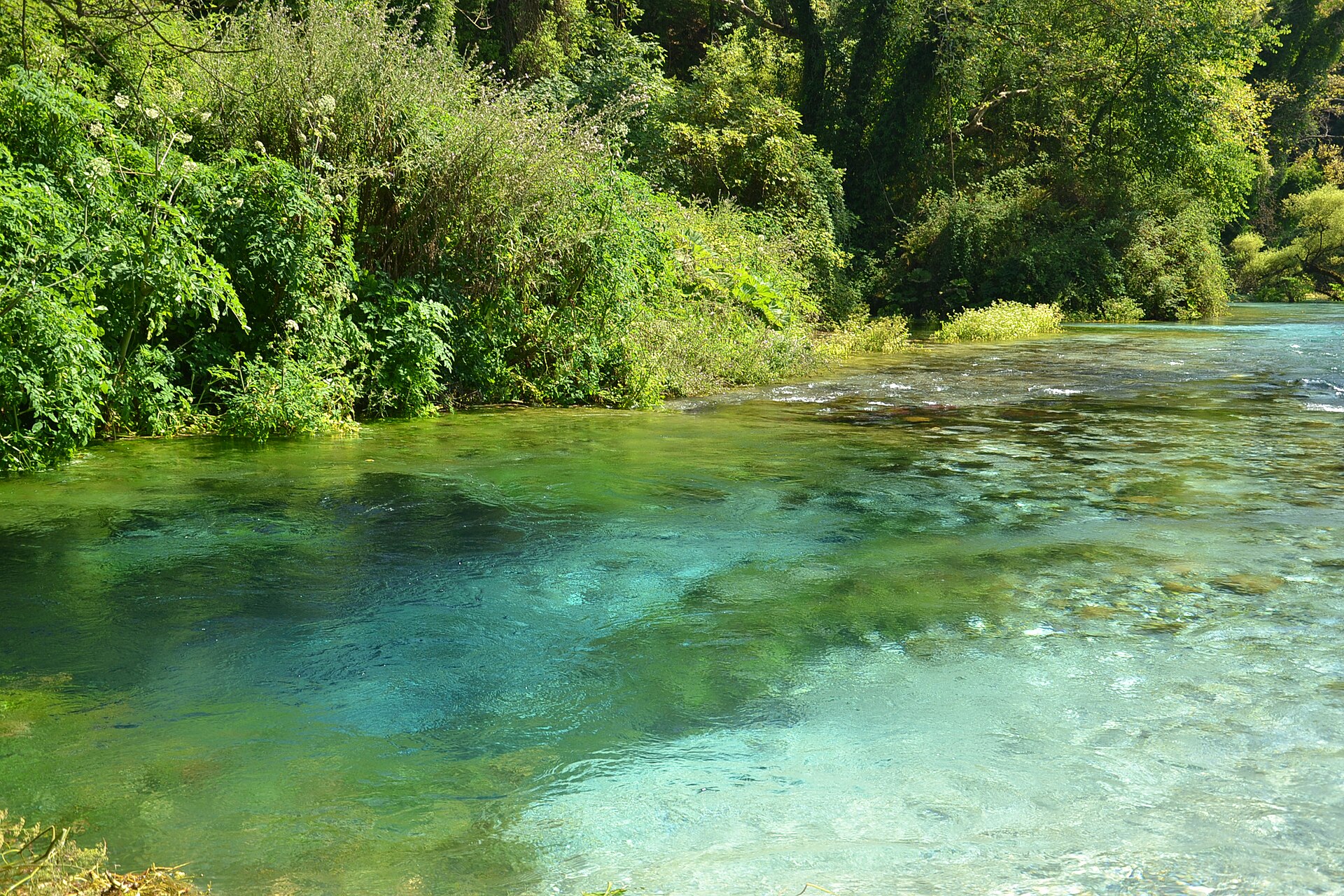
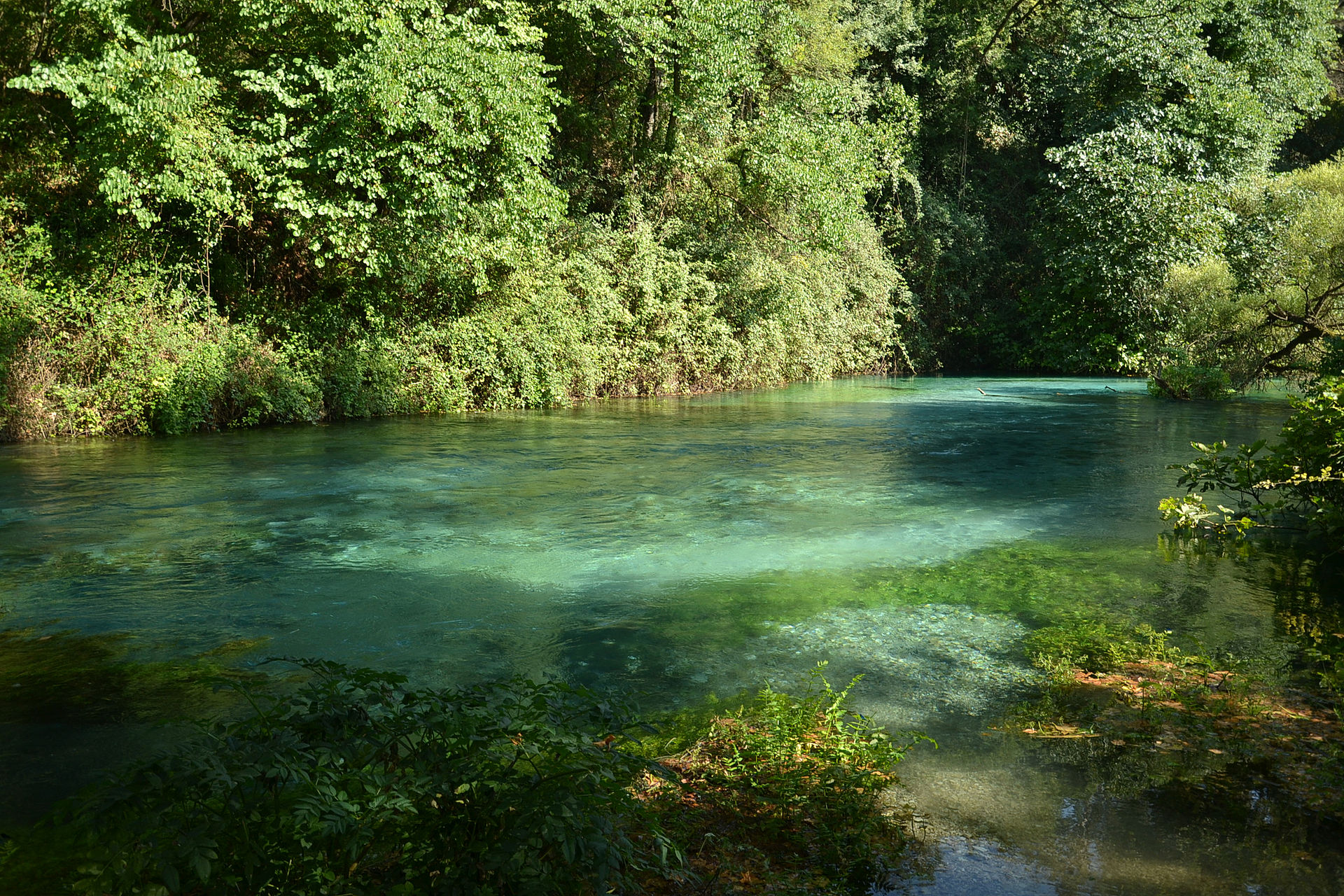
A natural karst spring of mesmerizing azure-blue water, the Blue Eye (Syri i Kaltër in Albanian) is one of southern Albania's most remarkable natural attractions. Located about 25 kilometers northeast of Saranda — just a 25-minute drive — on the road to Gjirokaster, the spring emerges from a deep underwater cave whose exact depth has never been fully determined. Divers have descended over 50 meters without reaching the bottom. From above, the spring appears exactly like a giant blue eye: a dark pupil (the central shaft) surrounded by rings of turquoise, emerald, and aquamarine that shift with the angle of the sun.
Exploring Blue Eye Spring: Top Attractions & Hidden Gems
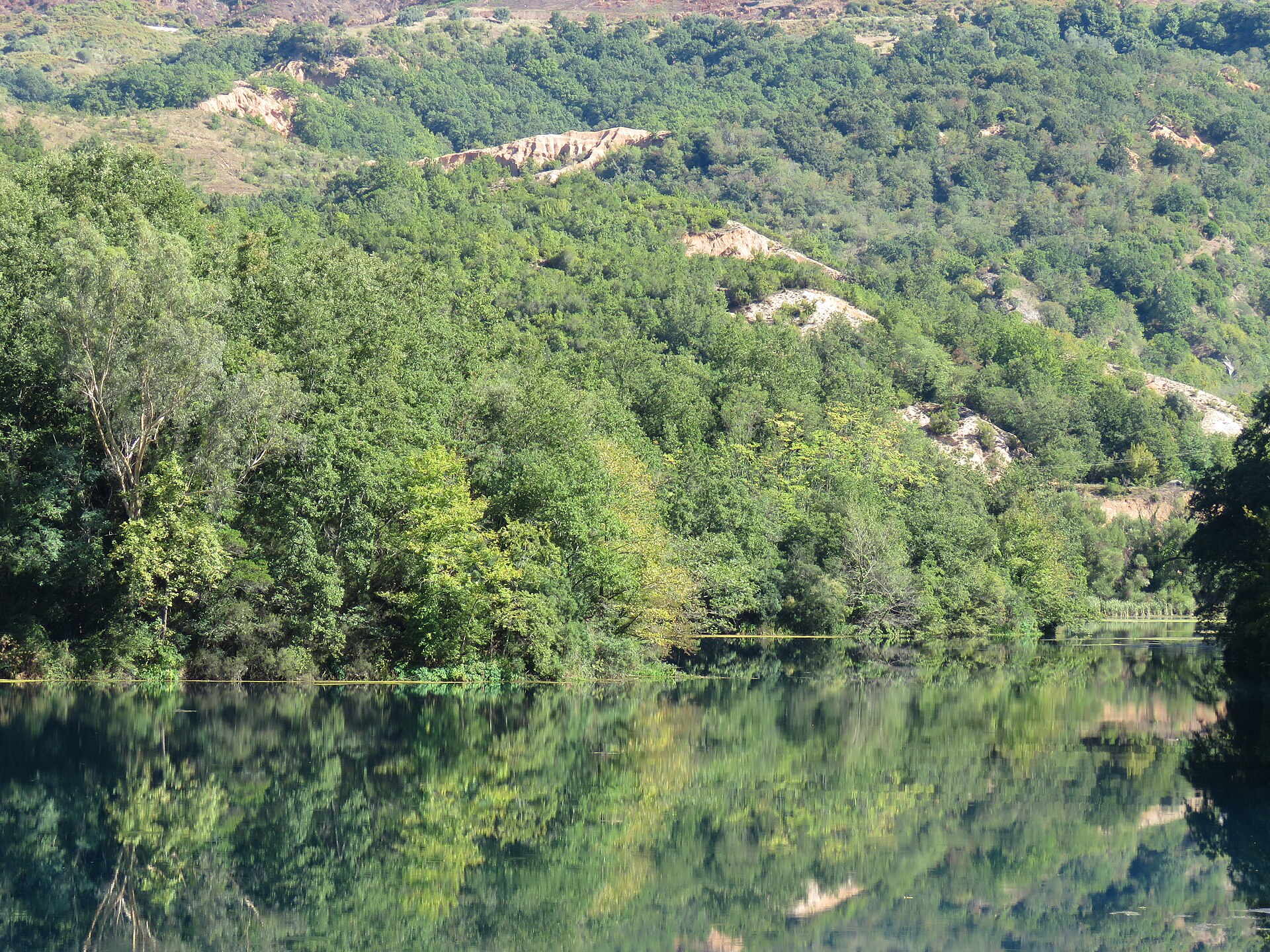
The water temperature remains a constant 10-12°C year-round, fed by an underground river that surfaces here before flowing toward the Bistrica River and eventually the Ionian Sea. The spring is set within a dense forest of lush Mediterranean vegetation — plane trees, oaks, and ferns create a cool, shaded microclimate that provides welcome relief from summer heat. A wooden observation platform extends over the spring, allowing visitors to peer directly into the mesmerizing cobalt depths. While the water is far too cold for comfortable swimming (and swimming is officially discouraged to protect the delicate ecosystem), the visual experience alone makes the visit worthwhile.
Local Culture & Food in Blue Eye Spring
Diving is extremely dangerous — the underwater suction from the karst cave system has been fatal in the past. Small restaurants and snack bars near the entrance serve refreshments. Parking is free at the site. The Blue Eye is best combined with a visit to Gjirokaster (45 minutes north) or Butrint (30 minutes south) for a full-day itinerary exploring southern Albania's top attractions.
🗓 Best Time to Visit
Visit before 9 AM to beat the tour buses that arrive from Saranda and Gjirokaster between 10 AM and 2 PM. The spring looks its most vivid on sunny days between 10 AM and 2 PM when sunlight penetrates directly into the shaft, illuminating the full spectrum of blues. May-September offers the best weather, but avoid overcast or rainy days when the colors are dramatically less impressive. Autumn (October) can also be excellent with fewer visitors and the forest in warm tones.
🍽 Food & Drink
Dining options near the Blue Eye range from the on-site cafe to restaurants in nearby villages. The Blue Eye site cafe (€4-10) serves coffee, cold drinks, ice cream, and simple snacks like byrek and sandwiches — convenient for a quick refreshment. For a proper meal, Restaurant Kalemi in the nearby town of Delvinë (€5-15) serves excellent Albanian cuisine including grilled lamb, fresh salads, and homemade bread. Taverna Dropull (€6-18) in the scenic Dropull valley offers traditional home-cooked dishes in a rustic setting with views of the countryside — their slow-cooked meats and fresh mountain herbs are outstanding. Alternatively, pack a picnic to enjoy at the shaded seating areas near the spring entrance. The best local wine pairings come from the nearby Dropull region's vineyards.
🚗 How to Get to Blue Eye Spring by Bus, Car & Boat
By car (recommended): The Blue Eye is 25 km northeast of Saranda on the well-paved road to Gjirokaster, about a 25-minute drive. Free parking is available at the entrance. By taxi: From Saranda, expect to pay approximately 2,000-3,000 lek for a round trip with waiting time. By tour: Many day trips from Saranda, Gjirokaster, and even Ksamil include the Blue Eye as a stop combined with lunch and other attractions. By bus: No direct public transport to the site. Take a furgon from Saranda toward Gjirokaster (about 300 lek) and ask to be dropped at the Muzinë turnoff, then walk or hitch the remaining 3 km. Combine your visit with Gjirokaster (45 minutes north) or Butrint (30 minutes south of Saranda) for a full day.
🥘 Where to Eat in Blue Eye Spring: Authentic Local Cuisine
The Blue Eye site cafe (€4-10) is your on-the-spot option for coffee, cold drinks, ice cream, and simple Albanian snacks — fine for a quick break but not a full meal. For lunch, drive 10 minutes to Restaurant Kalemi in Delvinë (€5-15), where the grilled meats and fresh salads are a highlight — try the qofte and lamb chops. For a more memorable dining experience, continue to Taverna Dropull in the Dropull valley (€6-18), a family-run taverna serving traditional home-cooked dishes in a beautiful rural setting. Their slow-cooked lamb with mountain herbs and fresh farm salads are exceptional. The Dropull valley is also known for its wine — ask for the local red. Many visitors pack a picnic to enjoy at the shaded tables near the spring entrance, which is a lovely option on warm days. Bring a reusable water bottle — the spring water is pristine but cold.
🏨 Best Hotels Near Blue Eye Spring
The Blue Eye itself is a day-trip destination with no accommodation directly at the spring. Most visitors base themselves in Saranda (25-minute drive), which offers the widest range of hotels from budget (€23-30/night) to mid-range (€35-60/night). Hotel Kalemi in Delvinë (€25-35/night) is the closest accommodation option — a simple, clean hotel with a good restaurant, about 10 minutes from the spring. For a more rural experience, guesthouses in the Dropull valley (€20-40/night) offer authentic farm stays with home-cooked meals and stunning mountain views. Gjirokaster (45 minutes north) also works well as a base, with its excellent selection of stone-built guesthouses within the UNESCO old town (€25-50/night). For the most convenient access, book a hotel in Saranda and drive to the Blue Eye early in the morning before the tour buses arrive — this also lets you enjoy the spring in the best light.
Accessibility
Plan around the access details stated on this page rather than assuming every facility is step-free:
- By car. Driving is the easiest way to reach the spring, and parking at the site is free.
- Public transport. There is no direct public transport. A furgon toward Gjirokaster or Muzinë leaves about 3 km to walk or hitch.
- Taxi option. A taxi from Saranda costs about 2,000–3,000 lek round trip with waiting time.
- Viewing point. The wooden observation platform is the established place to look into the spring. The page does not confirm step-free routes or other accessibility facilities, so confirm current conditions before travelling if access details matter.
Common Mistakes
- Arriving after the tour buses. Visit before 9 AM for fewer visitors, then allow for the stronger colors that sunlight can bring between 10 AM and 2 PM on a sunny day.
- Planning to swim. Swimming is officially discouraged, and the water stays at 10–12°C year-round.
- Trying to dive. Underwater suction makes diving dangerous; view the spring from the wooden observation platform instead.
- Assuming there is a direct bus. Public transport does not go directly to the site, and the furgon option leaves about 3 km to walk or hitch.
- Allowing a full day only for the spring. A 30-minute to 1-hour visit is usually sufficient; pair it with Gjirokaster or Butrint.
- Ignoring the weather. Rainy or overcast conditions make the colors much less vivid, so plan around a sunny day when possible.
Photography
Use the wooden observation platform for the clearest view into the spring, then include the surrounding forest for a wider setting. On sunny days, sunlight between 10 AM and 2 PM can make the water's colors vivid. Albania regulates drones — check current registration and flight rules with the Civil Aviation Authority of Albania before flying, and check protected-area and site rules before launch.
Day Trips
Gjirokaster — about 45 minutes north. Combine the Blue Eye with Gjirokaster for a full-day southern Albania itinerary, following the road north after your spring visit. Read the Gjirokaster guide →
Butrint — about 30 minutes south. Butrint pairs naturally with the spring in the other direction, making the Blue Eye a short stop within a day that continues toward the ruins. Read the Butrint guide →
Saranda — about 25 minutes away by car. Use Saranda as your base or combine time in the coastal city with a visit to the spring; the Blue Eye is about 25 km northeast of Saranda. Read the Saranda guide →
Etiquette
The most considerate way to visit is to treat the Blue Eye as a viewing stop and follow the guidance already noted for the spring:
- Swimming. Swimming is officially discouraged, so enjoy the spring from the wooden observation platform.
- Diving. Do not attempt to dive into the spring; underwater suction is dangerous.
- Temperature. The water remains 10–12°C year-round, so do not present it as a comfortable swimming spot to other visitors.
- Timing. Arriving before 9 AM helps avoid the tour buses and keeps the viewing stop calmer.
Frequently Asked Questions
When is the best time to visit the Blue Eye?
Visit as early as possible — before 9 AM to beat the tour buses and midday heat. The spring is best viewed between 10 AM and 2 PM on a sunny day when sunlight penetrates the water to reveal the full spectrum of blues and turquoises. May-September offers the best weather, but avoid rainy or overcast days when the colors are much less vivid.
How do I get to the Blue Eye?
By car is easiest — the Blue Eye is 25 km northeast of Saranda on the road to Gjirokaster, about a 25-minute drive. Parking is free at the site. By tour: Many day trips from Saranda and Gjirokaster include the Blue Eye. The site has no direct public transport — you'll need to take a furgon to the nearby village of Muzinë and walk or hitch the remaining 3 km, or arrange a taxi from Saranda (approximately 2,000-3,000 lek round trip with waiting time).
How long do you need at the Blue Eye?
30 minutes to 1 hour is sufficient to walk the wooden boardwalk, take photos from the observation platform, and enjoy the forest setting. The Blue Eye works perfectly as a 1-hour stop on the Saranda-Gjirokaster road trip — combine it with either Gjirokaster (further north, 45 min drive) or Butrint (south of Saranda) for a full-day itinerary.
Can you swim in the Blue Eye?
Swimming is officially discouraged to protect the delicate ecosystem, and the water is a constant 10-12°C year-round — far too cold for comfortable swimming. Do NOT attempt to dive into the spring. The underwater suction from the karst cave system is extremely dangerous and has been fatal. Enjoy the view from the wooden observation platform instead.
Where should I eat near the Blue Eye?
The Blue Eye site cafe (€4-10) serves coffee, cold drinks, and simple snacks with views of the forest. For a proper meal, Restaurant Kalemi in nearby Delvinë (€5-15) serves excellent Albanian cuisine including grilled meats and fresh salads. Taverna Dropull (€6-18) in the Dropull valley offers traditional home-cooked dishes in a rural setting. Alternatively, pack a picnic to enjoy at one of the designated seating areas near the spring.
Find a stay in Blue Eye Spring
Compare apartments, guesthouses, and vacation rentals while you finalize your route. Flexible cancellation can help when drive times or border plans change.
Browse stays in Blue Eye Spring on Vrbo →🗺️ Build a route around Blue Eye Spring: Add Blue Eye Spring to my itinerary. It opens the planner with this stop selected, so you can add nearby places and set the trip length.
Plan your budget
For country-level budget ranges and planning assumptions, see the Balkan travel costs guide.