
Belogradchik Rocks
Belogradchik Rocks at a Glance
| Country | Bulgaria |
| Region | Northwestern Bulgaria |
| What it is | Red, yellow, and orange sandstone and conglomerate rock formations |
| Geological story | Sculpted by wind, water, and geological forces over 200 million years |
| Highest formations | Up to 200 m |
| Signature feature | Belogradchik Fortress (Kaleto), with natural rocks integrated into its defenses and 360-degree views |
| Main marked trail | About 1–2 hours |
| Best time to visit | April–October |
| Recommended stay | 1–2 days |
Why Visit Belogradchik Rocks
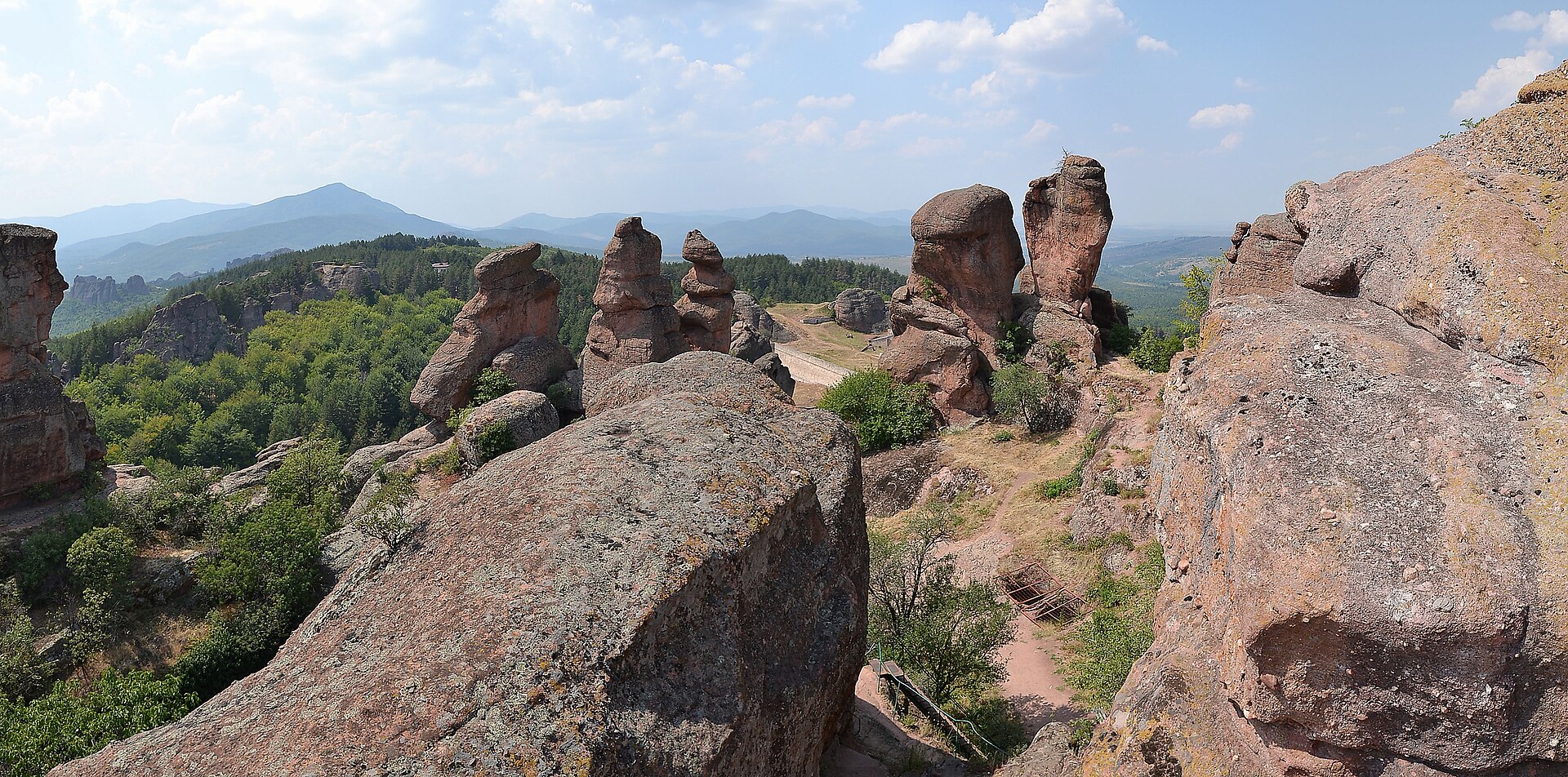
Belogradchik Rocks brings together a geological landscape and a fortress visit in the same stop. The red, yellow, and orange formations rise up to 200 m, with named shapes including the Madonna, the Horseman, the Schoolgirl, Adam and Eve, the Camel, the Bear, and the Dervish. Belogradchik Fortress (Kaleto) integrates the rocks into its defenses and offers 360-degree views, while the well-marked main trail takes about 1–2 hours.
Best Things to Do in Belogradchik Rocks
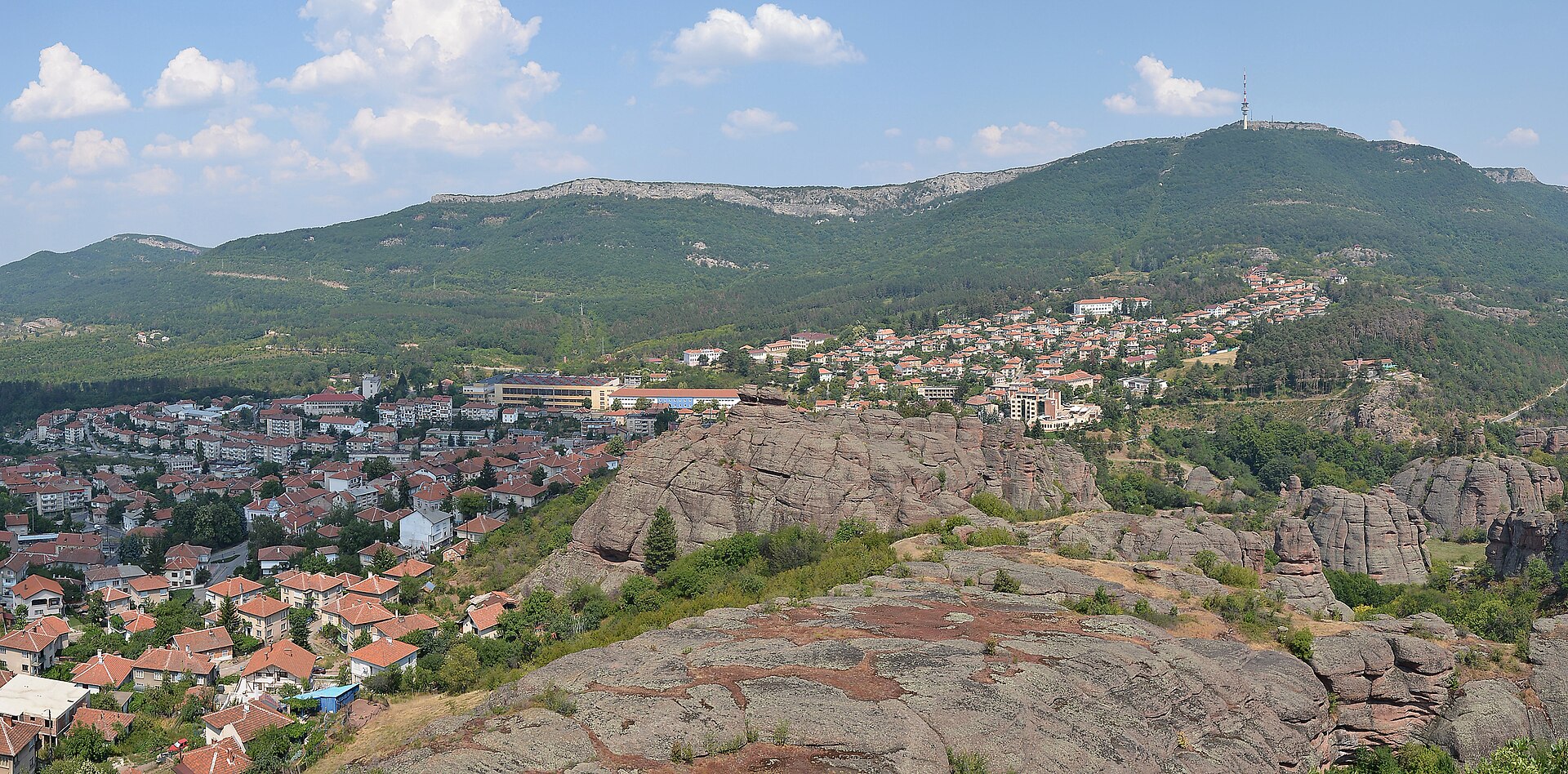
The Belogradchik Rocks are one of Bulgaria's most impressive and surreal natural wonders — a massive group of bizarre red, yellow, and orange sandstone and conglomerate rock formations sculpted by wind, water, and geological forces over 200 million years. Rising dramatically up to 200 meters high, these fantastical shapes have inspired local folklore and legends for centuries and have been given evocative names like the Madonna, the Horseman, the Schoolgirl, Adam and Eve, the Camel, the Bear, and the Dervish. Set dramatically into and among the rocks is the Belogradchik Fortress (Kaleto), a unique defensive structure whose stone walls were cleverly built integrating the natural rock formations as part of the fortification system.
Exploring Belogradchik Rocks: Top Attractions & Hidden Gems
Originally constructed by the Romans as a simple observation post and later massively expanded by the Byzantines and Ottomans, the fortress offers impressive 360-degree panoramic views over the entire Belogradchik region and the surrounding Balkan foothills stretching far into the distance toward the Serbian border. The town of Belogradchik itself is a quiet, friendly small town with traditional restaurants serving local Bulgarian dishes like banitsa, kavarma, and freshly caught river fish, along with several small museums and guesthouses. A well-marked hiking trail leads through the most impressive rock formations, taking about 1–2 hours to explore the main highlights up close.
Local Culture & Food in Belogradchik Rocks
For a longer visit, the nearby Magura Cave — one of the largest and most impressive caves in Bulgaria — features genuine prehistoric cave paintings dating back 10,000 to 12,000 years including depictions of hunting scenes, dancing figures, and solar symbols. The area is also known for the scenic Rabisha Lake and the medieval Baba Vida fortress in the nearby city of Vidin on the Danube River. The Belogradchik Rocks are at their most photogenic in late afternoon when the setting sun sets the red sandstone ablaze with fiery warm colors.
🗓 Best Time to Visit
April to October. Bulgaria experiences hot summers and cold winters. The Black Sea coast peaks in July-August. Spring (April-May) and autumn (September-October) are ideal for city exploration and hiking. Winter (December-March) is ski season in Bansko, Pamporovo, and Borovets.
🍽 Food & Drink
Pack a picnic! Traditional mountain food in the region includes hearty stews, grilled meats, local cheeses, and fresh bread — perfect refueling after a day on the trails. Nearby villages and mountain huts serve local specialties. Local dishes include shopska salata (chopped cucumber, tomato, onion with sirene cheese), banitsa (phyllo pastry with cheese and eggs), kavarma (slow-baked meat and vegetable casserole), tarator (cold cucumber yogurt soup), and grilled kyufte or kebapche. For drinks, try rakia (fruit brandy), mastika (anise liqueur), and Bulgarian wines (Mavrud, Melnik, and Misket varieties).
🚗 How to Get to Belogradchik Rocks by Bus, Car & Boat
By car: A car is the most practical way to reach Belogradchik Rocks, as public transport to national parks and remote natural areas is limited. Parking is available at visitor centers. By bus/tour: Some parks are served by seasonal buses or organized tours from major cities. Getting around: Once inside, walking trails, boardwalks, and park shuttle buses are the primary means of exploration. Buses are the most reliable domestic transport — they connect all major towns efficiently. Trains are slower but scenic. Domestic flights connect Sofia to Varna and Burgas. Car rental is affordable.
🥘 Where to Eat in Belogradchik Rocks: Authentic Local Cuisine
Dining options around Belogradchik Rocks range from mountain huts and park cafes serving hearty snacks and hot meals to restaurants in nearby villages specializing in traditional local cuisine. Packing a picnic is a wonderful option — local markets in the nearest towns offer fresh bread, local cheeses, cured meats, and seasonal fruit that make for an unforgettable al fresco lunch surrounded by nature. Many park entrances have basic cafes serving coffee, pastries, and simple hot meals. The villages around the park are where you'll find the best traditional restaurants, often using ingredients sourced from the surrounding forests and farms. In season, look for wild mushroom dishes, game stews, foraged greens, and local dairy products. Spring water fountains are common in most natural areas, so bring a reusable bottle to fill up. If staying at a mountain lodge, be sure to try their home-cooked dinner — these family-run establishments take pride in their local recipes. Bulgarian cuisine features fresh vegetables, dairy, and grilled meats — shopska salad, banitsa, and tarator are staples, complemented by excellent local wines and rakia.
🏨 Best Hotels Near Belogradchik Rocks
While Belogradchik Rocks itself is a natural wonder with limited accommodation inside its boundaries, the surrounding areas offer a range of places to stay. The nearest towns and villages provide everything from cozy guesthouses run by local families to comfortable hotels with modern amenities. For nature lovers, eco-lodges and mountain cabins offer the chance to sleep surrounded by forest, waking up to birdsong and fresh mountain air. Many of these accommodations provide packed lunches for day trips into the park, as well as guided tour arrangements and equipment rental. Camping facilities are available nearby for those seeking a more immersive outdoor experience. Book well in advance during peak season (June-September), as accommodation near popular natural attractions fills quickly. Staying nearby also means you can arrive at the park entrance before the crowds, enjoying the trails in peaceful morning light. Bulgaria offers remarkable value — boutique hotels in Sofia are affordable, mountain guesthouses in Bansko and the Rhodopes offer cozy retreats, and Black Sea resorts have extensive options.
Find a stay in Belogradchik Rocks
Compare apartments, guesthouses, and vacation rentals while you finalize your route. Flexible cancellation can help when drive times or border plans change.
Browse stays in Belogradchik Rocks on Vrbo →Accessibility
The page describes Belogradchik Rocks as a car-first destination with limited public transport and walking as the main way to explore the formations. Access details for individual trails, boardwalks, the fortress, and visitor centers are not specified here, so confirm current conditions before you go.
- Getting there: A car is the most practical option; public transport to remote natural areas is limited.
- At the site: Walking trails, boardwalks, and park shuttle buses are the primary ways to explore.
- Main route: The main marked trail takes about 1–2 hours, so plan for a walking visit rather than relying only on a vehicle stop.
- Mobility planning: The page does not state which trails, boardwalks, fortress areas, or visitor-center facilities are step-free. Confirm the route and access arrangements with the site before visiting.
Common Mistakes
- Planning around frequent public transport. The page says a car is the most practical way to reach the rocks and that public transport to remote natural areas is limited.
- Allowing no time for walking. The main marked trail takes about 1–2 hours, so include it in the day's plan.
- Skipping Belogradchik Fortress (Kaleto). The fortress integrates the natural rocks into its defenses and offers 360-degree views over the region.
- Visiting without a light plan. Late afternoon is described as the best time for photographing the red sandstone.
- Overlooking the town. Belogradchik has traditional restaurants, small museums, and guesthouses as well as the rock formations.
Photography
Late afternoon is the best light for the red sandstone, when the setting sun brings out its warm colors. The 360-degree views from Belogradchik Fortress (Kaleto) provide a broad view over the formations, while the well-marked trail brings the named shapes — including the Madonna, Horseman, Schoolgirl, Adam and Eve, Camel, Bear, and Dervish — into the visit. Drone note: Bulgaria regulates drones — check current registration and flight rules with the Directorate General "Civil Aviation Administration" (caa.bg) before flying
Day Trips
For a longer visit, the page names three nearby options beyond the main rock formations:
- Magura Cave: One of Bulgaria's largest caves, with prehistoric paintings dated to 10,000–12,000 years ago, including hunting scenes, dancing figures, and solar symbols.
- Rabisha Lake: A scenic nearby lake named by the page as another attraction in the area.
- Baba Vida fortress and Vidin: The medieval Baba Vida fortress in the nearby city of Vidin on the Danube River.
Etiquette
A few low-key habits are often appropriate around the rocks, the fortress, and the local community:
- Fortress and rock formations: Visitors commonly treat Kaleto's walls and the natural formations as historic features, leaving the stonework and rock surfaces undisturbed.
- Marked trail: It is customary to follow the well-marked route and use the boardwalks or park shuttle buses where they are provided.
- Local businesses: Belogradchik is described as a quiet, friendly town, so a respectful, low-key approach in traditional restaurants, small museums, and guesthouses is often appropriate.
- Photography: Asking before photographing people in local community settings is common courtesy.
- Nearby heritage sites: At Magura Cave and Baba Vida fortress, visitors often follow the site's directions so the attractions remain comfortable for everyone.
Frequently Asked Questions
When is the best time to visit Belogradchik Rocks?
April to October. Bulgaria experiences hot summers and cold winters. The Black Sea coast peaks in July-August. Spring (April-May) and autumn (September-October) are ideal for city exploration and hiking. Winter (December-March) is ski season in Bansko, Pamporovo, and Borovets.
How do I get to Belogradchik Rocks?
By car: A car is the most practical way to reach Belogradchik Rocks, as public transport to national parks and remote natural areas is limited. Parking is available at visitor centers. By bus/tour: Some parks are served by seasonal buses or organized tours from major cities.
How many days do you need in Belogradchik Rocks?
A visit to Belogradchik Rocks can be tailored to your interests. The Belogradchik Rocks are one of Bulgaria's most impressive and surreal natural wonders — a massive group of bizarre red, yellow, and orange sandstone and conglomerate rock formations sculpted by win.
What is Belogradchik Rocks known for?
The Belogradchik Rocks are one of Bulgaria's most impressive and surreal natural wonders — a massive group of bizarre red, yellow, and orange sandstone and conglomerate rock formations sculpted by wind, water, and geological forces over 200 million years.
Where should I stay in Belogradchik Rocks?
While Belogradchik Rocks itself is a natural wonder with limited accommodation inside its boundaries, the surrounding areas offer a range of places to stay. The nearest towns and villages provide everything from cozy guesthouses run by local families to comfortable hotels with modern amenities.
🗺️ Build a route around Belogradchik Rocks: Add Belogradchik Rocks to my itinerary. It opens the planner with this stop selected, so you can add nearby places and set the trip length.
Plan your budget
For country-level budget ranges and planning assumptions, see the Balkan travel costs guide.