
Rila National Park
Rila National Park at a Glance
| Country | Bulgaria |
| Region | Rila Mountains |
| Protected-area scale | 810 square kilometers |
| Highest peak | Mount Musala — 2,925 m |
| Signature landscapes | More than 120 glacial lakes, including the Seven Rila Lakes, plus alpine meadows, coniferous forests, and rocky glacial valleys |
| Marked trails | Over 500 kilometers |
| Best time to visit | June–September for hiking; December–April for skiing |
| Recommended stay | 1–2 days |
Why Visit Rila National Park
Rila National Park brings Bulgaria's highest mountain range into one visit: Mount Musala, alpine meadows, coniferous forests, rocky glacial valleys, and more than 120 lakes, including the Seven Rila Lakes. The park suits both day hikers and experienced mountaineers, with over 500 kilometers of marked trails and mountain huts for multi-day routes. It also works across seasons, with hiking from June to September and snowshoeing or cross-country skiing in winter.
Best Things to Do in Rila National Park
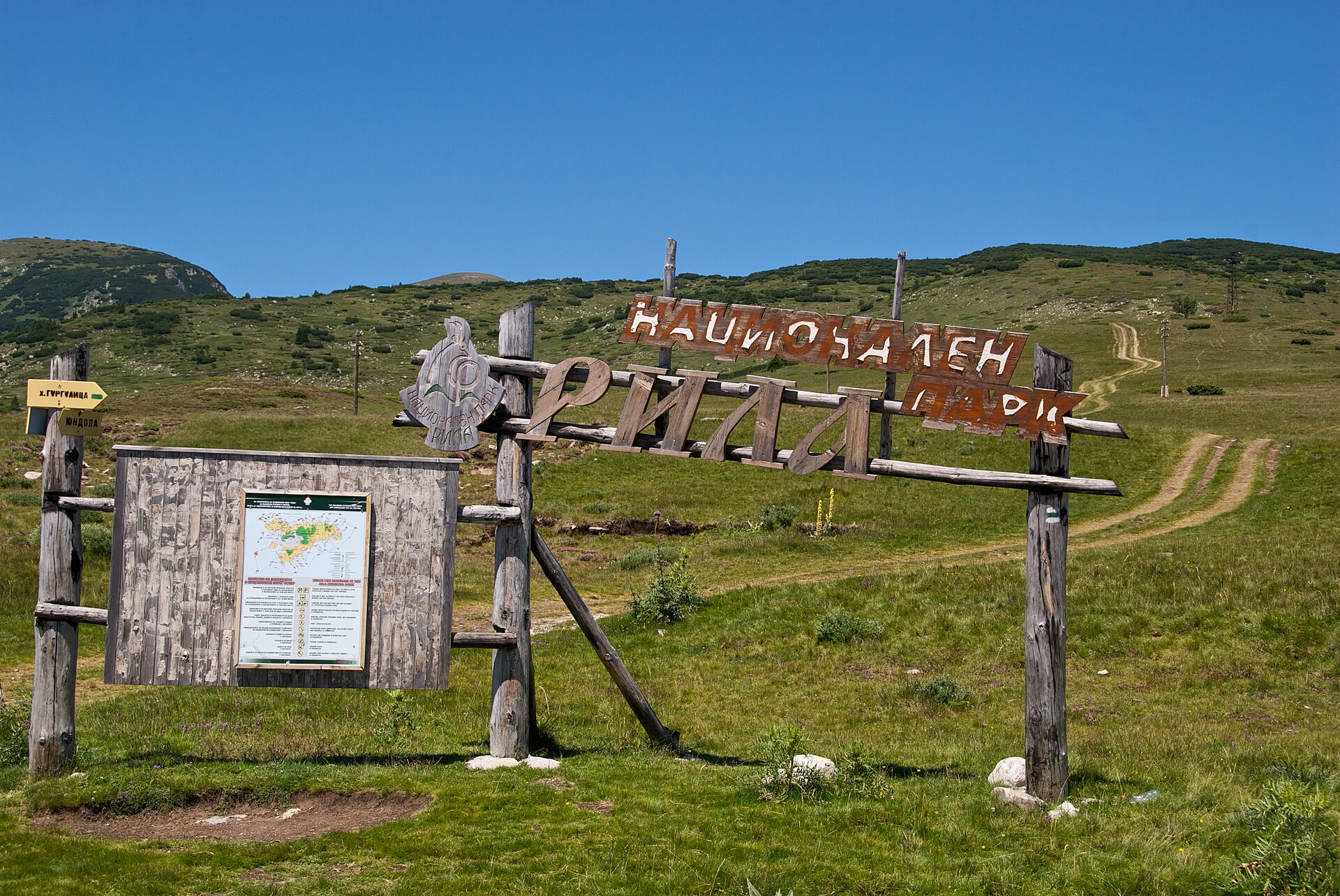
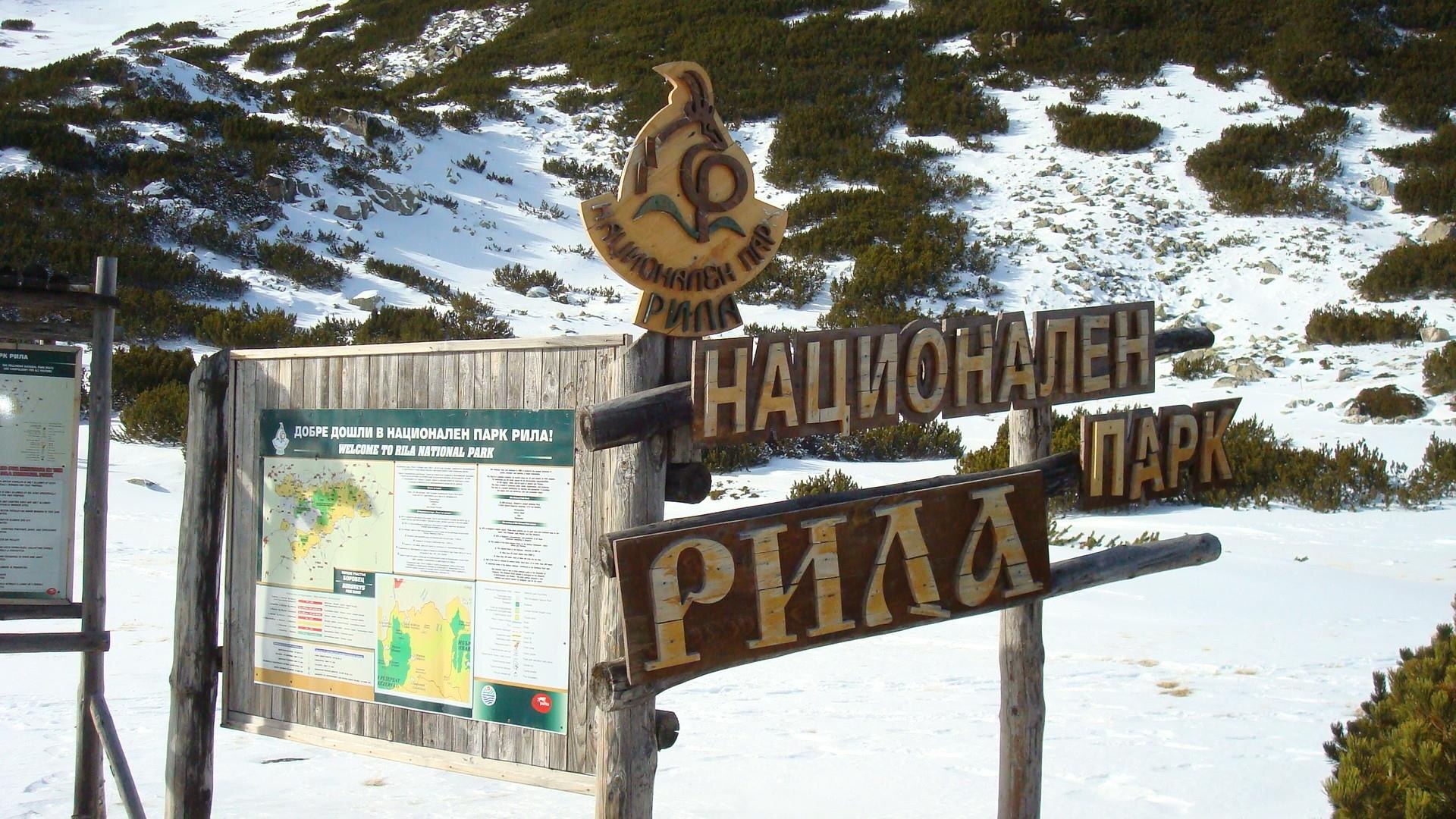
Rila National Park is the largest and most biodiverse protected area in Bulgaria, covering an impressive 810 square kilometers of the Rila Mountains. The park protects the highest mountain range in the Balkans, crowned by Mount Musala at 2,925 meters, the highest peak in all of Southeast Europe. The landscape is defined by vast alpine meadows carpeted with wildflowers in summer, dense coniferous forests of Norway spruce and Balkan pine, rocky glacial valleys carved by ice ages past, and over 120 pristine glacial lakes of which the Seven Rila Lakes are the most famous.
Exploring Rila National Park: Top Attractions & Hidden Gems
The park is home to remarkable wildlife: brown bears, gray wolves, European wildcats, Balkan chamois, red deer, and over 100 bird species including the grand golden eagle and the elusive capercaillie. For hikers, the park offers over 500 kilometers of well-marked trails ranging from gentle lakeside strolls suitable for families to strenuous multi-day treks requiring mountain experience. The most popular routes include the Musala Summit climb (6–8 hours round trip from Borovets), the Seven Rila Lakes circuit, and the Rila Monastery loop. Numerous mountain huts (hizhas) throughout the park offer basic but comfortable accommodation and hearty Bulgarian meals — these are essential bases for multi-day treks and add a wonderful sense of mountain community.
Local Culture & Food in Rila National Park
In winter, the park transforms into a magical snowshoeing and cross-country skiing paradise with well-marked winter trails. The park is easily accessible from Sofia (about 1.5 hours drive to Borovets) and the town of Samokov. Rila National Park is a worth visiting for any nature lover, offering some of the most impressive alpine scenery in all of Europe at a fraction of the cost of the Alps. Whether you are an experienced mountaineer or a casual day hiker, the park's pristine wilderness and dramatic mountain landscapes leave an indelible impression.
🗓 Best Time to Visit
June to September (hiking), December to April (skiing). Bulgaria experiences hot summers and cold winters. The Black Sea coast peaks in July-August. Spring (April-May) and autumn (September-October) are ideal for city exploration and hiking. Winter (December-March) is ski season in Bansko, Pamporovo, and Borovets.
🍽 Food & Drink
Pack a picnic! Traditional mountain food in the region includes hearty stews, grilled meats, local cheeses, and fresh bread — perfect refueling after a day on the trails. Nearby villages and mountain huts serve local specialties. Local dishes include shopska salata (chopped cucumber, tomato, onion with sirene cheese), banitsa (phyllo pastry with cheese and eggs), kavarma (slow-baked meat and vegetable casserole), tarator (cold cucumber yogurt soup), and grilled kyufte or kebapche. For drinks, try rakia (fruit brandy), mastika (anise liqueur), and Bulgarian wines (Mavrud, Melnik, and Misket varieties).
🚗 How to Get to Rila National Park by Bus, Car & Boat
By car: A car is the most practical way to reach Rila National Park, as public transport to national parks and remote natural areas is limited. Parking is available at visitor centers. By bus/tour: Some parks are served by seasonal buses or organized tours from major cities. Getting around: Once inside, walking trails, boardwalks, and park shuttle buses are the primary means of exploration. Buses are the most reliable domestic transport — they connect all major towns efficiently. Trains are slower but scenic. Domestic flights connect Sofia to Varna and Burgas. Car rental is affordable.
🥘 Where to Eat in Rila National Park: Authentic Local Cuisine
Dining options around Rila National Park range from mountain huts and park cafes serving hearty snacks and hot meals to restaurants in nearby villages specializing in traditional local cuisine. Packing a picnic is a wonderful option — local markets in the nearest towns offer fresh bread, local cheeses, cured meats, and seasonal fruit that make for an unforgettable al fresco lunch surrounded by nature. Many park entrances have basic cafes serving coffee, pastries, and simple hot meals. The villages around the park are where you'll find the best traditional restaurants, often using ingredients sourced from the surrounding forests and farms. In season, look for wild mushroom dishes, game stews, foraged greens, and local dairy products. Spring water fountains are common in most natural areas, so bring a reusable bottle to fill up. If staying at a mountain lodge, be sure to try their home-cooked dinner — these family-run establishments take pride in their local recipes. Bulgarian cuisine features fresh vegetables, dairy, and grilled meats — shopska salad, banitsa, and tarator are staples, complemented by excellent local wines and rakia.
🏨 Best Hotels Near Rila National Park
While Rila National Park itself is a natural wonder with limited accommodation inside its boundaries, the surrounding areas offer a range of places to stay. The nearest towns and villages provide everything from cozy guesthouses run by local families to comfortable hotels with modern amenities. For nature lovers, eco-lodges and mountain cabins offer the chance to sleep surrounded by forest, waking up to birdsong and fresh mountain air. Many of these accommodations provide packed lunches for day trips into the park, as well as guided tour arrangements and equipment rental. Camping facilities are available nearby for those seeking a more immersive outdoor experience. Book well in advance during peak season (June-September), as accommodation near popular natural attractions fills quickly. Staying nearby also means you can arrive at the park entrance before the crowds, enjoying the trails in peaceful morning light. Bulgaria offers remarkable value — boutique hotels in Sofia are affordable, mountain guesthouses in Bansko and the Rhodopes offer cozy retreats, and Black Sea resorts have extensive options.
Find a stay in Rila National Park
Compare apartments, guesthouses, and vacation rentals while you finalize your route. Flexible cancellation can help when drive times or border plans change.
Browse stays in Rila National Park on Vrbo →Common Mistakes
- Trying to cover the whole park in one short stop. More than 500 kilometers of marked trails span the park, and the Mount Musala route alone is described as a 6–8-hour round trip from Borovets.
- Assuming every trail is an easy lakeside walk. The page describes routes from gentle family strolls to strenuous multi-day treks, so match the route to your experience and available time.
- Setting out without checking the mountain weather. The page warns that severe thunderstorms can develop quickly above 2,000 meters; check the detailed forecast before leaving.
- Relying on public transport for a remote trailhead. A car is described as the most practical way to reach the park because public transport to remote natural areas is limited.
- Confusing the hiking and winter seasons. June–September is the page's hiking window, while December–April is listed for skiing; choose equipment and plans accordingly.
Photography
The Seven Rila Lakes and the alpine meadows make strong wide landscape subjects, while Mount Musala and the rocky glacial valleys give the park a sense of scale. The page's mountain-hut advice also points to sunrise and sunset at altitude; allow time for the longer approaches and keep the forecast in mind because thunderstorms can develop quickly above 2,000 meters. Drone note: Bulgaria's Directorate General "Civil Aviation Administration" (DG CAA) says UAS operators must register through the official drone portal and consult the current UAS geographical zones immediately before flying. Its geographical-zones guidance states that, outside those zones, open-category flights are limited to 120 m above ground; use the published JSON zone data because manufacturer maps may not include every restricted area. Flights in prohibited or restricted zones require an application to DG CAA no later than 7 days before the expected start. The same guidance says to check during flight every 15 minutes for an activated zone affecting the area and to terminate the flight if one is active.
Etiquette
Rila National Park is a protected mountain landscape with popular routes, marked trails, wildlife, and mountain huts. A few considerate habits are commonly appropriate:
- Stay on marked routes: following the well-marked trails and using boardwalks where provided is customary in a protected area.
- Respect the landscape: visitors often leave the alpine meadows, forests, glacial valleys, and lakes undisturbed and carry out anything they bring in.
- Give wildlife space: the page notes brown bears, gray wolves, European wildcats, Balkan chamois, red deer, and many bird species, so keeping a quiet distance is common mountain etiquette.
- Share viewpoints and trails: taking turns at the Seven Rila Lakes and other popular viewpoints, and keeping noise low, is considerate when routes are busy.
- Use mountain huts thoughtfully: following each hut's instructions and keeping shared accommodation and dining areas orderly is customary.
- Ask before photographing people: requesting permission before making an identifiable close portrait is common courtesy, including around huts and trailheads.
Frequently Asked Questions
When is the best time to visit Rila National Park?
June to September (hiking), December to April (skiing). Bulgaria experiences hot summers and cold winters. The Black Sea coast peaks in July-August. Spring (April-May) and autumn (September-October) are ideal for city exploration and hiking. Winter (December-March) is ski season in Bansko, Pamporovo, and Borovets.
How do I get to Rila National Park?
By car: A car is the most practical way to reach Rila National Park, as public transport to national parks and remote natural areas is limited. Parking is available at visitor centers. By bus/tour: Some parks are served by seasonal buses or organized tours from major cities.
How many days do you need in Rila National Park?
A visit to Rila National Park can be tailored to your interests. Rila National Park is the largest and most biodiverse protected area in Bulgaria, covering an impressive 810 square kilometers of the Rila Mountains.
What is Rila National Park known for?
Rila National Park is the largest and most biodiverse protected area in Bulgaria, covering an impressive 810 square kilometers of the Rila Mountains.
Where should I stay in Rila National Park?
While Rila National Park itself is a natural wonder with limited accommodation inside its boundaries, the surrounding areas offer a range of places to stay. The nearest towns and villages provide everything from cozy guesthouses run by local families to comfortable hotels with modern amenities.
🗺️ Build a route around Rila National Park: Add Rila National Park to my itinerary. It opens the planner with this stop selected, so you can add nearby places and set the trip length.
Plan your budget
For country-level budget ranges and planning assumptions, see the Balkan travel costs guide.