

Koprivshtitsa
Koprivshtitsa at a Glance
| Setting | National Revival town in the Sredna Gora Mountains |
| Known for | Preserved houses, April Uprising history, museums, and stone bridges |
| Elevation | 1,060 metres |
| Best time | May–October |
| Recommended stay | 1–2 days |
Why Visit
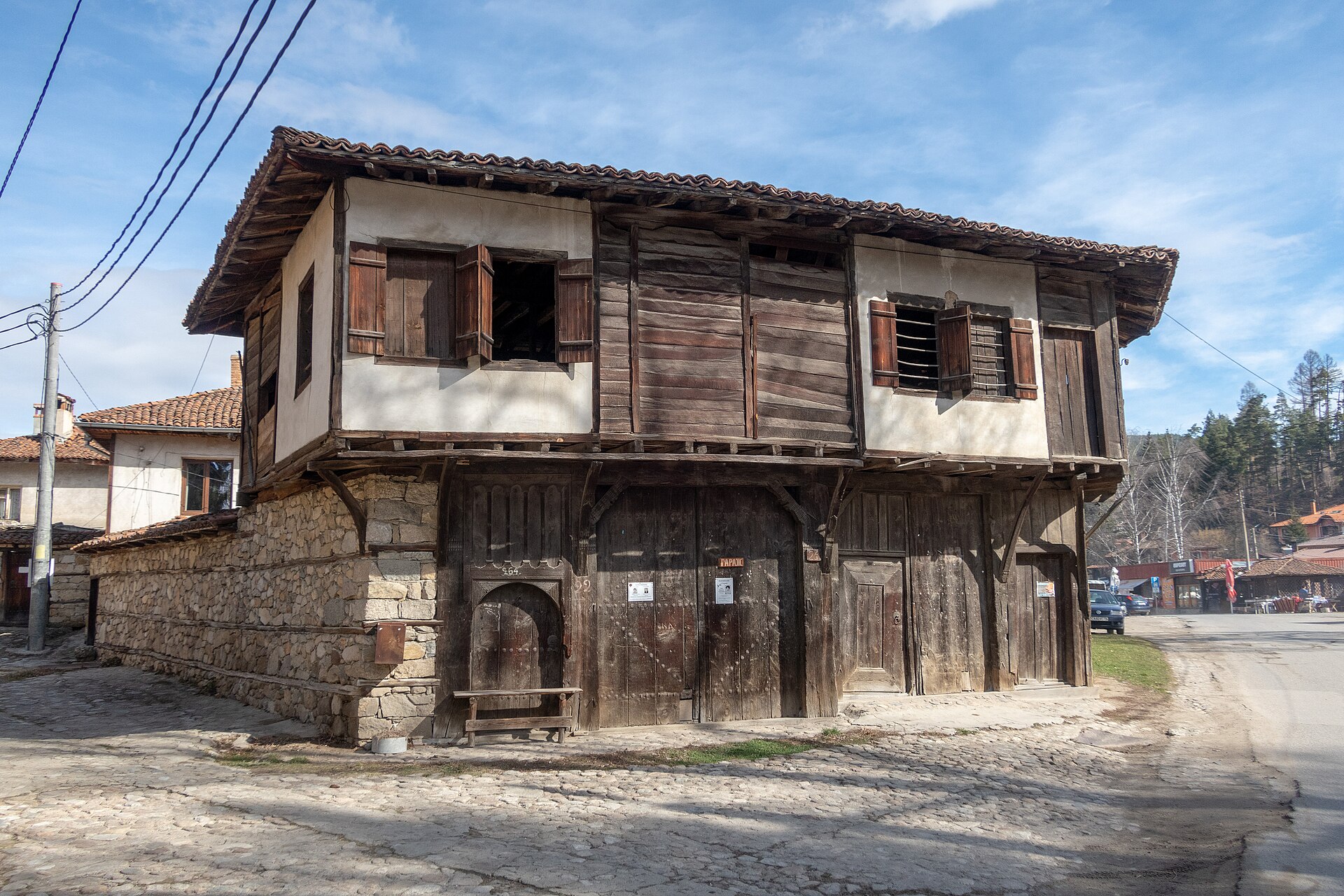
Koprivshtitsa presents a preserved National Revival town shaped by the 1876 April Uprising. The page highlights museum houses, colourful façades, wooden verandas, the Topolnitsa River, stone bridges, and the town’s mountain setting.
Accessibility
Paved streets, cobblestones, museum entrances, bridges, and sloping lanes may not offer the same level of access. The page does not specify step-free routes for every house, so confirm individual museum conditions before visiting.
Common Mistakes
Do not treat the town as one single museum. Allow time for several houses, the river and bridges, and the historical context of the April Uprising.
Photography
The painted Revival houses, wooden verandas, iron gates, river bridges, and mountain light provide distinct subjects. Ask before photographing people or museum interiors. Bulgaria regulates drones — check current registration and flight rules with the Directorate General "Civil Aviation Administration" (caa.bg) before flying.
Etiquette
- Ask before photographing residents or entering private courtyards.
- Follow museum rules around interiors and displayed collections.
- Keep streets and bridges clear for residents and other visitors.
Frequently Asked Questions
When is the best time to visit Koprivshtitsa?
May to September. Bulgaria experiences hot summers and cold winters. The Black Sea coast peaks in July-August. Spring (April-May) and autumn (September-October) are ideal for city exploration and hiking. Winter (December-March) is ski season in Bansko, Pamporovo, and Borovets.
How do I get to Koprivshtitsa?
By car: Well-connected by regional roads. Parking is available on the outskirts. By bus: Regular bus services from the nearest cities. Walking: Koprivshtitsa is compact and best explored on foot. In Sofia, the metro is excellent and expanding — cheap and efficient. Buses and trams cover the rest. Taxi apps like TaxiMe or Yellow Taxi work well.
How many days do you need in Koprivshtitsa?
A visit to Koprivshtitsa can be tailored to your interests. Koprivshtitsa is Bulgaria's most perfectly preserved National Revival town, located in a tranquil valley in the Sredna Gora Mountains at 1,060 meters elevation.
What is Koprivshtitsa known for?
Koprivshtitsa is Bulgaria's most perfectly preserved National Revival town, located in a tranquil valley in the Sredna Gora Mountains at 1,060 meters elevation.
Where should I stay in Koprivshtitsa?
Staying in Koprivshtitsa is an experience - many hotels are housed in restored historic buildings with original stone walls and wooden beams. Boutique hotels within the old town walls give you direct access to the cobblestone streets, squares, and landmarks, with restaurants and cafes just steps from your door.
Best Things to Do in Koprivshtitsa
Koprivshtitsa is Bulgaria's most perfectly preserved National Revival town, located in a tranquil valley in the Sredna Gora Mountains at 1,060 meters elevation. It was the epicenter of the 1876 April Uprising against Ottoman rule, and many of its elegant houses were homes of revolutionary leaders and poets who shaped Bulgaria's path to independence. Today the entire town functions as a living open-air museum frozen in amber.
Exploring Koprivshtitsa: Top Attractions & Hidden Gems
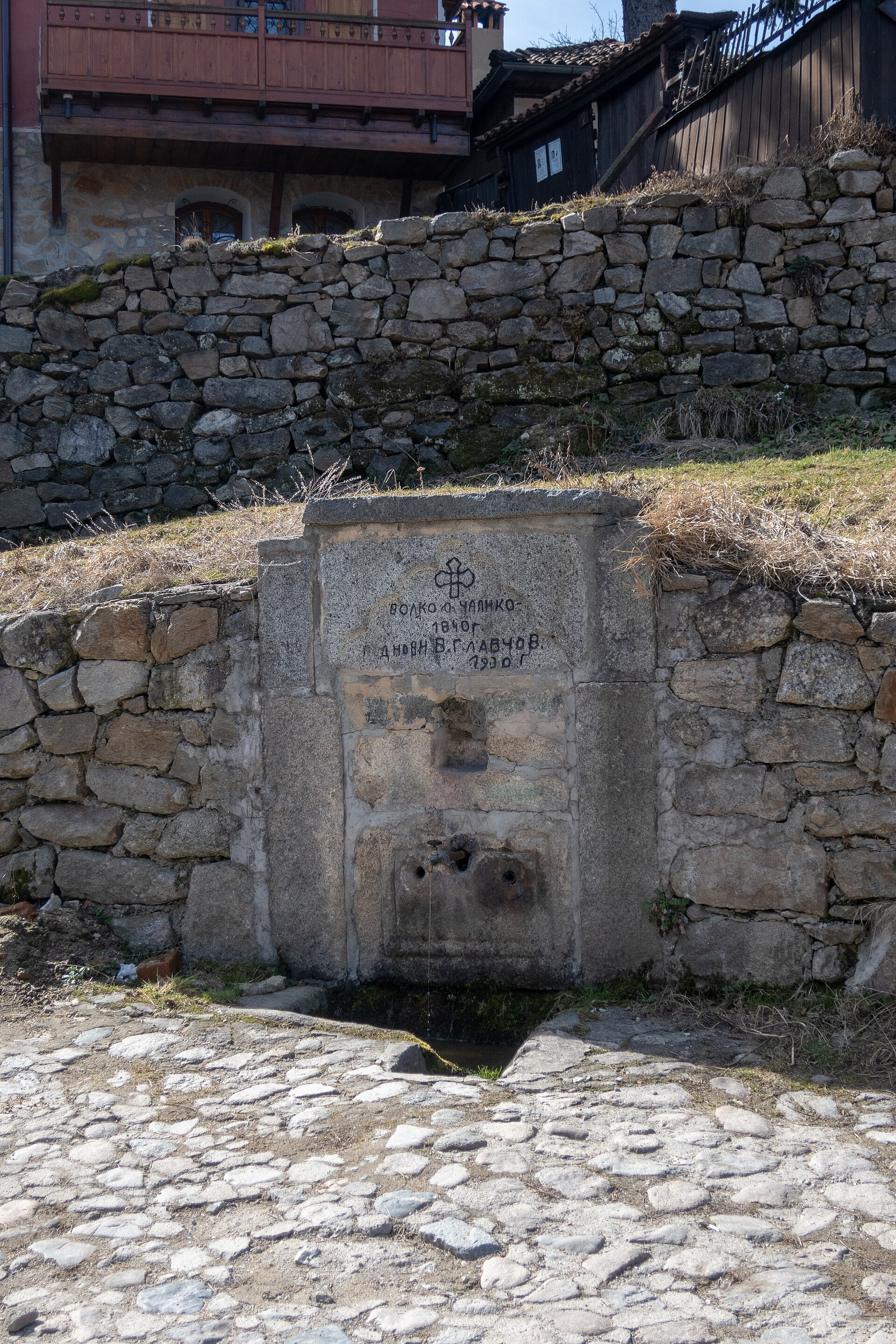
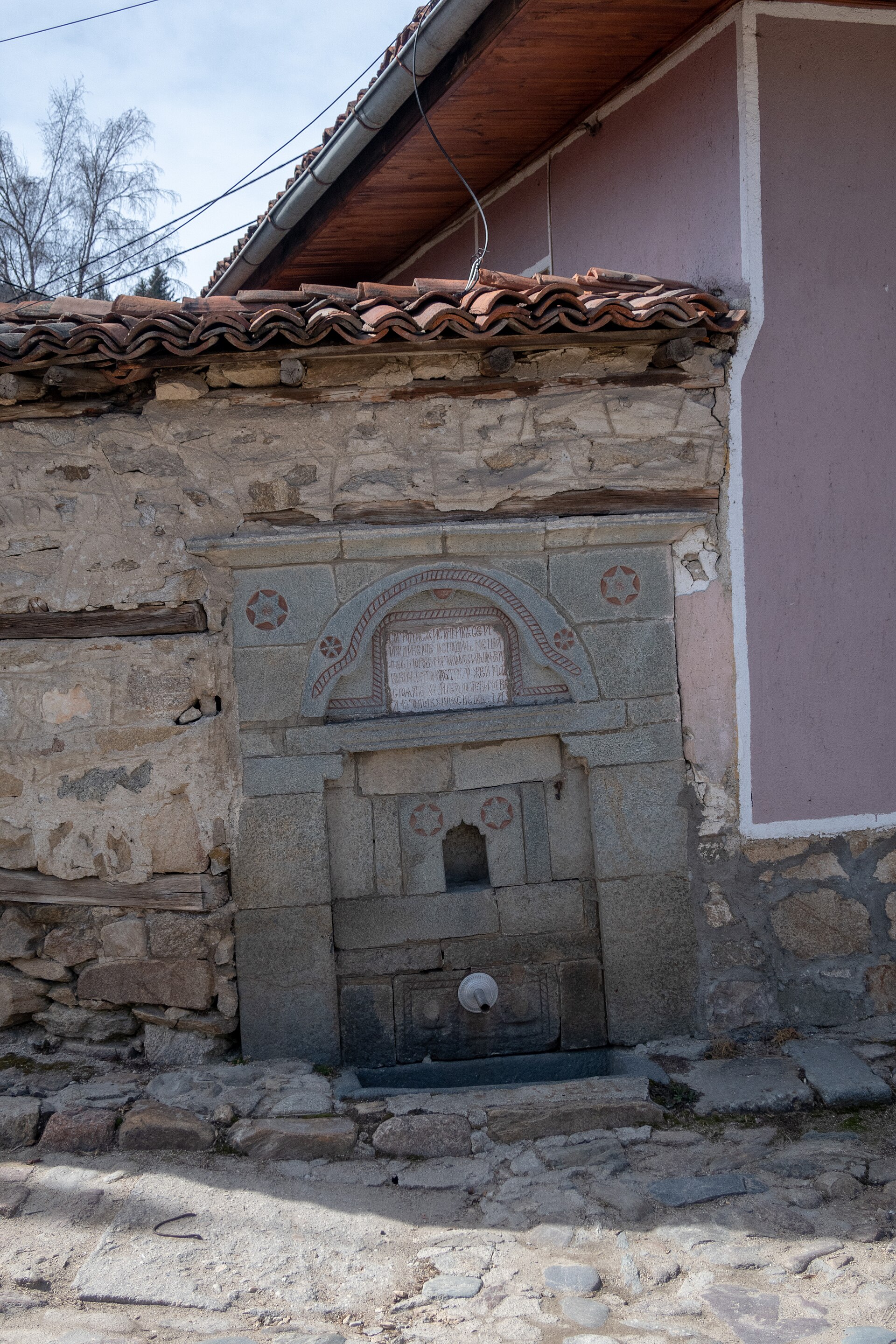
The paved streets are lined with over 380 National Revival houses, each painted in lively colors — sky blue, ochre, terracotta, and white — with characteristic wooden verandas, ornate wrought-iron gates, and meticulously maintained landscaped gardens. The most famous houses are open as museums: the Oslekov House with impressive hand-painted wall murals depicting sailing ships and exotic cities from around the world, the Debelyanov House (home of the beloved early 20th-century poet), the Lyutov House with its extraordinarily rich wood-carved ceilings, and the Todor Kableshkov House where the April Uprising was famously proclaimed on April 20, 1876. The town also features old stone bridges crossing the Topolnitsa River, the historic Chalakov Fountain, and several beautifully preserved churches including the Church of the Assumption with its fine iconostasis. Koprivshtitsa hosts a major national folklore festival every five years (next edition in 2027), drawing thousands of performers in traditional costume and visitors from across Bulgaria and abroad.
Local Culture & Food in Koprivshtitsa
The best time to visit is spring through autumn when the gardens are in full bloom and the weather is pleasant for walking. The town is compact and easily walkable — most major sights are within a 30-minute stroll from the central square. The surrounding forested hills offer excellent hiking trails with panoramic views over the valley. Koprivshtitsa is essential for anyone interested in Bulgarian history, architecture, and the spirit of national awakening.
🗓 Best Time to Visit
May to September. Bulgaria experiences hot summers and cold winters. The Black Sea coast peaks in July-August. Spring (April-May) and autumn (September-October) are ideal for city exploration and hiking. Winter (December-March) is ski season in Bansko, Pamporovo, and Borovets.
🍽 Food & Drink
Eating in Koprivshtitsa is about atmosphere too - historic stone buildings house traditional restaurants serving family recipes. Local dishes include shopska salata (chopped cucumber, tomato, onion with sirene cheese), banitsa (phyllo pastry with cheese and eggs), kavarma (slow-baked meat and vegetable casserole), tarator (cold cucumber yogurt soup), and grilled kyufte or kebapche. For drinks, try rakia (fruit brandy), mastika (anise liqueur), and Bulgarian wines (Mavrud, Melnik, and Misket varieties).
🚗 How to Get to Koprivshtitsa by Bus, Car & Boat
By car: Well-connected by regional roads. Parking is available on the outskirts. By bus: Regular bus services from the nearest cities. Walking: Koprivshtitsa is compact and best explored on foot. In Sofia, the metro is excellent and expanding — cheap and efficient. Buses and trams cover the rest. Taxi apps like TaxiMe or Yellow Taxi work well. Uber operates in Sofia.
🥘 Where to Eat in Koprivshtitsa: Authentic Local Cuisine
Eating in Koprivshtitsa is about atmosphere too - the historic setting adds to the experience. The main square and side streets are lined with restaurants serving local specialties. For something more authentic, venture off the main tourist streets into the side alleys where family-run konobe (traditional taverns) serve recipes passed down through generations at more reasonable prices. Wine bars housed in medieval cellars offer atmospheric tastings of regional wines. During summer, many restaurants set up outdoor terraces in the squares and pedestrian streets, creating a lively dining scene. Street food stalls in the market squares offer quick, affordable local snacks. The local market is perfect for picking up picnic supplies if you're day-tripping. Many restaurants offer a daily set menu (gablec/ručak) at lunch — the most affordable way to sample local cuisine. Bulgarian cuisine features fresh vegetables, dairy, and grilled meats — shopska salad, banitsa, and tarator are staples, complemented by excellent local wines and rakia.
🏨 Best Hotels in Koprivshtitsa
Staying in Koprivshtitsa is an experience - many hotels are housed in restored historic buildings with original stone walls and wooden beams. Boutique hotels within the old town walls give you direct access to the cobblestone streets, squares, and landmarks, with restaurants and cafes just steps from your door. For a quieter stay, look for guesthouses and small hotels just outside the old town — they often offer better value, free parking, and the same easy walking access. Many historic town accommodations feature rooftop terraces and courtyards where you can enjoy breakfast or an evening drink overlooking the ancient rooftops. Family-run hotels (known locally as konobe or guesthouses) provide the friendliest welcome, often serving homemade specialties for breakfast and offering personalized tips for exploring. Bulgaria offers remarkable value — boutique hotels in Sofia are affordable, mountain guesthouses in Bansko and the Rhodopes offer cozy retreats, and Black Sea resorts have extensive options.
Find a stay in Koprivshtitsa
Compare apartments, guesthouses, and vacation rentals while you finalize your route. Flexible cancellation can help when drive times or border plans change.
Browse stays in Koprivshtitsa on Vrbo →🗺️ Build a route around Koprivshtitsa: Add Koprivshtitsa to my itinerary. It opens the planner with this stop selected, so you can add nearby places and set the trip length.
Plan your budget
For country-level budget ranges and planning assumptions, see the Balkan travel costs guide.