
Burgas
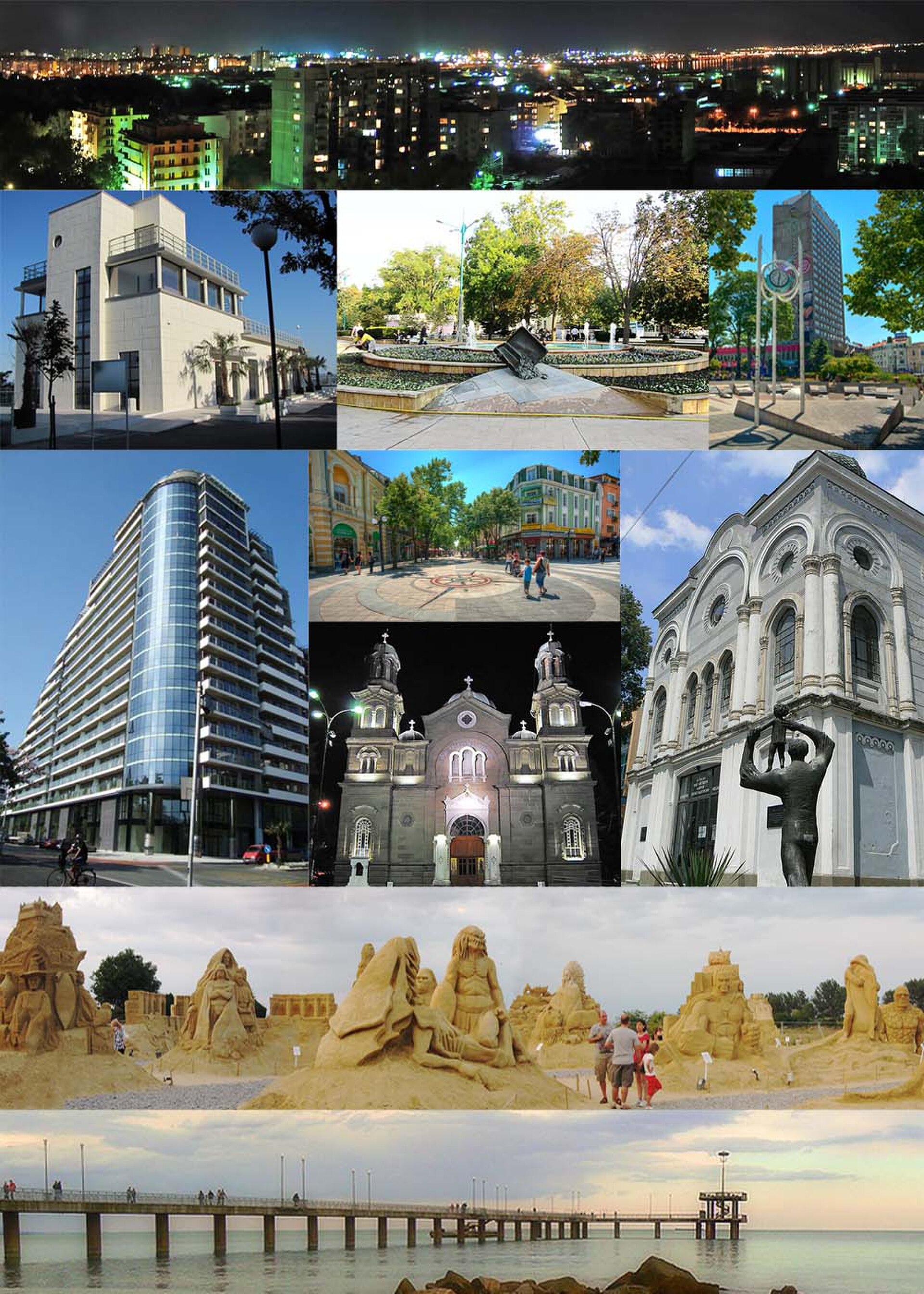
Burgas at a Glance
| Setting | Working Black Sea city surrounded by saltwater lakes |
| Known for | Sea Garden, waterfront, lakes, port, and cultural venues |
| Highlights | Sea Garden, Summer Theatre, Marine Casino, and Pantheon |
| Best time | May–September |
| Recommended stay | 1–2 days |
Why Visit
Burgas links a working Black Sea city with the Sea Garden, waterfront, saltwater lakes, and cultural landmarks such as the Summer Theatre, Marine Casino, and Pantheon. Its history as a port and trading city adds context beyond a beach stop.
Accessibility
The Sea Garden, waterfront, city streets, and lake areas offer different surfaces and distances. The page does not confirm step-free access at every venue or shoreline section, so check each stop before relying on it.
Common Mistakes
Do not reduce Burgas to the beach. Allow time for the Sea Garden, the lakes, the port-side setting, and the city’s cultural landmarks.
Photography
Use the Sea Garden, lake edges, waterfront, and architectural details for varied compositions. Keep active port areas and nearby people out of close frames unless you have permission. Bulgaria regulates drones — check current registration and flight rules with the Directorate General "Civil Aviation Administration" (caa.bg) before flying.
Etiquette
- Keep clear of working port and waterfront operations.
- Ask before photographing people, vendors, or performances.
- Leave lake and park areas clean and follow posted instructions.
Frequently Asked Questions
When is the best time to visit Burgas?
June and September are the sweet spots. July and August pack the beaches and push hotel prices up, but the sea hits 26°C. May is pleasant but the water is still cool (16-18°C). September is perfect — the crowds thin out, the sea is still warm, and the Burgas Lakes fill with migrating flamingos. If you're after birdwatching at Atanasovsko Lake, come in April-May or September-October when the Via Pontica migration route is at its peak. Winter is quiet and most beachfront places shut down, but Burgas itself keeps running.
How do I get to Burgas?
Fly into Burgas Airport (BOJ) in Sarafovo — Bus 15 runs every 20 minutes to the city center for 1.50 BGN (about €0.75). Taxis cost 15-20 EUR. The central train station (built 1903) connects to Sofia (7-8 hours, about 25 BGN) and Varna (3 hours). For coastal hops, use the South Bus Station for Sozopol and Nessebar or the West Bus Station for inland routes. A taxi from the center to the airport runs about 20 BGN. Ferry to St. Anastasia Island departs from the Marinе daily in summer — round trip costs 30 BGN.
How many days do you need in Burgas?
Two full days gives you the Sea Garden, Bogoridi Street, Atanasovsko Lake, a meal at Neptune or Zlatna Ribka, and a half-day boat trip to St. Anastasia Island. Add a third day for a day trip to Sozopol (30 min south) or Nessebar (30 min north). Birdwatchers should budget a half-day for Poda Nature Reserve (7 BGN entry, 274 bird species).
What is Burgas known for?
The Sea Garden, a 7-km coastal park designed in 1910 by architect Georgi Duhtev on what was once a swamp. The three Burgas Lakes — Atanasovsko (the pink salt lake with flamingos), Vaya (Bulgaria's largest lake), and Mandrensko — form the Burgas Wetlands, one of Europe's most important bird migration stopovers on the Via Pontica route. Burgas is also the departure point for St. Anastasia Island, the only permanently inhabited Bulgarian island in the Black Sea, with a 15th-century monastery and a lighthouse.
Where should I stay in Burgas?
For first-timers, Grand Hotel & Spa Primoretz — right inside the Sea Garden with a spa and direct beach access. Hotel Bulgaria is a solid 4-star central option with an indoor pool and sauna. MM Boutique Hotel offers modern rooms near Troika Square. For the airport crowd, Villa Promenade in Sarafovo sits a 5-minute walk from both the terminal and Sarafovo Beach. Budget pick: Hostel Burgas near the train station.
Best Things to Do in Burgas
Burgas sits at the westernmost point of the Black Sea, wrapped around three saltwater lakes that give it the nickname "the city of sea and lakes." Unlike the purpose-built resort towns to the north, Burgas is a working city with a real port, Bulgaria's biggest oil refinery (LUKOIL Neftochim), and 210,000 people who live here year-round. Its origin story starts with the Greeks from Apollonia (modern Sozopol), who set up a trading post called "Pyrgos" here. The name Burgas itself comes from the Latin "burgus" — meaning tower or fortress. For centuries it was just a small fishing village.
Exploring Burgas: Top Attractions & Hidden Gems
Everything changed after the 1878 Liberation: a railway to Plovdiv opened in 1890 and a deep-water port in 1903. The population went from 5,700 people in 1887 to over 200,000 today. The Sea Garden (Morska Gradina) is the city's pride — a 7-km coastal park designed in 1910 by the Bulgarian architect Georgi Duhtev, who drained the swamp that sat between the city and the sea and planted it with trees and exotic shrubs from every continent. Today it holds the Summer Theatre, the Marine Casino building, concrete Brutalist sculptures from the 1970s, and the Pantheon monument.
Local Culture & Food in Burgas
The park is a national monument of landscape architecture. Burgas is also a major birdwatching hub. The three lakes — Atanasovsko (the pink salt lake where 3,500 flamingos now live year-round), Vaya (Bulgaria's largest lake at 40 km²), and Mandrensko — sit on the Via Pontica, the second-largest bird migration route in Europe. Over 274 bird species have been recorded here. Nearby, the Roman colony of Deultum was established by Emperor Vespasian in AD 70, and the Aquae Calidae thermal baths drew visitors since Thracian times.
🗓 Best Time to Visit
June and September are the sweet spots. July and August pack the beaches and push hotel prices up, but the sea hits a bathwater-warm 26°C. May is pleasant for walking the Sea Garden but the water sits around 16-18°C — fine for a quick dip, not for swimming laps. September is Burgas at its best: the crowds thin, hotel rates drop, the sea holds at 22-23°C, and the Burgas Lakes fill with flamingos and other migrating birds stopping on the Via Pontica. Birdwatchers should aim for April-May or September-October when the migration is at its peak — the Poda Nature Reserve alone records 274 species. Winter is quiet: many beachfront kiosks and bars close, but the city core keeps running and you'll have the Sea Garden practically to yourself.
🍽 Food & Drink
The dish you need to try in Burgas that you won't find everywhere in Bulgaria is strandzhanka — a slice of bread topped with minced meat and spices, baked until crisp. It originated right here in the Burgas region. For fish, go to Neptune, a 1948 beachfront institution serving grilled Black Sea fish like tsatsa (European sprat) and barbunya (red mullet) with huge portions and reasonable prices. Zlatna Ribka ("Golden Fish") sits inside the Sea Garden under the trees, handy for lunch after a morning walk. For craft beer, Pivovarnata (The Brewery) brews its own unfiltered beer according to the German Reinheitsgebot purity law of 1516 and serves charcoal-grilled meat alongside it. 8 Mamas, tucked off the main pedestrian street, is a local favorite for reliable Bulgarian and Turkish home cooking — try their tarator (cold cucumber-yogurt soup) on a hot day. Zlatna Kotva ("Golden Anchor"), open since 1927, is the oldest restaurant in Burgas and sits right at the Sea Garden entrance by the beach. Happy Restaurant is a Bulgarian chain but reliable for quick, consistent meals. For local wine, ask for a Mavrud or a Dimyat — the coastal white wines pair well with the Black Sea catch.
🚗 How to Get to Burgas by Bus, Car & Boat
Burgas Airport (BOJ) is in the Sarafovo district, 12 km from the center. Bus 15 runs every 20 minutes from the terminal to the South Bus Station (1.50 BGN, about €0.75). A taxi to the center costs 15-20 EUR — agree on the price upfront or use the official taxi stand. The train station is a handsome 1903 building with a clock tower, at the south end of Bogoridi Street. Direct trains run from Sofia (7-8 hours, ~25 BGN), Plovdiv (4 hours), and Varna (3 hours). The South Bus Station handles routes south along the coast to Sozopol (45 min, 6 BGN) and north to Nessebar and Sunny Beach. The West Bus Station covers inland routes. City buses and trolleybuses cost 1.50 BGN per ride — buy tickets from the driver or at kiosks. Cycling along the Sea Garden promenade and north toward the salt ponds is easy and pleasant. Taxi apps like TaxiMe work locally. A ferry to St. Anastasia Island leaves from the Burgas Marina daily in summer — 30 BGN round trip, 40 minutes each way.
🥘 Where to Eat in Burgas: Authentic Local Cuisine
For a full fish dinner with sea views, Neptune Restaurant on the beachfront serves grilled barbunya (red mullet), tsatsa (European sprat), and black risotto — a seafood platter for two runs about 40 BGN. Zlatna Ribka in the Sea Garden is an unpretentious family-style spot where you can eat fresh grilled fish under the trees while the sea breeze comes through — try their grilled trout or the shopska salad with extra sirene cheese on top. 8 Mamas on the main pedestrian street is hard to spot but popular with locals for its homemade Bulgarian-Turkish food — the mixed grill plate and the tarator are standouts, and prices rarely exceed 15 BGN per person. Zlatna Kotva (Golden Anchor), open since 1927 at the Sea Garden entrance, serves traditional Bulgarian dishes with a kids' corner and live music on summer evenings. Tenyova Kashta is styled like a 100-year-old Bulgarian house with a large flower-filled garden — order the pork with sour cabbage or a mixed grill. Incanto near Troika Square does sushi, pizza, and ribs — useful when you need a break from Bulgarian food. For a quick lunch, grab a strandzhanka (minced meat on toast) from any bakery — it only costs 2-3 BGN. Pivovarnata (The Brewery) on Han Krum Street pours its own unfiltered craft beer and serves charcoal-grilled meat — the sausages and pork neck are excellent.
🏨 Best Hotels in Burgas
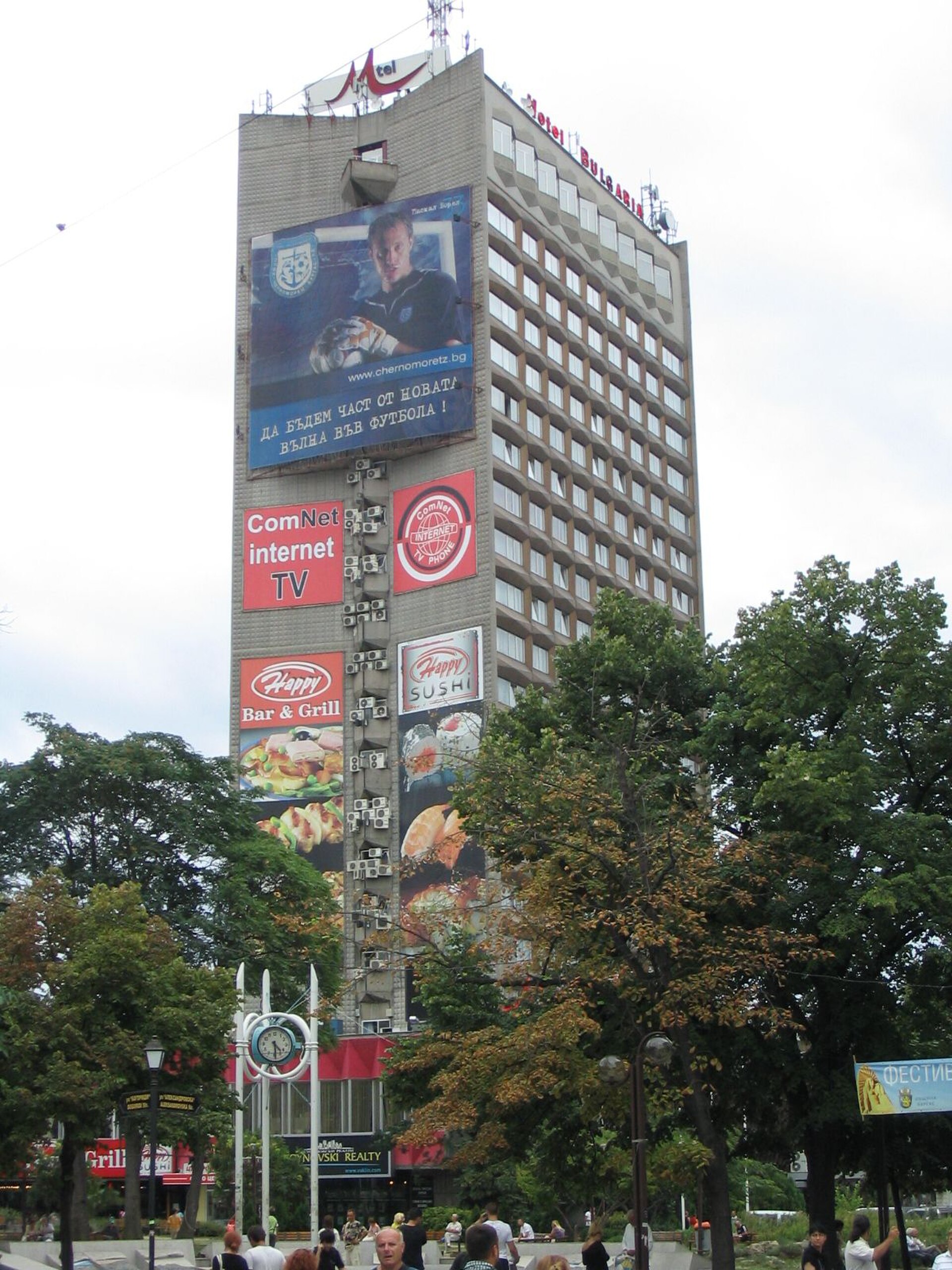
Grand Hotel & Spa Primoretz (5-star) sits right inside the Sea Garden, a 2-minute walk from the Central Beach. It has a full spa, indoor pool, and multiple restaurants — rates from about 150 BGN/night in summer. The Hotel Bulgaria Burgas (4-star) is a reliable central option on Aleksandrovska Street with an indoor pool, sauna, and a casino. MM Boutique Hotel near Troika Square offers modern, minimalist rooms with good breakfast — rates from 100 BGN/night. Marina Burgas Hotel overlooks the marina and has a rooftop terrace popular at sunset. Hotel Chiplakoff is a historic building on Bogoridi Street with old-world character. For budget travelers, Hostel Burgas near the train station offers dorms from 30 BGN/night. If you have an early flight, Villa Promenade in Sarafovo is a 5-minute walk from the airport terminal and directly on Sarafovo Beach. Most hotels in Burgas offer better value than nearby Sunny Beach or Nessebar — you are paying for a real city, not a resort bubble.
Find a stay in Burgas
Compare apartments, guesthouses, and vacation rentals while you finalize your route. Flexible cancellation can help when drive times or border plans change.
Browse stays in Burgas on Vrbo →🗺️ Build a route around Burgas: Add Burgas to my itinerary. It opens the planner with this stop selected, so you can add nearby places and set the trip length.
Plan your budget
For country-level budget ranges and planning assumptions, see the Balkan travel costs guide.