
Lukomir
Lukomir at a Glance
| Country | Bosnia & Herzegovina |
| Setting | Bjelašnica mountain village at 1,495 metres |
| Highlights | Stone houses, wool carpets, Rakitnica River Canyon, and hiking |
| Best time | June–September |
| Access | Summer road access; high-clearance vehicle or guided hike |
Why Visit Lukomir
Lukomir offers a mountain-village experience built around stone houses, traditional weaving, sheep farming, and views into the Rakitnica River Canyon. It works best for travellers who are prepared for seasonal access and want a hiking-focused day or overnight near Bjelašnica rather than a conventional town stop.
Best Things to Do in Lukomir
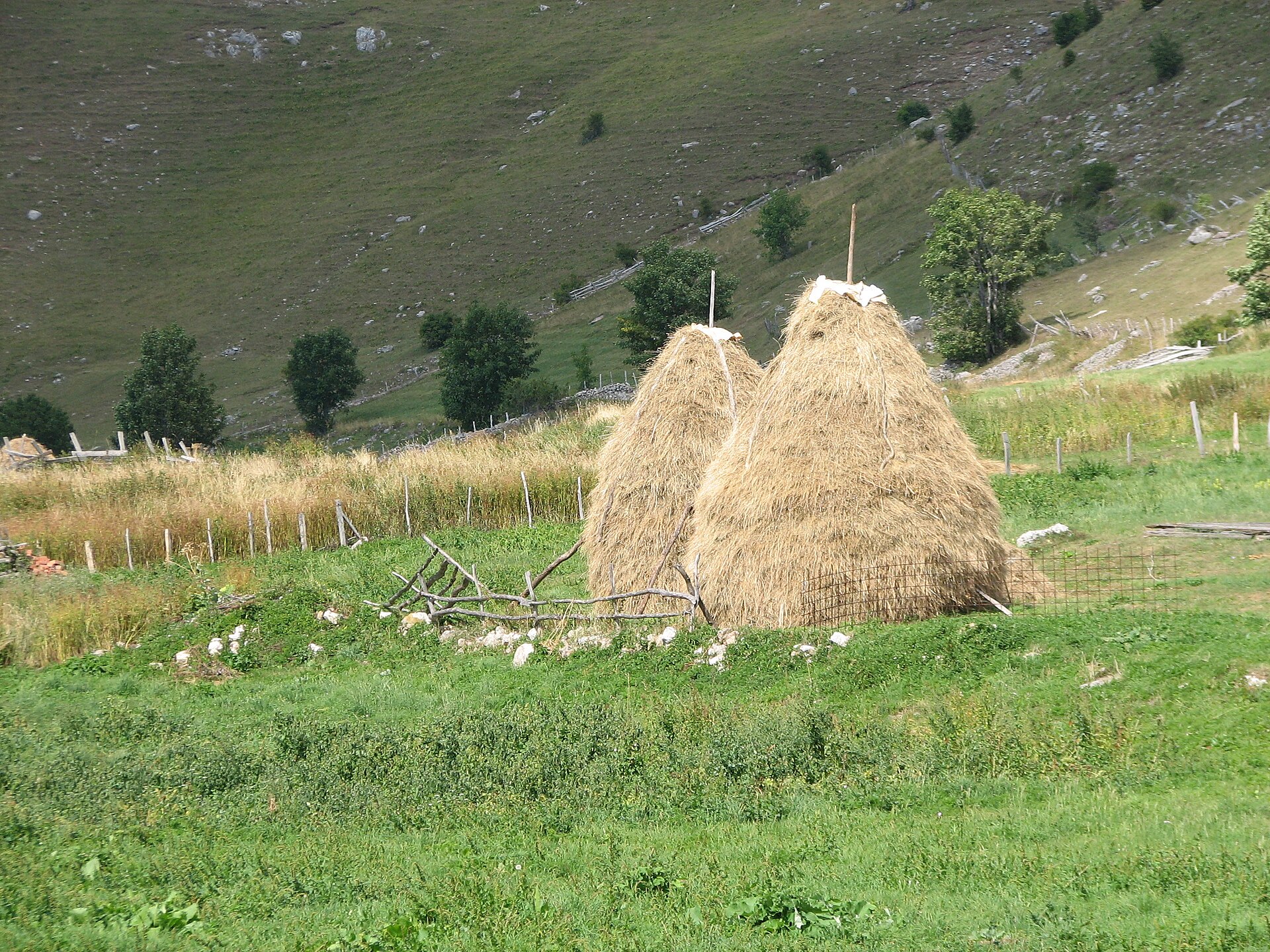
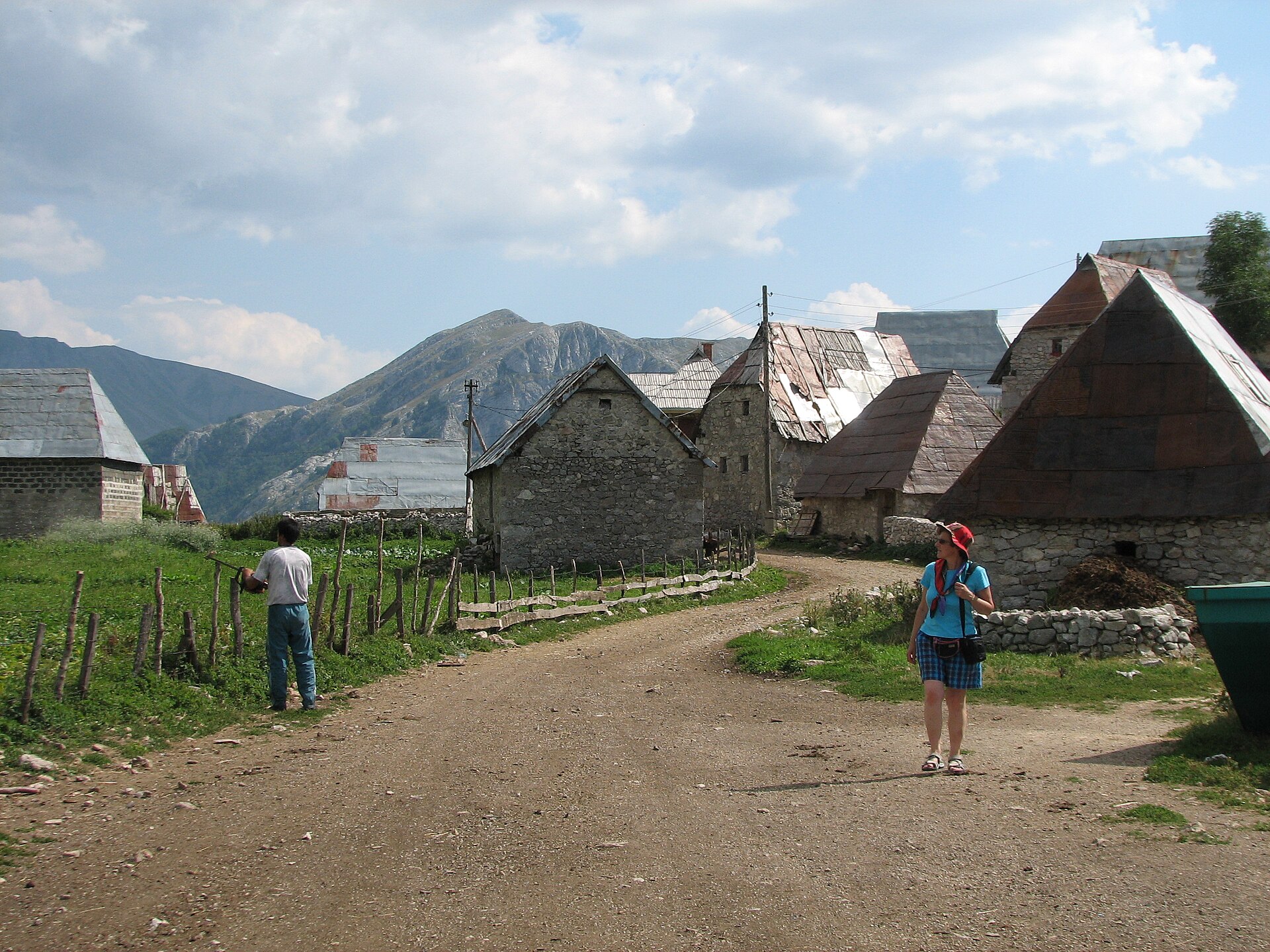
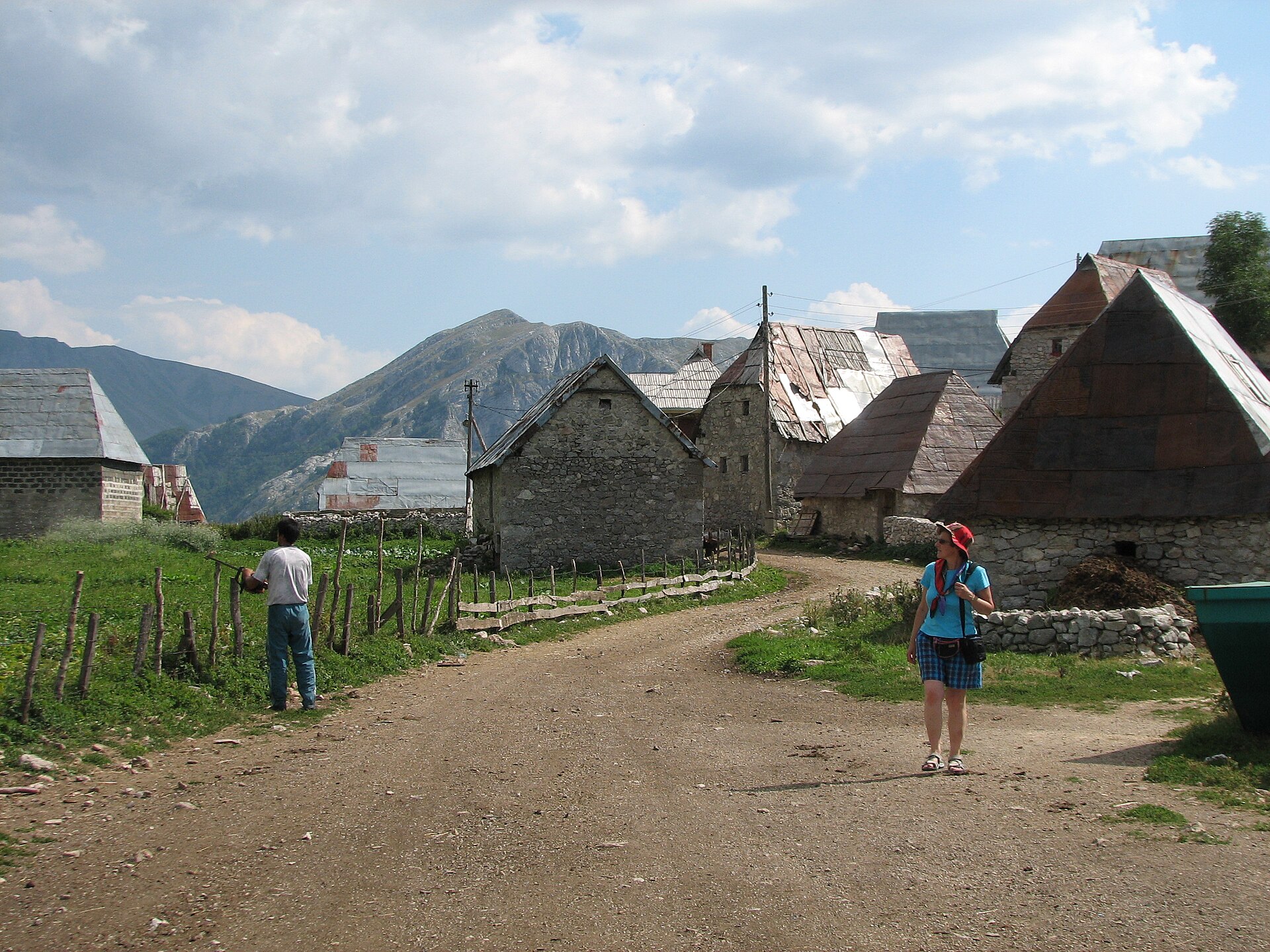
Lukomir is the highest permanently inhabited village in Bosnia and Herzegovina, perched at 1,495 metres on the slopes of Bjelašnica Mountain — a living museum of medieval Dinaric mountain life that has survived almost unchanged for centuries. This tiny settlement of around 50 ethnic Bosniak inhabitants lives in thick stone houses with distinctive step-like roofs made of limestone slabs, designed to withstand the immense weight of winter snow that buries the village from November to May. Electricity only arrived in the 2010s, and there is still no continuous road access in winter.
Exploring Lukomir: Top Attractions & Hidden Gems
The villagers practise a semi-nomadic lifestyle centred on sheepherding — moving with their flocks to high mountain pastures in summer and returning to the village in winter. The local women still weave traditional woollen carpets (ćilim) on handlooms using patterns passed down through generations, and you can buy these directly from the weavers for 50–150 KM (€25–75) depending on size and complexity. The village commands staggering views over the Rakitnica River Canyon, a 25-km-long gorge plunging 500–800 metres deep — one of the most dramatic in the Dinaric Alps and a paradise for hikers.
Local Culture & Food in Lukomir
The Rakitnica is a tributary of the Neretva, and the trail along its rim from the Bjelašnica ski resort (Poljice) to Lukomir is considered one of the best day hikes in Bosnia. The village restaurant serves homemade bread baked in a wood-fired oven, sheep cheese produced on-site, roast lamb, and other local specialities. Lukomir is accessible by car from Sarajevo (about 1.5 hours) via the Bjelašnica road during summer — a high-clearance vehicle is strongly recommended for the final gravel section.
🗓 Best Time to Visit
June to September, when the access road is open and the villagers are present with their flocks. July and August offer the warmest weather (20–25°C) and the longest daylight hours for hiking. June and September are quieter with comfortable temperatures. May and October are possible if the road is dry, but the village can be empty. From November to May, Lukomir is completely snowbound and accessible only by foot, snowshoe, or cross-country skis with a local guide — an extreme winter adventure for experienced backcountry travellers only. For photographers, late September brings golden autumn colours to the surrounding beech forests, creating stunning mountain panoramas.
🍽 Food & Drink
The only restaurant in Lukomir is the village konoba (no official name — everyone calls it 'the Lukomir restaurant'), run by the Šabanović family. The menu is dictated by what's available: homemade sheep cheese (5 KM / €2.50 for a generous portion), fresh bread baked in the wood-fired oven (2 KM / €1), kajmak (creamy dairy spread, 4 KM / €2), and roast lamb prepared in a traditional iron pot (20 KM / €10). If you order the lamb in advance, they'll prepare a full shepherd's meal with potatoes, salad, and homemade bread for 30 KM (€15) per person. The local grappa (rakija) is distilled from plums and pears grown in the valley below — 3 KM (€1.50) for a generous shot. Bosnian coffee is 2 KM (€1). There is no menu, no prices displayed, and no card payment — bring cash in small denominations. For a true Lukomir experience, ask if they can prepare 'kiseli kupus' (sauerkraut with lamb) — a mountain staple that's rarely found in restaurants.
🚗 How to Get to Lukomir by Bus, Car & Boat
By car from Sarajevo: take the M-18 road towards Bjelašnica ski centre (25 km, 40 minutes to the Umoljani turnoff). At Umoljani, turn onto the gravel road signed for Lukomir — the final 12 km takes 30–40 minutes on a rough, rocky track that requires high clearance and good tyres. A standard sedan can make it in dry conditions but you'll scrape the underside. 4x4 recommended. There is no public transport to Lukomir. By tour: Sarajevo-based agencies like Green Visions and Meet Bosnia offer Lukomir day trips for 70–100 KM (€35–50) per person including transfers and guide. By foot: the most popular hiking approach starts at Poljice (Bjelašnica ski resort, 1,500 m elevation) and follows the Rakitnica Canyon rim trail for 14 km (4–5 hours one way) to Lukomir — this is a strenuous but spectacular day hike with 400 m elevation gain. The trail is marked with red-and-white waymarks. Parking at Poljice is free. Winter access requires snowshoes and a guide (€30–50 per person).
🥘 Where to Eat in Lukomir: Authentic Local Cuisine
Lukomir the Lukomir village konoba is the only dining option in the village itself, run by the Šabanović family since the 1990s. The setting is unforgettable: a low-ceilinged stone room with a crackling wood fire, sheepskins on wooden benches, and the smell of woodsmoke and roasting lamb. The menu is simple — homemade sheep cheese (5 KM), fresh bread (2 KM), lamb stew (18 KM), and roast lamb (20 KM) — but the quality is exceptional because everything is locally sourced. You must ring ahead (the number is on the info board at the village entrance) to order lamb, as it takes hours to prepare. In Umoljani, Restaurant Umoljani serves grilled meats, ćevapi (8 KM), and great pita with cheese (6 KM) in a mountain setting. At Bjelašnica ski centre, Restaurant K1 at the base station offers pizzas (10–14 KM), pasta, and grilled specialities with terrace views of the mountain — open year-round. In Sarajevo (1.5 hours), you'll find countless options, but after visiting Lukomir, the most fitting post-hike meal is at Dveri or Inat Kuća in Baščaršija for traditional Bosnian cuisine.
🏨 Best Hotels in Lukomir
Lukomir offers no official accommodation — the village has no hotel or guesthouse. The most common option is day-tripping from Sarajevo. If you want to stay overnight near Lukomir, Bjelašnica Mountain Resort at Poljice has several options: Hotel Bjelašnica (€55–80/night) is a three-star ski hotel with a restaurant, sauna, and mountain views; Apartments Zlatar (€40–60/night) are self-catering studios with kitchenettes. In the village of Umoljani, the mountain lodge PSD Umoljani (€15–20/person/night) offers basic dormitory-style accommodation with shared bathrooms — popular with hikers. Some Lukomir villagers may offer a spare room or floor space for sleeping if asked in advance; offer 20–30 KM (€10–15) per person. This is the most authentic option but has no running water or electricity in some houses. Bring a sleeping bag. For winter visits, the guided huts of the mountain rescue service (GSS BiH) can sometimes be used with advance coordination.
Find a stay in Lukomir
Compare apartments, guesthouses, and vacation rentals while you finalize your route. Flexible cancellation can help when drive times or border plans change.
Browse stays in Lukomir on Vrbo →Common Mistakes in Lukomir
- Arriving outside the June–September access window without confirming that the road and village are reachable.
- Taking a low-clearance car onto the final gravel section, especially after rain.
- Expecting public transport, an ATM, a displayed menu, or card payment in the village.
- Attempting winter access without a local guide and appropriate snow equipment.
- Photographing villagers, homes, or weavers without asking first.
Photography in Lukomir
Use the village stone roofs and the Rakitnica Canyon rim as contrasting foreground and background subjects. Late September brings autumn colour to the surrounding beech forests, while the high elevation gives strong light even on cool days. Ask before photographing residents or their homes. Bosnia regulates drones — check current registration and flight rules with the Bosnia and Herzegovina Directorate of Civil Aviation (BHDCA) before flying.
Etiquette in Lukomir
- Ask before photographing villagers, homes, carpets, or animals.
- It is customary to respect the privacy of a small community rather than treating the village as a photo set.
- Buy food or crafts directly and clarify the price before accepting a meal or handmade item.
- Keep distance from sheep and follow a local guide's instructions on trails and private land.
- Carry rubbish out of the village and canyon area; leave the mountain setting as you found it.
Frequently Asked Questions
When is the best time to visit Lukomir?
June to September, when the access road is open and the villagers are present with their flocks. July and August offer the warmest weather (20–25°C) and the longest daylight hours for hiking. June and September are quieter with comfortable temperatur
How do I get to Lukomir?
By car from Sarajevo: take the M-18 road towards Bjelašnica ski centre (25 km, 40 minutes to the Umoljani turnoff). At Umoljani, turn onto the gravel road signed for Lukomir — the final 12 km takes 30
How many days do you need in Lukomir?
A visit to Lukomir can be tailored to your interests. Lukomir is the highest permanently inhabited village in Bosnia and Herzegovina, perched at 1,495 metres on the slopes of Most visitors find 1-2 days sufficient to see the main attractions and soak in the atmosphere.
What is Lukomir known for?
Lukomir is the highest permanently inhabited village in Bosnia and Herzegovina, perched at 1,495 metres on the slopes of Bjelašnica Mountain, offering
Where should I stay in Lukomir?
offers no official accommodation — the village has no hotel or guesthouse. The most common option is day-tripping from Sarajevo. If you want to stay overnight near Lukomir, Bjelašnica Mountain Resort
🗺️ Build a route around Lukomir: Add Lukomir to my itinerary. It opens the planner with this stop selected, so you can add nearby places and set the trip length.
Plan your budget
For country-level budget ranges and planning assumptions, see the Balkan travel costs guide.