

Trebinje
Trebinje at a Glance
| Country | Bosnia & Herzegovina |
| Setting | Trebišnjica River in Herzegovina |
| Known for | Stari Grad, platan trees, and Herzegovinian wine country |
| Best time | April–October; September–October for wine harvest |
Why Visit Trebinje
Trebinje combines a compact Ottoman-era old town, the Trebišnjica River, platan-lined banks, and the wine country of Herzegovina.
Its relaxed pace, nearby monasteries and wineries, and position close to Dubrovnik and Montenegro make it useful as both a destination and a regional base.
Overview
The visit centers on Stari Grad, the Arslanagić Bridge, Hercegovačka Gračanica Monastery, and the surrounding vineyards and river landscape.
Tvrdos Monastery is 5 km west of town, while the page describes Vukoje, Radojčić, and Tvrdos as wine-tasting and cellar-tour options.
Best Things to Do in Trebinje
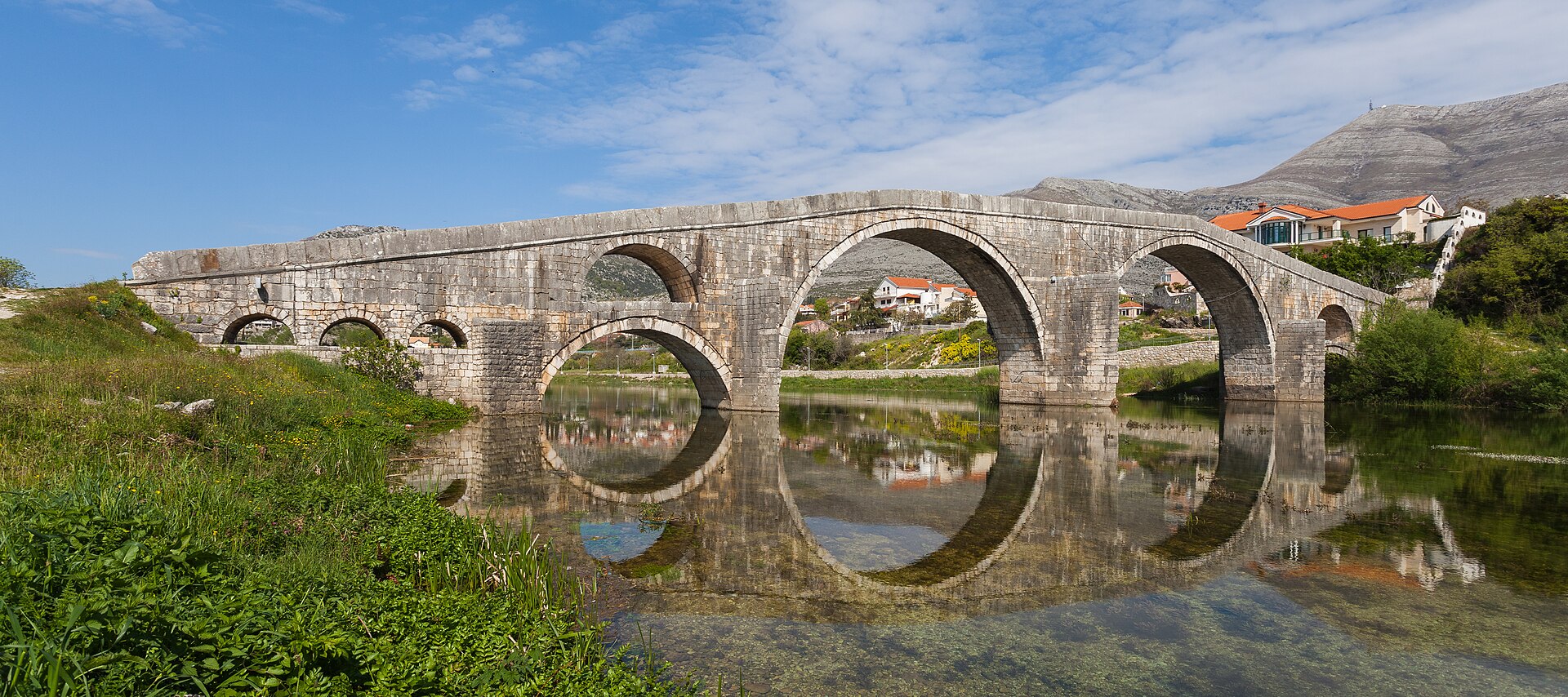
Trebinje is Herzegovina's best-kept secret — a sun-drenched Ottoman-era city on the Trebišnjica River that travellers often skip en route to Dubrovnik, missing one of the most authentic and relaxed destinations in the Balkans. Nicknamed 'the city of sun and platan trees,' Trebinje enjoys over 260 sunny days per year and its tree-lined riverbanks are the heart of local life. The old town (Stari Grad) is a compact maze of stone houses, Ottoman-era streets, and small squares dominated by the Arslanagić Bridge — a beautiful 16th-century stone arch bridge that was relocated stone-by-stone when the Trebišnjica was dammed.
Exploring Trebinje: Top Attractions & Hidden Gems
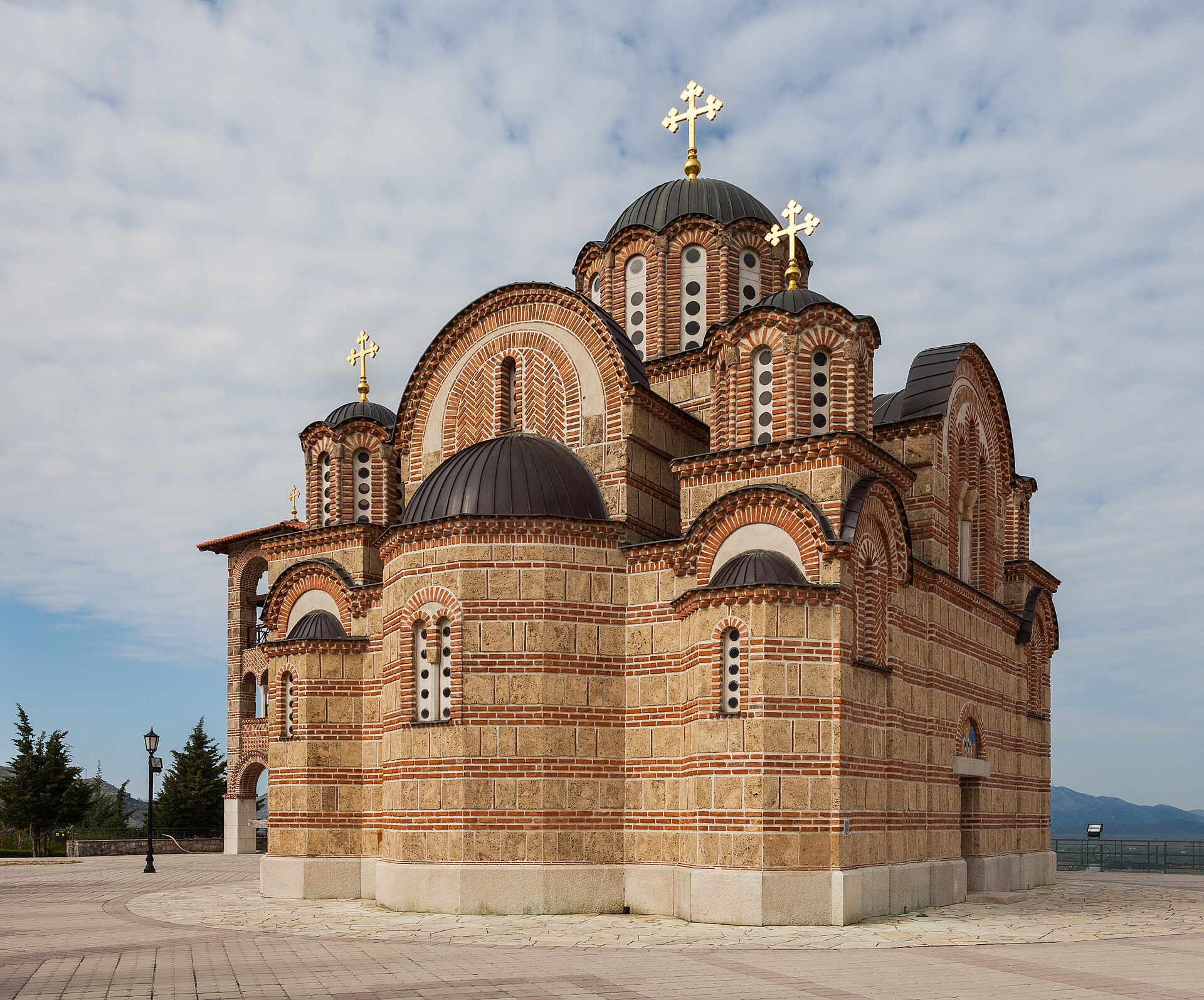
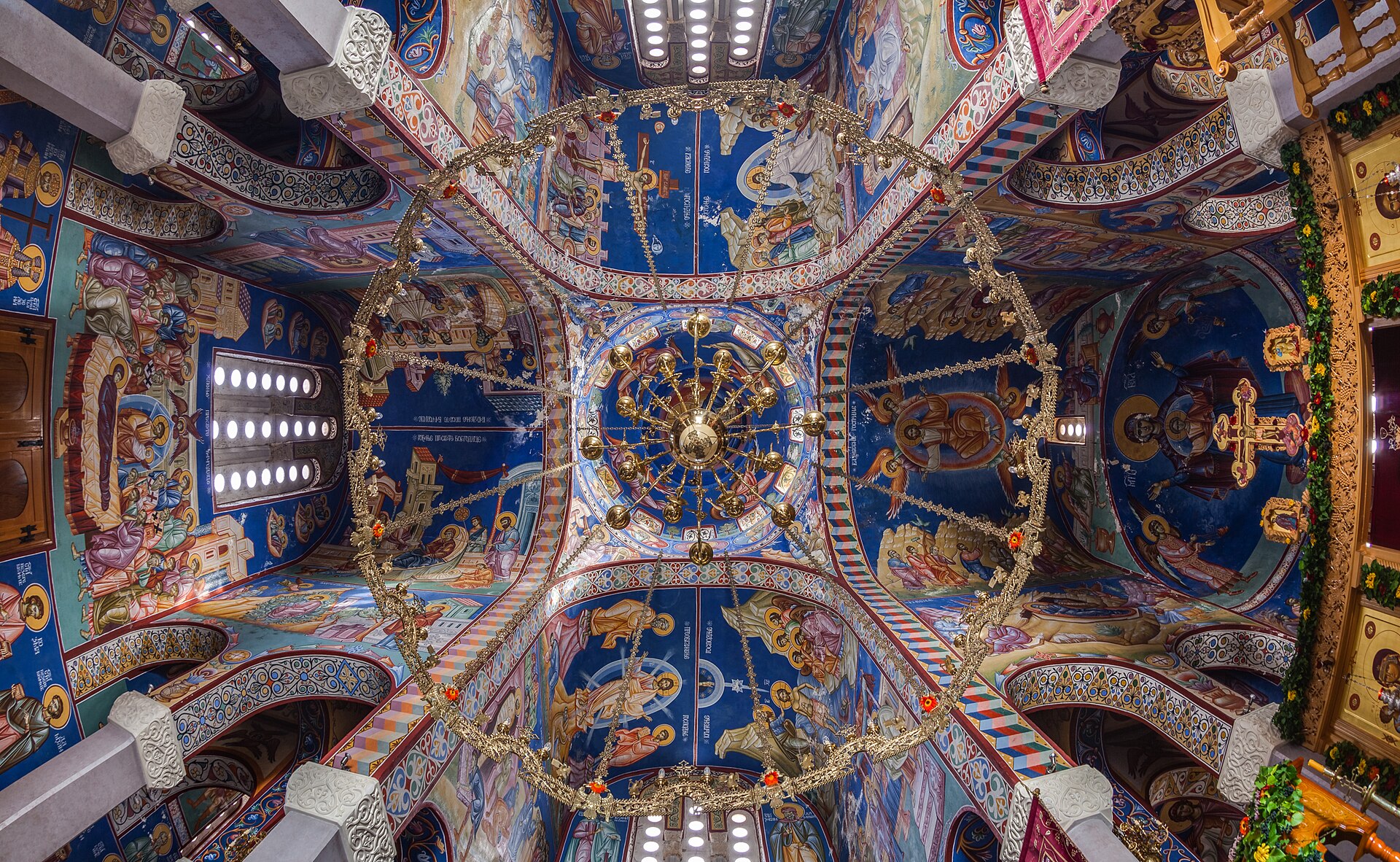
Above the old town, perched on a hill, stands the Hercegovačka Gračanica Monastery, a replica of the famous Gračanica Monastery in Kosovo, built in 2000 with funding from the wider Serbian diaspora. The views from here across the red-roofed city and the distant mountains of Montenegro are impressive. Trebinje is also the centre of Bosnia's wine country — the surrounding hills produce excellent žilavka (white) and vranac (red) wines, and several wineries (Vukoje, Radojčić, and the Tvrdos Monastery) offer tastings and cellar tours.
Local Culture & Food in Trebinje
The Tvrdos Monastery, just 5 km west of town, is one of the oldest Orthodox monasteries in the Balkans (15th century) and produces its own renowned wine. The city's relaxed pace, excellent restaurants serving Herzegovinian specialities, and genuine warmth make it a place where travellers end up staying longer than planned. Trebinje is also an excellent base for day trips to neighbouring Montenegro (Kotor is just 90 minutes away) or to the Adriatic coast. Unlike the tourist crowds of Dubrovnik, Trebinje remains uncrowded, affordable, and deeply authentic.
🗓 Best Time to Visit
April–October (September–October best for wine harvest and mild weather). July and August are hottest (35°C+) but the river breezes keep Trebinje comfortable. Spring (April–May) is ideal for walking tours and cycling. Autumn is the wine harvest season — September and October are magical, with golden light on the stone buildings and grape-picking at the wineries. Winter is mild compared to the rest of Bosnia (10–15°C most days), making it a good winter sun escape. The Trebinje Wine Festival in late September is a highlight of the annual calendar.
🍽 Food & Drink
Trebinje is a food and wine paradise. The local cuisine centres on grilled meats, fresh vegetables, and of course, wine. Restoran Platani ($$, mains 8–14 EUR) on the river serves the best seafood in Herzegovina — try the grilled brancin (sea bass, 12 EUR) or lignje na gradele (grilled squid, 10 EUR). Stara Hercegovina ($$, mains 7–12 EUR) in the old town specialises in traditional dishes under the sac — their janjetina ispod sača (lamb slow-cooked under an iron bell, 14 EUR for two) is exceptional. Konoba Stari Grad ($, mains 5–9 EUR) offers homemade pastas, grilled meats, and local cheese platters (4 EUR). For a wine experience, Vukoje Winery (tastings from 8 EUR per person) offers a tour and tasting of their award-winning žilavka and vranac — book ahead. Tvrdos Monastery Winery (tastings 5 EUR, open daily 09:00–17:00) is a unique setting for a wine tasting in the monastery cellar. Local bakeries serve sirnica (cheese pie) and krompiruša (potato pie) for 1.50–2 EUR. The open market on the main square sells fresh figs, pomegranates, and local honey in season.
🚗 How to Get to Trebinje by Bus, Car & Boat
By car: Trebinje is 30 km from Dubrovnik (Croatia) via the Hum border crossing (30 minutes), making it an easy day trip from the Croatian coast. From Sarajevo, it is 250 km (3.5 hours) via Mostar and the M6/M20. Parking in the old town is limited — use the public car park at the entrance to Stari Grad (1 EUR/hour). By bus: Regular buses from Dubrovnik (30 min, 7–10 EUR, 6 daily), Mostar (2 hours, 10–12 EUR, 3 daily), and Sarajevo (4.5 hours, 15–18 EUR, 2 daily). The bus station is a 10-minute walk from the old town. Getting around: Trebinje is compact and best explored on foot. Taxis cost 1.50 EUR start plus 0.50 EUR/km — to Tvrdos Monastery is 5 EUR. Bike rental is available at several shops (10 EUR/day). A rental car is useful for visiting wineries in the surrounding hills.
🥘 Where to Eat in Trebinje: Authentic Local Cuisine
Trebinje offer some of the best dining in Herzegovina. Restoran Platani ($$, mains 8–14 EUR) on the river is legendary — their grilled sea bass (12 EUR), buzara-style mussels (8 EUR), and homemade pasta with truffles (10 EUR) are outstanding. Stara Hercegovina ($$, mains 7–12 EUR) in the old town square serves traditional dishes from the peka (under the bell) — the veal and potato dish for two (16 EUR) is a feast. Konoba Stari Grad ($, mains 5–9 EUR) is a cosy cellar tavern with excellent grilled meats, local cheeses, and homemade bread. Restoran Platan's ($$, mains 7–11 EUR) near the bridge does wood-fired pizzas and grilled trout. For a wine and tapas experience, Vinoteka Trebinje ($, glasses from 2 EUR) offers flights of local wines with cheese and cured meat boards (6 EUR). Breakfast at the Hotel Platani bakery (fresh bread, pastries, coffee for 3–5 EUR) is the best way to start the day. The local market has fresh figs (1 EUR/kg in season), pomegranates, and homemade rakija.
🏨 Best Hotels in Trebinje
Trebinje offers excellent value accommodation. Hotel Trebinje (4-star, 80–130 EUR/night) is the city's best hotel with a pool, spa, and roof terrace overlooking the old town — book direct for the best rates. Hotel Platani (3-star, 50–80 EUR/night) on the river is a charming boutique option with a renowned restaurant. Guesthouse Stari Grad (40–60 EUR/night) offers beautifully decorated rooms in a 200-year-old stone house in the heart of the old town — the best location. For budget travellers, Hostel Trebinje (12–18 EUR dorm, 30–45 EUR private) is clean and central. Apartments on the Trebišnjica riverbank (30–60 EUR/night) offer kitchens and river views — excellent value for families. Most places include breakfast. Book ahead during the Wine Festival (late September) and summer months.
Find a stay in Trebinje
Compare apartments, guesthouses, and vacation rentals while you finalize your route. Flexible cancellation can help when drive times or border plans change.
Browse stays in Trebinje on Vrbo →Accessibility
- Trebinje is compact and the page describes the old town as best explored on foot; the bus station is a 10-minute walk from Stari Grad.
- By car, the page places Trebinje 30 km from Dubrovnik via the Hum crossing and names a public car park at the entrance to Stari Grad because old-town parking is limited. Confirm current border, parking, and venue arrangements before travelling.
- The page does not guarantee step-free access to the hilltop monastery, bridge, cobbled old town, wineries, or historic interiors; confirm the specific route or operator if needed.
Common Mistakes
- Treating Trebinje only as a Dubrovnik day trip instead of allowing time for the river promenade and evening old-town atmosphere.
- Driving into the limited old-town parking area without checking the public car park and current local signage.
- Planning a winery visit without booking tastings ahead when the page recommends it.
- Arriving in July or August without allowing for temperatures above 35°C.
- Assuming the route to the hilltop monastery has the same walking conditions as the compact old town.
Photography
- Use the Arslanagić Bridge, Trebišnjica River, and platan-lined banks for a sense of Trebinje’s old-town setting.
- Frame Hercegovačka Gračanica above the red-roofed city, or use the vineyards and cellar setting at the wineries for a regional story.
- Ask before photographing people, worshippers, winery staff, or tastings, and follow restrictions inside religious and historic spaces.
- Bosnia and Herzegovina regulates drones — check current registration and flight rules with the Bosnia and Herzegovina Directorate of Civil Aviation (BHDCA) before flying.
Etiquette
- Dress and behave respectfully inside Orthodox monasteries and other religious spaces.
- Keep voices low near services, monastery grounds, and historic interiors.
- Ask before photographing residents, worshippers, winery staff, or diners.
- Stay on public paths and do not enter private vineyard or residential areas.
- Keep the river promenade, old town, and monastery grounds free of litter.
Frequently Asked Questions
When is the best time to visit Trebinje?
April–October (September–October best for wine harvest and mild weather). July and August are hottest (35°C+) but the river breezes keep Trebinje comfortable. Spring (April–May) is ideal for walking tours and cycling. Autumn is the wine harvest seaso
How do I get to Trebinje?
By car: Trebinje is 30 km from Dubrovnik (Croatia) via the Hum border crossing (30 minutes), making it an easy day trip from the Croatian coast. From Sarajevo, it is 250 km (3.5 hours) via Mostar and
How many days do you need in Trebinje?
A visit to Trebinje can be tailored to your interests. Trebinje is Herzegovina's best-kept secret — a sun-drenched Ottoman-era city on the Trebišnjica River that travellers of Most visitors find 1-2 days sufficient to see the main attractions and soak in the atmosphere.
What is Trebinje known for?
Trebinje is Herzegovina's best-kept secret — a sun-drenched Ottoman-era city on the Trebišnjica River that travellers often skip en route to Dubrovnik
Where should I stay in Trebinje?
offers excellent value accommodation. Hotel Trebinje (4-star, 80–130 EUR/night) is the city's best hotel with a pool, spa, and roof terrace overlooking the old town — book direct for the best rates. H
🗺️ Build a route around Trebinje: Add Trebinje to my itinerary. It opens the planner with this stop selected, so you can add nearby places and set the trip length.
Plan your budget
For country-level budget ranges and planning assumptions, see the Balkan travel costs guide.