

Srebrenica
Srebrenica at a Glance
| Country | Bosnia & Herzegovina |
| Region | Eastern Bosnia |
| Known for | The Srebrenica-Potočari Memorial Center and the history it documents |
| Memorial location | Former UN Dutchbat compound at Potočari, 6 km from Srebrenica |
| Memorial cemetery | Over 6,000 identified grave markers |
| Name | From “srebro” (silver), reflecting centuries as a mining centre |
| Surroundings | Forested hills, the Drina River, natural springs, a thermal spa, and hiking trails |
| Best time to visit | July 11 for commemorations; spring and autumn for the surrounding landscape |
| Recommended stay | 1–2 days |
Why Visit Srebrenica
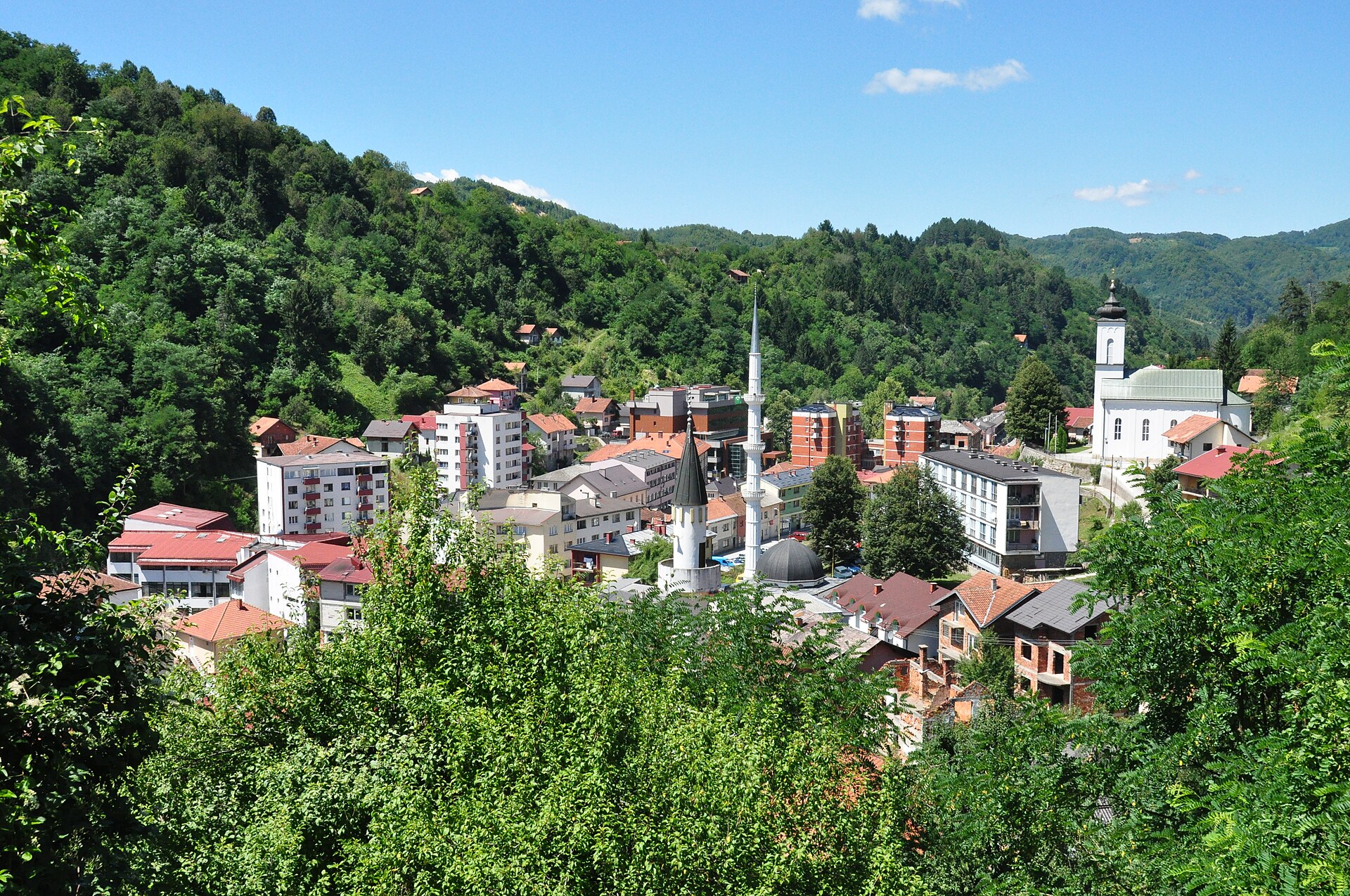
Srebrenica is best approached as a place for reflection, learning, and bearing witness rather than conventional sightseeing. The Srebrenica-Potočari Memorial Center, in the former UN Dutchbat compound at Potočari 6 km from town, combines a cemetery with over 6,000 identified grave markers and a museum documenting July 1995 through personal belongings, documentary footage, a map of mass-grave sites, and a film about the designated 'safe area.' Beyond the memorial, forested hills, the Drina River, natural springs, a thermal spa, and hiking trails give context to the surrounding landscape.
Best Things to Do in Srebrenica
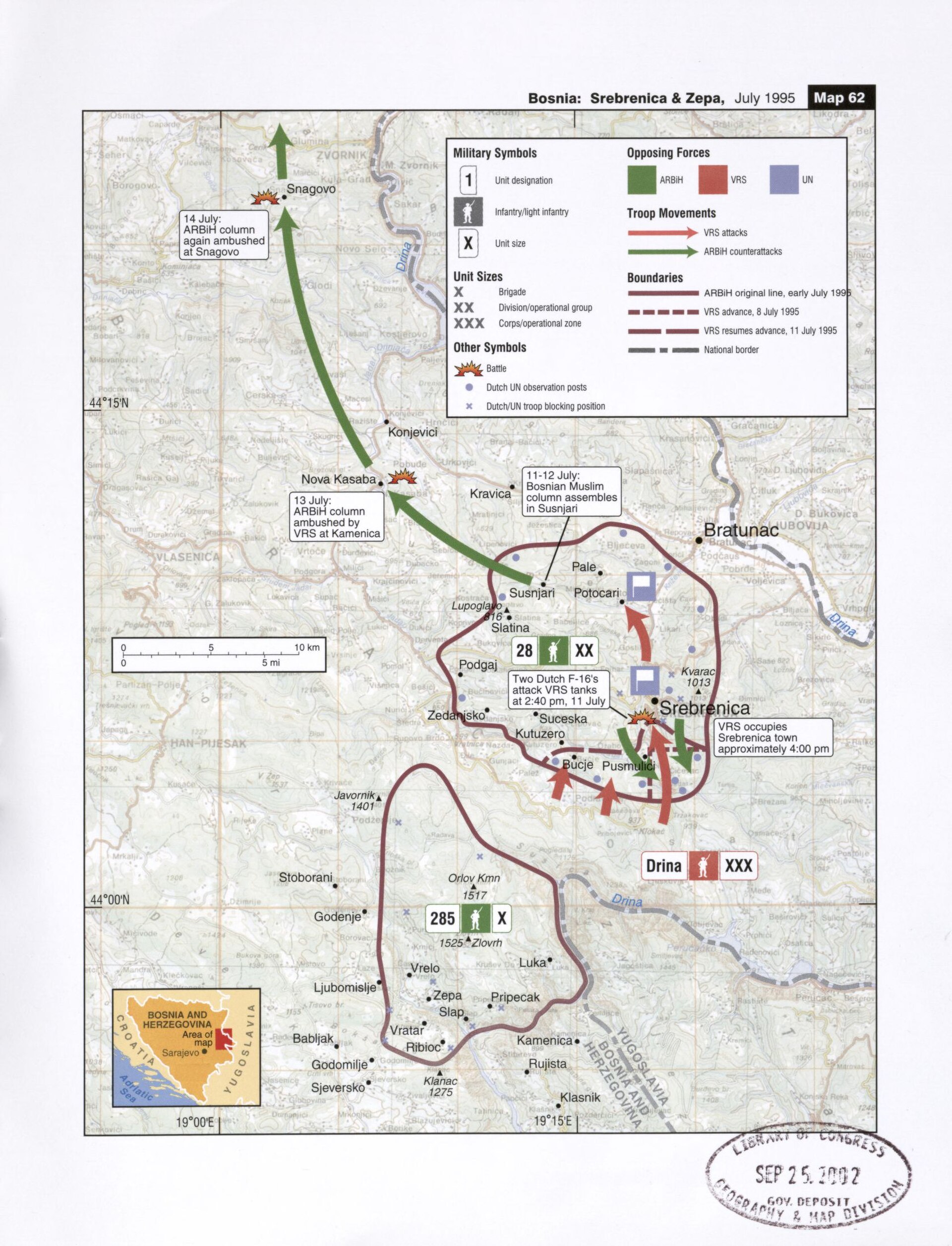
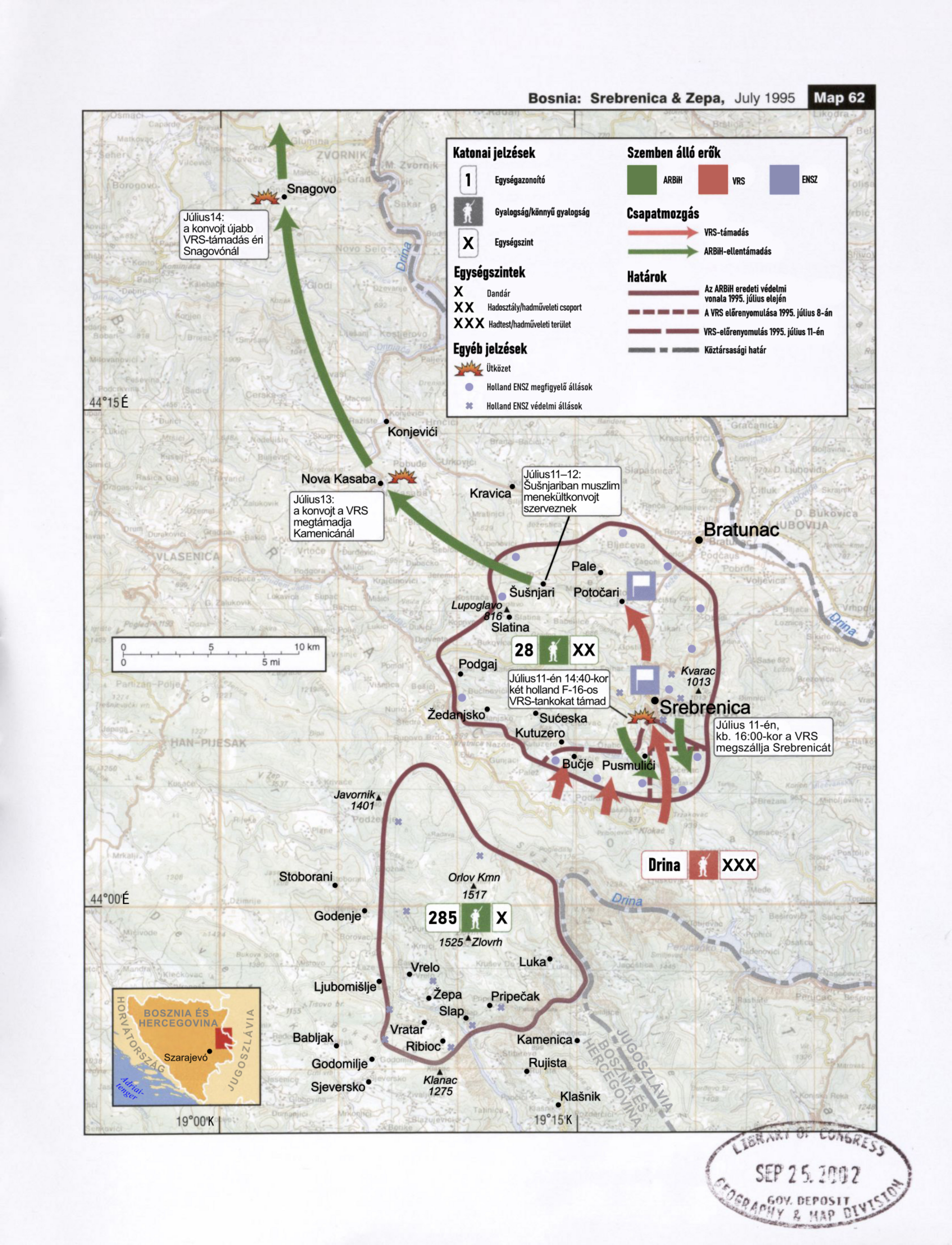
Srebrenica is a small town in eastern Bosnia whose name became synonymous with one of the darkest chapters in modern European history — the genocide of over 8,000 Bosniak men and boys in July 1995, the worst atrocity on European soil since World War II. The Srebrenica-Potočari Memorial Center, located in the former UN Dutchbat compound in Potočari (6 km from town), is a place of profound solemnity and remembrance. The memorial consists of a cemetery containing over 6,000 identified grave markers — stark white headstones that march across the green fields in heart-breaking rows — and a small museum documenting the events of July 1995.
Exploring Srebrenica: Top Attractions & Hidden Gems
The museum exhibits personal belongings of victims, documentary footage, and a map showing the mass grave sites where victims were moved multiple times in an attempt to hide the crime. A short documentary film provides a clear, factual account of the genocide and the failure of the international community to protect the designated 'safe area.' The annual commemoration on July 11, when newly identified victims are buried, draws thousands of survivors, diplomats, and dignitaries. Beyond the memorial, Srebrenica town has a longer history worth acknowledging — its name derives from 'srebro' (silver), reflecting its centuries as a mining centre.
Local Culture & Food in Srebrenica
The town is surrounded by forested hills and sits near the Drina River; there are natural springs, a small thermal spa facility, and hiking trails in the surrounding countryside. Visiting Srebrenica is not a conventional tourist experience — it is a pilgrimage into recent memory, a place for reflection, learning, and bearing witness. The nearby town of Bratunac has several restaurants and basic accommodation. The drive from Sarajevo takes approximately 3 hours through beautiful but winding mountain roads.
🗓 Best Time to Visit
July 11 for commemorations. Bosnia experiences warm summers and cold, snowy winters. Spring (April-May) brings green landscapes and waterfalls at full flow. Autumn (September-October) offers harvest season with excellent local produce. Winter is perfect for skiing at Jahorina and Bjelašnica.
🍽 Food & Drink
Eating in Srebrenica is about atmosphere too - historic stone buildings house traditional restaurants serving family recipes. Local dishes include ćevapi (grilled minced meat sausages served in flatbread with onions), burek (phyllo pastry filled with meat, cheese, or spinach), bosanski lonac (slow-cooked meat and vegetable stew), dolma (stuffed grape leaves), and sogan-dolma (stuffed onions). For drinks, try bosanska kahva (Bosnian coffee served with a sugar cube and rahat lokum) and local wines from Herzegovina.
🚗 How to Get to Srebrenica by Bus, Car & Boat
By car: Well-connected by regional roads. Parking is available on the outskirts. By bus: Regular bus services from the nearest cities. Walking: Srebrenica is compact and best explored on foot. Taxis are affordable (€1-2 start, ~€0.50/km). Cities are walkable, with local buses for longer trips. Moje Voznje app helps with public transport. Tram and trolleybus networks operate in Sarajevo.
🥘 Where to Eat in Srebrenica: Authentic Local Cuisine
While Srebrenica itself may not have extensive dining options, the nearby towns and villages offer excellent restaurants serving traditional regional cuisine. Many historical sites have a cafe or snack bar for light refreshments, but the real culinary experiences await in the surrounding settlements. Look for traditional konobe (taverns) and family-run restaurants where recipes have been passed down through generations. These establishments often use ingredients sourced from local farms and producers — fresh cheeses, cured meats, seasonal vegetables, and artisan breads. For a memorable experience, book a table at a restaurant with views overlooking the historical site, especially at sunset when the ancient stones glow golden. Local wineries near archaeological sites often offer tastings paired with regional specialties. Pack a picnic to enjoy on the grounds of the site itself — there's something special about eating surrounded by millennia of history.
🏨 Best Hotels Near Srebrenica
Accommodation options vary by season and location. Book ahead for summer weekends and major local events.
Find a stay in Srebrenica
Compare apartments, guesthouses, and vacation rentals while you finalize your route. Flexible cancellation can help when drive times or border plans change.
Browse stays in Srebrenica on Vrbo →Accessibility
Srebrenica is compact and best explored on foot, but the memorial is in Potočari, 6 km from town. The page does not specify step-free routes or dedicated accessible facilities, so confirm current arrangements with the Memorial Center before travel.
- Town and memorial: Walking suits the compact town, while a separate journey is needed for the memorial in Potočari.
- Arrival: Regional roads connect Srebrenica, parking is available on the outskirts, and regular bus services run from the nearest cities. Taxis are described on the page as affordable.
- Time on site: Allow at least 2–3 hours for the memorial center and cemetery rather than rushing the visit.
- Guided context: An English guided tour is available and can provide deeper insight into the events documented by the museum.
Common Mistakes
- Approaching it as conventional sightseeing. Srebrenica is a place for reflection, learning, and bearing witness, so allow the visit a respectful pace.
- Confusing Srebrenica with Potočari. The memorial center is in the former UN Dutchbat compound at Potočari, 6 km from town.
- Skipping the museum context. The documentary, personal belongings, documentary footage, and mass-grave map provide essential context for the memorial.
- Photographing in the museum. The existing page guidance asks visitors to refrain from museum photos.
- Arriving for July 11 without planning. The annual commemoration draws large crowds, so accommodation should be booked months in advance.
- Underestimating the Sarajevo drive. The journey takes approximately 3 hours on winding roads, not a quick detour.
Photography
Photography restrictions and visitor conduct are governed by the existing page's guidance: refrain from photos in the museum, dress modestly, and speak quietly. For landscape images, keep the focus on the forested hills, the Drina River, natural springs, the thermal spa, and hiking trails rather than treating the memorial as a casual backdrop. Drone note: Bosnia regulates drones — check current registration and flight rules with the Bosnia and Herzegovina Directorate of Civil Aviation (BHDCA) before flying.
Day Trips
Sarajevo. Sarajevo is approximately 3 hours from Srebrenica via winding mountain roads, so it works best as a separate travel leg rather than a short detour. Read the Sarajevo guide →
Etiquette
In Bosnia, respectful memorial etiquette is often quiet and restrained. These practices reflect the existing page's guidance:
- Dress modestly. Modest clothing is often appropriate for the memorial, cemetery, and museum.
- Keep voices low. Speaking quietly is customary in this place of remembrance.
- Respect photography guidance. Refraining from photos in the museum is common visitor conduct here.
- Let the visit be reflective. Treating Srebrenica as a place for learning, reflection, and bearing witness is more appropriate than conventional sightseeing.
- Plan around July 11. The annual commemoration draws thousands of survivors, diplomats, and dignitaries; book accommodation months in advance if visiting then.
Frequently Asked Questions
When is the best time to visit Srebrenica?
July 11 for commemorations. Bosnia experiences warm summers and cold, snowy winters. Spring (April-May) brings green landscapes and waterfalls at full flow. Autumn (September-October) offers harvest season with excellent local produce. Winter is perfect for skiing at Jahorina and Bjelašnica.
How do I get to Srebrenica?
By car: Well-connected by regional roads. Parking is available on the outskirts. By bus: Regular bus services from the nearest cities. Walking: Srebrenica is compact and best explored on foot. Taxis are affordable (€1-2 start, ~€0.50/km). Cities are walkable, with local buses for longer trips. Moje Voznje app helps with public transport.
How many days do you need in Srebrenica?
A visit to Srebrenica can be tailored to your interests. Srebrenica is a small town in eastern Bosnia whose name became synonymous with one of the darkest chapters in modern European history — the genocide of over 8,000 Bosniak men and boys in July 1995, th.
What is Srebrenica known for?
Srebrenica is a small town in eastern Bosnia whose name became synonymous with one of the darkest chapters in modern European history — the genocide of over 8,000 Bosniak men and boys in July 1995, the worst atrocity on European soil since World War II.
Where should I stay in Srebrenica?
While Srebrenica itself is primarily a heritage attraction, the nearest town or city offers a range of accommodation options to suit every budget. Look for hotels and guesthouses that provide easy access to the site — many offer shuttle services or are within walking distance.
🗺️ Build a route around Srebrenica: Add Srebrenica to my itinerary. It opens the planner with this stop selected, so you can add nearby places and set the trip length.
Plan your budget
For country-level budget ranges and planning assumptions, see the Balkan travel costs guide.