
Travnik
Travnik at a Glance
| Country | Bosnia & Herzegovina |
| Region | Valley between Mount Vlašić and Mount Vilenica, a detour from the main Mostar–Sarajevo route |
| Currency | Convertible mark (KM/BAM) — Bosnia and Herzegovina uses the convertible mark, not the euro |
| Language | Bosnian |
| Known for | Ottoman vizier capital (1699–1851) with two clock towers (sahat kule) |
| Best time to visit | May–September |
| Recommended stay | 1–2 days |
Why Visit Travnik
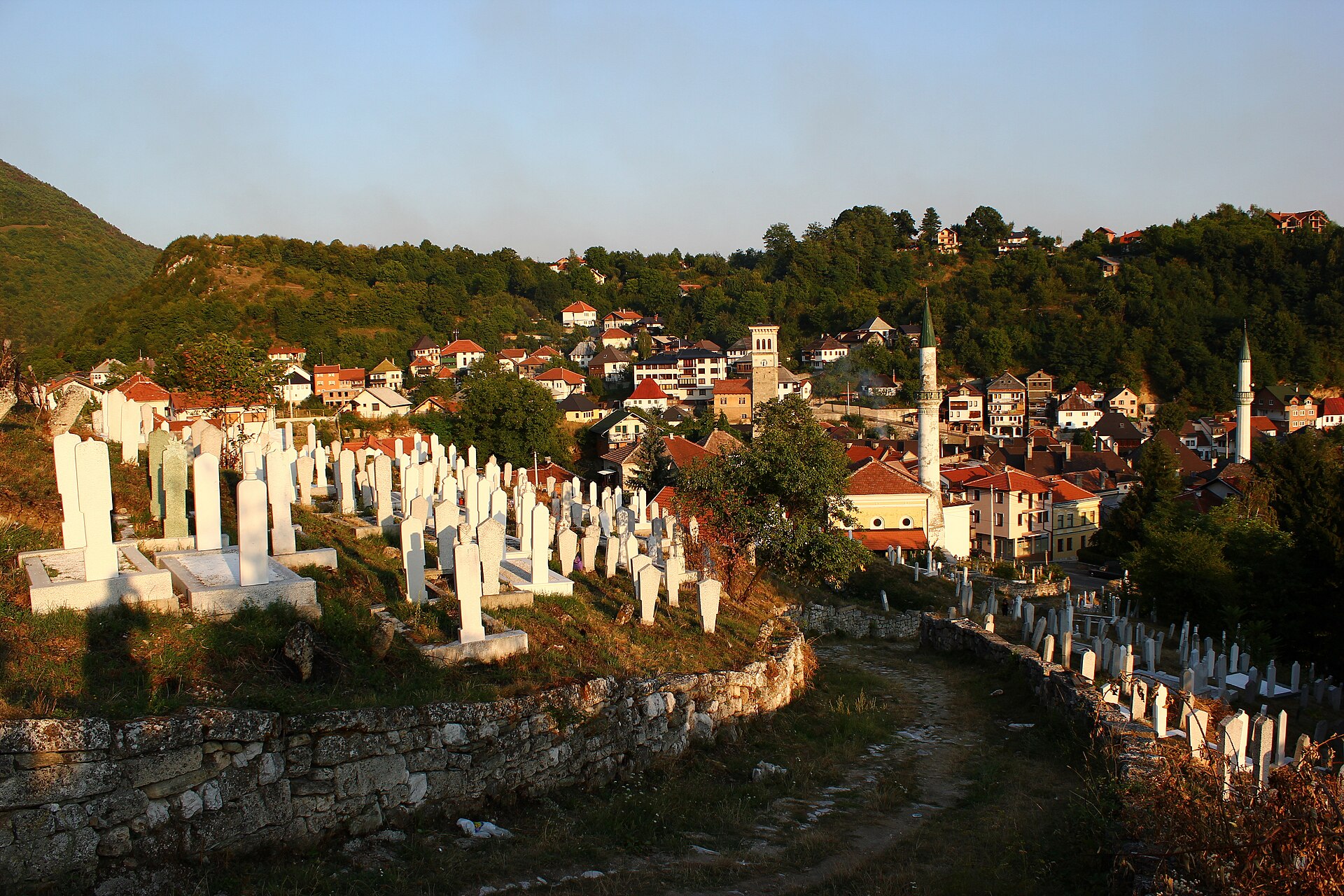
Travnik was the capital of the Ottoman province of Bosnia for over a century (1699–1851), and that imperial past is still written across the old town: two clock towers, the Colourful Mosque's painted floral decorations, and a fortress crowning the hill above it all. The town sits in a valley between Mount Vlašić and Mount Vilenica with the Plava Voda spring running through it, and it claims to be the birthplace of ćevapi. It receives far fewer visitors than it deserves, which makes it an authentic and unhurried stop well worth a detour from the main Mostar–Sarajevo route.
Best Things to Do in Travnik
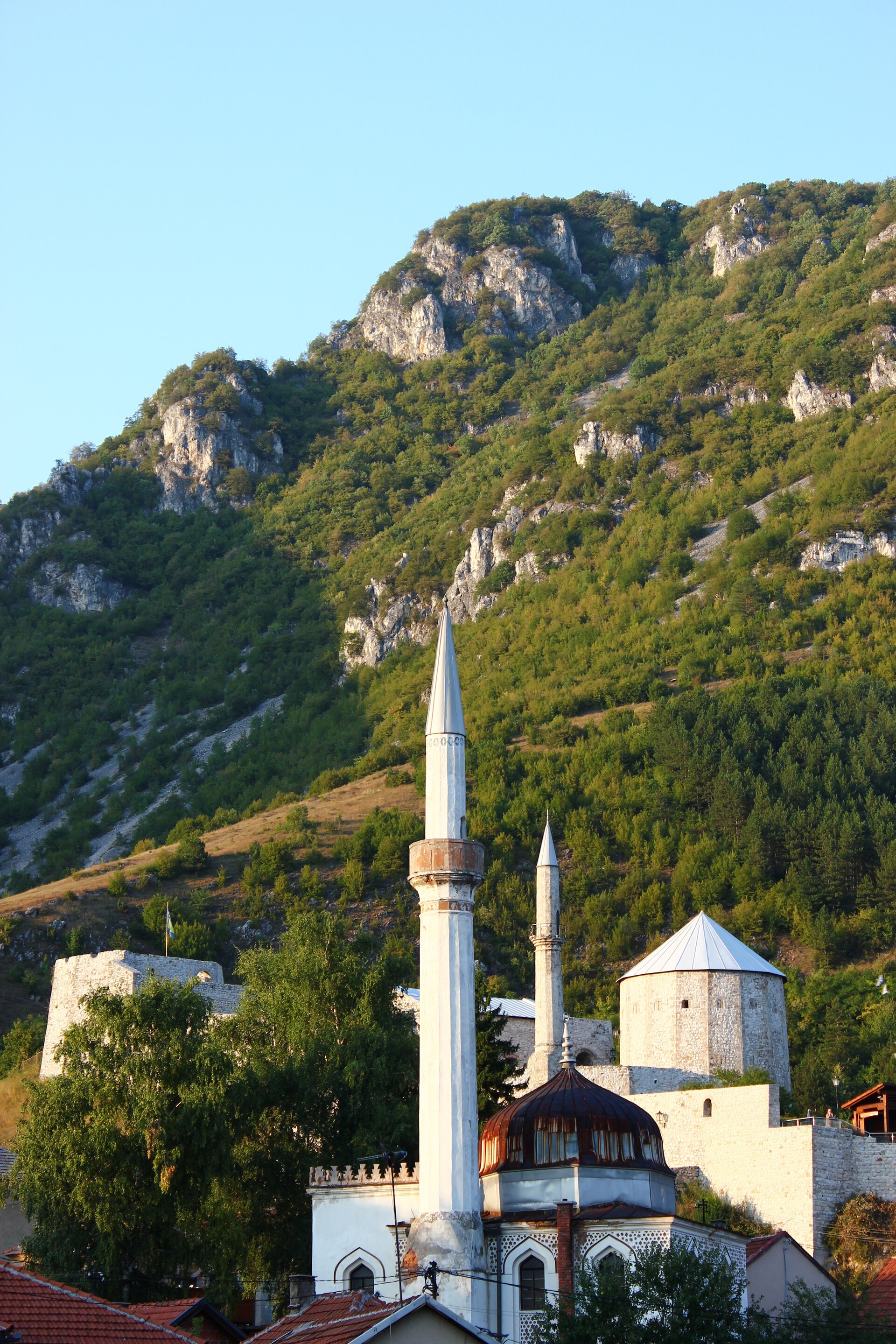
Travnik — the 'City of Viziers' — was the capital of the Ottoman province of Bosnia for over a century (1699–1851), and its atmospheric old town still bears the elegant mark of its imperial past. located in a valley between Mount Vlašić and Mount Vilenica, with the clear waters of the Plava Voda (Blue Water) spring flowing through town, Travnik offers one of the most complete Ottoman urban experiences in Bosnia. The town features two remarkable clock towers (sahat kule) — one in the old town and one at the Sulejmanija Mosque complex — and several beautifully restored mosques, including the Colourful Mosque (Šarena Džamija) with its painted floral decorations.
Exploring Travnik: Top Attractions & Hidden Gems
Travnik Fortress crowns the hill above the old town, offering panoramic views of the valley and a small museum of the town's history. This is also the birthplace of Ivo Andrić, Yugoslavia's only Nobel Prize laureate in literature (1961), whose childhood home is a museum. Travnik claims to be the birthplace of Ćevapi — the beloved Balkan grilled meat dish — and the town's ćevabdžinicas are fiercely proud of their tradition.
Local Culture & Food in Travnik
The Plava Voda spring and park at the western edge of town is a peaceful spot for a stroll, and nearby Mount Vlašić offers hiking in summer and skiing in winter. Travnik is also famous for Travnik cheese (Travnički sir) — a crumbly white cheese made from sheep's milk that is a protected Bosnian speciality. The town receives far fewer visitors than it deserves, making it a wonderfully authentic and unhurried destination well worth the detour from the main Mostar–Sarajevo route.
🗓 Best Time to Visit
May–September (summer for mountain hikes). Bosnia experiences warm summers and cold, snowy winters. Spring (April-May) brings green landscapes and waterfalls at full flow. Autumn (September-October) offers harvest season with excellent local produce. Winter is perfect for skiing at Jahorina and Bjelašnica.
🍽 Food & Drink
Eating in Travnik is about atmosphere too - historic stone buildings house traditional restaurants serving family recipes. Local dishes include ćevapi (grilled minced meat sausages served in flatbread with onions), burek (phyllo pastry filled with meat, cheese, or spinach), bosanski lonac (slow-cooked meat and vegetable stew), dolma (stuffed grape leaves), and sogan-dolma (stuffed onions). For drinks, try bosanska kahva (Bosnian coffee served with a sugar cube and rahat lokum) and local wines from Herzegovina.
🚗 How to Get to Travnik by Bus, Car & Boat
By car: Well-connected by regional roads. Parking is available on the outskirts. By bus: Regular bus services from the nearest cities. Walking: Travnik is compact and best explored on foot. Taxis are affordable (€1-2 start, ~€0.50/km). Cities are walkable, with local buses for longer trips. Moje Voznje app helps with public transport. Tram and trolleybus networks operate in Sarajevo.
🥘 Where to Eat in Travnik: Authentic Local Cuisine
Travnik has a varied dining scene mixing traditional restaurants with international options and trendy cafes. The main pedestrian streets and central squares are where you'll find the highest concentration of restaurants, but venturing into residential neighborhoods often rewards you with more authentic and affordable meals. Local bakeries and street food stalls are perfect for quick bites — try regional specialties like savory pies, grilled meats, and fresh pastries. For a proper sit-down meal, look for restaurants that specialize in regional cuisine, where the menu changes with the seasons and ingredients come from local producers. Wine bars and gastro pubs have been growing in popularity, offering curated selections of local wines and creative small plates. The local market is an excellent spot for lunch, with food stalls serving freshly prepared dishes at reasonable prices. Many restaurants offer business lunch specials on weekdays — the most affordable way to sample quality local cooking.
🏨 Best Hotels in Travnik
Travnik has accommodation across all budgets, from boutique hotels to hostels and private apartments. For a more local experience, consider staying in residential neighborhoods where family-run guesthouses offer hospitality and homemade breakfasts for less than in the center. Mid-range hotels typically include breakfast and offer excellent value, with many featuring rooftop terraces, wellness areas, and on-site restaurants. Business hotels cater to professionals but often offer weekend discounts for leisure travelers. For extended stays, serviced apartments with kitchenettes provide flexibility and space. Most centrally located hotels put you within walking distance of the main attractions, restaurants, and public transport links.
Find a stay in Travnik
Compare apartments, guesthouses, and vacation rentals while you finalize your route. Flexible cancellation can help when drive times or border plans change.
Browse stays in Travnik on Vrbo →Accessibility
Travnik is a compact old town built on a valley hillside, so plan around these realities:
- Compact and walkable: Travnik is best explored on foot — the main sights sit close together in the old town.
- Cobbled streets: the old town's streets are largely cobbled and uneven in places; confirm your comfort with the surfaces before planning a long walking day.
- Hillside to the fortress: the Travnik Fortress crowns the hill above the old town, so the walk up is a steady climb with panoramic valley views at the top. Confirm step-free routes and path conditions if you have limited mobility.
- Parking on the outskirts: parking is available on the outskirts of town, which means a walk into the centre from wherever you leave the car.
- Mosques: entry rules and hours for the Colourful Mosque and the Sulejmanija Mosque complex can change — confirm current visiting conditions on site before planning around them.
Common Mistakes
- Confusing the two clock towers. Travnik has two sahat kule — one in the old town and one at the Sulejmanija Mosque complex. Don't tick off "the clock tower" after seeing just one.
- Expecting euros instead of KM. Bosnia and Herzegovina uses the convertible mark (KM/BAM), not the euro. Have KM on hand for markets, bakeries, and small ćevabdžinicas.
- Underestimating the mountain weather on Vlašić. Mount Vlašić, 20 km north, offers hiking in summer and skiing in winter — conditions change fast at altitude, so carry layers even when the valley is warm.
- Leaving weekend parking to the last minute. Parking is on the outskirts of town, and spaces are tightest on weekends — plan to park out and walk in rather than circling the centre.
- Skipping the mosque dress code. When visiting the Colourful Mosque and the Sulejmanija Mosque complex, dress modestly (shoulders and knees covered), and confirm the current entry rules on site.
- Skipping the fortress orientation. Start at the Travnik Fortress for views over the valley and the museum of the town's history, then walk downhill through the old town.
Photography
The Travnik Fortress is the classic viewpoint — it crowns the hill above the old town and gives panoramic frames over the valley, best in the late-afternoon light. The Colourful Mosque's painted floral decorations reward close-up detail shots, and the two clock towers make strong vertical subjects against the sky, one in the old town and one at the Sulejmanija Mosque complex. The Plava Voda spring and park at the western edge of town is a calm morning spot with the spring's clear water in the frame. Drone note: Bosnia and Herzegovina regulates drones — check current registration and flight rules with the Bosnia and Herzegovina Directorate of Civil Aviation (BHDCA) before flying.
Day Trips
Travnik is compact and best explored on foot, with parking on the outskirts and taxis from about €1-2 (start, then ~€0.50/km) — a workable base if you want to see more of central Bosnia from one spot.
- Sarajevo: the capital is on the main Mostar–Sarajevo route that Travnik sits as a detour off, so it makes a realistic day trip. The old bazaar quarter of Baščaršija, the Gazi Husrev-bey complex, and the city's museums and coffee houses are the usual priorities — the Sarajevo guide has the detail.
- Jajce and its waterfall: Jajce's famous waterfall drops right in the middle of town, which is what most day-trippers come to see, along with the old town around it. Water levels and visiting conditions vary through the year, so check on site — the Jajce guide covers what to prioritise.
- Mount Vlašić: 20 km north of Travnik, Vlašić offers hiking in summer and skiing in winter — conditions change fast at altitude, so carry layers even when the valley is warm. There is no separate guide page for Vlašić yet, so check current trail and lift conditions locally before you set out.
- Mostar: further afield on the same route, Mostar is a longer but doable day trip. The Old Bridge and its divers, the old town streets, and the bazaar are the draw — the Mostar guide covers the essentials.
Etiquette
A few practical notes on Bosnia and Herzegovina — most are common sense, but they help you land well with locals.
- Money: the convertible mark (KM/BAM) is the currency — not the euro. Markets, bakeries, and small ćevabdžinicas customarily expect cash in KM, so keep some handy rather than relying on cards.
- Coffee culture: Bosnian coffee (bosanska kahva) is a social ritual, customarily served with a sugar cube and rahat lokum. It is common to sit and take your time over it; lingering is part of the point, not a signal to leave.
- Mosque visits: at the Colourful Mosque and the Sulejmanija Mosque complex, modest dress (shoulders and knees covered) is customarily expected, and entry rules can change — confirm the current conditions on site.
- Greetings: a handshake is the common greeting between people meeting for the first time, often followed by first names once you are introduced. A simple "dobar dan" (good day) goes a long way.
- Hospitality: when invited into a home or shop, being offered coffee or a drink is common — politely accepting, or at least trying it, is usually appreciated. Removing shoes at the door is common practice in homes.
- Tipping: rounding up the bill or leaving around 10% in restaurants is common and appreciated, though never obligatory; in bakeries and market stalls it is not expected.
- Photography: asking before photographing people directly is common courtesy, especially in mosques and smaller towns.
Frequently Asked Questions
When is the best time to visit Travnik?
May–September (summer for mountain hikes). Bosnia experiences warm summers and cold, snowy winters. Spring (April-May) brings green landscapes and waterfalls at full flow. Autumn (September-October) offers harvest season with excellent local produce. Winter is perfect for skiing at Jahorina and Bjelašnica.
How do I get to Travnik?
By car: Well-connected by regional roads. Parking is available on the outskirts. By bus: Regular bus services from the nearest cities. Walking: Travnik is compact and best explored on foot. Taxis are affordable (€1-2 start, ~€0.50/km). Cities are walkable, with local buses for longer trips. Moje Voznje app helps with public transport.
How many days do you need in Travnik?
A visit to Travnik can be tailored to your interests. Travnik — the 'City of Viziers' — was the capital of the Ottoman province of Bosnia for over a century (1699–1851), and its atmospheric old town still bears the elegant mark of its imperial past.
What is Travnik known for?
Travnik — the 'City of Viziers' — was the capital of the Ottoman province of Bosnia for over a century (1699–1851), and its atmospheric old town still bears the elegant mark of its imperial past.
Where should I stay in Travnik?
Travnik has accommodation across all budgets, from boutique hotels to hostels and private apartments. For a more local experience, consider staying in residential neighborhoods where family-run guesthouses offer hospitality and homemade breakfasts for less than in the center.
🗺️ Build a route around Travnik: Add Travnik to my itinerary. It opens the planner with this stop selected, so you can add nearby places and set the trip length.
Plan your budget
For country-level budget ranges and planning assumptions, see the Balkan travel costs guide.