
Sutjeska National Park
Sutjeska National Park at a Glance
| Country | Bosnia and Herzegovina |
| What it is | Bosnia and Herzegovina's oldest national park, established in 1962, and its largest |
| Area | 17,500 hectares |
| Protected forest | Perućica, a 1,434-hectare virgin forest reserve; guided tours only |
| Highest peak | Maglić, 2,386 m — Bosnia's highest peak |
| Best time to visit | June–September; spring brings full-flow waterfalls, while autumn brings foliage and fewer crowds |
| Recommended stay | 1–2 days |
Why Visit Sutjeska National Park
Sutjeska brings together Bosnia and Herzegovina's oldest and largest national park, a 17,500-hectare protected landscape, and the Perućica virgin forest reserve. A short visit can pair easy riverside walks or the Skakavac viewpoint with the Tjentište War Memorial, while experienced hikers can plan for Maglić and multi-day routes. It is a remote, low-service park: accommodation is limited, a car is essential, and higher trailheads may need 4WD.
Best Things to Do in Sutjeska National Park
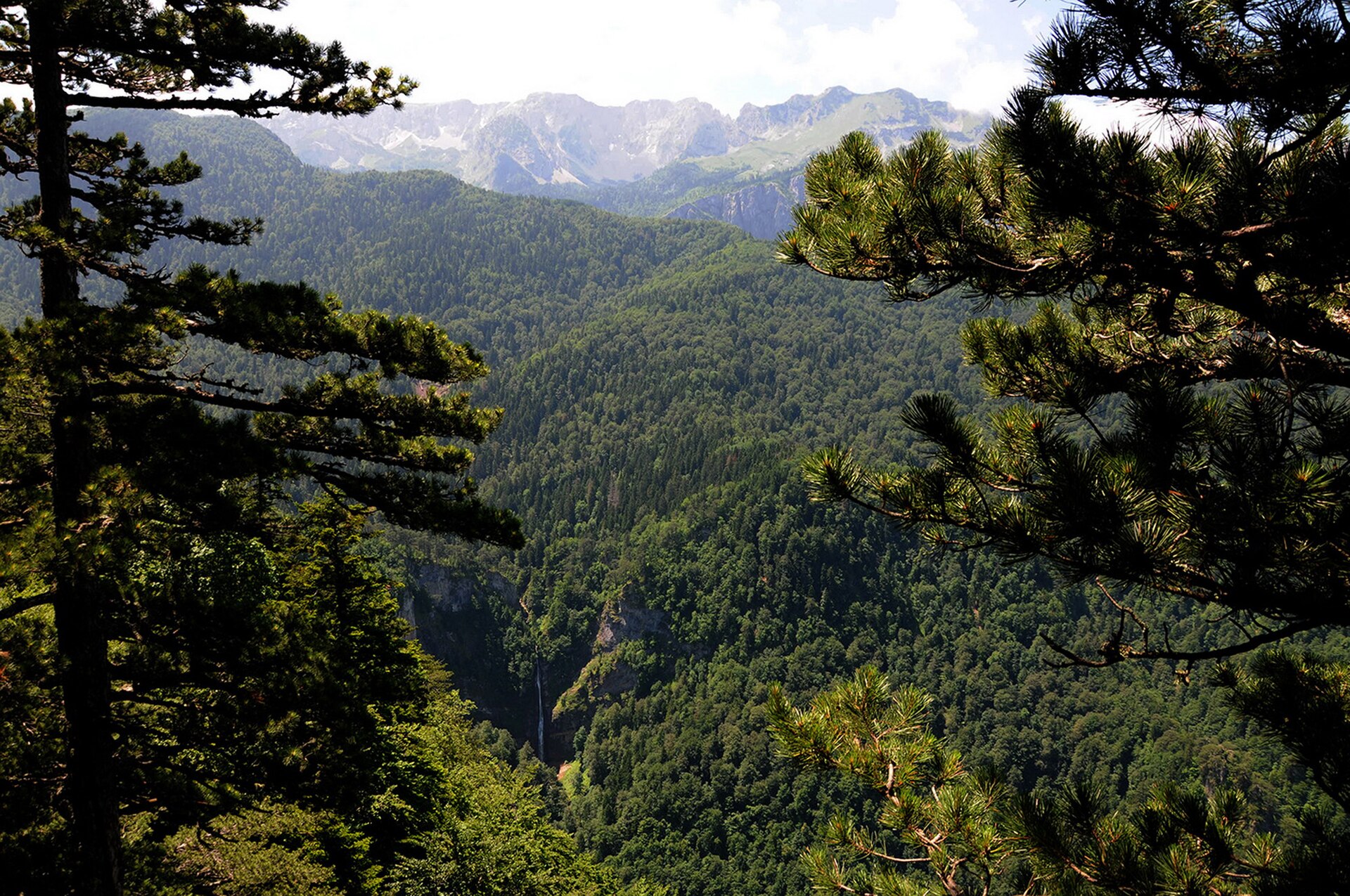
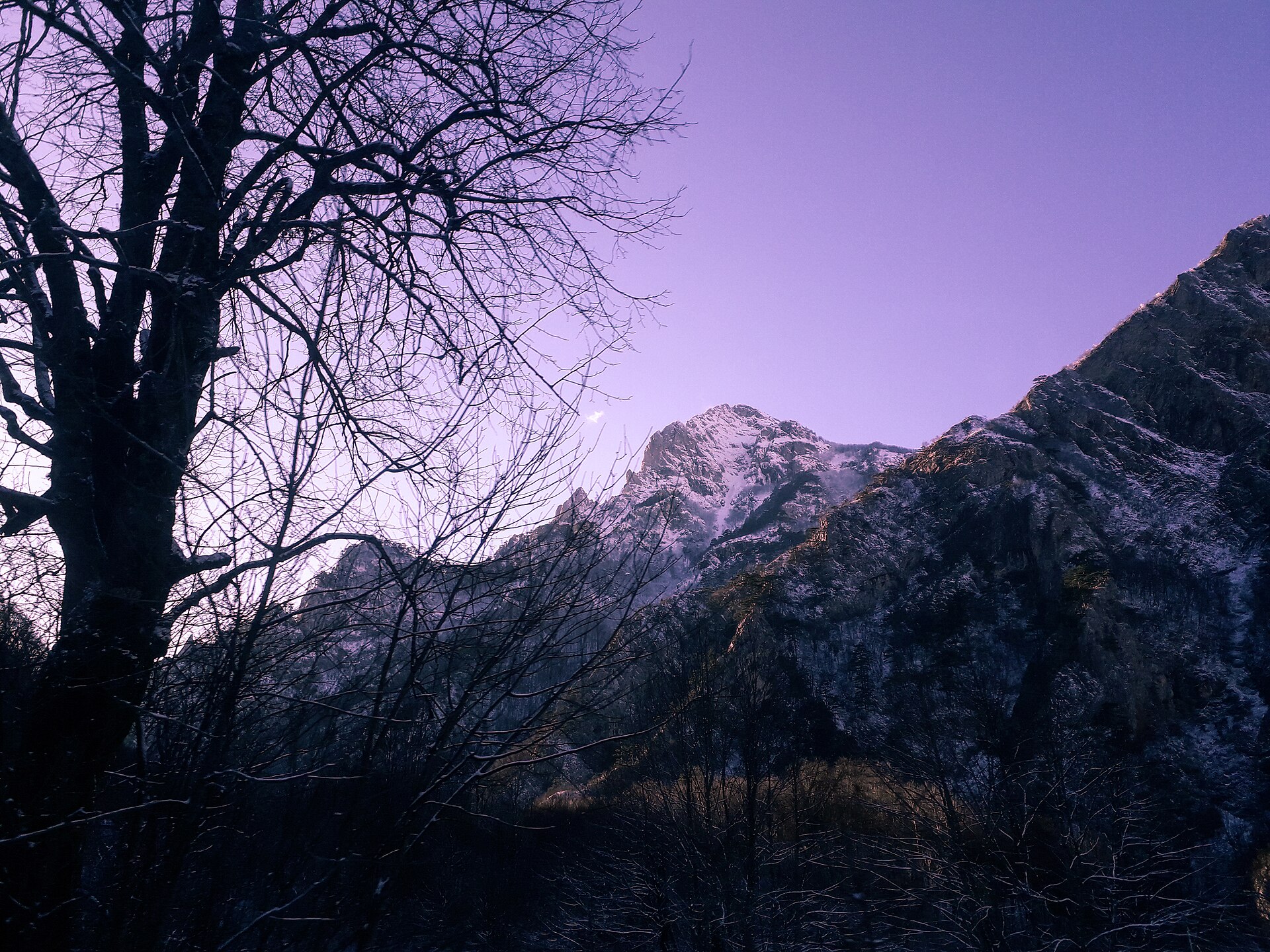
Sutjeska National Park is Bosnia and Herzegovina's oldest (established 1962) and largest national park, a vast wilderness of 17,500 hectares that protects the country's most dramatic mountain scenery and one of Europe's last remaining primeval forests. At the park's heart lies Perućica, a 1,434-hectare virgin forest reserve that has never been logged or disturbed by humans — a living museum of European woodland where trees reach heights of 60 metres and some are over 300 years old. Access to Perućica is by guided tour only, ensuring this pristine ecosystem remains untouched. The park also encompasses Maglić (2,386 m), Bosnia's highest peak, which rewards experienced hikers with impressive views across the border into Montenegro.
Exploring Sutjeska National Park: Top Attractions & Hidden Gems
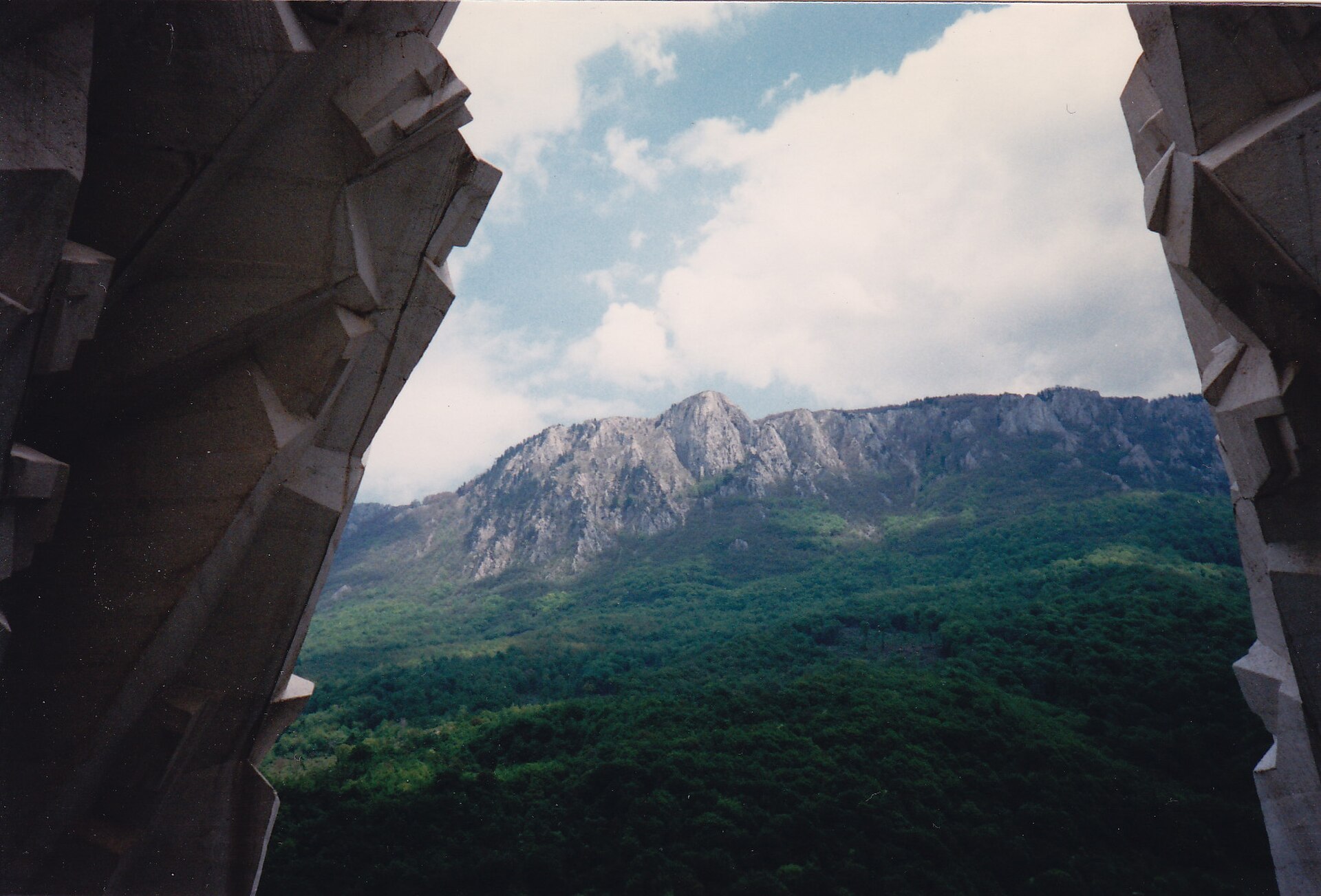
The Skakavac Waterfall plunges 75 metres over a sheer cliff within the Perućica reserve, visible from viewpoints along the hiking trails. The Sutjeska River has carved a deep, dramatic canyon through limestone, creating a landscape of remarkable beauty. History hangs heavy here too — the Tjentište War Memorial, a towering concrete sculpture complex, commemorates the 1943 Battle of Sutjeska, a pivotal engagement of World War II where Tito's Partisans broke through Axis encirclement. The memorial site includes a small museum.
Local Culture & Food in Sutjeska National Park
The park offers a network of hiking trails ranging from easy riverside walks to multi-day expeditions. Wildlife includes brown bears, wolves, chamois, and over 100 species of birds. This is wild, untamed Bosnia — far from any city lights, where the night sky blazes with stars. Accommodation within the park is limited to the Hotel Sutjeska and a few mountain huts, so advance booking is essential.
🗓 Best Time to Visit
June–September (July–August for peak hiking). Spring (April-May) brings waterfalls at full flow and wildflower meadows. Autumn (September-October) offers spectacular golden foliage, crisp hiking conditions, and fewer crowds — possibly the best season for photographers. Winter (November–March) brings snow that blocks higher trails; the park is open but access is limited to lower elevations. The Tjentište area gets very cold in winter with temperatures dropping to -15°C at night.
🍽 Food & Drink
Pack a picnic — the park has limited dining. Hotel Sutjeska has a restaurant serving hearty Bosnian fare: grilled meats, trout, stews, and local cheeses (mains 6–12 EUR). Their domaći hljeb (homemade bread) and kajmak (creamy dairy spread) are excellent. Konoba Tjentište, a rustic tavern just outside the park entrance, serves bosanski lonac (5 EUR), grilled ćevapi (4 EUR), and fresh trout from the Sutjeska River (7 EUR). For drinks, try the local Kozara beer or šljivovica (plum rakija). Bring a reusable water bottle — there are natural spring water fountains at the park entrance and at several trailheads. Stock up on supplies in Foča (20 km north), which has a supermarket and bakeries.
🚗 How to Get to Sutjeska National Park by Bus, Car & Boat
By car: A car is essential — Sutjeska is 100 km southeast of Sarajevo (2 hours via M18/Šćepan Polje road, or 2.5 hours via Foča). From Foča, the park entrance is 20 km south on a winding road. Parking is free at the Tjentište visitor centre. By bus: One daily bus from Sarajevo to Foča (2.5 hours, 8–10 EUR), then a taxi from Foča to the park entrance (20 km, 15–20 EUR). By tour: Several Sarajevo tour operators offer day trips to Sutjeska (from 50 EUR per person, including transport and guide). Getting around inside the park: The Perućica trail starts at the park entrance and is a 6 km walk each way to the Skakavac viewpoint. A 4WD vehicle is recommended for higher trailheads like Maglić and Zelengora, though the main road is paved to Tjentište.
🥘 Where to Eat in Sutjeska National Park: Authentic Local Cuisine
Sutjeska National Park inside the park are limited but satisfying. Hotel Sutjeska's restaurant ($$, mains 6–12 EUR) serves grilled meats, trout from the Sutjeska River, and hearty stews — their jagnjetina ispod sača (lamb under the iron bell, 12 EUR) is a must-order with 24-hour advance notice. Konoba Tjentište ($, mains 4–8 EUR) just outside the park entrance offers ćevapi (4 EUR), trout (7 EUR), and local cheese platters (5 EUR). In Foča, Restoran Foca ($$, mains 5–10 EUR) serves excellent grilled meats, including veal under the sac and mixed grilled platters. Pekara Foča sells burek (2 EUR) and fresh bread for hiking provisions. The park entrance has a small shop selling drinks, snacks, and basic supplies — but stock up in Foča before entering.
🏨 Best Hotels in Sutjeska National Park
Sutjeska National Park near Sutjeska are limited — book well ahead. Hotel Sutjeska (3-star, 50–80 EUR/night, closed in winter) is the only accommodation inside the park, located at Tjentište. Rooms are basic but clean with private bathrooms; the restaurant serves good local food. For mountain huts, Dom na Zelengori (dorm bed 15 EUR, private 30 EUR) is a basic mountain lodge on the Zelengora plateau, perfect for hikers — bring a sleeping bag. In Foča, Hotel Emporium (3-star, 35–60 EUR/night) and Motel Foča (30–50 EUR/night) offer more comfortable options 20 km north of the park. Guesthouse Priroda (25–40 EUR/night) is a charming family-run option between Foča and the park. Camping is allowed in designated areas within the park (5 EUR per person/night) — register at the visitor centre.
Find a stay in Sutjeska National Park
Compare apartments, guesthouses, and vacation rentals while you finalize your route. Flexible cancellation can help when drive times or border plans change.
Browse stays in Sutjeska National Park on Vrbo →Accessibility
Sutjeska is a remote mountain park with limited services. The page confirms some route and transport details, but not step-free access or trail surfaces, so do not assume that every attraction is accessible.
- Trail choice: routes range from easy riverside walks to multi-day expeditions, but the page does not describe surfaces, gradients, or facilities for mobility aids. Confirm current conditions and suitability before setting out.
- Perućica: this 1,434-hectare virgin forest reserve is accessible by guided tour only. Confirm the current arrangement and route suitability with the visitor centre in Tjentište rather than assuming independent or step-free access.
- Transport: a car is essential. The main road is paved to Tjentište, while higher trailheads such as Maglić and Zelengora may require 4WD.
- Accommodation: options are limited to Hotel Sutjeska and mountain huts. Hotel Sutjeska has basic rooms with private bathrooms; confirm current access requirements directly before booking.
- Seasonal access: winter snow can block higher trails, with access limited to lower elevations. Mobile phone signal is absent inside most of the park, so download offline maps in advance.
Common Mistakes
- Arriving without a bed booked. Accommodation is limited to Hotel Sutjeska and a few mountain huts, and the available beds fill by June.
- Turning up for Perućica without arranging the guided hike. The tour should be arranged at the Tjentište visitor centre at least a day ahead, and the page gives a minimum group size of four.
- Underestimating Maglić. The trek is a serious full-day outing with significant elevation and exposed limestone; proper boots, 2+ litres of water, warm layers, and navigation skills or a guide are needed.
- Assuming every trailhead is reachable by an ordinary car. Higher trailheads such as Maglić and Zelengora may require 4WD even though the main road is paved to Tjentište.
- Relying on phone signal or last-minute supplies. Most of the park has no mobile signal; download offline maps and stock up in Foča, where the nearest petrol station, supermarket, and bakeries are located.
- Planning around winter access as if it were summer. Snow can block higher trails, while Tjentište can reach -15°C at night.
Photography
Spring is useful for waterfall photography because the page notes full flow at that time, while September–October brings golden foliage, crisp hiking conditions, and fewer crowds. The Skakavac Waterfall drops 75 metres, and the Sutjeska River canyon offers a separate landscape subject; the clear night sky also rewards a tripod where conditions allow. Treat the Tjentište War Memorial as a separate historical subject: it commemorates the 1943 Battle of Sutjeska and includes a small museum, so do not treat the memorial complex as a recreational trail. The page's tips place the memorial a short walk from the hotel and recommend sunset for atmospheric light. Drone note: Bosnia regulates drones — check current registration and flight rules with the Bosnia and Herzegovina Directorate of Civil Aviation (BHDCA) before flying
Day Trips
Day trips from Sutjeska are limited by distance and road time. Sarajevo is 100 km away, about 2 hours by car according to the transport information on this page, so plan it as a separate travel day or as part of a before-or-after route rather than a rushed extra stop.
Sarajevo — 100 km / about 2 hours. Use Sarajevo as the confirmed linked extension from this page, with Sutjeska's mountain stay on one side of the journey and the capital on the other. Read the Sarajevo guide →
Etiquette
Keep the park's protected landscape and wartime memorial context in mind. These practical courtesies are often a good default in Bosnia and Herzegovina's national-park setting:
- At Tjentište: the War Memorial commemorates the 1943 Battle of Sutjeska. Visitors commonly treat the concrete sculpture complex and small museum as places of remembrance, keeping loud recreational behavior separate from the visit.
- In Perućica: access is by guided tour only, so following the guide's route and instructions is customary rather than entering the reserve independently.
- Around wildlife: brown bears, wolves, chamois, and more than 100 bird species are mentioned on the page. Keeping distance and not approaching animals is common practice.
- On trails and at springs: a reusable water bottle is recommended, and leaving natural areas as you found them is often the considerate choice when using the spring fountains at the entrance and trailheads.
- When camping: camping is allowed in designated areas; using those areas and registering at the visitor centre is customary rather than making an informal camp elsewhere.
Frequently Asked Questions
When is the best time to visit Sutjeska National Park?
June–September (July–August for peak hiking). Spring (April-May) brings waterfalls at full flow and wildflower meadows. Autumn (September-October) offers spectacular golden foliage, crisp hiking conditions, and fewer crowds — possibly the best season
How do I get to Sutjeska National Park?
By car: A car is essential — Sutjeska is 100 km southeast of Sarajevo (2 hours via M18/Šćepan Polje road, or 2.5 hours via Foča). From Foča, the park entrance is 20 km south on a winding road. Parking
How many days do you need in Sutjeska National Park?
A visit to Sutjeska National Park can be tailored to your interests. Sutjeska National Park is Bosnia and Herzegovina's oldest (established 1962) and largest national park, a vast wildernes Most visitors find 1-2 days sufficient to see the main attractions and soak in the atmosphere.
What is Sutjeska National Park known for?
Sutjeska National Park is Bosnia and Herzegovina's oldest (established 1962) and largest national park, a vast wilderness of 17,500 hectares that prot
Where should I stay in Sutjeska National Park?
near Sutjeska are limited — book well ahead. Hotel Sutjeska (3-star, 50–80 EUR/night, closed in winter) is the only accommodation inside the park, located at Tjentište. Rooms are basic but clean with
🗺️ Build a route around Sutjeska National Park: Add Sutjeska National Park to my itinerary. It opens the planner with this stop selected, so you can add nearby places and set the trip length.
Plan your budget
For country-level budget ranges and planning assumptions, see the Balkan travel costs guide.