
Visoki Dečani Monastery
Visoki Dečani Monastery at a Glance
| Country | Kosovo |
| Setting | Western Kosovo, in a forested valley at the foot of the Accursed Mountains |
| What it is | Serbian Orthodox monastery and mausoleum associated with King Stefan Dečanski |
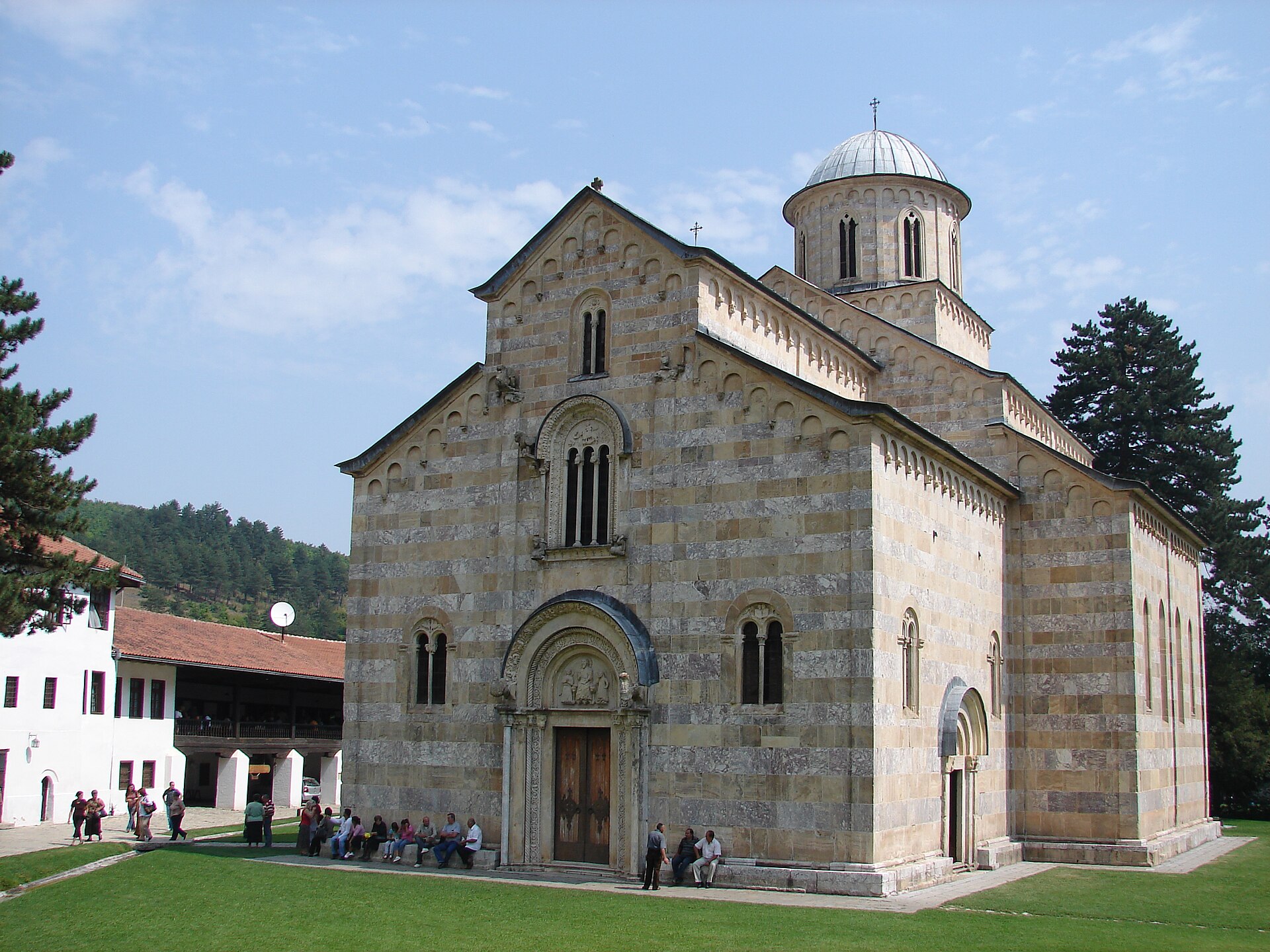
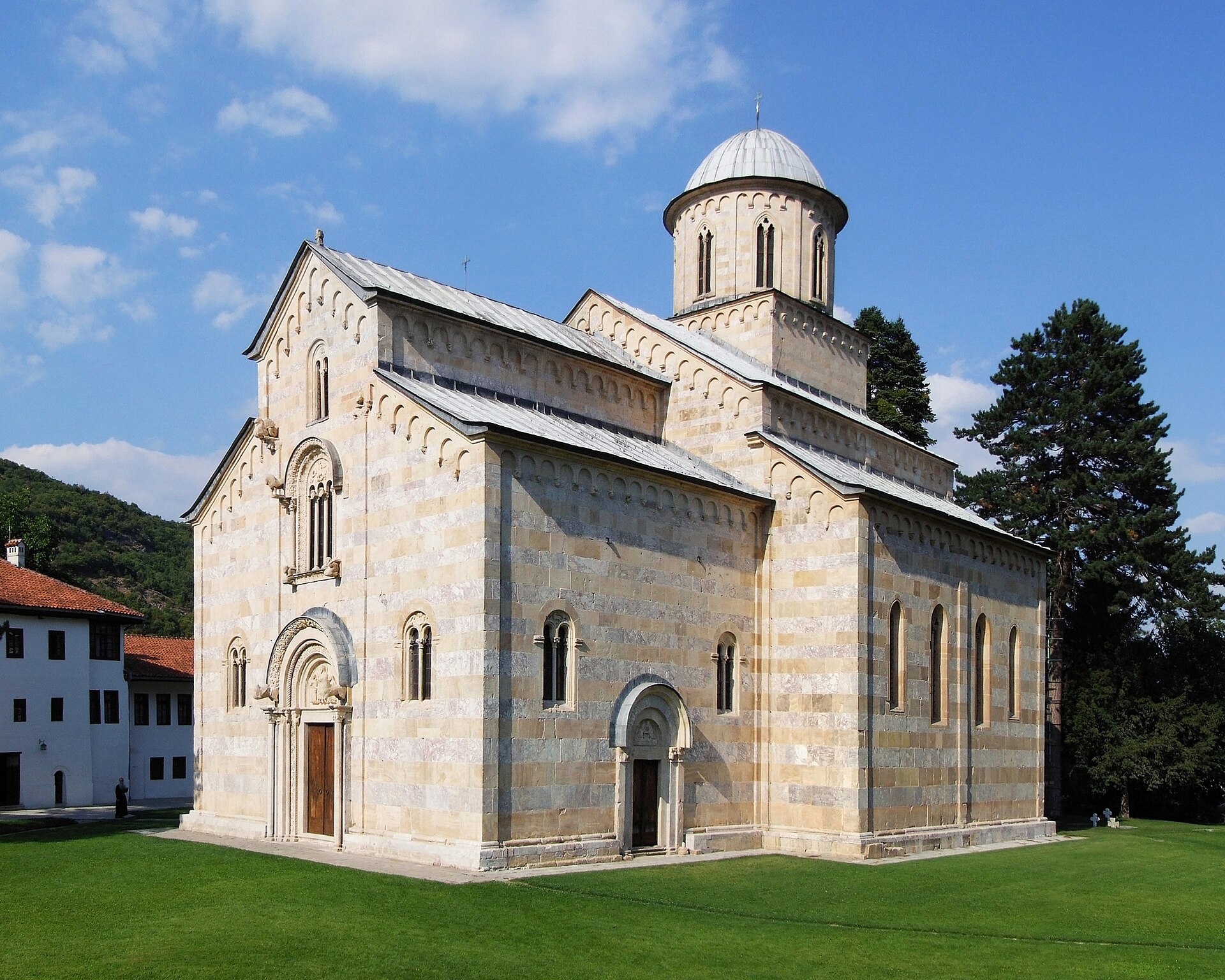
| Signature features | The Church of Christ Pantocrator, alternating white and pink marble, and more than 1,000 frescoes |
| Timing note | The page recommends May, June, and September; winter visits are described as possible but approach roads may be icy |
| Recommended stay | 1–2 days, as shown in the existing quick-facts strip |
Why Visit Visoki Dečani Monastery
Visoki Dečani brings together a marble-clad Church of Christ Pantocrator, a large cycle of medieval frescoes, and a living Serbian Orthodox monastery in western Kosovo. The existing page describes the church's alternating white and pink marble and more than 1,000 interior frescoes. The UNESCO World Heritage Centre describes Dečani as a mid-14th-century monastery built for Serbian king Stefan Dečanski and his mausoleum. Plan it as a quiet, rules-led heritage visit rather than a quick photo stop.
Best Things to Do in Visoki Dečani Monastery
Visoki Dečani Monastery is one of the most significant medieval monuments in the Balkans and a UNESCO World Heritage site (inscribed 2004). Built between 1327 and 1335 under the patronage of King Stefan Uroš III (Stefan Dečanski), who is buried within its walls, this Serbian Orthodox monastery sits in a serene forested valley at the foot of the Accursed Mountains (Bjeshkët e Nemuna) in western Kosovo. The monastery's Church of Christ Pantocrator is a masterpiece of Serbian-Byzantine architecture, constructed almost entirely of alternating bands of white and pink marble — a striking striped exterior that gleams in the mountain light.
Exploring Visoki Dečani Monastery: Top Attractions & Hidden Gems
Inside, the walls are covered with over 1,000 individual frescoes painted between 1335 and 1350, widely considered the best-preserved and most extensive cycle of Byzantine painting anywhere on earth. Scenes from Christ's life, the Ecumenical Councils, the Dormition of the Virgin, and the monumental Last Judgment (covering the entire western wall) stretch from floor to dome, their lapis lazuli blues and vermilion reds still remarkably vivid after nearly seven centuries. The iconostasis is a masterpiece of carved and gilded wood.
Local Culture & Food in Visoki Dečani Monastery
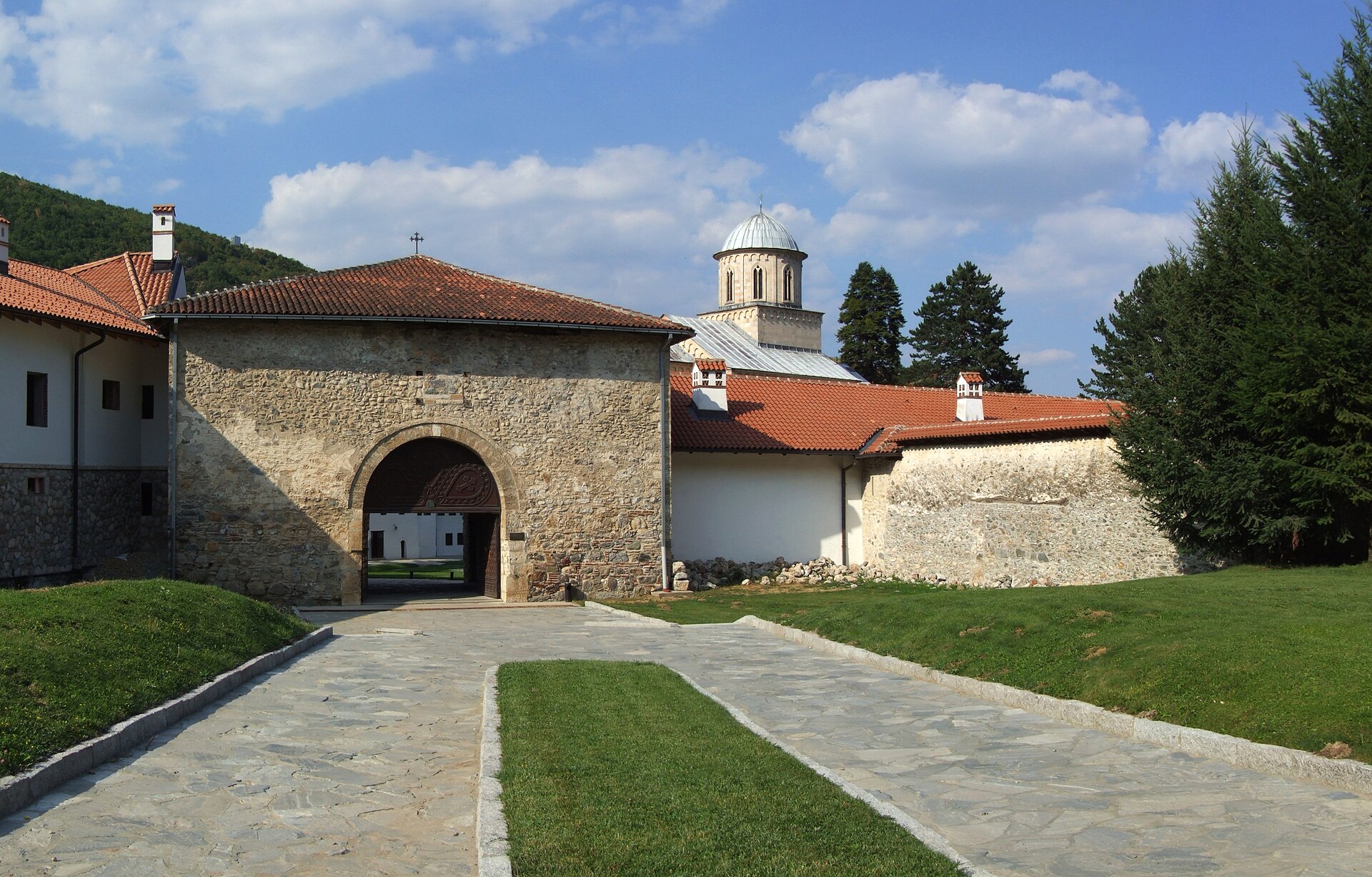
Dečani survived Ottoman rule, both World Wars, and the Kosovo War (1998-99) largely unscathed — KFOR peacekeepers and now Kosovo Police maintain a visible presence around the complex. Visitors must present a passport at the KFOR checkpoint and follow modest dress rules. The monks operate a small gift shop selling their own wine and rakia — a perfect souvenir. The experience of standing in the cool, candlelit interior surrounded by a millennium of Orthodox art is profoundly moving, even for secular travelers.
🗓 Best Time to Visit
The best months to visit Visoki Dečani are May, June, and September. The weather is mild (20-28°C) and the chestnut forests surrounding the monastery are lush and green. July and August can be hot (30-35°C), but the monastery's valley location offers some relief. Spring (April) and autumn (October) are also good, with fewer visitors. The monastery is open daily 08:00-18:00. Avoid major Orthodox holidays if you prefer solitude — the monastery can be busy with pilgrims. Winter visits (December-February, 0-8°C) are quieter but the approach roads can be icy; call ahead to check conditions.
🍽 Food & Drink
There are no restaurants on the monastery grounds, but the nearby town of Deçan (3 km south) offers several grill houses. Restaurant Deçani (€5-10) on the main road serves qebapa, pleskavica, and grilled chicken with salads. Te Beqiri (€4-8) is a simple but excellent qebaptore near the Deçan bus stop. For a memorable experience, buy a bottle of the monks' own wine (€5-10) from the monastery gift shop — the red wine is particularly good, produced from grapes grown on the monastery's own vineyards. The monks also sell homemade rakia (€8-15), honey, and herbal teas. Most visitors combine a Dečani visit with lunch in Peja (15 km north), which has far more dining options. Pack a picnic to enjoy in the monastery's peaceful garden — there are shaded benches under the chestnut trees.
🚗 How to Get to Visoki Dečani Monastery by Bus, Car & Boat
Visoki Dečani is 15 km south of Peja and about 90 km west of Pristina. By car from Pristina: take the R7 highway to Peja (80 minutes), then continue south on the R115 road for 15 minutes — the monastery is well-signposted. A taxi from Peja costs €8-12 each way; negotiate a round-trip with 1-2 hours waiting time for €20-25. By bus: take a Pristina-to-Peja bus (€5-6, 2 hours, frequent departures), then a Peja-to-Deçan bus (€1.50, 25 minutes, hourly). From Deçan town, a taxi to the monastery is €3-4. There is limited parking inside the monastery compound. The KFOR checkpoint requires all visitors to show a passport and submit to a brief vehicle inspection — be patient, this is a routine security measure.
🥘 Where to Eat in Visoki Dečani Monastery: Authentic Local Cuisine
The nearest restaurants are in Deçan town (3 km south). Restaurant Deçani (€5-10) on the main road serves grilled meats, fresh salads, and chips — nothing fancy but perfectly decent. Te Beqiri (€4-8) near the bus stop is a classic qebaptore serving qebapa, pleskavica, and sujuk at local prices. Restaurant Bujtina Rrustemaj (€5-10) offers traditional home-cooked Kosovo dishes like flija, sarma, and roasted lamb — call ahead to order the lamb, which needs preparation time. For the best dining options, head back to Peja (15 minutes drive) where Art Design Restaurant (€7-15), Guri i Kuq (€6-12), and the Long Bazaar qebaptore (€4-10) offer excellent food. Many travelers pack a picnic to eat in the monastery's peaceful courtyard — buy supplies at the market in Deçan or Peja. Kosovan cuisine is a hearty Balkan affair — flija, sarma, grilled meats, and fresh salads are staples, best enjoyed with local raki.
🏨 Best Hotels Near Visoki Dečani Monastery
There are very few accommodation options near the monastery itself. Most visitors stay in Peja (15 km north, 20 minutes drive), which has excellent hotels and guesthouses (see the Peja page for full details). In the nearby town of Deçan (3 km south), Motel Deçani (€20-30/night) offers basic but clean rooms — suitable for early-morning monastery visits. Guesthouse Bujtina Rrustemaj (€20-35/night) in the village of Deçan is a family-run guesthouse with home-cooked meals and a garden. For a more immersive experience, several local families in the villages around Deçan offer rooms in their homes (€15-25/night including breakfast) — ask at the monastery gift shop for recommendations. Kosovo offers budget-friendly accommodation from modern hotels in Pristina to traditional guesthouses in the mountains and affordable hostels in most towns.
Find a stay in Visoki Dečani Monastery
Compare apartments, guesthouses, and vacation rentals while you finalize your route. Flexible cancellation can help when drive times or border plans change.
Browse stays in Visoki Dečani Monastery on Vrbo →Accessibility
The page provides some access information, but it does not verify an accessible route or visitor facilities:
- Stated on this page: visitors are told to present a passport or valid photo ID at the KFOR checkpoint, and the page describes a vehicle inspection on entry.
- Stated on this page: parking inside the monastery compound is described as limited. The page gives no detail about accessible bays, drop-off arrangements, the surface, or the distance to the church.
- Not verified for this guide: step-free access, ramps, accessible toilets, seating, tactile or visual assistance, and the route or gradient from the checkpoint to the church.
- Before travelling: contact the monastery and your accommodation or transport provider to describe your access needs and confirm current entry arrangements. Do not assume that a vehicle can reach every part of the complex or that facilities are available.
Common Mistakes
- Arriving without identification. The page says visitors should bring a passport or valid photo ID for the checkpoint; keep it with you rather than leaving it in your accommodation.
- Treating the monastery like an ordinary sightseeing stop. Allow time for the security procedure and follow instructions at the entrance.
- Planning to photograph the frescoes. The page says photography is strictly prohibited inside the church, so use the exterior and grounds only where permitted.
- Ignoring the dress guidance. The page advises covered shoulders and knees; dress for the monastery before you arrive rather than relying on wraps being available.
- Skipping a winter road check. The page notes that approach roads can be icy in winter; check conditions before setting out.
- Flying a drone without checking approvals. Kosovo's Civil Aviation Authority requires registration and special approval for drone operations according to its current guidance; do not treat an attractive exterior view as permission to fly.
Photography
The existing guide recommends mid-to-late afternoon for the marble exterior, so use that light for the alternating white and pink stone. The exterior and grounds are the appropriate starting points for a camera; the page says photography is strictly prohibited inside the church, so do not plan on photographing the frescoes. Ask before photographing monks or visitors, and follow any instructions at the entrance.
Drone note: The current English-language Civil Aviation Authority of Kosovo drone guidance says Regulation No. 1/2017 requires unmanned aircraft to be registered and operated only with special approval from the CAA, with visual contact maintained during operations. Before any flight at or near Dečani, check the CAA's current instructions and obtain every required approval. Site-specific permission from the monastery or security authorities is not verified here, so do not assume that a launch or overflight is allowed.
Etiquette
Dečani combines an Orthodox religious site with a security-sensitive heritage setting. These are practical customs and page-specific rules to follow:
- Dress: covered shoulders and knees are customary at Orthodox monasteries; follow the page's guidance and dress before you reach the entrance.
- Voice: quiet voices are customary inside the church and around the complex, especially if other visitors are praying.
- Photography: the page says interior photography is prohibited; respect signs or staff directions even if other visitors are using cameras.
- Identification: presenting ID at the checkpoint is part of the visit described on this page, so have it ready and follow the security team's instructions.
- People: asking before photographing monks or other visitors is common courtesy, particularly during religious observances.
- Services: if prayer or a service is taking place, waiting for guidance before entering or moving around is the respectful choice.
Frequently Asked Questions
Do I need a passport to visit Visoki Dečani Monastery?
Yes, you MUST bring your passport or a valid photo ID. Visoki Dečani is located near a sensitive security zone and is guarded by KFOR peacekeepers (NATO Kosovo Force). All visitors must register at the first security checkpoint by presenting a passport. This is a routine procedure that takes 2-3 minutes. You will also pass through a vehicle inspection point. Do not attempt to visit without your passport — you will be turned away.
Is Visoki Dečani Monastery free to enter?
Yes, entry to Visoki Dečani Monastery is completely free. This includes access to the church interior (where the famous frescoes are), the courtyard, the garden, and the small museum. Donations are welcome but not required. The monastery also has a gift shop run by the monks where you can buy homemade wine (€5-10 per bottle), rakia (€8-15), honey, and religious icons — all proceeds support the monastery's upkeep.
When is the best time to visit Visoki Dečani?
The best months to visit are May, June, and September. The weather is pleasant (20-28°C) and the surrounding chestnut forests are at their most beautiful. July and August can be hot (30-35°C). The monastery is located in a valley at the foot of the Accursed Mountains, so it can be a few degrees cooler than the surrounding plains. Winter visits (December-February) are possible but the mountain roads can be icy. The monastery is open daily, 08:00-18:00.
How do I get to Visoki Dečani from Peja?
Visoki Dečani Monastery is just 15 km (20 minutes) south of Peja by car. Take the R115 road toward Deçan — the monastery is well-signposted. A taxi from Peja costs €8-12 each way (negotiate a round-trip with waiting time for about €20-25). There is also a bus from Peja to Deçan town (€1.50, 25 minutes), from where a taxi to the monastery costs €3-4. Most visitors combine Dečani with a day trip from Peja — it is the most practical base.
What are the dress rules at Visoki Dečani Monastery?
Visitors must dress modestly. Men should wear long trousers (not shorts) and shirts covering the shoulders. Women must cover their shoulders and wear skirts or trousers below the knee — headscarves are recommended but not strictly required. Scarves and wraps are sometimes available at the entrance. Photography is strictly prohibited inside the church. Silence or quiet voices should be maintained inside the church and the monastery complex.
What is special about the frescoes at Dečani Monastery?
Visoki Dečani contains over 1,000 individual frescoes painted between 1335 and 1350 — this is the best-preserved and most extensive cycle of Byzantine painting anywhere in the world. The frescoes cover every surface of the church interior: the dome, the walls, the pillars, and the narthex. Notable scenes include the life of Christ, the Ecumenical Councils, the Last Judgment (covering the entire western wall), and a rare genealogical tree of the Nemanjić dynasty. The colors remain remarkably vivid after nearly 700 years.
🗺️ Build a route around Visoki Dečani Monastery: Add Visoki Dečani Monastery to my itinerary. It opens the planner with this stop selected, so you can add nearby places and set the trip length.
Plan your budget
For country-level budget ranges and planning assumptions, see the Balkan travel costs guide.