

Patriarchate of Peć
Patriarchate of Peć at a Glance
| Country | Kosovo |
| Best time | April–October |
| Recommended stay | 1–2 Days |
| Top highlight | Religious Site |
| Transit hub | Regional bus network |
Why Visit Patriarchate of Peć
Visit the UNESCO complex of four interconnected medieval churches.
Study the Byzantine frescoes and the shared narthex.
Set the complex against the Rugova Mountains and western-Kosovo landscape.
Best Things to Do in Patriarchate of Peć
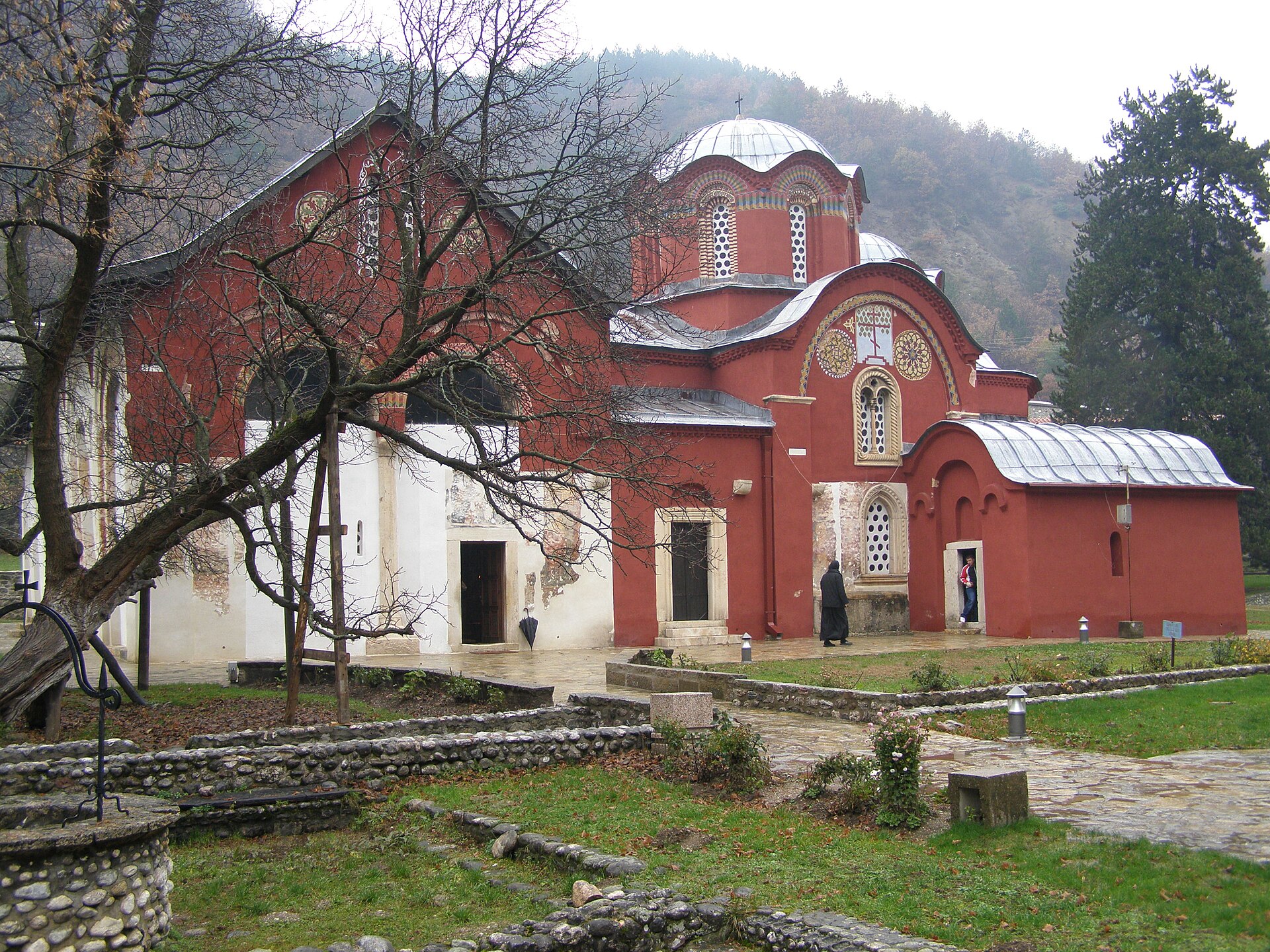
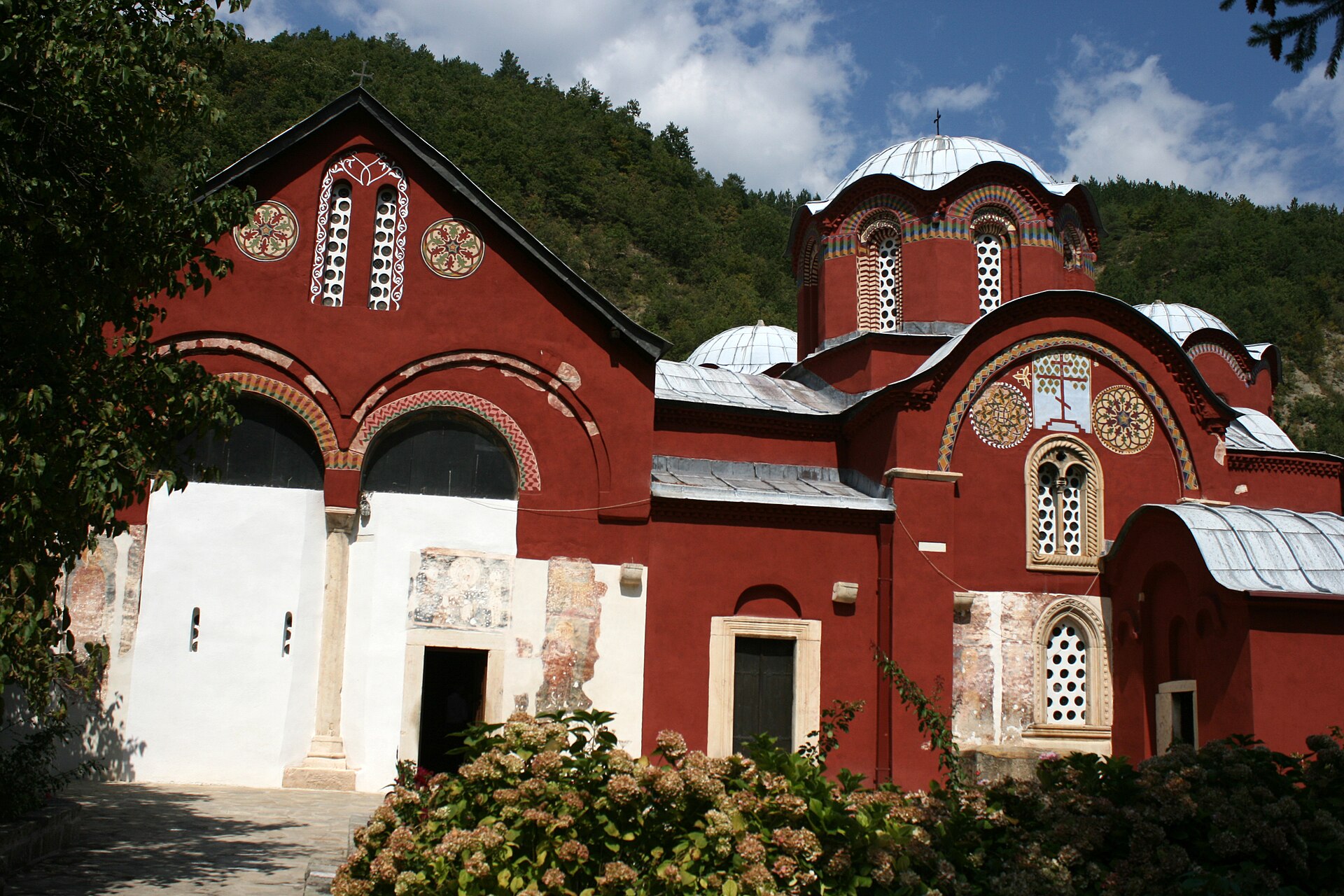
The Patriarchate of Peć (Pejë) is a UNESCO World Heritage site of deep spiritual and historical importance, serving as the historic seat of the Serbian Orthodox Church from the 13th to the 18th century. Unlike the single-church structure of Visoki Dečani, the Patriarchate is a unique complex of four interconnected churches — the Church of the Holy Apostles (13th century), the Church of St. Demetrius (14th century), the Church of the Holy Virgin (14th century), and the Church of St. Nicholas (14th century) — built side by side, sharing a common narthex and creating a single, flowing sacred space.
Exploring Patriarchate of Peć: Top Attractions & Hidden Gems
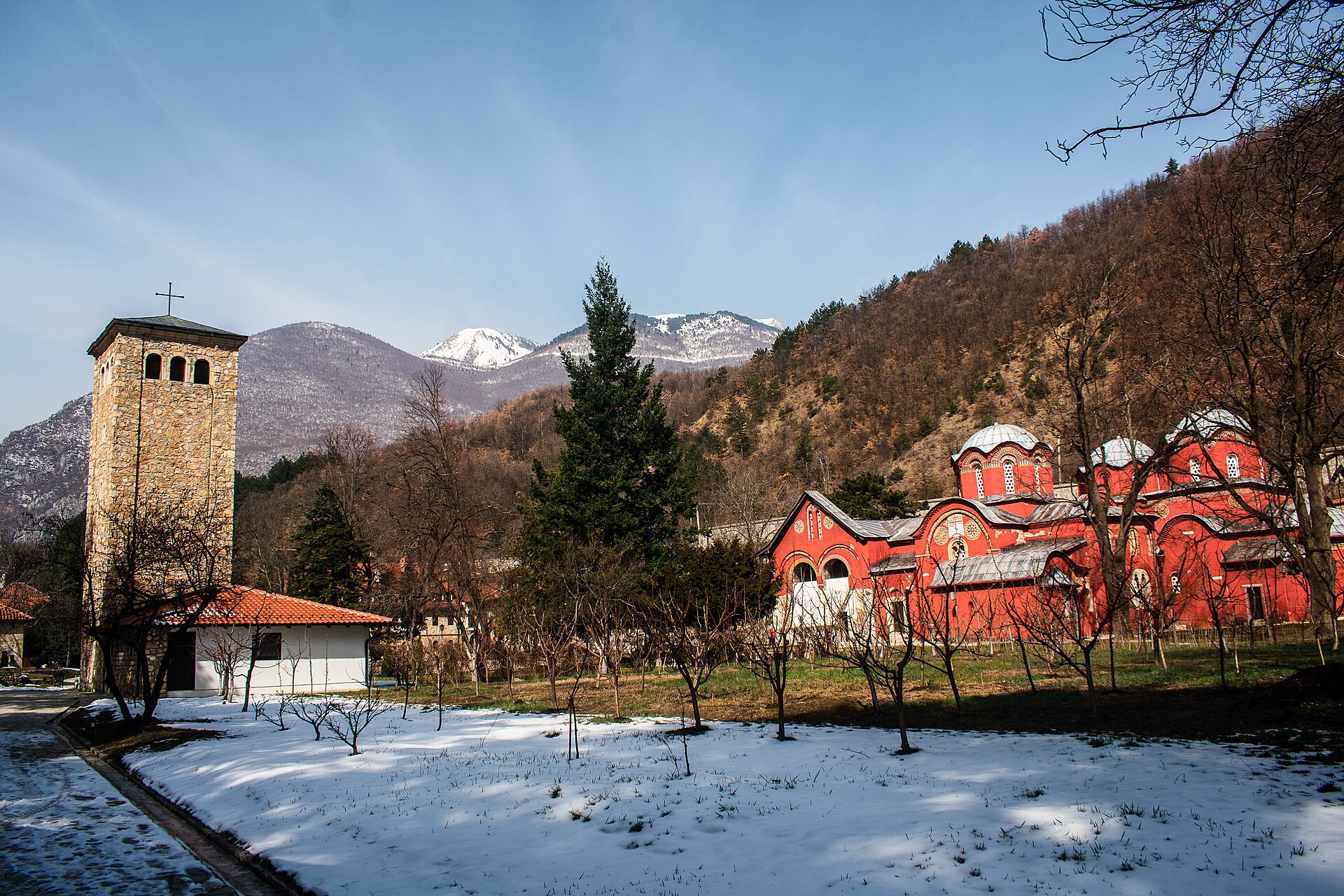
The effect is remarkable: you move from one domed chamber to another, each covered floor to ceiling in Byzantine frescoes depicting saints, miracles, and the genealogy of the Nemanjić dynasty. The most famous fresco is the monumental composition of the Nemanjić family tree, tracing the medieval Serbian rulers who built and protected these churches. The complex sits against a impressive backdrop of the Rugova Mountains, with the white limestone of the churches contrasting against the green foothills. The monastic community remains active, with resident monks maintaining the daily liturgical cycle.
Local Culture & Food in Patriarchate of Peć
The site is less visited than Dečani, meaning you can often experience the frescoes in contemplative solitude. The Patriarchate was built at a strategic crossroads and served as both a religious and political center during the height of the Serbian Empire. A short stroll through the grounds reveals an old cemetery, a spring-fed fountain, and ancient walnut trees. For those captivated by medieval art and Orthodox spirituality, the Patriarchate of Peć is an essential pilgrimage.
🗓 Best Time to Visit
April to October. The best time to visit is May-September. Spring and autumn are comfortable for city sightseeing, while summer heat in the cities is offset by cooler temperatures in the mountainous regions like Rugova and Prevalla.
🍽 Food & Drink
Kosovo cuisine is a blend of Albanian and Balkan traditions — grilled meats, fresh vegetables, dairy, and phyllo pastries dominate. Must-try dishes include: flija (layered pancake dish cooked under a sač), tavë kosi (baked lamb with yogurt), qebapa (grilled meat sausages), byrek (phyllo pies with cheese, spinach, or meat), and sarma (stuffed cabbage rolls). For drinks, try raki (often made from plums or grapes) and the strong Turkish-style coffee served with a foam (kajmak) on top.
🚗 How to Get to Patriarchate of Peć by Bus, Car & Boat
Buses connect most towns and are frequent and affordable. Taxis offer good value for longer trips. Car rental is available but road signage can be sparse. The highway between Prishtina and Tirana is excellent. Prishtina is very walkable. Local buses are cheap (€0.50). Taxis are affordable with meters. Negotiate the fare upfront if there is no meter. Green taxis are generally reliable.
🥘 Where to Eat in Patriarchate of Peć: Authentic Local Cuisine
While Patriarchate of Peć itself may not have extensive dining options, the nearby towns and villages offer excellent restaurants serving traditional regional cuisine. Many historical sites have a cafe or snack bar for light refreshments, but the real culinary experiences await in the surrounding settlements. Look for traditional konobe (taverns) and family-run restaurants where recipes have been passed down through generations. These establishments often use ingredients sourced from local farms and producers — fresh cheeses, cured meats, seasonal vegetables, and artisan breads. For a memorable experience, book a table at a restaurant with views overlooking the historical site, especially at sunset when the ancient stones glow golden. Local wineries near archaeological sites often offer tastings paired with regional specialties. Pack a picnic to enjoy on the grounds of the site itself — there's something special about eating surrounded by millennia of history. Kosovan cuisine is a hearty Balkan affair — flija (layered pancake dish), sarma, grilled meats, and fresh salads are staples, best enjoyed with local raki.
🏨 Best Hotels Near Patriarchate of Peć
Accommodation options vary by season and location. Book ahead for summer weekends and major local events.
Find a stay in Patriarchate of Peć
Compare apartments, guesthouses, and vacation rentals while you finalize your route. Flexible cancellation can help when drive times or border plans change.
Browse stays in Patriarchate of Peć on Vrbo →Accessibility
- The page does not specify step-free access inside the churches.
- Historic floors and thresholds may be uneven; confirm current conditions.
- The monastic complex remains active, so follow on-site directions.
Common Mistakes
- Treating the four churches as a single undifferentiated room.
- Entering without checking modest-dress expectations.
- Photographing where the monastic community prohibits it.
- Rushing through fresco details.
Photography
- Use the shared narthex to show the connected layout.
- Frame the white limestone churches with the Rugova foothills.
- Follow interior photography rules for frescoes.
- Kosovo regulates drones — check current registration and flight rules with the Civil Aviation Authority of Kosovo before flying.
Etiquette
- Dress modestly in the active monastery.
- Keep voices low.
- Follow monk and site-staff instructions.
- Ask before photographing people.
- Do not touch frescoes or historic surfaces.
Frequently Asked Questions
When is the best time to visit Patriarchate of Peć?
April to October. The best time to visit is May-September. Spring and autumn are comfortable for city sightseeing, while summer heat in the cities is offset by cooler temperatures in the mountainous regions like Rugova and Prevalla.
How do I get to Patriarchate of Peć?
Buses connect most towns and are frequent and affordable. Taxis offer good value for longer trips. Car rental is available but road signage can be sparse. The highway between Prishtina and Tirana is excellent. Prishtina is very walkable. Local buses are cheap (€0.50). Taxis are affordable with meters. Negotiate the fare upfront if there is no meter.
How many days do you need in Patriarchate of Peć?
A visit to Patriarchate of Peć can be tailored to your interests. The Patriarchate of Peć (Pejë) is a UNESCO World Heritage site of deep spiritual and historical importance, serving as the historic seat of the Serbian Orthodox Church from the 13th to the 18th centur.
What is Patriarchate of Peć known for?
The Patriarchate of Peć (Pejë) is a UNESCO World Heritage site of deep spiritual and historical importance, serving as the historic seat of the Serbian Orthodox Church from the 13th to the 18th century.
Where should I stay in Patriarchate of Peć?
While Patriarchate of Peć itself is primarily a heritage attraction, the nearest town or city offers a range of accommodation options to suit every budget. Look for hotels and guesthouses that provide easy access to the site — many offer shuttle services or are within walking distance.
🗺️ Build a route around Patriarchate of Peć: Add Patriarchate of Peć to my itinerary. It opens the planner with this stop selected, so you can add nearby places and set the trip length.
Plan your budget
For country-level budget ranges and planning assumptions, see the Balkan travel costs guide.