
Pristina
Pristina at a Glance
| Country | Kosovo |
| Setting | Central Kosovo capital |
| Known for | Newborn monument, Ottoman old town, and café culture |
| Best time | April–October; May, June, and September are highlighted |
Why Visit Pristina
Pristina brings together Skanderbeg Square, the National Library, Newborn, Ottoman-era buildings, museums, markets, and a strong café culture.
Its compact central route makes it practical to explore on foot, while Germia Park adds an oak-forest escape east of the city.
Overview
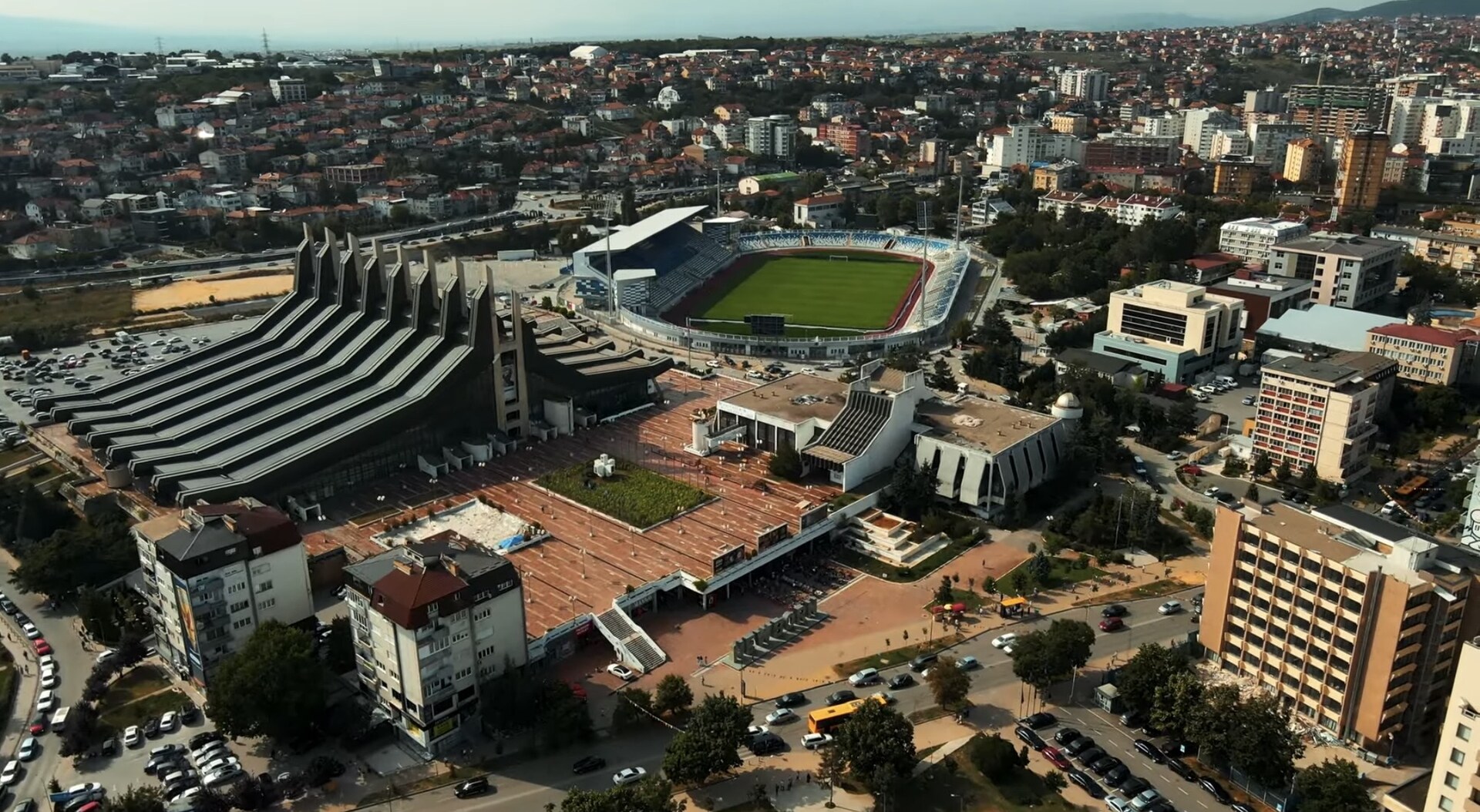
The city’s main walk links Skanderbeg Square and Mother Teresa Boulevard with Newborn, the National Library, the Sultan Mehmet Fatih Mosque, the Clock Tower, and the Emin Gjiku Complex.
The page describes Germia Park as a 62-hectare oak landscape with trails, an Olympic pool, and upper-ridge views, about 20 minutes from the centre by taxi.
Best Things to Do in Pristina
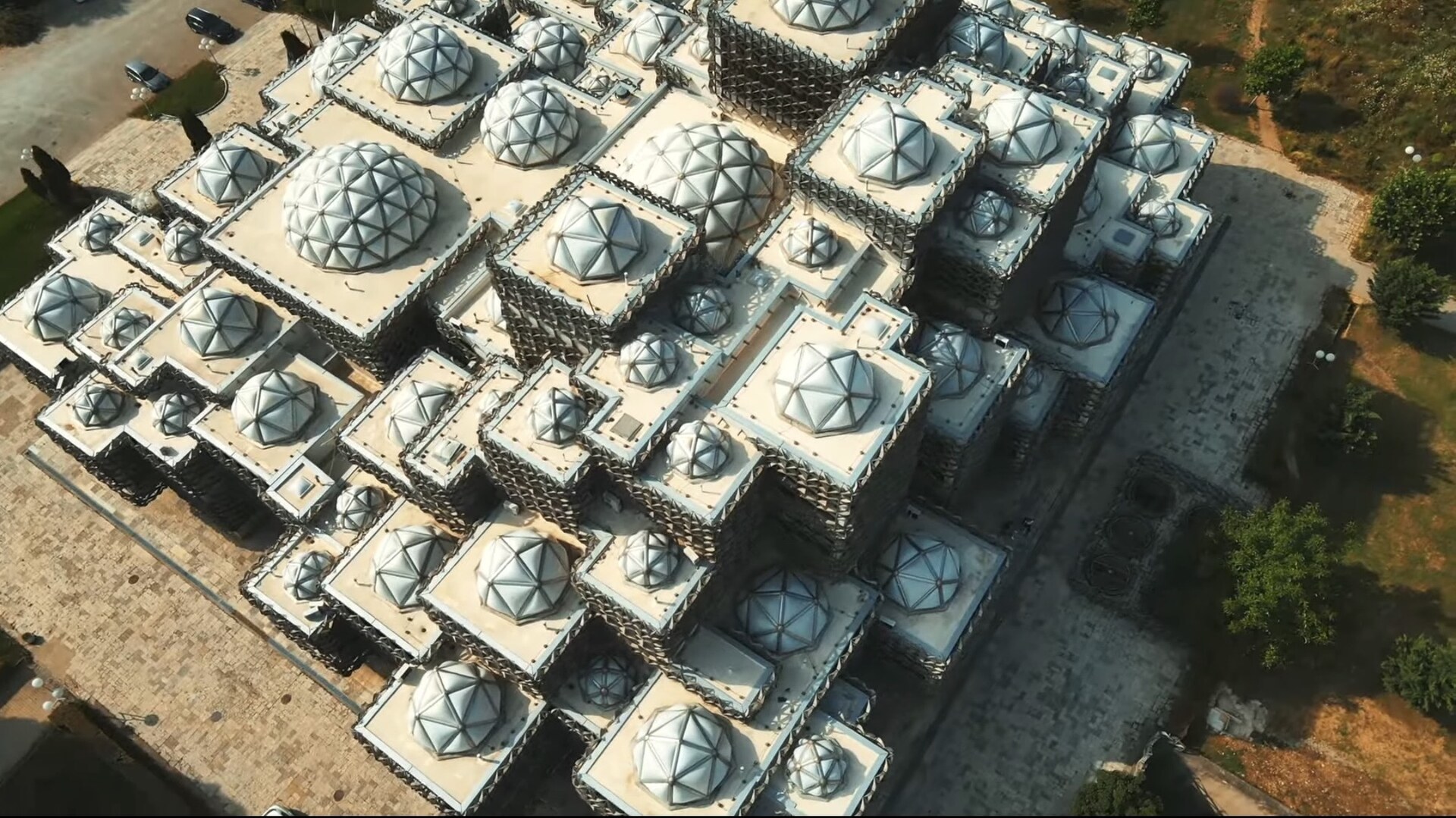
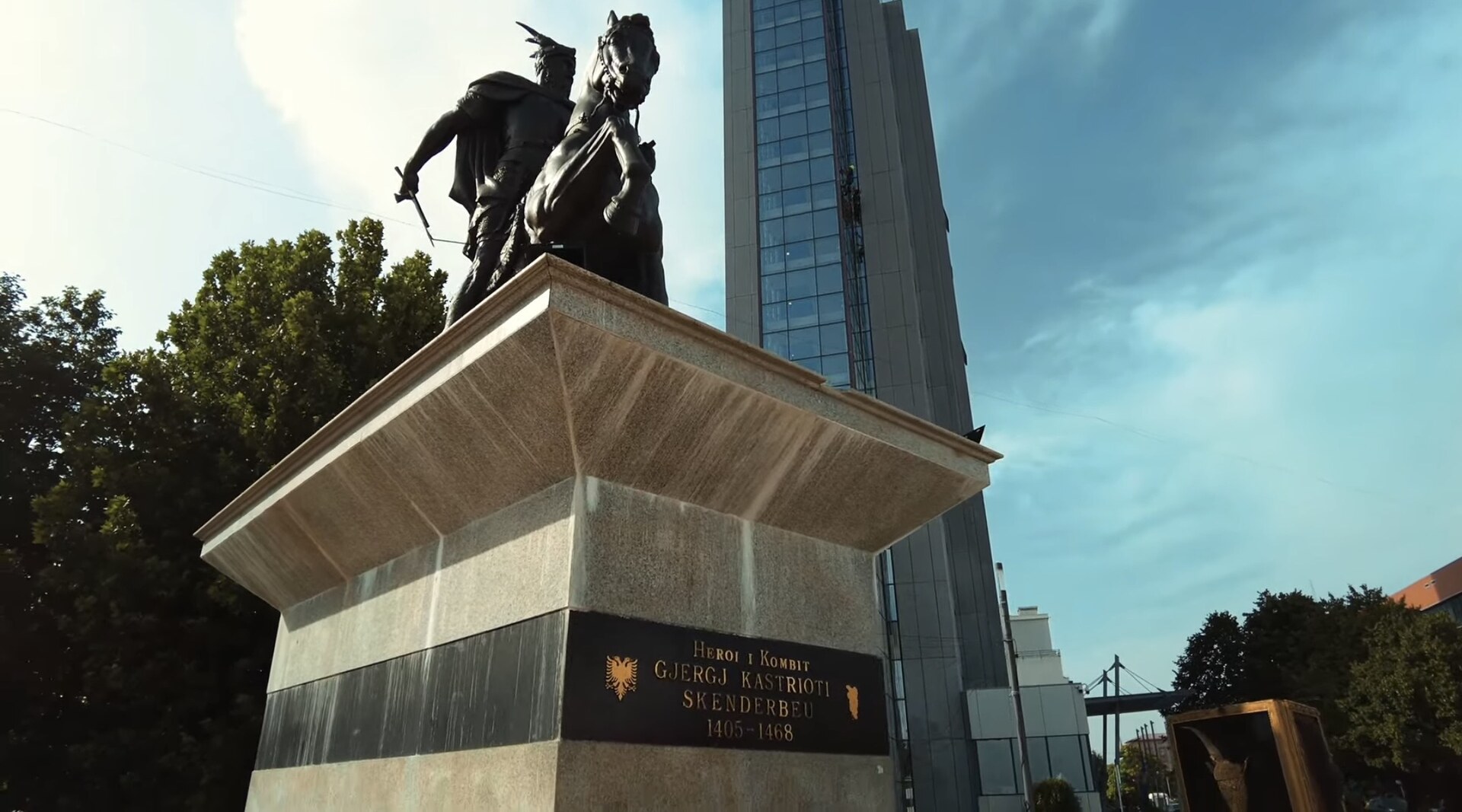
Pristina is Kosovo's restless, caffeine-fueled capital — a city that wears its contradictions proudly. Arrive at Skanderbeg Square and you are greeted by the equestrian statue of Albania's national hero, surrounded by a vast pedestrianized plaza where children chase pigeons and teenagers film TikTok dances against the backdrop of the looming National Library. That library, designed by Andrija Mutnjaković and completed in 1982, is one of the most divisive buildings in the Balkans: 99 interlocking white domes atop a cube clad in a gold metal mesh, meant to evoke both an Illyrian tumulus and an Albanian plis (the traditional felt cap).
Exploring Pristina: Top Attractions & Hidden Gems
Love it or hate it, you will not forget it. Across the street, the Newborn monument spells out the country's name in giant yellow lettering — unveiled on the day Kosovo declared independence in 2008, it gets repainted annually with themes from political satire to pop art. Wander into the old town and the Ottoman layers reveal themselves: the Sultan Mehmet Fatih Mosque (1461), the 18th-century Clock Tower (Sahat Kulla) with its original Ottoman bell, and the Emin Gjiku Complex, three meticulously restored Ottoman townhouses that now house the Ethnographic Museum. Pristina's pulse beats along Mother Teresa Boulevard, a broad pedestrian avenue lined with chestnut trees and cafés where espresso costs €0.50 and a macchiato will set you back less than a euro.
Local Culture & Food in Pristina
The coffee ritual here is sacred — tables stay occupied from early morning until well past midnight. Just outside the center, the sprawling Green Market (Pazari i Gjelbër) overflows with sun-warmed tomatoes, crumbly white cheese in brine, fresh walnuts, and bunches of wild mint. For a quick escape, Germia Park, a 20-minute taxi ride east, offers 62 hectares of oak forest with hiking trails, an Olympic pool (€3-5 entry in summer), and sweeping views of the city from its upper ridges. Pristina is loud, chaotic, and utterly alive — exactly what a capital should be.
🗓 Best Time to Visit
The best time to visit Pristina is April through October, with May, June, and September offering the sweet spot of warm sunshine and manageable crowds. July and August can be hot (30-35°C) but the city's café culture is built for lingering in the shade with an iced espresso (€0.80-1). Spring brings blooming chestnut trees along Mother Teresa Boulevard, while autumn paints Germia Park in gold. Winter (December-February) is cold and grey (0-8°C) but accommodation is cheapest, and the cafés stay cozy.
🍽 Food & Drink
Pristina's food scene spans traditional grills, modern Balkan fusion, and excellent coffee. For legendary qebapa, head to Qebaptore Sarajeva (€2-4 per portion) near the old mosque — locals queue for these charcoal-grilled minced meat sausages served with flatbread and diced onions. Tiffany Restaurant (€10-20) on Mother Teresa Boulevard offers elevated grill platters and a leafy terrace. Gagi Restaurant (€8-15) near the commercial center serves mixed grills, sarma (cabbage rolls), and stuffed peppers. Soma Book Station (€8-15) is a bookstore-café-restaurant hybrid popular for brunch, salads, and specialty coffee. Renaissance Restaurant (€12-18 flat fee for the buffet) near the Grand Hotel offers an all-you-can-eat spread of traditional Kosovo dishes including flija, roasted meats, and fresh salads. For drinks, try raki (plum or grape, €0.50-1 per shot), Peja beer (€1-1.50), or the thick Turkish coffee served with foam (kajmak) on top — never stir it, sip through it.
🚗 How to Get to Pristina by Bus, Car & Boat
Pristina International Airport (PRN) connects to major European hubs including Istanbul, Vienna, Zurich, and Frankfurt with frequent flights. From the airport, a taxi to the city center costs €15-20 (fixed rate). The airport bus (line 1A) runs every hour and costs €3. Within Pristina, the city is compact and very walkable — most attractions cluster around Mother Teresa Boulevard and Skanderbeg Square. Local buses cost €0.50 per ride. Taxis are cheap (€3-5 across the city); look for green or yellow taxis with meters — if the driver doesn't use the meter, agree on the fare upfront. Ride-sharing apps like Uber are not available, but local apps like TraTaxi work well.
🥘 Where to Eat in Pristina: Authentic Local Cuisine
Pristina's dining scene is concentrated along Mother Teresa Boulevard and the surrounding streets. For a cheap, authentic lunch, join the line at Qebaptore Sarajeva (€2-4) for qebapa with flatbread. Tiffany Restaurant (€10-20) is perfect for a sit-down dinner on its boulevard terrace — try the mixed grill platter or the stuffed peppers. Soma Book Station (€8-15) serves excellent avocado toast, shakshuka, and flat-white coffee for a Western-style brunch. Gagi Restaurant (€8-15) near the National Theatre is famous for its sarma, grilled vegetables, and lamb roasted under the sač. Renaissance Restaurant (€12-18 buffet flat fee) near the Grand Hotel features a daily-changing spread of traditional Albanian and Kosovan dishes. Liburnia (€7-12) in the old town serves excellent fresh-baked byrek (€1-2 per slice) with yogurt. For dessert, Ëmbëltore Iliria (€2-4) near the boulevard serves traditional Albanian sweets like baklava, trileçe, and kadaif.
🏨 Best Hotels in Pristina
Pristina offers accommodation ranging from business-oriented chain hotels to boutique guesthouses. Hotel Emerald (€55-80/night) near the government district offers modern rooms with breakfast included. Hotel Swiss Diamond (€80-120/night) is the city's most luxurious option with a spa, pool, and rooftop bar overlooking the city. Hostel Prishtina Center (€10-15/night dorm, €25-35 private) is a well-run budget option near Skanderbeg Square. Boutique Hotel 7 (€40-60/night) in the Taukbahqe neighborhood offers stylish rooms and a lovely garden courtyard. For something unique, Bujtina e Bardhë (€30-45/night) is a family-run guesthouse with homemade breakfast just outside the center. Most mid-range hotels include breakfast and offer good value by European standards.
Where to stay in Pristina
Compare hotels, guesthouses, and apartments in Pristina. Choose free cancellation when your route still depends on border queues or weather.
See stays in Pristina →Find a stay in Pristina
Compare apartments, guesthouses, and vacation rentals while you finalize your route. Flexible cancellation can help when drive times or border plans change.
Browse stays in Pristina on Vrbo →Accessibility
- Most central attractions cluster around Skanderbeg Square and Mother Teresa Boulevard, and the page describes the centre as compact and walkable. Local buses and metered taxis support longer connections.
- Pristina Airport is connected by taxi and the hourly 1A airport bus. The page does not guarantee step-free access to the Clock Tower, Ottoman buildings, National Library, museums, or Germia trails; confirm specific venues.
- The Clock Tower includes a narrow staircase and about 100 steps according to the page, so treat its viewpoint as a separate access decision.
Common Mistakes
- Trying to cover the central museums, Ottoman old town, and Germia Park without separating the itineraries.
- Climbing the Clock Tower without allowing for its narrow staircase and about 100 steps.
- Assuming every small restaurant or market stall accepts cards when the page advises carrying cash.
- Visiting the National Library interior without politely asking security first, as the page recommends.
Photography
- Use Newborn, the National Library’s dome-and-mesh exterior, and the Ottoman Clock Tower for contrasting city frames.
- Photograph Mother Teresa Boulevard and its café life without blocking the pedestrian flow.
- Use Germia Park’s oak forest and upper ridges for a greener side of the capital.
- Kosovo regulates drones — check current registration and flight rules with the Civil Aviation Authority of Kosovo before flying.
Etiquette
- Ask before photographing people, café guests, market vendors, or performers.
- Follow mosque, museum, and Ethnographic Museum instructions.
- Keep Mother Teresa Boulevard and market lanes clear.
- Dress respectfully in religious spaces.
- Carry waste out of Germia Park and stay on marked trails.
Frequently Asked Questions
What is the Newborn monument in Pristina and where is it?
The Newborn monument is a giant typographic sculpture unveiled on February 17, 2008, the day Kosovo declared independence. It sits on the pedestrian street across from the Palace of Youth and Sports. It is repainted every year on Independence Day with a new design reflecting the nation's current mood — free to visit and photograph at any time.
How much does it cost to visit the Clock Tower (Sahat Kulla)?
Entry to the Clock Tower costs €1.50. The 18th-century Ottoman tower offers excellent 360-degree views over Pristina's old town. Climb the narrow spiral staircase to the top — about 100 steps — and you can see the Sultan Mehmet Fatih Mosque, the National Library, and the surrounding hills. Best visited in the morning for clear skies.
Where can I eat the best qebapa in Pristina?
Qebaptore Sarajeva near the old mosque is the local go-to for qebapa at just €2-4 per portion. For a sit-down meal, Tiffany Restaurant (€10-20) on Mother Teresa Boulevard serves excellent grilled platters with a modern twist. Gagi Restaurant (€8-15) near the commercial center is popular for mixed grills. Soma Book Station (€8-15) is a hip café-restaurant hybrid with great brunch options.
Is the Ethnographic Museum in Pristina free?
Yes, the Ethnographic Museum (Emin Gjiku Complex) is free to enter. Housed in three restored 18th-century Ottoman buildings, it showcases traditional Kosovo life through costumes, tools, furniture, and household items. The courtyard is lovely for a quiet break. Open Tuesday to Saturday, 10:00-17:00. Free entry also on Wednesdays.
How much does a coffee cost in Pristina?
Pristina has a thriving café culture where espresso (€0.50-0.80), macchiato (€0.60-1), and Turkish coffee (€0.50-0.80) are remarkably affordable. Most cafés along Mother Teresa Boulevard serve coffee all day and well into the night. A cappuccino in a trendy bar costs around €1-1.50. Coffee is a ritual here — you can sit for hours and nobody rushes you.
How do I get from Pristina to Germia Park and what does it cost?
Germia Park is about 20 minutes east of central Pristina by taxi (€3-5 one way). The park features forested hiking trails, picnic areas, and an Olympic-sized swimming pool. Pool entry costs €3-5 for adults. It's open from June to September. The park is popular on weekends — go on a weekday for a quieter experience. Public bus line 4 also runs from the city center.
🗺️ Build a route around Pristina: Add Pristina to my itinerary. It opens the planner with this stop selected, so you can add nearby places and set the trip length.
Plan your budget
For country-level budget ranges and planning assumptions, see the Balkan travel costs guide.