

Mitrovica
Mitrovica at a Glance
| Country | Kosovo |
| Region | Northern Kosovo, in the Ibar valley |
| What it is | A city divided by the Ibar River, with predominantly Albanian and Serbian sides connected by the main pedestrian bridge |
| Known for | The main bridge, Miner's Monument, Trepça Mines, City Museum, and nearby Zvečan Fortress |
| Best time to visit | May–September; May–June and September are described as pleasant for walking and hiking |
| Recommended stay | 1–2 days in the existing quick-facts strip |
Why Visit Mitrovica
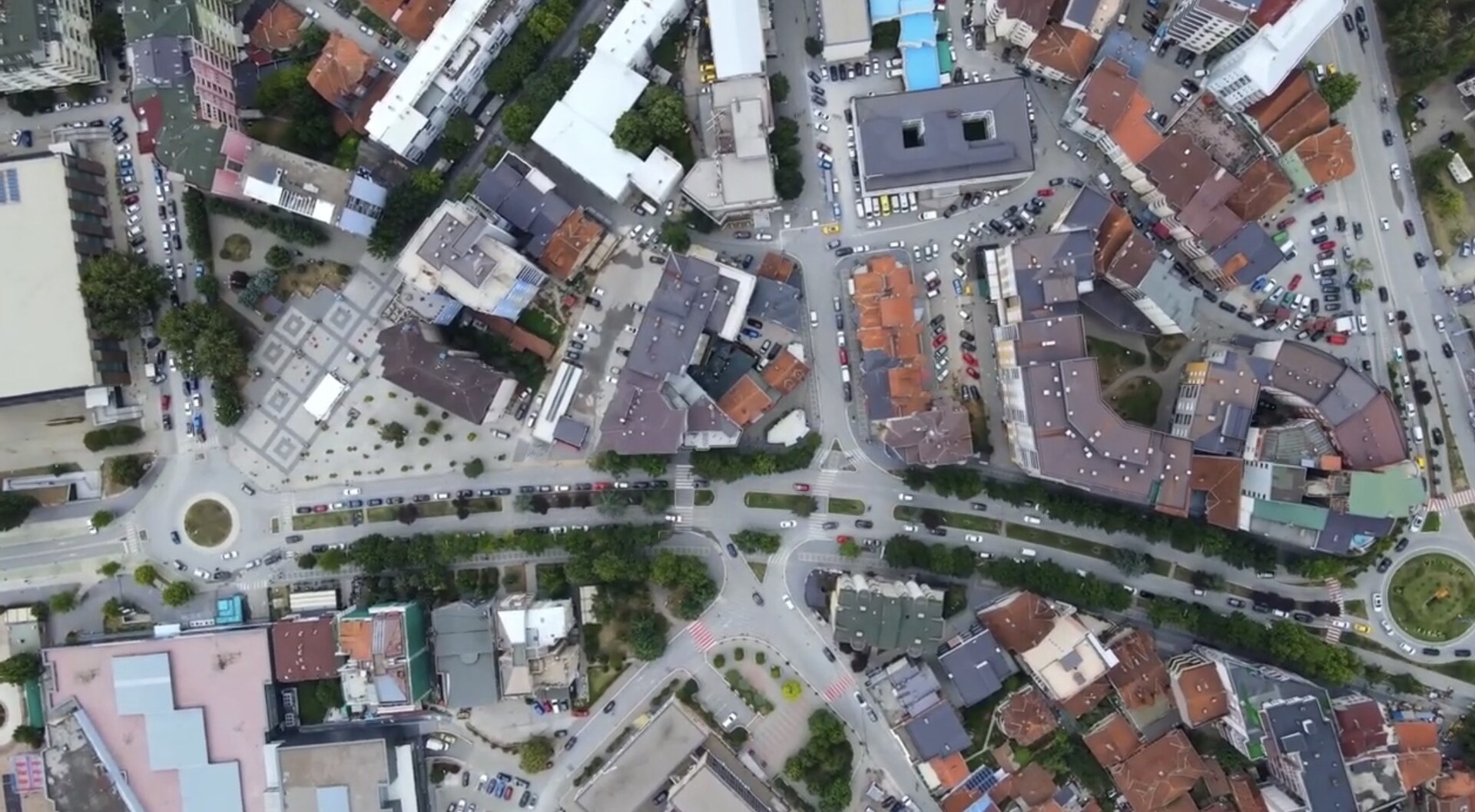
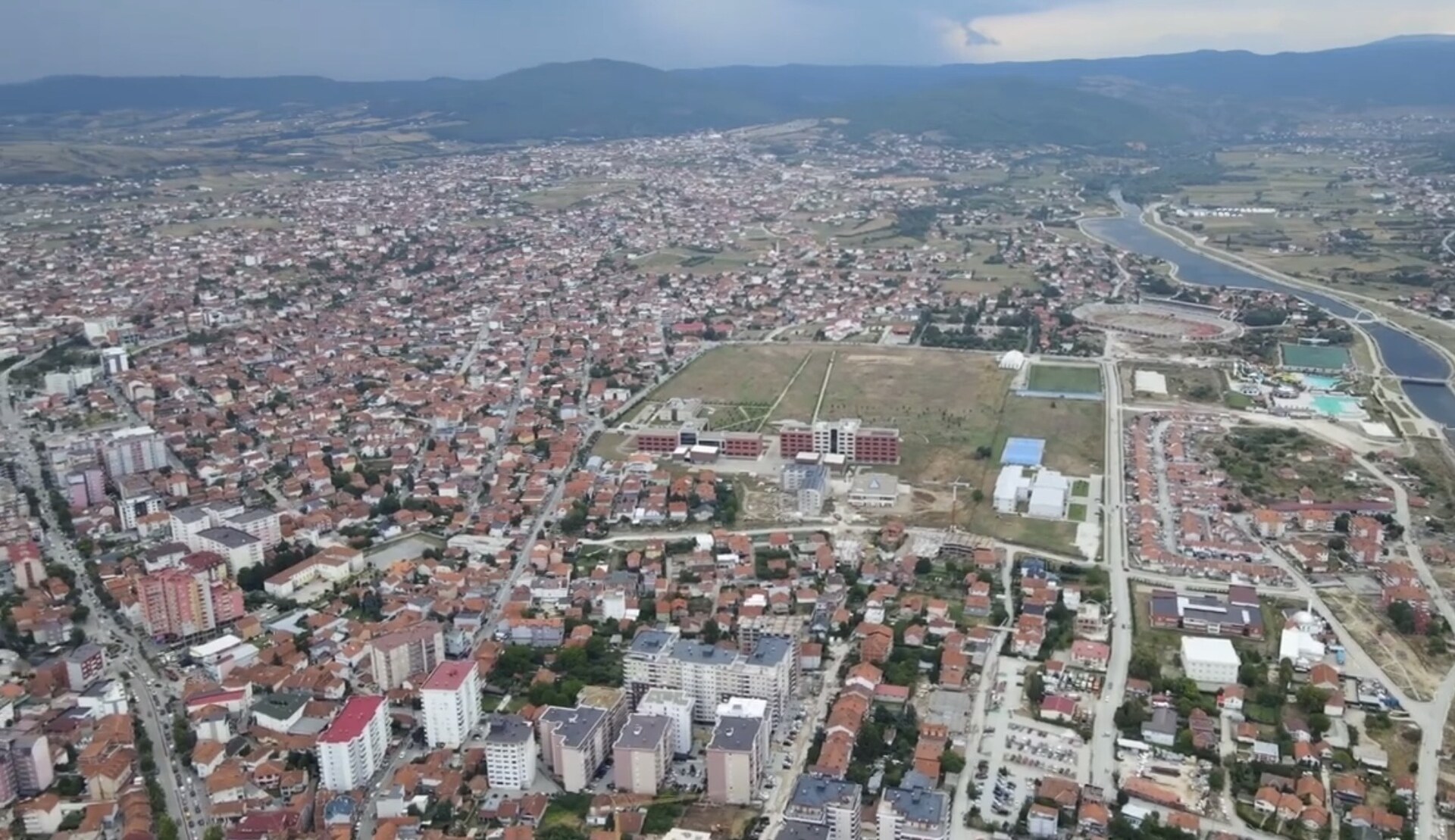
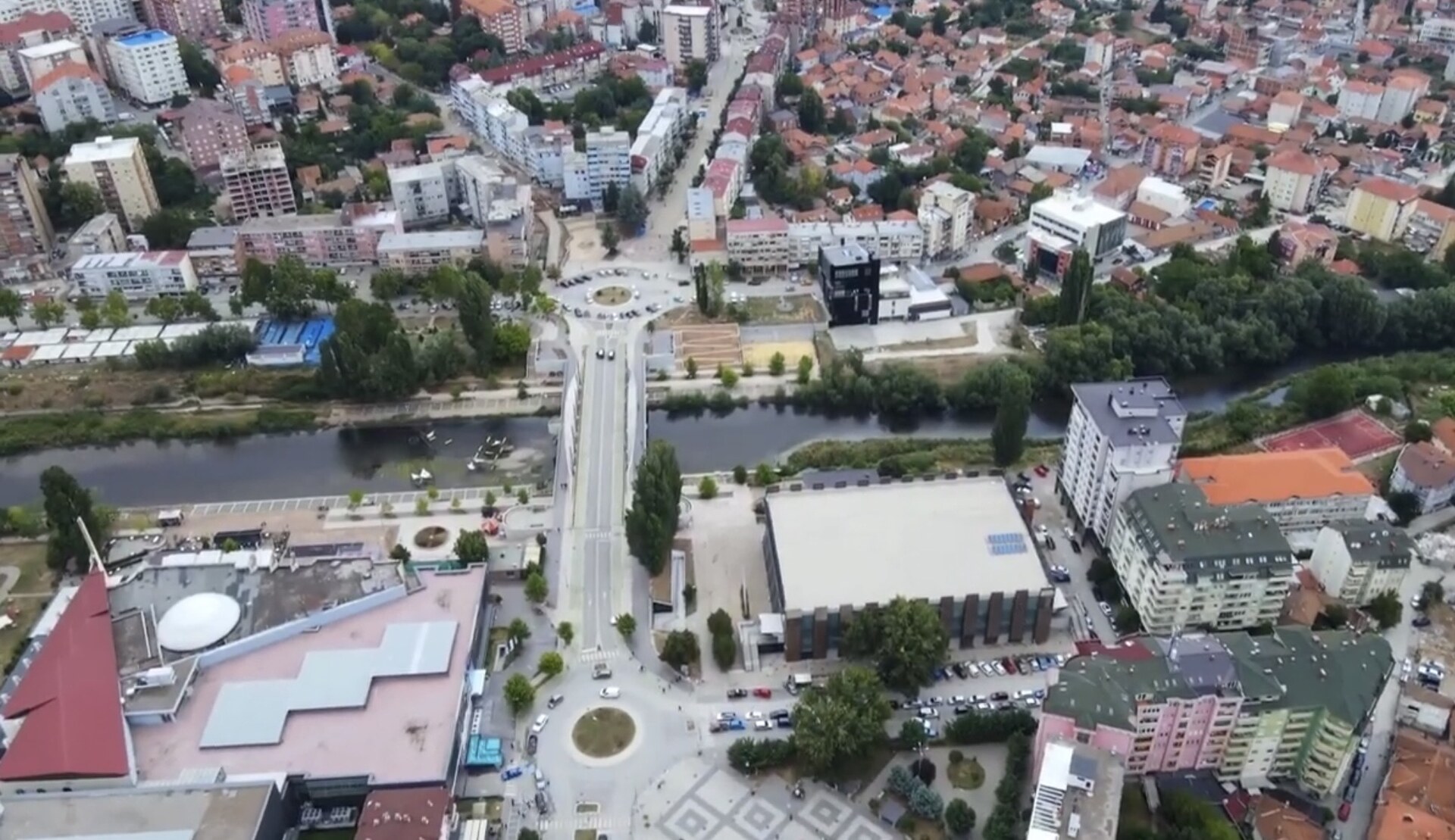
Mitrovica is a compact place to experience two distinct sides of the same city: the Ibar River divides it, while the main bridge connects the predominantly Albanian south with the largely Serbian north. The City Museum and Miner's Monument sit near the bridge, and the two sides offer different food and culture. Add Trepça Mines about 8 km east for the city's industrial history, or take the steep roughly 30-minute hike to Zvečan Fortress, about 3 km north on its volcanic hill.
Best Things to Do in Mitrovica
Mitrovica is the most politically fascinating city in Kosovo — a place where the 21st century's unresolved borders play out on a single bridge. The Ibar River splits the city into two halves: the south, predominantly ethnic Albanian, bustling with student life (the University of Mitrovica campus anchors this side), modern cafés, and a lively pedestrian street; the north, home to Kosovo's Serbian community, with Cyrillic street signs, Orthodox churches, and a distinctly different rhythm. The main bridge — known formally as the Bridge of Unity but still called the "Divided Bridge" by locals — is a 50-meter walk that feels like crossing between two worlds.
Exploring Mitrovica: Top Attractions & Hidden Gems
But Mitrovica is far more than its political symbolism. This was the industrial powerhouse of socialist Yugoslavia: the Trepça Mines, located in the hills east of the city, were among Europe's largest lead and zinc producers, employing over 20,000 workers at their peak. The massive socialist-realist Miner's Monument at the southern end of the bridge commemorates this mining heritage.
Local Culture & Food in Mitrovica
Just 3 km north, Zvečan Fortress perches on a volcanic outcrop — a Byzantine and medieval Serbian stronghold that offers a commanding view over the entire valley, the same view that has attracted every army to pass through here for a millennium. The City Museum (south side) has excellent exhibits on Trepça and the region's Illyrian, Roman, and medieval past. Mitrovica's dining is uniquely bifurcated: on the south side, Albanian grill houses serve qebapa at €3-7; on the north, Serbian kafanas serve ćevapi, sarma, and live folk music at €4-8. For travelers interested in Kosovo's layered history, contemporary politics, and raw urban character, Mitrovica is an unmissable — and unforgettable — destination.
🗓 Best Time to Visit
The best time to visit Mitrovica is May through September. Spring (May-June) and autumn (September) offer pleasant temperatures (20-28°C) for walking across the bridge and hiking up to Zvečan Fortress. July and August can be hot (30-35°C) but the city's cafés and the shaded fortress hill provide relief. Winter (November-March) is cold and grey (0-8°C), but the raw industrial landscape under snow has a stark beauty all its own. The city is lively year-round thanks to the large student population. Avoid visiting on major Serbian or Albanian national holidays if you prefer a calm atmosphere — tensions can rise on symbolic dates.
🍽 Food & Drink
Mitrovica offers two cuisines in one city. On the south (Albanian) side: Restaurant Te Lumi (€5-9) on the riverfront serves excellent mixed grills, qebapa, and fresh salads — their pleskavica (€4) with cheese and ajvar is a standout. Qebaptore Mitrovica (€3-6) near the pedestrian street is a classic grill house serving qebapa and sujuk. On the north (Serbian) side: Kafana Stari Most (€4-8) right at the bridge's northern end serves ćevapi (grilled minced meat rolls, €4), pljeskavica, and sarma with excellent Serbian bread. Restaurant Zveçan (€5-10) near the fortress road offers roasted lamb, grilled meat, and live traditional music on weekends. Kafana Kod Mosta (€4-7) is another solid north-side option for ćevapi and rakija. A coffee costs €0.50-0.80 on both sides. A glass of Serbian rakija (šljivovica) on the north side is €0.50-1; Albanian raki on the south side is the same price.
🚗 How to Get to Mitrovica by Bus, Car & Boat
Mitrovica is 40 km north of Pristina — about 45 minutes by car via the R6 and M2 roads. Buses from Pristina's main bus station run every 15-30 minutes (€2-3, 50 minutes). There are also buses from Niš (Serbia) and other Serbian cities that cross into Kosovo via the northern border. Within Mitrovica, the south and north sides are connected by the main pedestrian bridge (free, 2-minute walk). Taxis within the city cost €2-4. A taxi from the center to Zvečan Fortress is €3-4. To the Trepça Mines (8 km east), a taxi is €5-7. The city is walkable on both sides — the south side's pedestrian street and the north side's main square are both best explored on foot. Local buses cost €0.50.
🥘 Where to Eat in Mitrovica: Authentic Local Cuisine
Mitrovica's dual culinary culture is one of its greatest attractions. On the south side: Restaurant Te Lumi (€5-9) on the river embankment is the best all-around restaurant — try the mixed grill for two (€12) or the grilled trout (€5). Qebaptore Mitrovica (€3-6) near the pedestrian zone is the spot for quick, authentic qebapa. Pizzeria Roma (€4-8) serves good pizza and pasta for a change from grilled meat. On the north side: Kafana Stari Most (€4-8) is the essential experience — order ćevapi (10 pieces with flatbread, €4), a side of kajmak (creamy dairy spread, €1), and a glass of šljivovica (plum rakija, €0.50). Restoran Zvečan (€5-10) on the road to the fortress serves excellent roasted lamb and has live Serbian folk music on weekends. Kafana Kod Mosta (€4-7) near the bridge is perfect for a quick ćevapi lunch. For dessert, Slatka Kuća (€2-4) on the north side serves excellent palačinke (crepes) and krofne (donuts). Kosovan cuisine is a hearty Balkan affair — flija, sarma, grilled meats, and fresh salads are staples, best enjoyed with local raki.
🏨 Best Hotels in Mitrovica
Mitrovica has limited but adequate accommodation. Hotel Palace (€30-45/night) on the south side's main street offers clean, modern rooms with breakfast — the best mid-range option. Hotel Terrand (€25-35/night) near the bus station is basic but well-maintained, popular with business travelers. Guesthouse Baci (€20-30/night) on the south side offers simple rooms in a family home with a generous homemade breakfast. On the north side, Hotel Iris (€25-40/night) is one of the few proper hotels, offering basic but clean accommodation near the bridge. Hostel Mitrovica (€10-12/night dorm) on the south side near the university is the budget choice. Most visitors visit Mitrovica as a day trip from Pristina rather than staying overnight, but an overnight stay allows you to experience both sides in the evening when they come alive.
Find a stay in Mitrovica
Compare apartments, guesthouses, and vacation rentals while you finalize your route. Flexible cancellation can help when drive times or border plans change.
Browse stays in Mitrovica on Vrbo →Accessibility
Mitrovica's centre is described as walkable on both sides, with a free pedestrian bridge connecting south and north. The page does not provide step-free or facility-specific access details, so confirm arrangements with the City Museum, Miner's Monument, restaurants, transport providers, and your accommodation before relying on them.
- Bridge and centre: The main bridge is described as a 2-minute walk, and the south pedestrian street and north main square are walkable. Confirm surface and crossing details if you need step-free access.
- Zvečan Fortress: The route up is a steep roughly 30-minute hike on a volcanic hill. It is not a suitable choice for anyone unable to manage steep terrain; the page does not state an alternative accessible viewpoint.
- Trepça Mines: The page describes guided visits arranged through the tourist information center but gives no accessibility details for the complex or tunnels. Confirm current access and assistance before booking.
- Transport and venues: Bus, car, and taxi access are described, but boarding, drop-off, parking, and interior access details are not specified. Confirm them directly before travel.
Common Mistakes
- Reducing Mitrovica to a bridge photo. The bridge connects two sides with different food, culture, and signage; allow time for the City Museum and Miner's Monument near the crossing.
- Speaking in broad terms about the two communities. The south is predominantly Albanian and the north largely Serbian; use those as orientation, not as a substitute for individual people or local context.
- Starting the fortress walk without planning for the terrain. Zvečan Fortress is about 3 km north and its roughly 30-minute hike is steep, so bring water and proper shoes before setting out.
- Expecting a polished resort itinerary. Mitrovica's appeal includes its industrial and urban character; Trepça Mines are about 8 km east and the mine visit needs advance arrangement.
- Assuming food and culture are identical on both sides. Compare the south's Albanian grill houses with the north's Serbian kafanas, rather than planning as if the city had one uniform dining scene.
Photography
Use the main bridge and Ibar River as a leading line, and look for the Miner's Monument near the bridge for a strong industrial frame. The monument is best photographed at sunset, while the north side's Cyrillic signs can add useful street context; ask before including people or private activity. From Zvečan Fortress, frame the city, river valley, and surrounding mountains from the volcanic hill; the steep roughly 30-minute hike means carrying water and wearing proper shoes matters. Kosovo regulates drones — check current registration and flight rules with the Civil Aviation Authority of Kosovo before flying.
Etiquette
Mitrovica's south and north have distinct local contexts. Visitors often have a better experience when they stay curious, avoid sweeping claims, and let each side speak for itself.
- Cross-community respect: The south is predominantly Albanian and the north largely Serbian; speak about both communities carefully rather than turning the division into a political generalization.
- Bridge and public space: The main bridge is a working connection, so it is customary to keep the walkway clear, avoid confrontational displays, and follow any local directions.
- Signs and menus: Cyrillic signage is common on the north side. Ask politely when a sign or menu is unclear instead of assuming.
- Photography: Asking before including people in close-up frames is common courtesy, especially around the bridge, City Museum, Miner's Monument, and food businesses.
- Food culture: South and north offer distinct food cultures, so it is often respectful to follow each venue's ordering, language, and payment practices.
- Conversations: Political subjects can be sensitive; visitors often do better listening first and avoiding broad claims about Albanian or Serbian residents.
Frequently Asked Questions
Is it safe to cross the bridge in Mitrovica?
Yes, it is perfectly safe to cross the main bridge over the Ibar River in Mitrovica. The bridge is monitored by EULEX and Kosovo Police, and both sides are accessible to visitors. Walking across is the essential Mitrovica experience — the south side is predominantly Albanian with modern cafés and shops, while the north side is largely Serbian with Cyrillic signage and a different atmosphere. There are no checkpoints or passport controls between the two sides. Exercise the same caution you would in any unfamiliar city.
Is the Miner's Monument in Mitrovica free?
Yes, the Miner's Monument (also called the Miners' Memorial) is free to visit. Located near the southern end of the main bridge, this imposing socialist-era sculpture depicts a group of miners in heroic poses, commemorating Mitrovica's industrial heritage. It is a popular meeting point and photo spot. The monument is accessible 24/7 and illuminated at night. The nearby City Museum (€1 entry) has excellent exhibits on the mining history.
How do I visit the Trepça Mines in Mitrovica?
The Trepça Mines complex is located about 8 km east of central Mitrovica. Tours are available through the Mitrovica Tourist Information Center (near the main bridge, open Mon-Fri). A guided mine tour costs approximately €5-10 per person and includes a hard hat and guide. You will see the industrial tunnels, mining equipment, and learn about the mine's history as one of Europe's largest lead and zinc producers. The Trepça Mines Museum in the city center (€1, on the south side) is a good warm-up before the mine visit.
What is the difference between eating on the south and north sides of Mitrovica?
The two sides of Mitrovica offer distinctly different culinary experiences. On the south (Albanian) side, qebaptore and grill houses serve qebapa, pleskavica, and sujuk for €3-7 per portion — try Restaurant Te Lumi (€5-9) on the riverfront for excellent mixed grills. On the north (Serbian) side, kafanas (traditional Serbian taverns) serve ćevapi (€4-8), sarma, and roasted meats, with live music on weekends — try Kafana Stari Most (€4-8) right next to the bridge or Restaurant Zveçan (€5-10) near the fortress road. Both sides are worth experiencing for the atmosphere alone.
Is Zvečan Fortress free to visit?
Yes, Zvečan Fortress (also spelled Zveçan) is free to visit and open 24/7. Perched on a volcanic hill about 3 km north of Mitrovica's center, this medieval fortress dates back to the 11th century and offers spectacular panoramic views of the entire city, the Ibar River valley, and the surrounding mountains. The 30-minute hike up is steep but the reward is immense. There is no visitor center or facilities at the top — bring water. The fortress is best visited in the late afternoon for golden-hour photography.
Can I visit both sides of Mitrovica in one day?
Absolutely — Mitrovica is compact enough to explore both sides in a single day. Start on the south side with a coffee on the pedestrian street (€0.50-0.80), visit the City Museum (€1), see the Miner's Monument (free), then walk across the bridge to the north side. On the north, explore the streets with Cyrillic signage, visit the Orthodox Church of St. Dimitrije (free), and have lunch at a Serbian kafana (€4-8). In the afternoon, take a taxi to Zvečan Fortress (€3-4 from center) for sunset views, or book a Trepça mine tour (€5-10, book in advance). Mitrovica is best as a full-day trip from Pristina (45 minutes north).
🗺️ Build a route around Mitrovica: Add Mitrovica to my itinerary. It opens the planner with this stop selected, so you can add nearby places and set the trip length.
Plan your budget
For country-level budget ranges and planning assumptions, see the Balkan travel costs guide.