
Gjakova
Gjakova at a Glance
| Country | Kosovo |
| Region | Western Kosovo |
| Currency | Euro |
| Cultural context | Ottoman history and Albanian cultural tradition |
| Known for | The Çarshia e Madhe (Grand Bazaar), traditional craft workshops, and the Hadum Mosque |
| Best time to visit | April–October; May–September is identified as the best period on this page |
| Recommended stay | 1–2 days |
Why Visit Gjakova
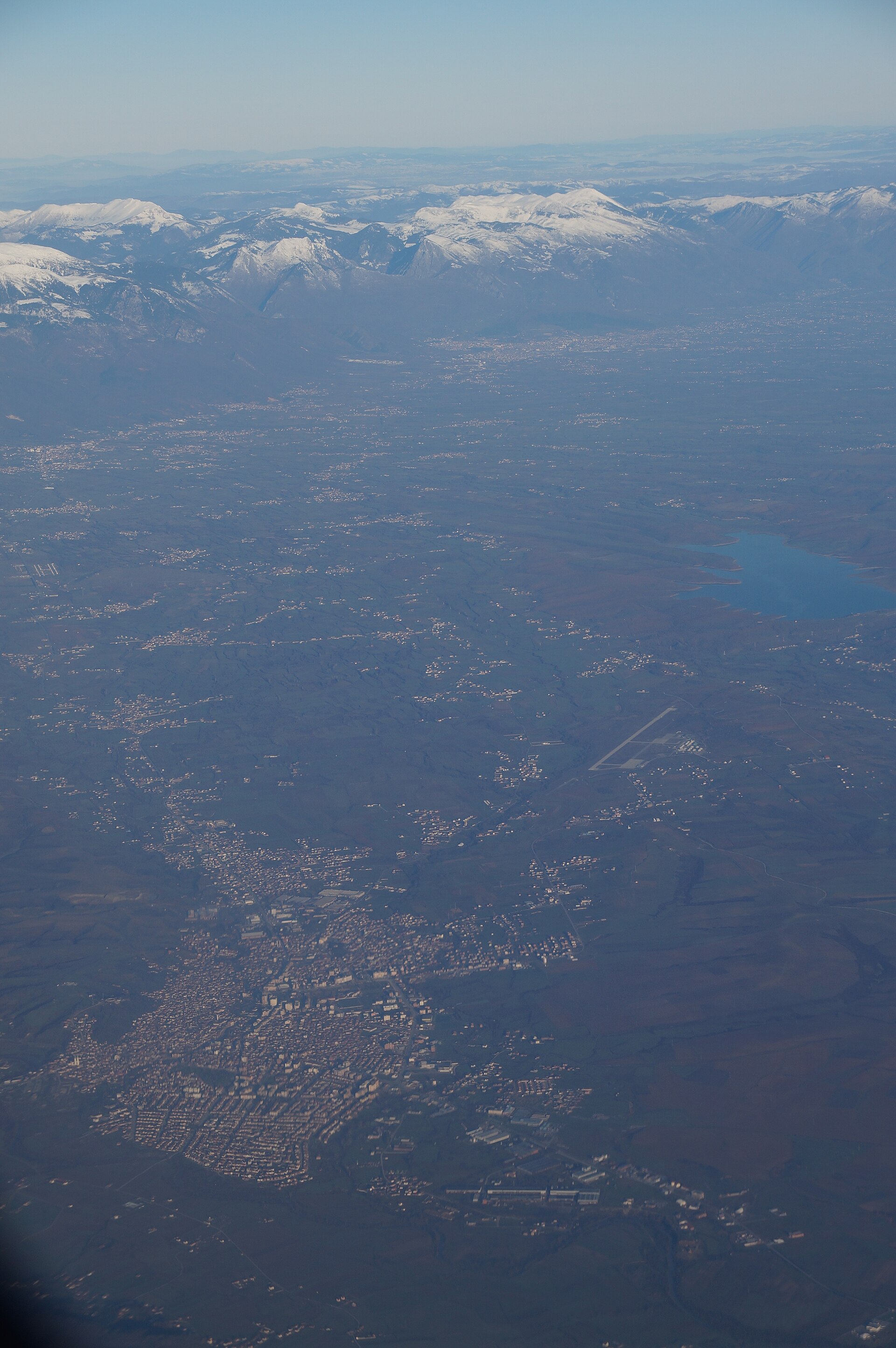
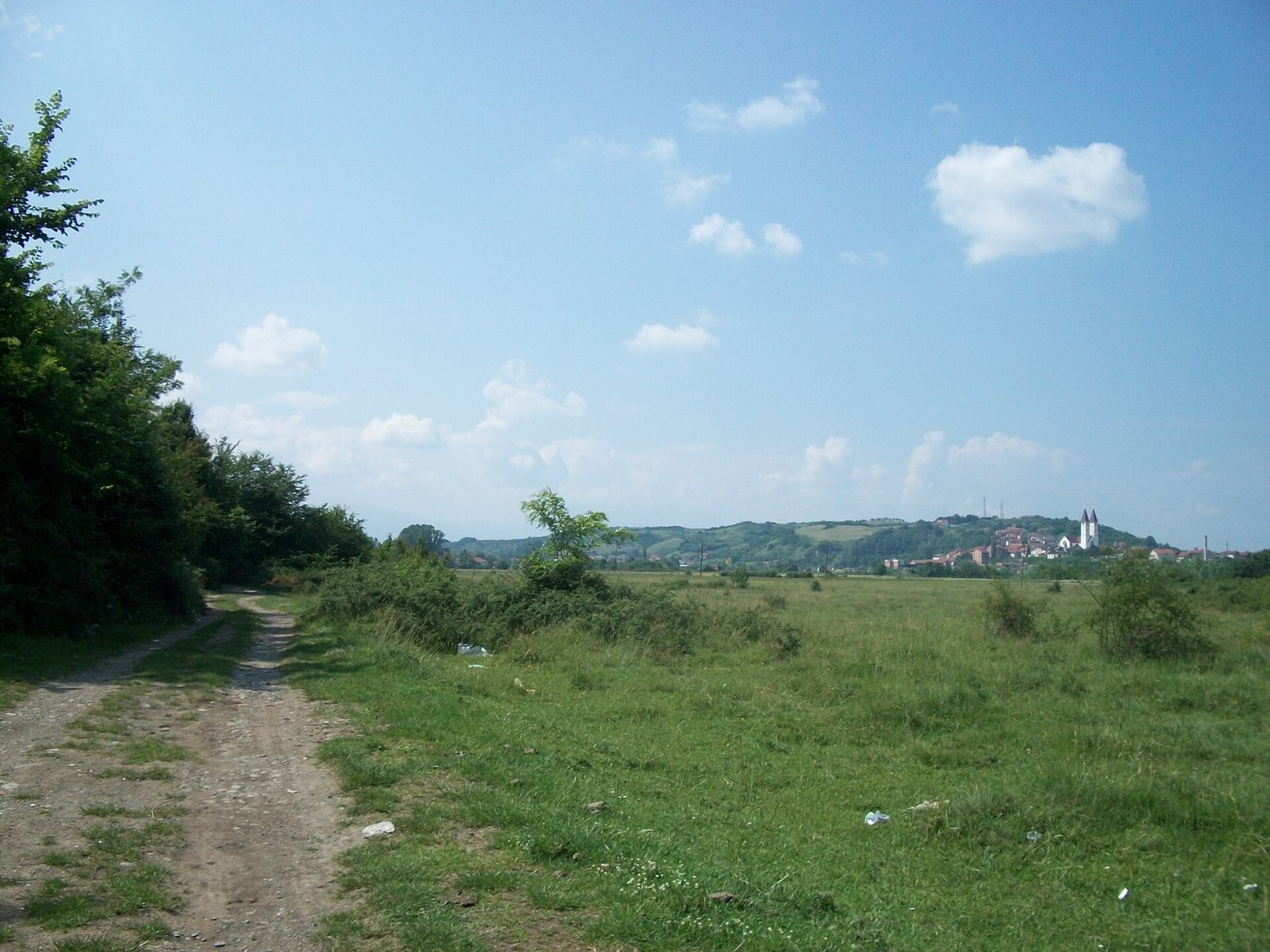
Gjakova is a compact western Kosovo town where Ottoman history and Albanian cultural tradition are concentrated around the Çarshia e Madhe. Its kilometre-long Grand Bazaar, working craft shops, Hadum Mosque, Clock Tower, and ethnographic museum make it a rewarding place to explore slowly on foot.
Best Things to Do in Gjakova
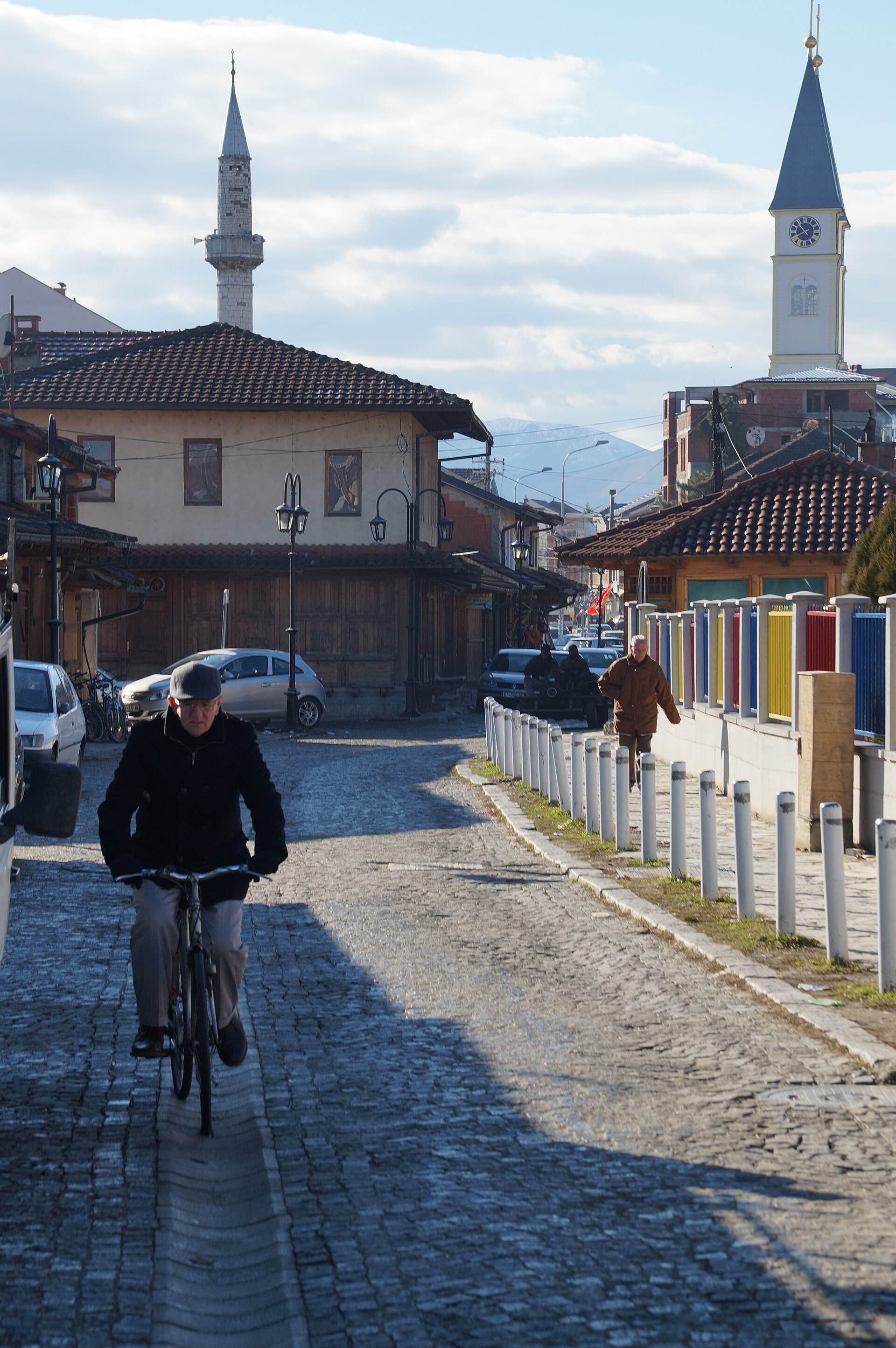
Gjakova (Đakovica) is a city steeped in Ottoman history and Albanian cultural tradition, home to the longest and most atmospheric old bazaar in Kosovo. The Çarshia e Madhe (Grand Bazaar) stretches over a kilometer through the heart of the old town, lined with restored 17th-and 18th-century shopfronts where artisans still work leather, copper, silver, and wood using centuries-old techniques. At the bazaar's northern end stands the Hadum Mosque (Hadum Aga Mosque), built in 1595 and widely considered one of the finest examples of Ottoman religious architecture in the Balkans, with exquisite floral frescoes and a beautifully proportioned dome.
Exploring Gjakova: Top Attractions & Hidden Gems
Nearby, the Clock Tower (Sahat Kulla), erected in the 19th century, still chimes on the hour. Gjakova played a pivotal role in the Albanian national awakening — the League of Prizren's ideas found fertile ground here, and the city's ethnographic museum, housed in a restored Ottoman mansion, tells this story through period rooms, traditional costumes, and weapons. The old town also features the remains of a medieval stone bridge over the Erenik River, destroyed during the 1999 conflict and now a poignant symbol of resilience.
Local Culture & Food in Gjakova
Gjakova's food scene is anchored by the qebaptore restaurants scattered through the bazaar, serving some of the finest grilled meats in the country. The city's annual folklore festival, "Takimi i Këngës," brings traditional music and dance to the streets each summer. artisan traditions, and deep sense of history, Gjakova rewards those who linger.
🗓 Best Time to Visit
April to October. The best time to visit is May-September. Spring and autumn are comfortable for city sightseeing, while summer heat in the cities is offset by cooler temperatures in the mountainous regions like Rugova and Prevalla.
🍽 Food & Drink
Eating in Gjakova centers around traditional family recipes and regional ingredients — historic stone buildings house traditional restaurants where you can taste local recipes passed down through generations. Must-try dishes include: flija (layered pancake dish cooked under a sač), tavë kosi (baked lamb with yogurt), qebapa (grilled meat sausages), byrek (phyllo pies with cheese, spinach, or meat), and sarma (stuffed cabbage rolls). For drinks, try raki (often made from plums or grapes) and the strong Turkish-style coffee served with a foam (kajmak) on top.
🚗 How to Get to Gjakova by Bus, Car & Boat
By car: Well-connected by regional roads. Parking is available on the outskirts. By bus: Regular bus services from the nearest cities. Walking: Gjakova is compact and best explored on foot. Prishtina is very walkable. Local buses are cheap (€0.50). Taxis are affordable with meters. Negotiate the fare upfront if there is no meter. Green taxis are generally reliable.
🥘 Where to Eat in Gjakova: Authentic Local Cuisine
Eating in Gjakova is as much about atmosphere as it is about food — the historic setting provides a beautiful backdrop for traditional cuisine. The main square and surrounding cobblestone streets are lined with restaurants offering local specialties in charming settings with stone walls, candlelit tables, and often live traditional music. For the most authentic experience, venture off the main tourist streets into the side alleys where family-run konobe (traditional taverns) serve recipes passed down through generations at more reasonable prices. Wine bars housed in medieval cellars offer atmospheric tastings of regional wines. During summer, many restaurants set up outdoor terraces in the squares and pedestrian streets, creating a lively dining scene. Street food stalls in the market squares offer quick, affordable local snacks. The local market is perfect for picking up picnic supplies if you're day-tripping. Many restaurants offer a daily set menu (gablec/ručak) at lunch — the most affordable way to sample local cuisine. Kosovan cuisine is a hearty Balkan affair — flija (layered pancake dish), sarma, grilled meats, and fresh salads are staples, best enjoyed with local raki.
🏨 Best Hotels in Gjakova
Staying in Gjakova is an experience in itself — many hotels are housed in beautifully restored historic buildings, offering rooms with original stone walls, exposed wooden beams, and period furnishings. Boutique hotels within the old town walls give you direct access to the cobblestone streets, squares, and landmarks, with restaurants and cafes just steps from your door. For a quieter stay, look for guesthouses and small hotels just outside the old town — they often offer better value, free parking, and the same easy walking access. Many historic town accommodations feature rooftop terraces and courtyards where you can enjoy breakfast or an evening drink overlooking the ancient rooftops. Family-run hotels (known locally as konobe or guesthouses) provide the warmest welcome, often serving homemade specialties for breakfast and offering personalized tips for exploring. Kosovo offers budget-friendly accommodation from modern hotels in Pristina to traditional guesthouses in the mountains and affordable hostels in most towns.
Find a stay in Gjakova
Compare apartments, guesthouses, and vacation rentals while you finalize your route. Flexible cancellation can help when drive times or border plans change.
Browse stays in Gjakova on Vrbo →Accessibility
Gjakova is compact and is described on this page as best explored on foot, but its historic centre and transport arrangements are worth planning around:
- Walking: the Grand Bazaar runs for more than a kilometre through the old town, so allow time to explore it at a comfortable pace.
- Historic streets: the old town includes cobblestone streets; choose footwear that works for an extended walk.
- Parking: the page places parking on the outskirts, so plan for a walk between the car and the centre.
- Arrival and access: regional buses serve Gjakova, but confirm step-free access and the most suitable drop-off point with your transport provider or accommodation before travelling.
Common Mistakes
- Rushing the bazaar. The Çarshia e Madhe extends for more than a kilometre and includes working leather, copper, silver, and wood workshops; leave time to walk its full length.
- Leaving photos until later. This page recommends an early-morning stroll before the shops open for the best photographs.
- Expecting central parking. Parking is described as being on the outskirts, so build in the walk to the old town.
- Assuming every taxi uses a meter. The page advises agreeing the fare upfront if there is no meter.
- Skipping the craft stalls without asking. Bargaining is expected at craft stalls, so approach it respectfully and take time to browse.
Photography
For the clearest view of the Grand Bazaar, walk its full length early in the morning before the shops open, as this page's tips recommend. The Clock Tower can offer views on weekends; ask the museum attendant before planning around it. When photographing working artisans or people in the bazaar, ask first and avoid interrupting their work.
Check current registration and flight rules with the Civil Aviation Authority of Kosovo before flying.
Day Trips
Peja. Add Peja as a separate western Kosovo stop when you want to extend a Gjakova itinerary beyond the old town. Read the Peja guide →
Prizren. For another Kosovo destination with its own guide, consider including Prizren in a wider route. Read the Prizren guide →
Visoki Dečani Monastery. The Visoki Dečani Monastery page is another option to add to a Kosovo itinerary. Read the Visoki Dečani Monastery guide →
Etiquette
A few considerate habits fit the cultural settings described on this page:
- Craft stalls: bargaining is expected, but keep the exchange friendly and give artisans time to show their work.
- Religious sites: at the Hadum Mosque, dress and behave respectfully, and follow any guidance given on arrival.
- People and workshops: ask before photographing artisans or other visitors, particularly while someone is working.
- Restaurants: traditional food is central to the bazaar experience; follow the restaurant's lead on seating and service rather than treating it as a quick stop.
- Taxis: where there is no meter, agree the fare upfront in a calm, courteous way.
Frequently Asked Questions
When is the best time to visit Gjakova?
April to October. The best time to visit is May-September. Spring and autumn are comfortable for city sightseeing, while summer heat in the cities is offset by cooler temperatures in the mountainous regions like Rugova and Prevalla.
How do I get to Gjakova?
By car: Well-connected by regional roads. Parking is available on the outskirts. By bus: Regular bus services from the nearest cities. Walking: Gjakova is compact and best explored on foot. Prishtina is very walkable. Local buses are cheap (€0.50). Taxis are affordable with meters. Negotiate the fare upfront if there is no meter.
How many days do you need in Gjakova?
A visit to Gjakova can be tailored to your interests. Gjakova (Đakovica) is a city steeped in Ottoman history and Albanian cultural tradition, home to the longest and most atmospheric old bazaar in Kosovo.
What is Gjakova known for?
Gjakova (Đakovica) is a city steeped in Ottoman history and Albanian cultural tradition, home to the longest and most atmospheric old bazaar in Kosovo.
Where should I stay in Gjakova?
Staying in Gjakova is an experience in itself — many hotels are housed in beautifully restored historic buildings, offering rooms with original stone walls, exposed wooden beams, and period furnishings.
🗺️ Build a route around Gjakova: Add Gjakova to my itinerary. It opens the planner with this stop selected, so you can add nearby places and set the trip length.
Plan your budget
For country-level budget ranges and planning assumptions, see the Balkan travel costs guide.