

Ulpiana
Ulpiana at a Glance
| Country | Kosovo |
| Region | Central Kosovo — 12 km southeast of Pristina, near Gračanica |
| What it is | Roman and Byzantine archaeological site — the most significant in Kosovo, founded in the 2nd century AD under Emperor Trajan |
| Currency | Euro (€) |
| Language | Albanian, Serbian, and English (the site's information panels are trilingual) |
| Best time to visit | April–October; May–September is ideal |
| Recommended stay | 1–2 days; allow 45 minutes to 1 hour at the site itself |
Why Visit Ulpiana
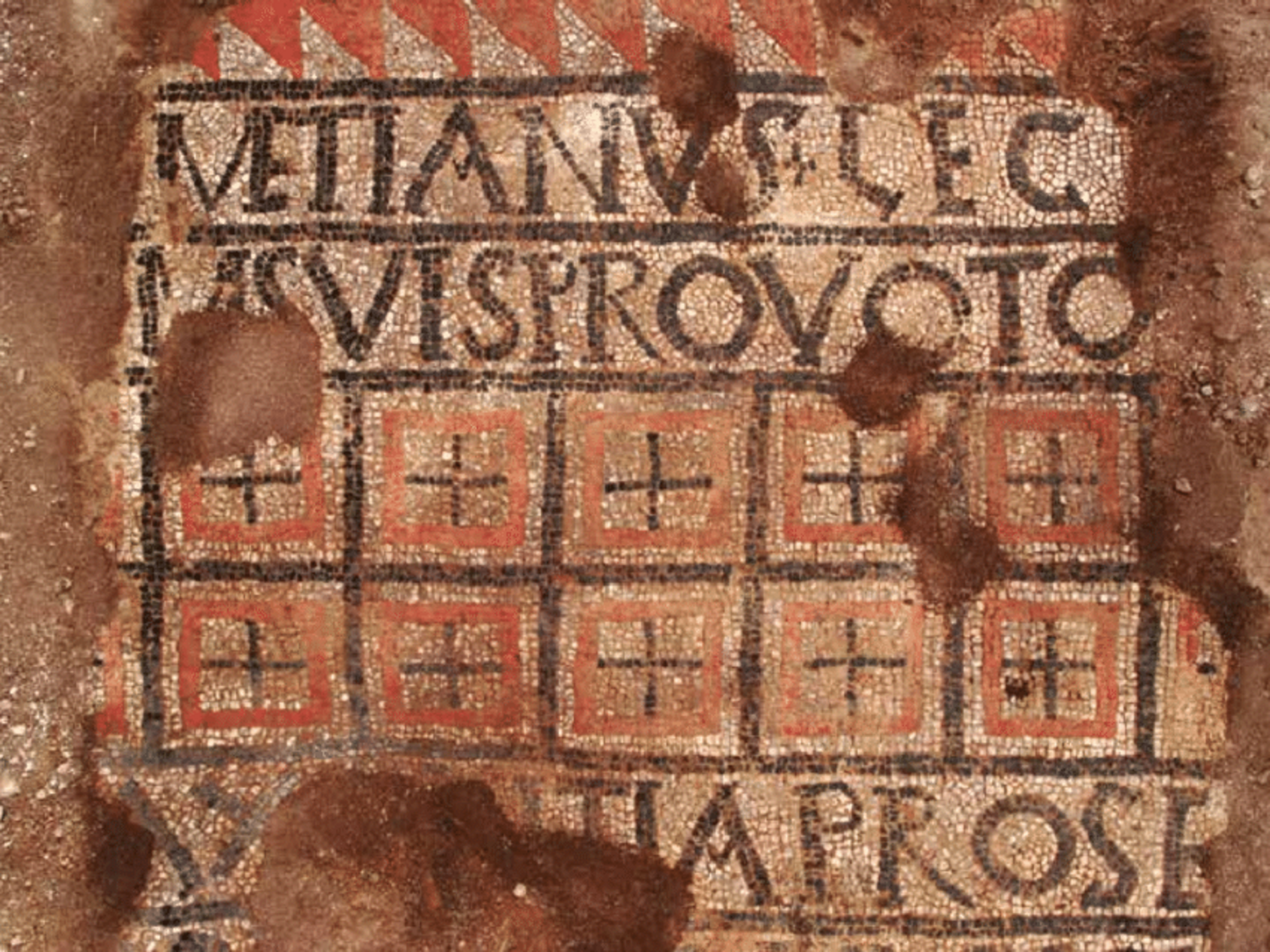
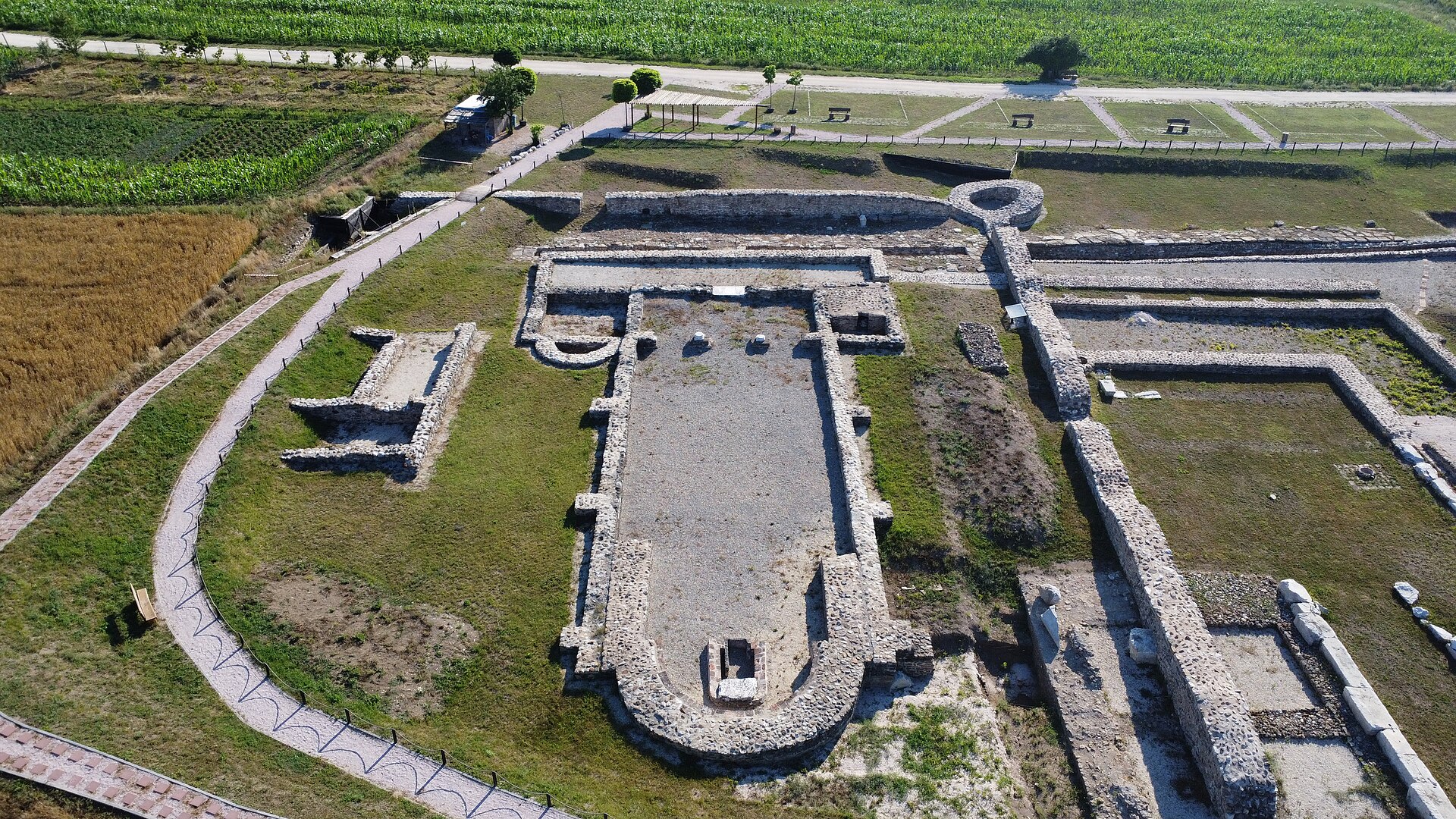
Ulpiana is the most significant archaeological site in Kosovo — a sprawling Roman and Byzantine city founded in the 2nd century AD under Emperor Trajan, just 12 km southeast of Pristina. Excavations since the 1950s have uncovered an early Christian basilica with floor mosaics, sections of city walls and defensive towers, and Roman baths with an advanced hypocaust heating system. The partially reconstructed baptistery and the 6th-century Justinian Gate make the city’s classical and early Christian past tangible, and the site’s free entry and trilingual panels make it an easy half-day outing combined with Gračanica Monastery.
Best Things to Do in Ulpiana
Ulpiana is the most significant archaeological site in Kosovo, a sprawling Roman and Byzantine city founded in the 2nd century AD during the reign of Emperor Trajan. Located just 12 kilometers southeast of Pristina, near the modern town of Gračanica, this ancient city was an important urban center of the Roman province of Dardania (later Moesia Superior), serving as a key administrative, commercial, and religious hub. Excavations, which have been ongoing since the 1950s, have revealed an impressive array of structures: the foundations of a large early Christian basilica with intricate floor mosaics, sections of the city walls and defensive towers, public Roman baths (thermae) with an advanced hypocaust heating system, and the monumental Justinian Gate, named after Byzantine Emperor Justinian I who rebuilt and fortified the city in the 6th century.
Exploring Ulpiana: Top Attractions & Hidden Gems
The site's most striking feature is the partially reconstructed baptistery, whose cruciform shape and mosaic floor hint at Ulpiana's importance as an early Christian center. Coins, pottery, sculptures, and jewelry unearthed here are displayed in the Kosovo Museum in Pristina. The site is fenced but free to enter, with informative panels in Albanian, Serbian, and English guiding visitors through the ruins.
Local Culture & Food in Ulpiana
Ulpiana was destroyed by the Ostrogoths in the 5th century and later rebuilt under Justinian, only to be finally abandoned in the 7th century during the Slavic migrations. Walking among the silent stones, with the modern world humming just beyond the fence, offers a powerful connection to Kosovo's deep classical past. The site is best combined with a visit to nearby Gračanica Monastery for a rich journey through Kosovo's layered heritage.
🗓 Best Time to Visit
April to October. The best time to visit is May-September. Spring and autumn are comfortable for city sightseeing, while summer heat in the cities is offset by cooler temperatures in the mountainous regions like Rugova and Prevalla.
🍽 Food & Drink
Eating in Ulpiana centers around traditional family recipes and regional ingredients — historic stone buildings house traditional restaurants where you can taste local recipes passed down through generations. Must-try dishes include: flija (layered pancake dish cooked under a sač), tavë kosi (baked lamb with yogurt), qebapa (grilled meat sausages), byrek (phyllo pies with cheese, spinach, or meat), and sarma (stuffed cabbage rolls). For drinks, try raki (often made from plums or grapes) and the strong Turkish-style coffee served with a foam (kajmak) on top.
🚗 How to Get to Ulpiana by Bus, Car & Boat
By car: Well-connected by regional roads. Parking is available on the outskirts. By bus: Regular bus services from the nearest cities. Walking: Ulpiana is compact and best explored on foot. Prishtina is very walkable. Local buses are cheap (€0.50). Taxis are affordable with meters. Negotiate the fare upfront if there is no meter. Green taxis are generally reliable.
🥘 Where to Eat in Ulpiana: Authentic Local Cuisine
While Ulpiana itself may not have extensive dining options, the nearby towns and villages offer excellent restaurants serving traditional regional cuisine. Many historical sites have a cafe or snack bar for light refreshments, but the real culinary experiences await in the surrounding settlements. Look for traditional konobe (taverns) and family-run restaurants where recipes have been passed down through generations. These establishments often use ingredients sourced from local farms and producers — fresh cheeses, cured meats, seasonal vegetables, and artisan breads. For a memorable experience, book a table at a restaurant with views overlooking the historical site, especially at sunset when the ancient stones glow golden. Local wineries near archaeological sites often offer tastings paired with regional specialties. Pack a picnic to enjoy on the grounds of the site itself — there's something special about eating surrounded by millennia of history. Kosovan cuisine is a hearty Balkan affair — flija (layered pancake dish), sarma, grilled meats, and fresh salads are staples, best enjoyed with local raki.
🏨 Best Hotels Near Ulpiana
Accommodation options vary by season and location. Book ahead for summer weekends and major local events.
Find a stay in Ulpiana
Compare apartments, guesthouses, and vacation rentals while you finalize your route. Flexible cancellation can help when drive times or border plans change.
Browse stays in Ulpiana on Vrbo →Accessibility
Ulpiana is an open-air excavation rather than a developed visitor complex, so plan around these realities:
- Open-air site: the visit is fully outdoors with no covered visitor building, so it depends on the weather.
- Uneven excavated terrain: the ground between the foundations is uneven — this page recommends sturdy shoes.
- No shade or facilities on site: bring water, a hat, and sun protection; the page notes there are no facilities on site.
- Gračanica nearby: Gračanica Monastery is about 1 km away — confirm its visiting hours before combining visits.
- Museum access: the best artifacts (coins, pottery, sculptures, jewelry) are displayed in the Kosovo Museum in Pristina — confirm its current opening hours and entry requirements before visiting.
- Wheelchair users: the accessibility of the excavated terrain is not documented on this page — confirm with the site before visiting.
Common Mistakes
- Expecting a completed city. Ulpiana is an excavation: you’ll see foundations, wall sections, and mosaics rather than standing buildings — the city was finally abandoned in the 7th century.
- Going at midday in summer. May–September is the best window, but the open site has no shade — go in the morning, when this page notes the light is best for the mosaics.
- Overlooking Gračanica Monastery. The monastery is about 1 km away and pairs naturally with the site for a half-day cultural visit.
- Assuming fixed opening hours. This page does not list site hours — confirm current opening times before you go.
- Wearing the wrong footwear. The excavated ground is uneven; sturdy shoes are recommended.
- Not bringing water. There are no facilities on site — pack your own.
Photography
The mosaics are the highlight, so visit in the morning, when this page notes the light is best. The cruciform baptistery and its mosaic floor reward a low-angle shot from the edge of the excavation, and the Justinian Gate gives a strong vertical anchor against the open sky. Wide shots from the site boundary can frame the wall sections and defensive towers against the surrounding fields. Drone note: Kosovo regulates drones — check current registration and flight rules with the Civil Aviation Authority of Kosovo before flying.
Day Trips
Ulpiana takes only 45 minutes to an hour to see, so it pairs naturally with a wider day out in central Kosovo. These are the combinations this guide's own pages cover.
Gračanica Monastery — about 1 km from the site, this is the easiest add-on: a 14th-century Serbian Orthodox monastery, built in 1321 and listed as a UNESCO World Heritage site, with free entry and an active nunnery on the grounds. This page suggests combining the two for a half-day cultural tour; confirm visiting hours before you go. Gračanica Monastery guide →
Pristina — the capital sits about 12 km northwest of the site, a short drive or bus ride back toward the city. It's where the best Ulpiana finds end up: coins, pottery, sculptures, and jewelry are displayed in the Kosovo Museum. Add the walkable city center while you're there. Pristina guide →
Prizren — the old town and the free hilltop Kalaja Fortress, with its view over the terracotta rooftops, make this a rewarding full-day excursion. It's a longer trip than the Gračanica or Pristina options, so plan a full day and check transport times in advance. Prizren guide →
Brezovica Ski Resort — a winter-season excursion for skiers: the resort in the Sharr Mountains runs roughly December to April, with budget lift passes. Outside the ski season it's a much quieter trip, so time it to the snow. Brezovica guide →
Etiquette
- Coffee culture. Coffee is a social ritual in Kosovo — Turkish-style coffee, often served with foam (kajmak) on top, is common, and a coffee invitation is customarily a chance to sit and talk rather than a quick pit stop. Accepting is a polite gesture even if you drink slowly.
- Greetings. A handshake is the standard greeting, often with a smile and direct eye contact; among friends you'll also hear the informal "tung" (hi in Albanian). Asking how someone is before getting down to business is common.
- Dress at religious sites. At an active Orthodox monastery like Gračanica, modest dress is commonly expected — covering shoulders and knees is a safe default, and visitors are often asked to keep quiet inside the church itself. This page advises confirming visiting hours in advance.
- Currency and cash. Kosovo uses the euro, and cash is often the most practical option at smaller sites, markets, and rural stops like Ulpiana — which has no facilities on site — while card payments are more common in larger Pristina establishments.
- Hospitality. Hospitality runs deep, and it's common to be offered coffee, tea, or something to eat when visiting a home. Declining politely is accepted, but accepting is customarily seen as a sign of respect.
- Language basics. A few words of Albanian go a long way: faleminderit (thank you), përshëndetje (hello), and tung (hi). English is commonly spoken at tourist-facing sites like Ulpiana, whose information panels are trilingual — Albanian, Serbian, and English.
- Photography. Ask before photographing people — and at religious sites, check whether photography is allowed inside, as it often isn't during services.
Frequently Asked Questions
When is the best time to visit Ulpiana?
April to October. The best time to visit is May-September. Spring and autumn are comfortable for city sightseeing, while summer heat in the cities is offset by cooler temperatures in the mountainous regions like Rugova and Prevalla.
How do I get to Ulpiana?
By car: Well-connected by regional roads. Parking is available on the outskirts. By bus: Regular bus services from the nearest cities. Walking: Ulpiana is compact and best explored on foot. Prishtina is very walkable. Local buses are cheap (€0.50). Taxis are affordable with meters. Negotiate the fare upfront if there is no meter.
How many days do you need in Ulpiana?
A visit to Ulpiana can be tailored to your interests. Ulpiana is the most significant archaeological site in Kosovo, a sprawling Roman and Byzantine city founded in the 2nd century AD during the reign of Emperor Trajan.
What is Ulpiana known for?
Ulpiana is the most significant archaeological site in Kosovo, a sprawling Roman and Byzantine city founded in the 2nd century AD during the reign of Emperor Trajan.
Where should I stay in Ulpiana?
While Ulpiana itself is primarily a heritage attraction, the nearest town or city offers a range of accommodation options to suit every budget. Look for hotels and guesthouses that provide easy access to the site — many offer shuttle services or are within walking distance.
🗺️ Want to add this stop to your trip? Drop this location into our Interactive Balkan Trip Planner to map out a route-optimized itinerary in seconds.
Plan your budget
For country-level budget ranges and planning assumptions, see the Balkan travel costs guide.