
Lokrum Island
Lokrum Island at a Glance
| Setting | Car-free nature reserve 600 metres from Dubrovnik’s Old Town |
| Known for | Mediterranean forest, Benedictine monastery, botanical garden, and peacocks |
| Highlights | Monastery complex, Dead Sea, and shaded paths |
| Best time | April–October |
| Recommended stay | Half to 1 day |
Why Visit
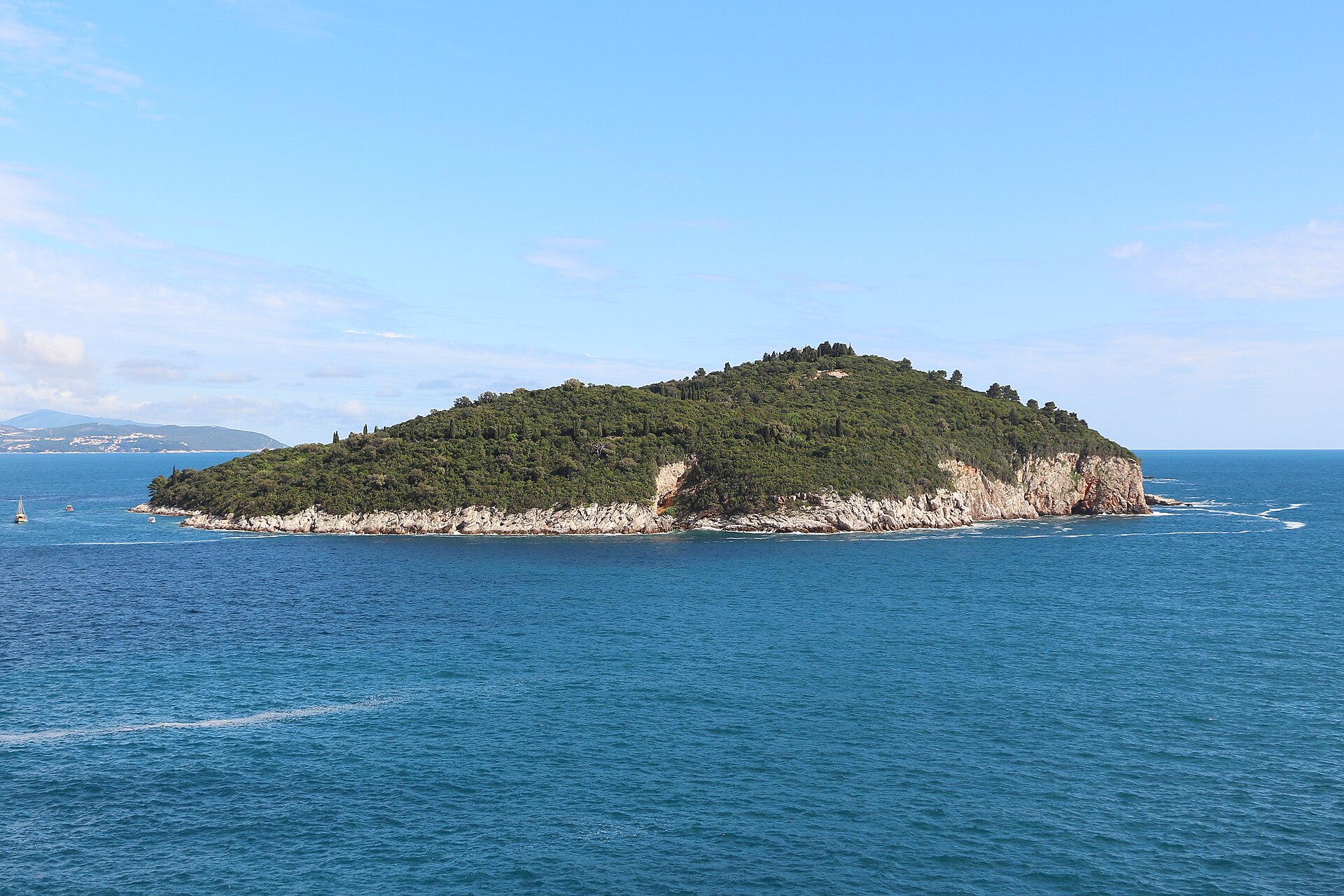
Lokrum combines a car-free nature reserve with Mediterranean forest, the former Benedictine monastery, a botanical garden, peacocks, and the unusual Dead Sea salt lake. Its proximity to Dubrovnik makes it a distinct island visit rather than another Old Town street.
Accessibility
Island paths, rocky shorelines, monastery spaces, and the Dead Sea area do not have identical surfaces or access. The page does not establish step-free routes across the reserve, so check the specific route before visiting.
Common Mistakes
Do not plan Lokrum as only a monastery photograph. Allow time for the forest paths, botanical and historic areas, and shoreline, while leaving flexibility for the ferry crossing.
Photography
Forest paths, monastery details, cloister spaces, shoreline, peacocks, and the Dead Sea offer varied subjects. Keep distance from wildlife and ask before photographing people or interiors. Croatia regulates drones — check current registration and flight rules with the Croatian Civil Aviation Agency (CCAA) before flying.
Etiquette
- Do not feed or chase the peacocks.
- Follow reserve, monastery, and shoreline instructions.
- Leave the island’s paths and natural areas clean.
Frequently Asked Questions
When is the best time to visit Lokrum Island?
May-October. Croatia experiences Mediterranean climate on the coast (hot, dry summers; mild winters) and continental climate inland. The Adriatic sea is warmest for swimming from June through September. The shoulder months of May, June, and September offer pleasant temperatures without the summer crowds.
How do I get to Lokrum Island?
By car: A car is the most practical way to reach Lokrum Island, as public transport to national parks and remote natural areas is limited. Parking is available at visitor centers. By bus/tour: Some parks are served by seasonal buses or organized tours from major cities.
How many days do you need in Lokrum Island?
A visit to Lokrum Island can be tailored to your interests. Lokrum Island is Dubrovnik's secret weapon — a lush, car-free nature reserve just 600 meters and a 15-minute ferry ride from the Old Town, yet it feels worlds away from the bustling crowds.
What is Lokrum Island known for?
Lokrum Island is Dubrovnik's secret weapon — a lush, car-free nature reserve just 600 meters and a 15-minute ferry ride from the Old Town, yet it feels worlds away from the bustling crowds.
Where should I stay in Lokrum Island?
While Lokrum Island itself is a natural wonder with limited accommodation inside its boundaries, the surrounding areas offer a range of places to stay. The nearest towns and villages provide everything from cozy guesthouses run by local families to comfortable hotels with modern amenities.
Best Things to Do in Lokrum Island
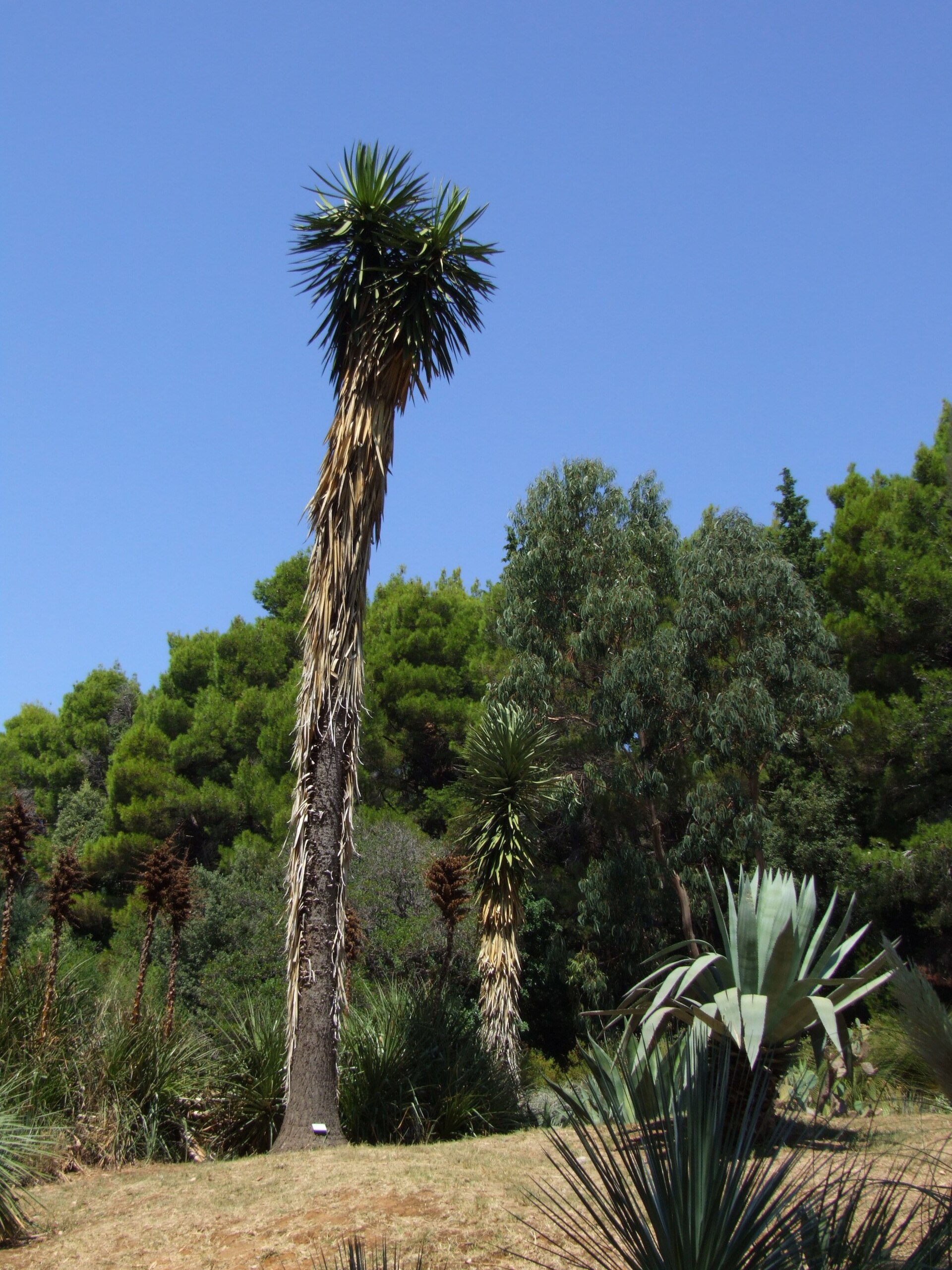
Lokrum Island is Dubrovnik's secret weapon — a lush, car-free nature reserve just 600 meters and a 15-minute ferry ride from the Old Town, yet it feels worlds away from the bustling crowds. The island is covered in dense Mediterranean forest — Aleppo pines, holm oaks, cypresses, and palm trees — creating a cool, fragrant sanctuary where peacocks strut freely across the pathways (they were introduced by the Habsburg Archduke Maximilian Ferdinand in the 19th century and have been thriving there ever since). The centerpiece of Lokrum is the former Benedictine monastery, founded in the 11th century and rebuilt in the 15th century in Gothic and Renaissance styles.
Exploring Lokrum Island: Top Attractions & Hidden Gems
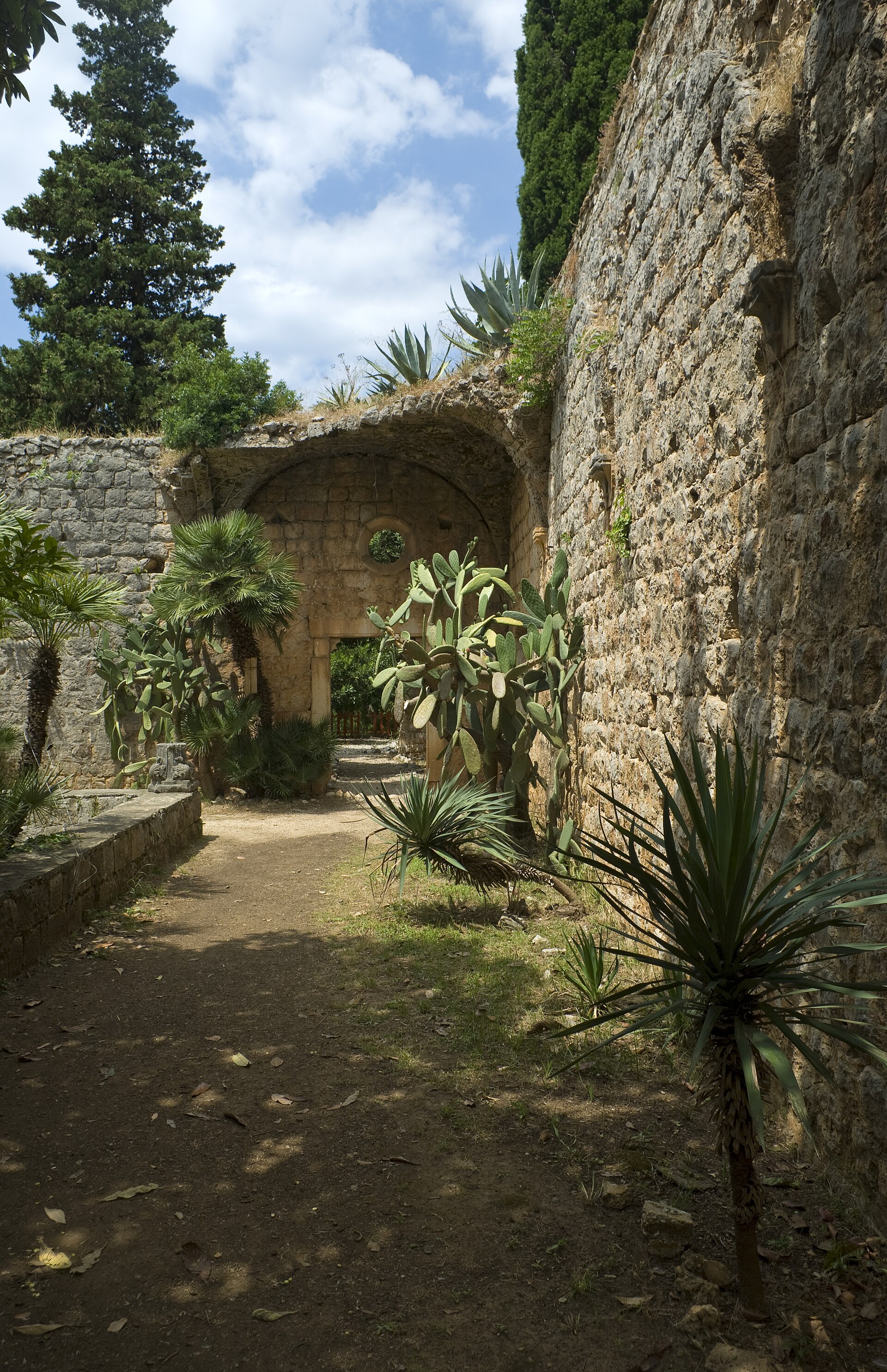
The monastery was famously cursed — according to legend, the last Benedictine abbot cursed the island so that any owner of Lokrum would die a violent death, prompting a series of owners to attempt to break the curse. Today the monastery houses a museum, a restaurant, and a impressive cloister garden. Lokrum's most unusual feature is the Dead Sea (Mrtvo More), a small saltwater lake separated from the Adriatic by a narrow strip of land, where the water is warmer and significantly saltier than the surrounding sea, making swimming here a uniquely buoyant experience.
Local Culture & Food in Lokrum Island
Game of Thrones fans will recognize Lokrum as the location of Qarth, the 'greatest city that ever was or ever will be' — the monastery's cloister was used as the setting where Daenerys Targaryen was denied entry. The island's botanical garden, established in the 19th century, contains over 200 species from around the world, including towering cacti and subtropical plants. A circular walking trail circuits the entire island (about 2 hours), passing through forests, past rocky coves ideal for swimming, and up to the Fort Royal fortress at the highest point, which offers magnificent views of Dubrovnik's Old Town, the Adriatic, and the Elaphiti Islands. Lokrum is the perfect half-day escape from Dubrovnik.
🗓 Best Time to Visit
May-October. Croatia experiences Mediterranean climate on the coast (hot, dry summers; mild winters) and continental climate inland. The Adriatic sea is warmest for swimming from June through September. The shoulder months of May, June, and September offer pleasant temperatures without the summer crowds. Istria and inland Croatia are lovely in the autumn harvest season (September-October).
🍽 Food & Drink
Pack a picnic! Traditional mountain food in the region includes hearty stews, grilled meats, local cheeses, and fresh bread — perfect refueling after a day on the trails. Nearby villages and mountain huts serve local specialties. Must-try dishes include: black risotto (crni rižot) with cuttlefish ink, peka (meat or octopus baked under a bell-shaped lid), pašticada (beef stew in sweet-sour sauce), fresh oysters from Ston, and truffle pasta in Istria. For drinks, try local wines like Plavac Mali, Pošip, Grk, and Dingač, plus rakija (fruit brandy) and the herbal liqueur Pelinkovac.
🚗 How to Get to Lokrum Island by Bus, Car & Boat
By car: A car is the most practical way to reach Lokrum Island, as public transport to national parks and remote natural areas is limited. Parking is available at visitor centers. By bus/tour: Some parks are served by seasonal buses or organized tours from major cities. Getting around: Once inside, walking trails, boardwalks, and park shuttle buses are the primary means of exploration. The A1 highway runs the length of the coast. Jadrolinija ferries and Krilo catamarans connect coastal cities and islands — book ahead in summer. Buses are excellent. The Zagreb-Split train is a scenic option.
🥘 Where to Eat in Lokrum Island: Authentic Local Cuisine
Dining options around Lokrum Island range from mountain huts and park cafes serving hearty snacks and hot meals to restaurants in nearby villages specializing in traditional local cuisine. Packing a picnic is a wonderful option — local markets in the nearest towns offer fresh bread, local cheeses, cured meats, and seasonal fruit that make for an unforgettable al fresco lunch surrounded by nature. Many park entrances have basic cafes serving coffee, pastries, and simple hot meals. The villages around the park are where you'll find the best traditional restaurants, often using ingredients sourced from the surrounding forests and farms. In season, look for wild mushroom dishes, game stews, foraged greens, and local dairy products. Spring water fountains are common in most natural areas, so bring a reusable bottle to fill up. If staying at a mountain lodge, be sure to try their home-cooked dinner — these family-run establishments take pride in their local recipes. Croatian cuisine varies by region — Dalmatian seafood and peka, Istrian truffles and pršut, and Zagreb's hearty continental dishes with excellent local wines.
🏨 Best Hotels Near Lokrum Island
While Lokrum Island itself is a natural wonder with limited accommodation inside its boundaries, the surrounding areas offer a range of places to stay. The nearest towns and villages provide everything from cozy guesthouses run by local families to comfortable hotels with modern amenities. For nature lovers, eco-lodges and mountain cabins offer the chance to sleep surrounded by forest, waking up to birdsong and fresh mountain air. Many of these accommodations provide packed lunches for day trips into the park, as well as guided tour arrangements and equipment rental. Camping facilities are available nearby for those seeking a more immersive outdoor experience. Book well in advance during peak season (June-September), as accommodation near popular natural attractions fills quickly. Staying nearby also means you can arrive at the park entrance before the crowds, enjoying the trails in peaceful morning light. Croatia offers accommodation from luxury hotels in Dubrovnik and Hvar to family-run konoba guesthouses on the islands and affordable apartments in Split and Zagreb.
Find a stay in Lokrum Island
Compare apartments, guesthouses, and vacation rentals while you finalize your route. Flexible cancellation can help when drive times or border plans change.
Browse stays in Lokrum Island on Vrbo →🗺️ Want to add this stop to your trip? Drop this location into our Interactive Balkan Trip Planner to map out a route-optimized itinerary in seconds.
Plan your budget
For country-level budget ranges and planning assumptions, see the Balkan travel costs guide.