
Motovun – Hilltop Town
Motovun – Hilltop Town at a Glance
| Country | Croatia |
| Setting | 277-metre hill above the Mirna River valley |
| Known for | Venetian walls, Istrian truffles, and wine roads |
| Best time | April–June and September–October |
Why Visit Motovun – Hilltop Town
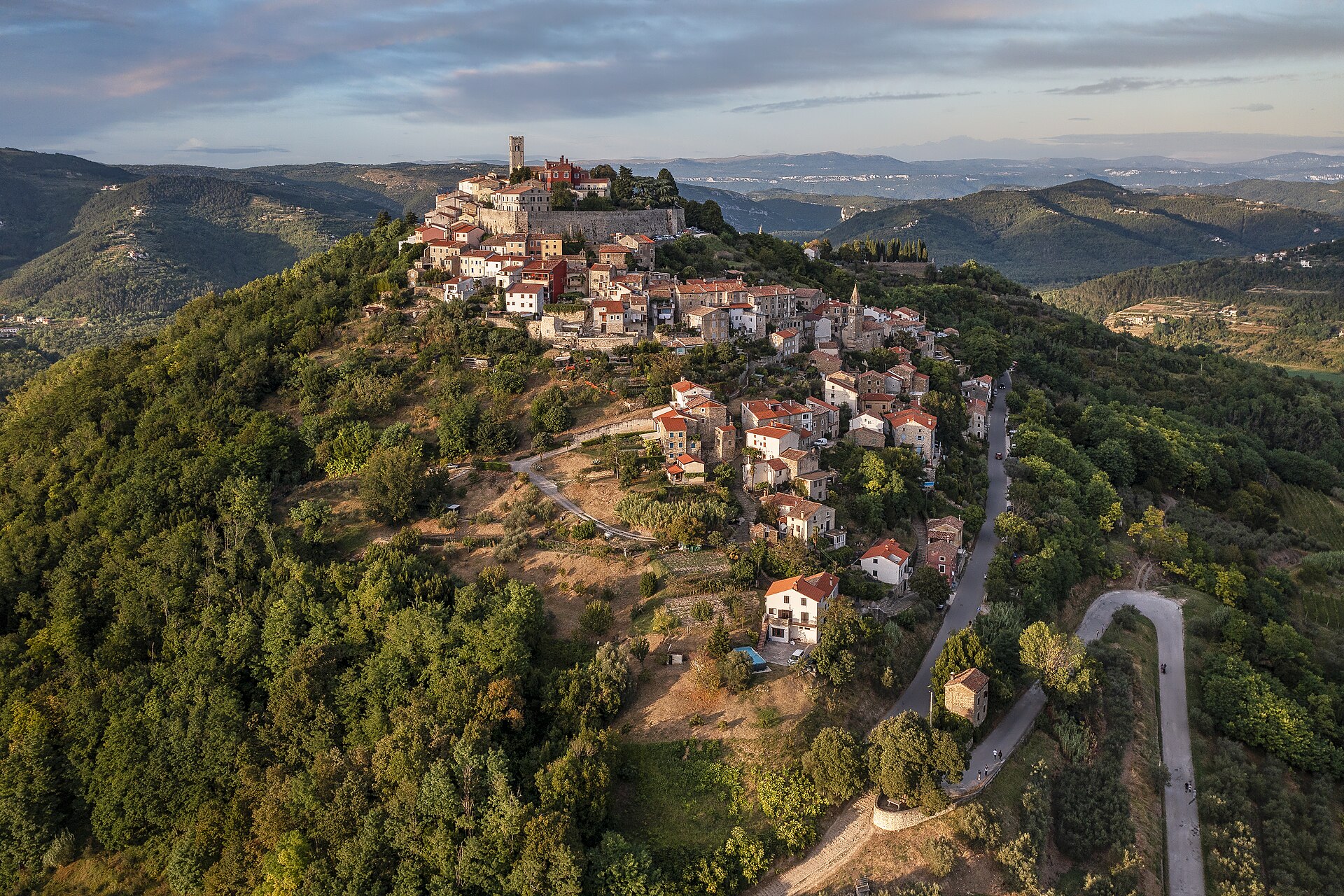
Motovun combines a medieval hilltop town, three rings of Venetian-era fortifications, and views across the vineyards and olive groves of the Mirna River valley.
The surrounding Motovun Forest is known on the page for Istrian white truffles, while the late-July film festival adds a separate cultural reason to visit.
Overview
The visit is organized around the walls, central square, Church of St. Stephen, loggia, and the steep relationship between the hilltop town and the valley below.
Motovun also works as a base for Istrian wine roads, nearby hilltop villages such as Oprtalj and Buzet, and truffle experiences that run from September to January according to the page.
Best Things to Do in Motovun
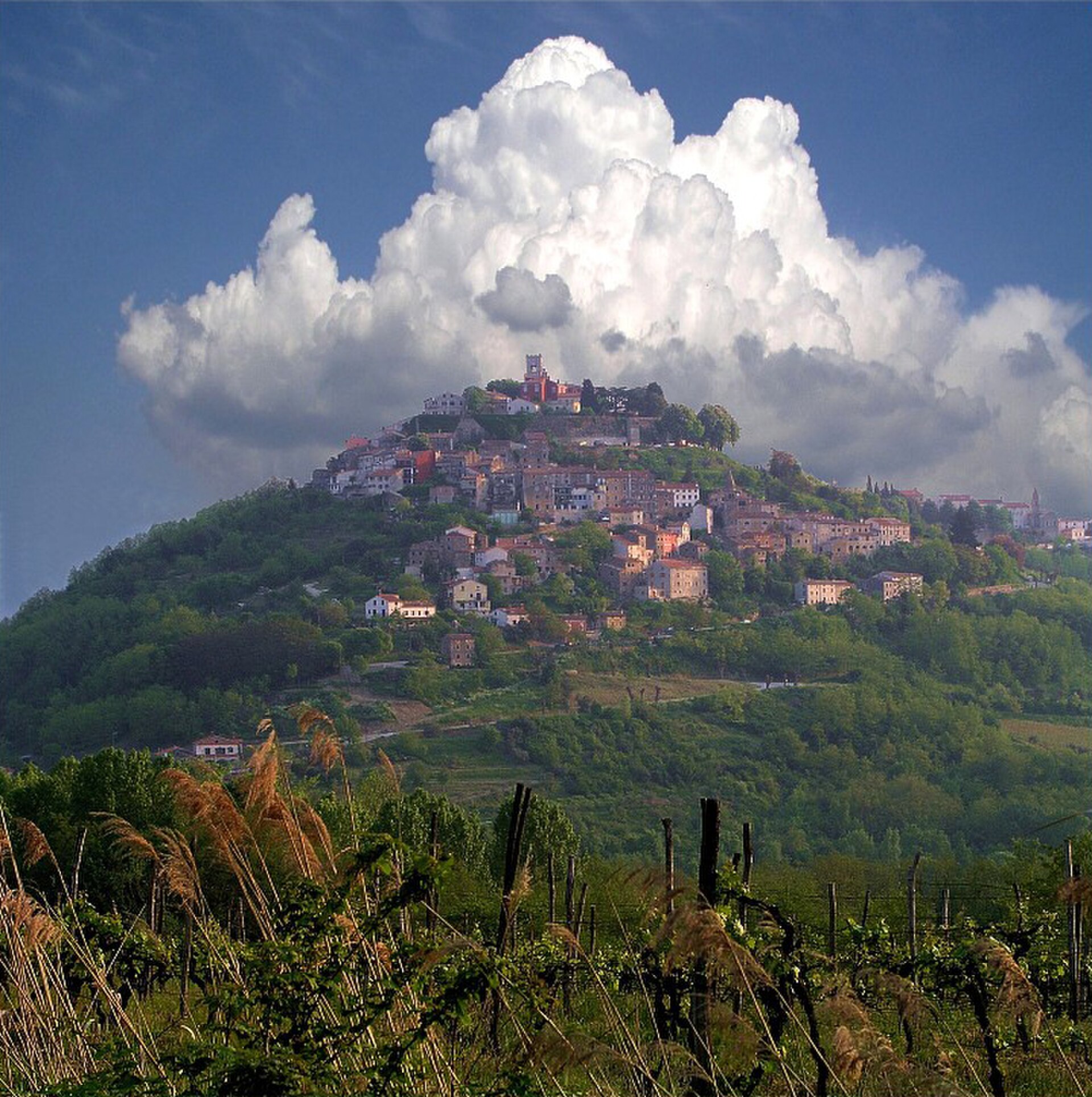
Motovun is the quintessential Istrian hilltop town, a picture-perfect medieval settlement perched dramatically atop a 277-meter hill that rises like an island from the sea of green vineyards and rolling hills of the Mirna River valley below. The town is encircled by three concentric rings of Venetian-era fortification walls — a testament to its strategic importance when it changed hands between the Patriarchs of Aquileia and the Republic of Venice. Walking the full circuit of the walls offers ever-changing, impressive views of the valley, with the Mirna River winding through patchwork fields of vines and olive groves all the way to the Adriatic.
Exploring Motovun: Top Attractions & Hidden Gems
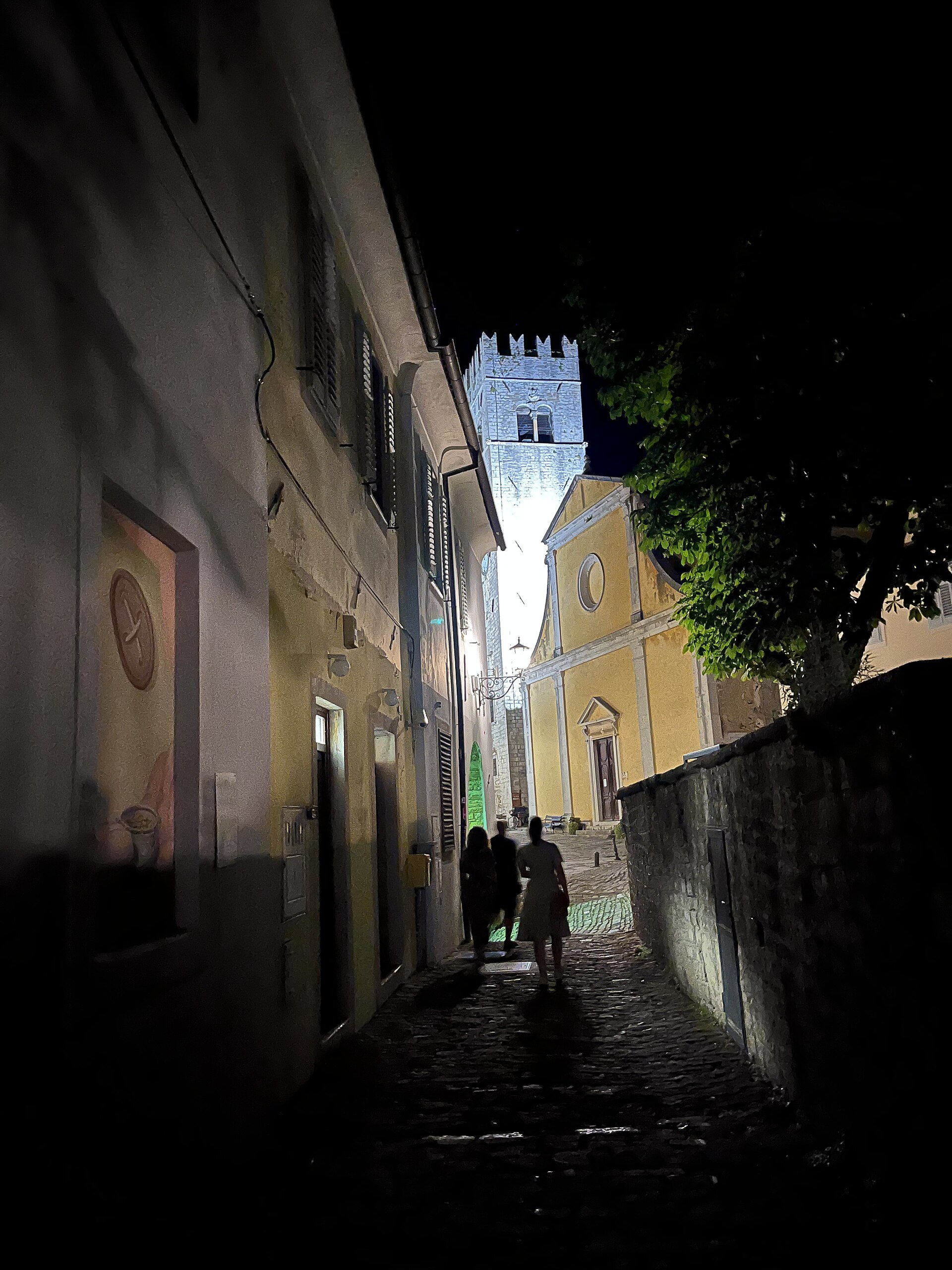
Motovun's narrow cobblestone streets are lined with stone houses adorned with flowers, opening onto a central square dominated by the Church of St. Stephen and a distinctive loggia. But what truly puts Motovun on the global culinary map is the famous Motovun Forest, one of the world's most productive truffle habitats.
Local Culture & Food in Motovun
The Istrian white truffle (Tuber magnatum) found here rivals the best from Alba, Italy, and local truffle hunters (tartufai) with their specially trained dogs still work the forest floors from September to January. The town's restaurants serve truffles in every conceivable form — shaved over pasta, infused into olive oil, stuffed into cheese, and even incorporated into ice cream. The annual Motovun Film Festival in late July transforms the town into an open-air cinema, drawing filmmakers, artists, and cinephiles from across Europe for a week of screenings under the stars. Despite its tiny permanent population (fewer than 1,000 residents), Motovun is a lively cultural destination that also is the perfect base for exploring Istria's wine roads, visiting nearby hilltop villages like Oprtalj and Buzet, and cycling through the surrounding countryside.
🗓 Best Time to Visit
April-June & September-October. Croatia experiences Mediterranean climate on the coast (hot, dry summers; mild winters) and continental climate inland. The Adriatic sea is warmest for swimming from June through September. The shoulder months of May, June, and September offer pleasant temperatures without the summer crowds. Istria and inland Croatia are lovely in the autumn harvest season (September-October).
🍽 Food & Drink
Motovun – Hilltop Town has a lively food scene with options ranging from traditional eateries to modern restaurants. This is a great place to sample local cuisine and regional specialties. Must-try dishes include: black risotto (crni rižot) with cuttlefish ink, peka (meat or octopus baked under a bell-shaped lid), pašticada (beef stew in sweet-sour sauce), fresh oysters from Ston, and truffle pasta in Istria. For drinks, try local wines like Plavac Mali, Pošip, Grk, and Dingač, plus rakija (fruit brandy) and the herbal liqueur Pelinkovac.
🚗 How to Get to Motovun by Bus, Car & Boat
The A1 highway runs the length of the coast. Jadrolinija ferries and Krilo catamarans connect coastal cities and islands — book ahead in summer. Buses are excellent. The Zagreb-Split train is a scenic option. Taxis and Uber/Bolt operate in all cities. City bus networks cover the rest. On islands, renting a scooter or bike is the best way to explore. Toll roads (A1, A6) accept cards or the ETC toll pass.
🥘 Where to Eat in Motovun: Authentic Local Cuisine
Eating in Motovun – Hilltop Town is a hearty affair focused on warming, energy-rich mountain cuisine. Mountain huts and lodges serve filling meals like stews, grilled meats, pasta, and soups — perfect refueling after a day of hiking or skiing. In the base towns, traditional restaurants (konobe/mehane) offer local specialties in cozy settings with open fireplaces. Many of these family-run establishments take great pride in their homemade sausages, cured meats, and cheese — often produced on the premises. In winter, ski chalets and mountain-top restaurants provide memorable dining experiences with panoramic alpine views. For a special evening, look for restaurants offering local game dishes (venison, wild boar) or traditional multi-course dinners that showcase the region's culinary heritage. The local brandies (rakija/schnapps) are excellent digestifs, often homemade and infused with herbs, honey, or fruit. Don't leave without trying the local pastry specialties, perfect with an afternoon coffee. Croatian cuisine varies by region — Dalmatian seafood and peka, Istrian truffles and pršut, and Zagreb's hearty continental dishes with excellent local wines.
🏨 Best Hotels in Motovun – Hilltop Town
Motovun – Hilltop Town offers accommodation that ranges from cozy mountain huts (planinarski dom) and guesthouses for hikers to comfortable hotels with spa facilities for those seeking relaxation after a day on the trails. Mountain lodges provide the most authentic experience, often serving hearty local meals and offering impressive valley views from their terraces. In winter, ski-in/ski-out hotels are available for easy access to the slopes. Many guesthouses are family-run, offering homemade breakfasts with local produce and warm hospitality. For a unique stay, look for traditional stone cottages that have been converted into modern holiday homes, combining rustic charm with contemporary comfort. The base towns at the foot of the mountain offer more extensive dining and entertainment options, while staying higher up provides peace and proximity to trailheads. Croatia offers accommodation from luxury hotels in Dubrovnik and Hvar to family-run konoba guesthouses on the islands and affordable apartments in Split and Zagreb.
Find a stay in Motovun
Compare apartments, guesthouses, and vacation rentals while you finalize your route. Flexible cancellation can help when drive times or border plans change.
Browse stays in Motovun on Vrbo →Accessibility
- The page’s insider advice is to park outside the walls in the lower lot and take the free shuttle bus up; confirm the current shuttle arrangement before relying on it.
- The hilltop, narrow cobbled streets, and fortification circuit may involve steep or uneven surfaces. The page does not guarantee step-free access to the walls or historic interiors; confirm before visiting if needed.
Common Mistakes
- Trying to drive or park inside the walls instead of using the lower lot and shuttle advice on the page.
- Attempting the hilltop walk in summer heat without allowing for the steep climb.
- Visiting outside September–January while expecting the same truffle-hunting season.
- Arriving during the late-July film festival without planning for a busier town and fuller accommodation.
Photography
- Walk the full wall circuit for changing views over the Mirna River valley, vineyards, and olive groves.
- Use the Church of St. Stephen, loggia, and stone houses for close architectural details.
- Photograph the hilltop from below as well as from the walls to make the 277-metre setting clear.
- Croatia regulates drones — check current registration and flight rules with the Croatian Civil Aviation Agency (CCAA) before flying.
Etiquette
- Keep the narrow streets clear for residents and the shuttle.
- Do not climb restricted walls or enter private courtyards.
- Ask before photographing truffle hunters, dogs, residents, or diners.
- Follow church and heritage-site instructions.
- Stay on public paths and respect vineyards, forest, and private land.
Frequently Asked Questions
When is the best time to visit Motovun – Hilltop Town?
April-June & September-October. Croatia experiences Mediterranean climate on the coast (hot, dry summers; mild winters) and continental climate inland. The Adriatic sea is warmest for swimming from June through September. The shoulder months of May, June, and September offer pleasant temperatures without the summer crowds.
How do I get to Motovun – Hilltop Town?
The A1 highway runs the length of the coast. Jadrolinija ferries and Krilo catamarans connect coastal cities and islands — book ahead in summer. Buses are excellent. The Zagreb-Split train is a scenic option. Taxis and Uber/Bolt operate in all cities. City bus networks cover the rest.
How many days do you need in Motovun – Hilltop Town?
A visit to Motovun – Hilltop Town can be tailored to your interests. Motovun is the quintessential Istrian hilltop town, a picture-perfect medieval settlement perched dramatically atop a 277-meter hill that rises like an island from the sea of green vineyards and rolli.
What is Motovun – Hilltop Town known for?
Motovun is the quintessential Istrian hilltop town, a picture-perfect medieval settlement perched dramatically atop a 277-meter hill that rises like an island from the sea of green vineyards and rolling hills of the Mirna River valley below.
Where should I stay in Motovun – Hilltop Town?
Motovun – Hilltop Town offers accommodation that ranges from cozy mountain huts (planinarski dom) and guesthouses for hikers to comfortable hotels with spa facilities for those seeking relaxation after a day on the trails.
🗺️ Build a route around Motovun – Hilltop Town: Add Motovun – Hilltop Town to my itinerary. It opens the planner with this stop selected, so you can add nearby places and set the trip length.
Plan your budget
For country-level budget ranges and planning assumptions, see the Balkan travel costs guide.