

Ston – Walls & Oysters

Ston at a Glance
| Setting | Small fortified town on the Pelješac peninsula |
| Known for | Medieval walls, salt pans, Mali Ston Bay, and oysters |
| Highlights | Ston Walls, salt works, Mali Ston, and coastal views |
| Best time | April–October |
| Recommended stay | 1–2 days |
Why Visit
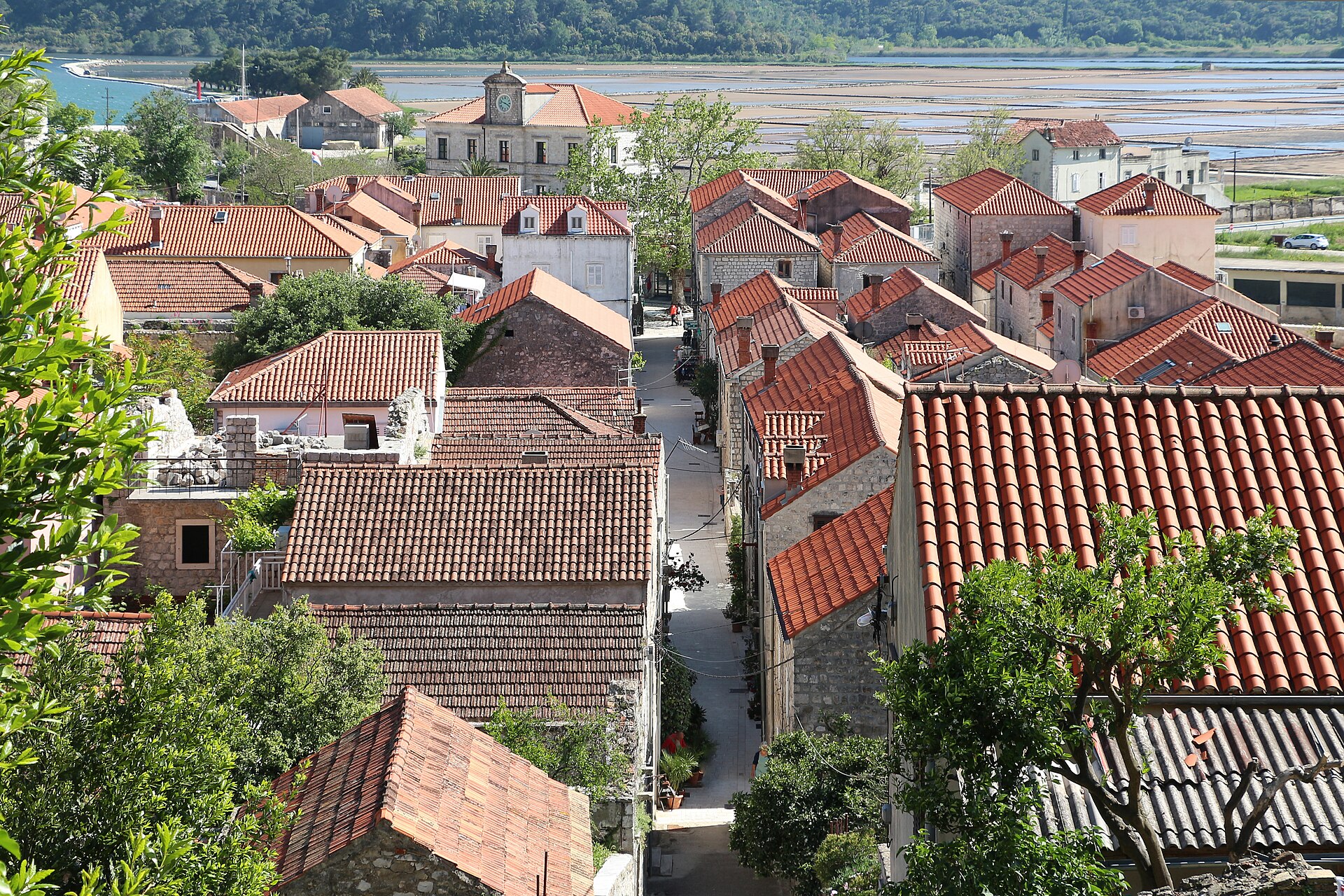
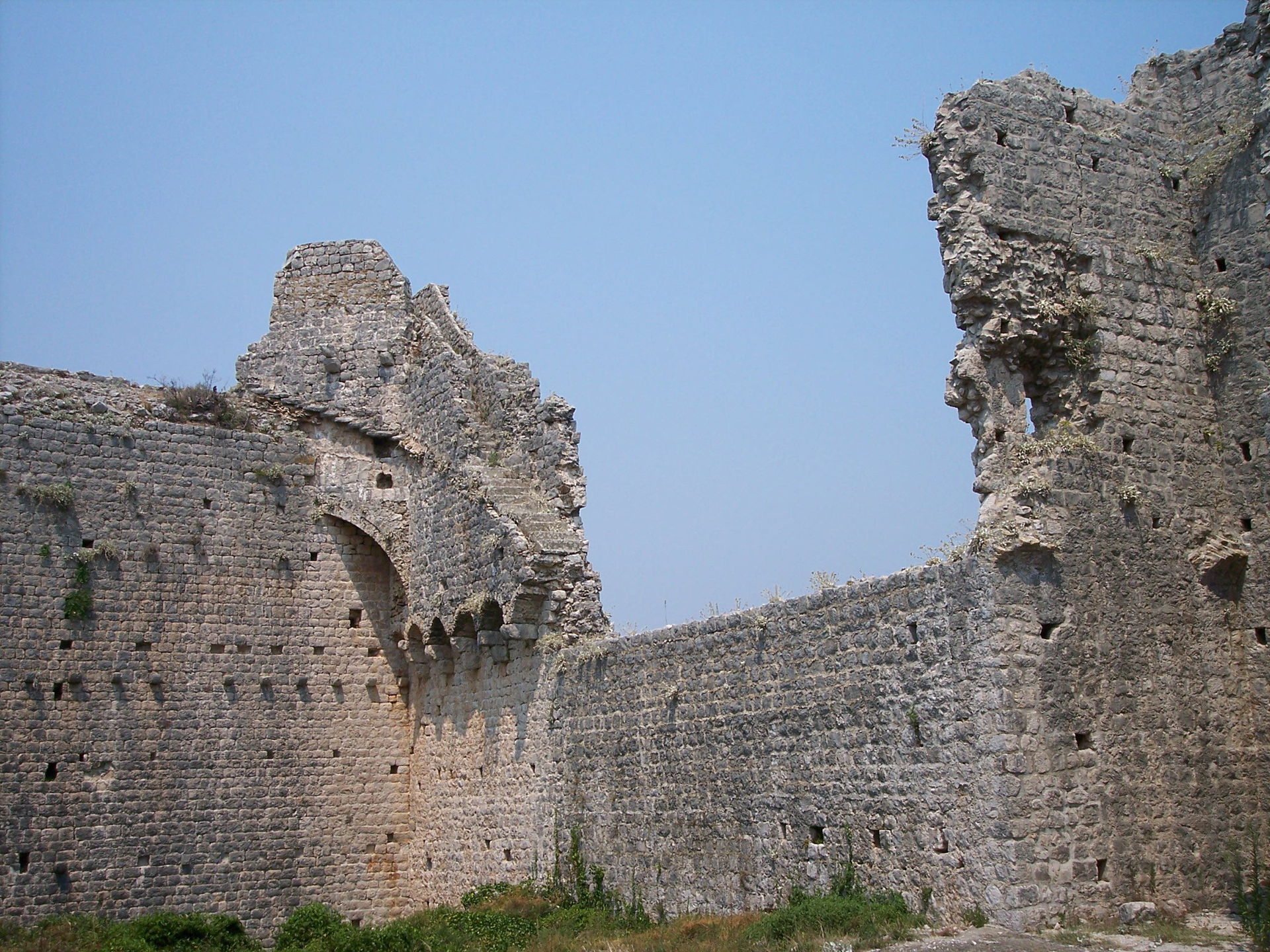
Ston brings together medieval fortifications, working salt pans, Mali Ston Bay, and the food culture of the Pelješac peninsula. The Ston Walls provide the defining historic route, while the salt works and bay explain why the settlement mattered.
Accessibility
The walls climb hills and involve uneven stone surfaces and stairs. The page does not establish an accessible alternative for the full rampart route, so confirm the current path before relying on it.
Common Mistakes
Do not treat the walls as a flat town walk. Set aside separate time for the ramparts, salt pans, and Mali Ston, and choose the wall route according to your ability and conditions.
Photography
The zigzag walls, towers, salt pans, bay, and stone streets offer strong lines and changing coastal light. Ask before photographing oyster workers, diners, or private property. Croatia regulates drones — check current registration and flight rules with the Croatian Civil Aviation Agency (CCAA) before flying.
Etiquette
- Stay on marked wall routes and respect conservation notices.
- Ask before photographing workers, producers, or close-up food preparation.
- Do not block narrow streets or entrances while taking photographs.
Frequently Asked Questions
When is the best time to visit Ston – Walls & Oysters?
April-June & September-October. Croatia experiences Mediterranean climate on the coast (hot, dry summers; mild winters) and continental climate inland. The Adriatic sea is warmest for swimming from June through September. The shoulder months of May, June, and September offer pleasant temperatures without the summer crowds.
How do I get to Ston – Walls & Oysters?
By car: Well-connected by regional roads. Parking is available on the outskirts. By bus: Regular bus services from the nearest cities. Walking: Ston – Walls & Oysters is compact and best explored on foot. Taxis and Uber/Bolt operate in all cities. City bus networks cover the rest. On islands, renting a scooter or bike is the best way to explore.
How many days do you need in Ston – Walls & Oysters?
A visit to Ston – Walls & Oysters can be tailored to your interests. Ston is a small town with two claims to excellent fame: its remarkable medieval walls and its incomparable oysters.
What is Ston – Walls & Oysters known for?
Ston is a small town with two claims to excellent fame: its remarkable medieval walls and its incomparable oysters.
Where should I stay in Ston – Walls & Oysters?
Staying in Ston – Walls & Oysters is an experience in itself — many hotels are housed in beautifully restored historic buildings, offering rooms with original stone walls, exposed wooden beams, and period furnishings.
Best Things to Do in Ston
Ston is a small town with two claims to excellent fame: its remarkable medieval walls and its incomparable oysters. The Ston Walls are the longest preserved fortification system in Europe — a staggering 5.5 kilometers of stone ramparts, towers, and fortresses that climb over the hills connecting the twin towns of Ston and Mali Ston. Only the Great Wall of China is longer. Built by the Republic of Dubrovnik in the 14th and 15th centuries to protect the salt pans that were the source of the Republic's wealth, the walls are an engineering marvel that snake up Mount Podzvizd in a seemingly impossible zigzag pattern.
Exploring Ston: Top Attractions & Hidden Gems
Climbing the walls takes 2-3 hours round trip, rewarded with impressive views of the Peljesac Channel, the salt pans (still in operation today), and the dramatic Dalmatian coastline. The salt pans themselves are fascinating — Ston salt is considered among the best in the world, harvested using traditional methods passed down for 400 years. But Ston's other great treasure is Mali Ston Bay, a pristine natural site where the cold, mineral-rich waters of the Adriatic meet freshwater springs, creating the perfect environment for oyster and mussel farming. The Mali Ston oyster is considered one of the finest in the world, prized for its clean, briny flavor with a distinctive sweet finish.
Local Culture & Food in Ston
You can taste these pearls straight from the water at the oyster farms that line the bay, or at the town's excellent seafood restaurants. Ston sits on the Peljesac Peninsula, the heartland of Croatia's wine production, home to the famous red wines of Dingac and Postup — powerful, full-bodied reds made from the Plavac Mali grape. A meal of fresh oysters with a glass of Dingac is one of Croatia's ultimate culinary experiences. The town itself is charming, with stone houses, a quiet main square, and a relaxed pace of life that makes it a perfect half-day trip from Dubrovnik (just 60 km away).
🗓 Best Time to Visit
April-June & September-October. Croatia experiences Mediterranean climate on the coast (hot, dry summers; mild winters) and continental climate inland. The Adriatic sea is warmest for swimming from June through September. The shoulder months of May, June, and September offer pleasant temperatures without the summer crowds. Istria and inland Croatia are lovely in the autumn harvest season (September-October).
🍽 Food & Drink
Eating in Ston – Walls & Oysters centers around traditional family recipes and regional ingredients — historic stone buildings house traditional restaurants where you can taste local recipes passed down through generations. Must-try dishes include: black risotto (crni rižot) with cuttlefish ink, peka (meat or octopus baked under a bell-shaped lid), pašticada (beef stew in sweet-sour sauce), fresh oysters from Ston, and truffle pasta in Istria. For drinks, try local wines like Plavac Mali, Pošip, Grk, and Dingač, plus rakija (fruit brandy) and the herbal liqueur Pelinkovac.
🚗 How to Get to Ston by Bus, Car & Boat
By car: Well-connected by regional roads. Parking is available on the outskirts. By bus: Regular bus services from the nearest cities. Walking: Ston – Walls & Oysters is compact and best explored on foot. Taxis and Uber/Bolt operate in all cities. City bus networks cover the rest. On islands, renting a scooter or bike is the best way to explore. Toll roads (A1, A6) accept cards or the ETC toll pass.
🥘 Where to Eat in Ston: Authentic Local Cuisine
Eating in Ston – Walls & Oysters is as much about atmosphere as it is about food — the historic setting provides a beautiful backdrop for traditional cuisine. The main square and surrounding cobblestone streets are lined with restaurants offering local specialties in charming settings with stone walls, candlelit tables, and often live traditional music. For the most authentic experience, venture off the main tourist streets into the side alleys where family-run konobe (traditional taverns) serve recipes passed down through generations at more reasonable prices. Wine bars housed in medieval cellars offer atmospheric tastings of regional wines. During summer, many restaurants set up outdoor terraces in the squares and pedestrian streets, creating a lively dining scene. Street food stalls in the market squares offer quick, affordable local snacks. The local market is perfect for picking up picnic supplies if you're day-tripping. Many restaurants offer a daily set menu (gablec/ručak) at lunch — the most affordable way to sample local cuisine. Croatian cuisine varies by region — Dalmatian seafood and peka, Istrian truffles and pršut, and Zagreb's hearty continental dishes with excellent local wines.
🏨 Best Hotels in Ston – Walls & Oysters
Staying in Ston – Walls & Oysters is an experience in itself — many hotels are housed in beautifully restored historic buildings, offering rooms with original stone walls, exposed wooden beams, and period furnishings. Boutique hotels within the old town walls give you direct access to the cobblestone streets, squares, and landmarks, with restaurants and cafes just steps from your door. For a quieter stay, look for guesthouses and small hotels just outside the old town — they often offer better value, free parking, and the same easy walking access. Many historic town accommodations feature rooftop terraces and courtyards where you can enjoy breakfast or an evening drink overlooking the ancient rooftops. Family-run hotels (known locally as konobe or guesthouses) provide the warmest welcome, often serving homemade specialties for breakfast and offering personalized tips for exploring. Croatia offers accommodation from luxury hotels in Dubrovnik and Hvar to family-run konoba guesthouses on the islands and affordable apartments in Split and Zagreb.
Find a stay in Ston
Compare apartments, guesthouses, and vacation rentals while you finalize your route. Flexible cancellation can help when drive times or border plans change.
Browse stays in Ston on Vrbo →🗺️ Build a route around Ston – Walls & Oysters: Add Ston – Walls & Oysters to my itinerary. It opens the planner with this stop selected, so you can add nearby places and set the trip length.
Plan your budget
For country-level budget ranges and planning assumptions, see the Balkan travel costs guide.