

Pula - Arena & Roman Heritage
Pula at a Glance
| Country | Croatia |
| Region | Istrian coast |
| Known for | Pula Arena and Roman heritage |
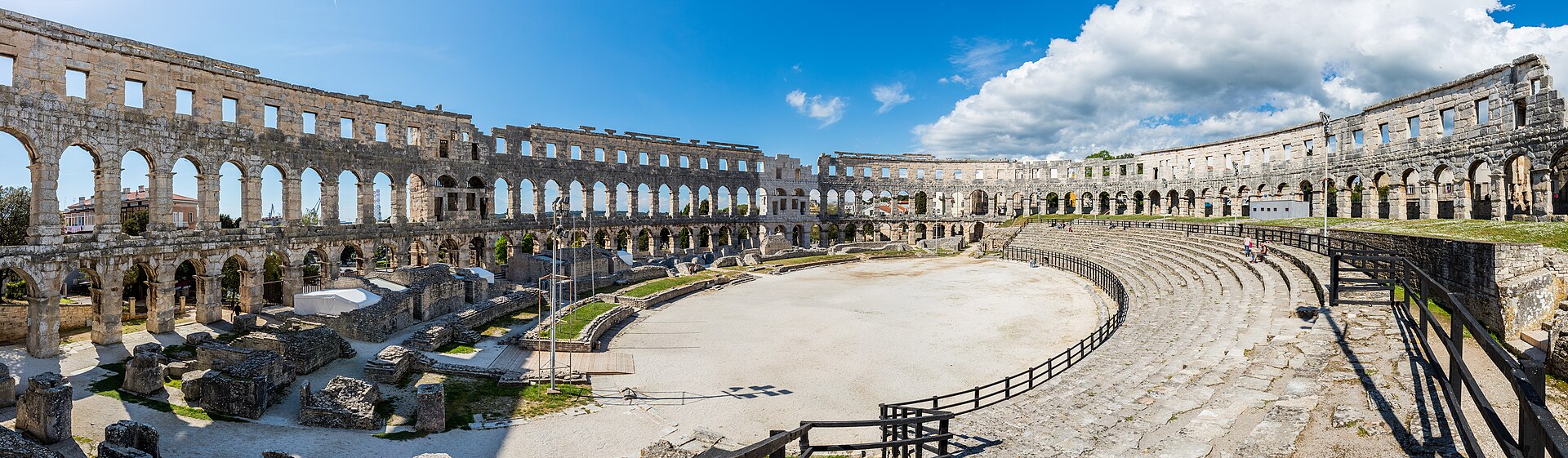
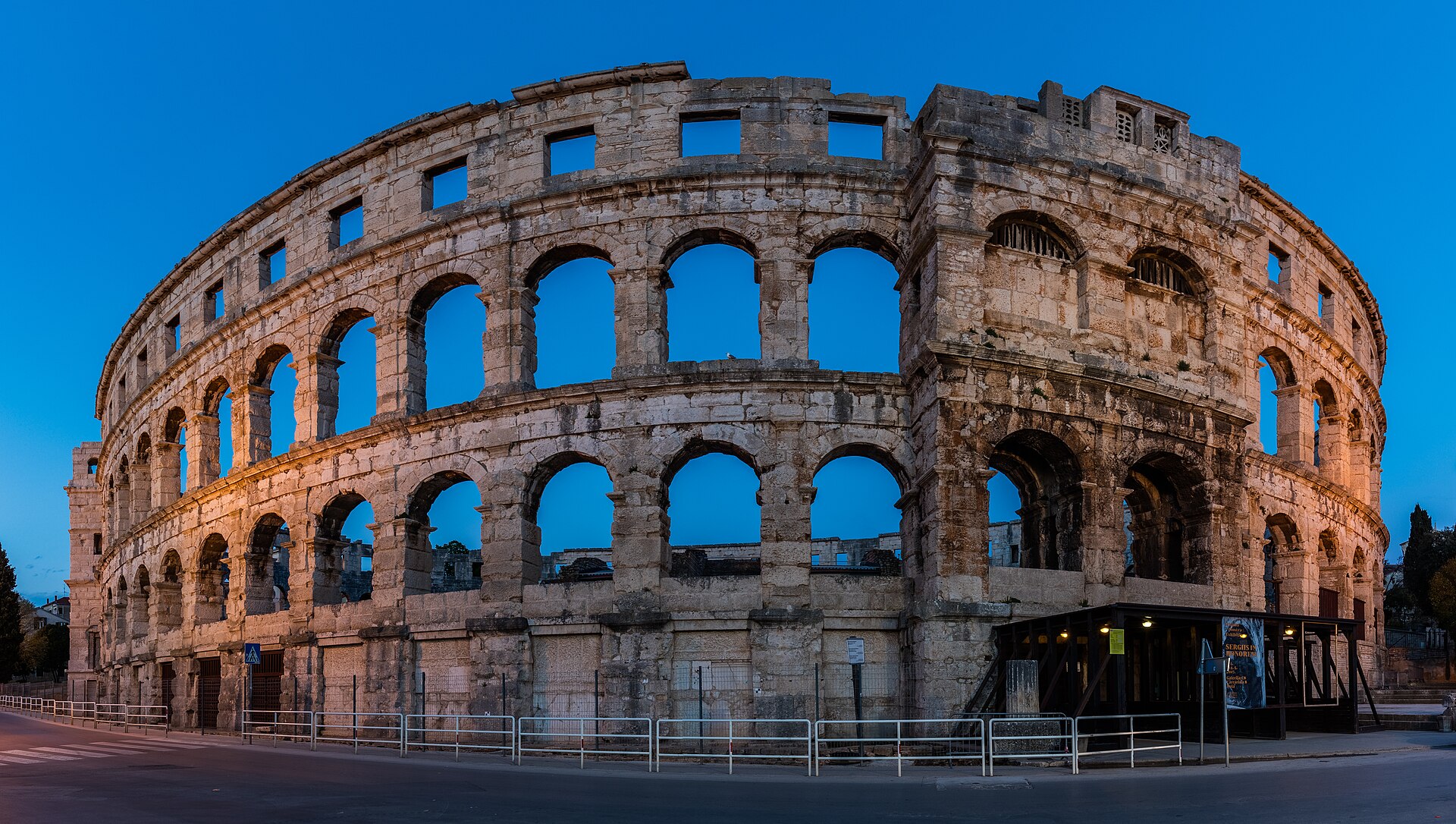
| Arena facts | One of six largest surviving Roman amphitheaters; the only one with all four side towers |
| Arena dates and capacity | Built 27 BC–68 AD; held 23,000 |
| Other Roman site | Temple of Augustus on the Forum |
| Food and base | Istrian seafood and craft beer; base for Brijuni and southern Istria |
| Best time | May–June and September–October (20–28C) |
| Recommended stay | 1–2 days |
Why Visit Pula
Pula brings Roman heritage and an Istrian coastal setting into a compact visit. The Arena is one of six largest surviving Roman amphitheaters and the only one with all four side towers, while the Temple of Augustus is on the Forum. Pula is also a base for Brijuni and southern Istria, with Istrian seafood and craft beer to try between visits.
Overview
Pula is an Istrian coastal city known for the Pula Arena, one of six largest surviving Roman amphitheaters and the only one with all four side towers. It was built 27 BC–68 AD and held 23,000, while the Temple of Augustus is on the Forum. The city combines these Roman sites with access to Istrian seafood, craft beer, Brijuni, and southern Istria.
Seasonal Advice
The page’s shoulder-season guidance is May–June and September–October, with temperatures of 20–28C. July–August is hot at 30–35C and brings Arena concerts. June is the best timing for nearby beaches. Verify current event and transport schedules before travel.
Best Things to Do in Pula
One of six largest surviving Roman amphitheaters - only one with all four side towers.
Exploring Pula: Top Attractions & Hidden Gems
Built 27BC-68AD, held 23,000. Temple of Augustus on Forum.
Local Culture & Food in Pula
Vibrant Istrian city with seafood, craft beer. Base for Brijuni and southern Istria.
🗓 Best Time to Visit
May-June and September-October (20-28C). July-August hot (30-35C) Arena concerts. June best nearby beaches.
🍽 Food & Drink
Bistro Alighieri EUR 15-25. Milan EUR 18-30. Ostrik tasting EUR 35-50. Pula Beer Company EUR 4-5 pint.
🚗 How to Get to Pula by Bus, Car & Boat
Car 2.5h from Rijeka, 4h Zagreb. Bus Pula-Rovinj 1h EUR 5-7. Pula Airport European flights. Venice catamaran EUR 40-60.
🥘 Where to Eat in Pula: Authentic Local Cuisine
Bistro Alighieri EUR 15-25. Konoba Batelina market EUR 10-18. Pizzeria Tivoli EUR 7-10.
🏨 Where to Stay
Hotel Scaletta doubles EUR 70-120 near Arena. Hotel Milan EUR 80-150. Park Plaza Histria EUR 80-140.
Find a stay in Pula
Compare apartments, guesthouses, and vacation rentals while you finalize your route. Flexible cancellation can help when drive times or border plans change.
Browse stays in Pula on Vrbo →Accessibility
This page does not guarantee step-free access to the Arena, Temple of Augustus, historic centre, or beaches. Confirm the specific venue before visiting, including its current entrance, route, and surface details.
- Arena: Ask the venue about current step-free entrances and the route available for your visit.
- Temple of Augustus: Confirm the specific entrance and any access limits before planning this Forum stop.
- Historic centre: Check the route for your chosen sites rather than assuming the whole area is step-free.
- Beaches: Ask the specific beach operator about access conditions and the approach to the shoreline.
Common Mistakes
- Skipping the Arena underground. The page’s insider advice calls it interesting, so check whether it is open during your visit.
- Underestimating July–August heat. Temperatures can reach 30–35C; plan around the heat rather than treating these months like the shoulder season.
- Assuming Arena entry is always paid. The Arena is free on the first Sunday of the month; verify current admission details before you go.
- Leaving nearby beaches for any month. June is the page’s best timing for nearby beaches, so plan beach time accordingly.
- Using old connection information. Verify current transport schedules and event timings before relying on car, bus, airport, or catamaran details.
Photography
Use the listed parking photo spot in the afternoon, when the page says the Arena image is best. The Arena’s four side towers give a clear architectural subject, and the Temple of Augustus on the Forum adds a second Roman-heritage frame. Croatia regulates drones — check current registration and flight rules with the Croatian Civil Aviation Agency (CCAA) before flying.
Etiquette
- Historic sites: Follow the current visitor instructions at the Arena and Temple of Augustus, and keep to areas open to visitors.
- Forum visits: Keep the Temple of Augustus area clear for other visitors rather than blocking the approach for photos.
- Arena concerts: Check the current event and transport schedules before arriving, then follow the organizer’s entry and departure guidance.
- Photography: Use the listed parking photo spot without blocking parking access or other visitors.
- Beaches: Keep shared beach areas tidy and leave room for others near the shoreline.
- Food and drink: Enjoy Istrian seafood and craft beer without carrying food or drinks into a historic venue unless its current rules allow it.
Frequently Asked Questions
When is the best time to visit Pula - Arena & Roman Heritage?
May-June and September-October (20-28C). July-August hot (30-35C) Arena concerts.
How do I get to Pula - Arena & Roman Heritage?
Car 2.5h from Rijeka, 4h Zagreb. Bus Pula-Rovinj 1h EUR 5-7. Pula Airport European flights.
How many days do you need in Pula - Arena & Roman Heritage?
A day trip lets you see the highlights, but 1-2 full days gives enough time to explore thoroughly without rushing. More days allow deeper exploration of the surrounding area.
What are the top attractions in Pula - Arena & Roman Heritage?
Pula Arena EUR 10. Temple of Augustus EUR 3. Kastel fortress free. Brijuni day trip EUR 30-45.
🗺️ Build a route around Pula - Arena & Roman Heritage: Add Pula - Arena & Roman Heritage to my itinerary. It opens the planner with this stop selected, so you can add nearby places and set the trip length.
Plan your budget
For country-level budget ranges and planning assumptions, see the Balkan travel costs guide.