

Split - Diocletian's Palace
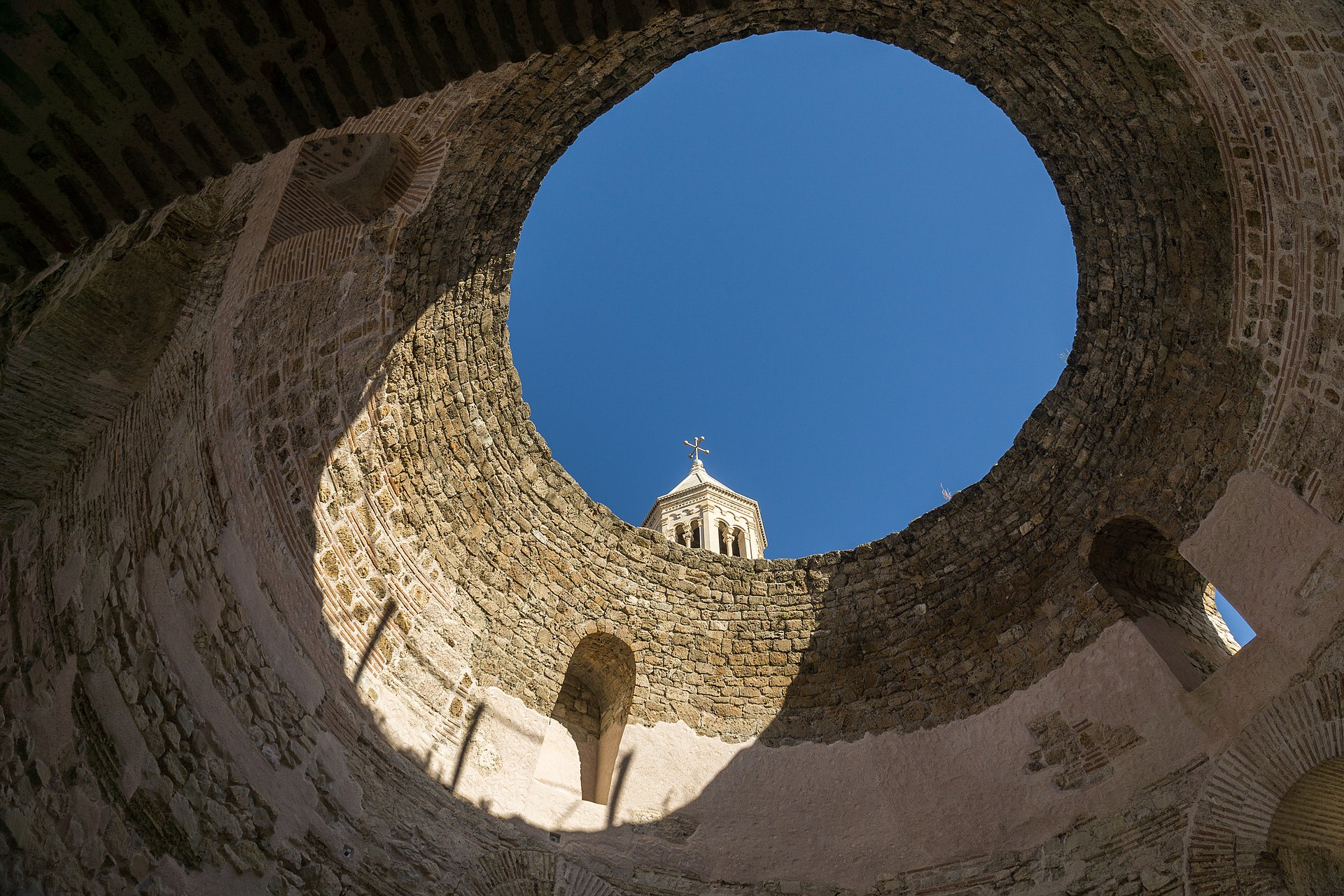
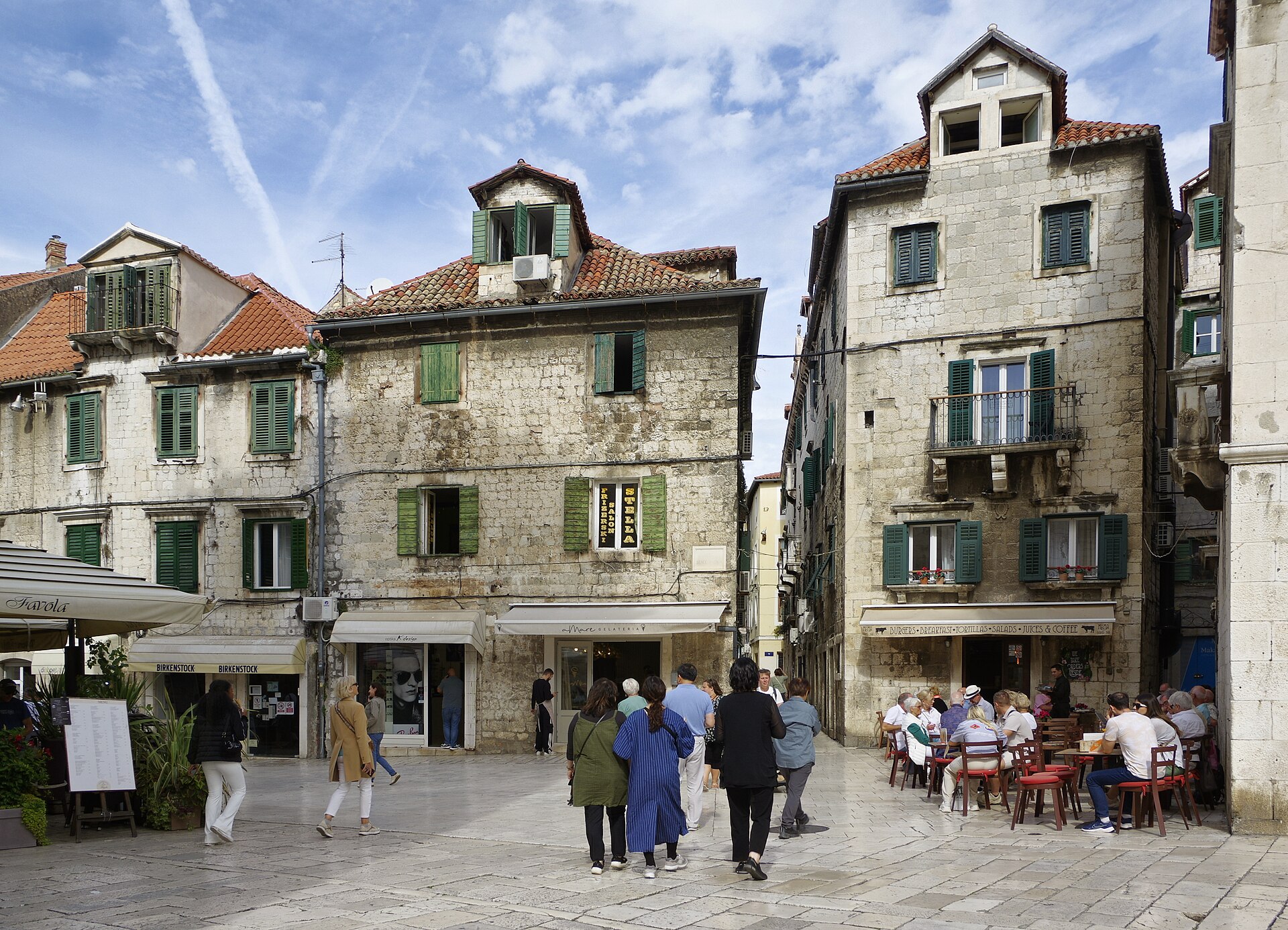
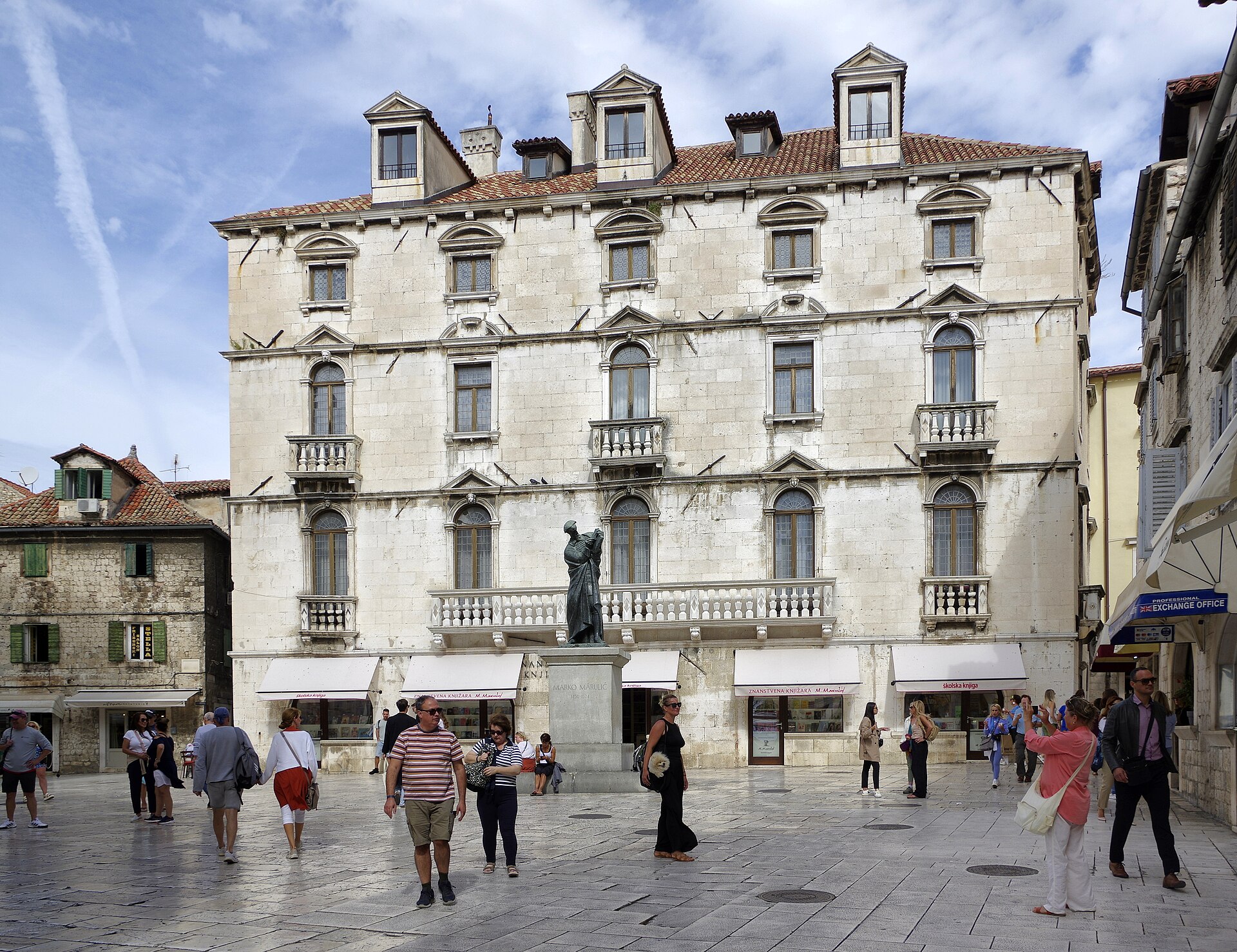
Split at a Glance
| Country | Croatia |
| Setting | Dalmatian port city built around Diocletian’s Palace |
| Known for | Peristyle, palace substructures, Riva, Marjan, and ferry connections |
| Best time | May–June and September–early October |
Why Visit Split
Split works best as a lived-in historic centre: Diocletian’s Palace contains homes, cafés, hotels, and shops alongside the Roman structure.
The Peristyle, Cathedral of Saint Domnius, palace substructures, Riva, Marjan Hill, beaches, and ferries make Split both a city visit and a base for island days.
Overview
Diocletian’s Palace was built between 295 and 305 AD. The Peristyle is the natural centre, while the Cathedral quarter and palace substructures provide the main paid historic interiors.
The page describes Split as Dalmatia’s main passenger-ferry hub and recommends a relaxed morning in the palace before choosing Marjan, a beach, or an island for the second half of the day.
Best Things to Do in Split
Split works best when you treat the old centre as a lived-in neighbourhood, not a checklist of Roman ruins. Start inside Diocletian's Palace early, when the market is setting up and the narrow lanes still feel like local streets. Give the palace, Peristyle, Cathedral quarter and Riva a relaxed morning, then decide whether your second half-day belongs on Marjan Hill, at a beach, or on an island ferry. For a practical route with timing notes, see our Split things-to-do guide.
Exploring Split Beyond the Palace
Diocletian's Palace was built between 295 and 305 AD, but its point is not simply its age: homes, cafés, small hotels and shops still occupy the former imperial complex. The Peristyle is the natural centre, while the Cathedral of Saint Domnius and the palace substructures add the main paid interiors. Outside the walls, follow the Riva west toward Varoš and Marjan. That sequence gives you Roman layers, waterfront life and a view over the islands without spending the whole day in the busiest lanes.
Hidden Gems around Split
After the palace morning, follow the Riva west toward Varoš and Marjan. The page describes shaded paths, bay views, and beaches on Marjan’s southern side, offering a quieter half-day alongside the historic centre and ferry harbour.
Local Rhythm, Food and Ferry Days
Split is Dalmatia's main passenger-ferry hub, which makes it a useful base but also means the harbour and central streets can be busy around departures. Marjan Hill is the quickest escape: walk from the Riva for shaded paths and bay views, or plan a swim at one of the beaches around its southern side. For food, leave the most obvious palace-lane menus behind and choose a place based on what you actually want to eat; our where-to-eat guide separates quick local meals from a longer dinner.
🗓 Best Time to Visit
May, June, September and early October are the easiest months for a city-and-islands trip: warm weather, workable ferry days and less pressure on rooms than high summer. July and August bring the hottest weather and the largest day-trip crowds; start the Palace early, reserve popular dinners, and do not leave key ferry decisions to the last minute. September is especially useful if swimming matters but you want quieter streets. Check the forecast and same-day sailing notices before committing to an island day.
🍽 Food & Drink
Look for Dalmatian cooking rather than an overlong mixed grill menu: grilled fish, black risotto, pašticada, seasonal vegetables and local olive oil are better indicators of a good meal. Villa Spiza is a small, popular dinner choice, while Fife is a straightforward option near the waterfront and Kantun Paulina is useful for a quick ćevapi stop. Prices, openings and queues shift with the season, so use the Split food guide as a starting point and check the restaurant directly on the day.
🚗 How to Get to Split by Bus, Car & Boat
Split Airport sits west of the centre; use the airport bus, a scheduled public bus, taxi or pre-booked transfer according to your arrival time. The main bus station, train station and ferry port share the same waterfront area, so Split is easy to use without a car. Ferries and catamarans connect the city to Hvar, Brač, Vis and other islands, but the operator, sailing time and seasonal timetable matter more than a generic price guide. If you are driving, book accommodation with parking outside the Palace rather than trying to take a car into the pedestrian core.
🥘 Where to Eat in Split
Use the Palace and Riva for atmosphere, but check a menu and recent opening details before sitting down. For a quick, inexpensive meal, Kantun Paulina is a practical stop; Fife is better for a casual waterfront lunch than a special-occasion dinner. Villa Spiza and Bokeria suit a more deliberate evening out, though both can be busy in summer. Read where to eat in Split for a tighter shortlist and the difference between Palace, Varoš and waterfront options.
🏨 Where to Stay
Stay inside or immediately beside Diocletian's Palace if you want to walk everywhere and do not mind late-evening noise or limited vehicle access. Varoš is a calmer nearby alternative with a more residential feel, while Bačvice suits travellers who want beach access and an easier arrival by car. Book an early ferry morning from near the port; choose parking and quieter nights over the Old Town if you are driving. Our Split accommodation guide explains the trade-offs before you choose.
Find a stay in Split
Compare apartments, guesthouses, and vacation rentals while you finalize your route. Flexible cancellation can help when drive times or border plans change.
Browse stays in Split on Vrbo →Accessibility
- The palace and old centre include narrow lanes, historic paving, and paid interiors; the page does not guarantee step-free access to the Peristyle, cathedral, substructures, Riva, or Marjan paths. Confirm specific routes.
- The harbour and central streets can be busy around ferry departures. Allow extra time for transfers and check current ferry and venue details.
- Marjan Hill and beaches require separate walking or transport decisions rather than assuming the palace route covers them.
Common Mistakes
- Treating Diocletian’s Palace as an archaeological enclosure instead of an active neighbourhood.
- Starting the palace visit during peak day-trip hours when the page recommends an early start.
- Leaving ferry decisions until the last minute during July and August.
- Trying to combine the palace, Marjan, a beach, and an island ferry day without a realistic time plan.
Photography
- Photograph the Peristyle early, before the palace lanes and market activity become crowded.
- Use palace stone, small hotels, cafés, the Riva, and Marjan views to show the old centre as a living district.
- Ask before photographing residents, performers, worshippers, or diners in narrow spaces.
- Croatia regulates drones — check current registration and flight rules with the Croatian Civil Aviation Agency (CCAA) before flying.
Etiquette
- Keep palace lanes, ferry approaches, and the Riva clear for residents and travellers.
- Dress respectfully in the Cathedral of Saint Domnius and follow photography rules.
- Ask before photographing residents, worshippers, workers, or diners.
- Do not touch Roman stonework or enter restricted palace areas.
- Carry waste out of the old centre and Marjan.
Frequently Asked Questions
When is the best time to visit Split - Diocletian's Palace?
May-June and September-October (22-28C). September sea 24C.
How do I get to Split - Diocletian's Palace?
Split Airport shuttle EUR 8. Ferry to Hvar EUR 10-15, Brac EUR 6-8, Vis EUR 12-18.
How many days do you need in Split - Diocletian's Palace?
A day trip lets you see the highlights, but 1-2 full days gives enough time to explore thoroughly without rushing. More days allow deeper exploration of the surrounding area.
What are the top attractions in Split - Diocletian's Palace?
Palace free to walk. Bell tower EUR 12. Cellars EUR 10. Marjan Hill free hike. Bacvice beach.
🗺️ Build a route around Split - Diocletian's Palace: Add Split - Diocletian's Palace to my itinerary. It opens the planner with this stop selected, so you can add nearby places and set the trip length.
Plan your budget
For country-level budget ranges and planning assumptions, see the Balkan travel costs guide.