
Zagreb – Capital City
Zagreb – Capital City at a Glance
| Country | Croatia |
| Setting | Central Croatian capital |
| Known for | Upper Town, museums, and Dolac Market |
| Best time | April–October; May–June and September are highlighted |
Why Visit Zagreb – Capital City
Zagreb combines the medieval Upper Town with the Austro-Hungarian grid of Lower Town, museums, parks, markets, and a large café culture.
The funicular, St Mark’s Church, Stone Gate, Dolac Market, and Museum of Broken Relationships create a varied city itinerary away from Croatia’s coast.
Overview
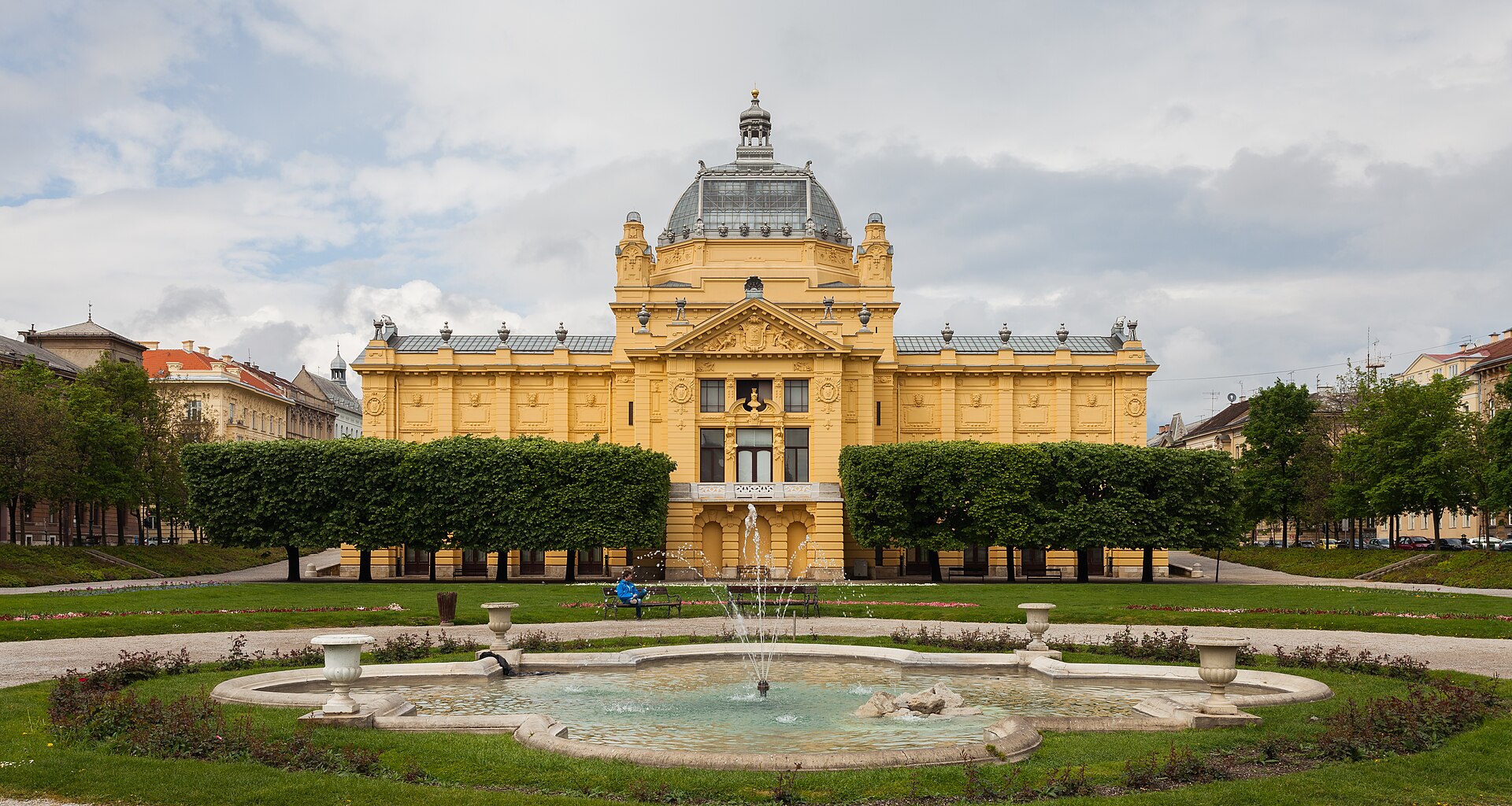
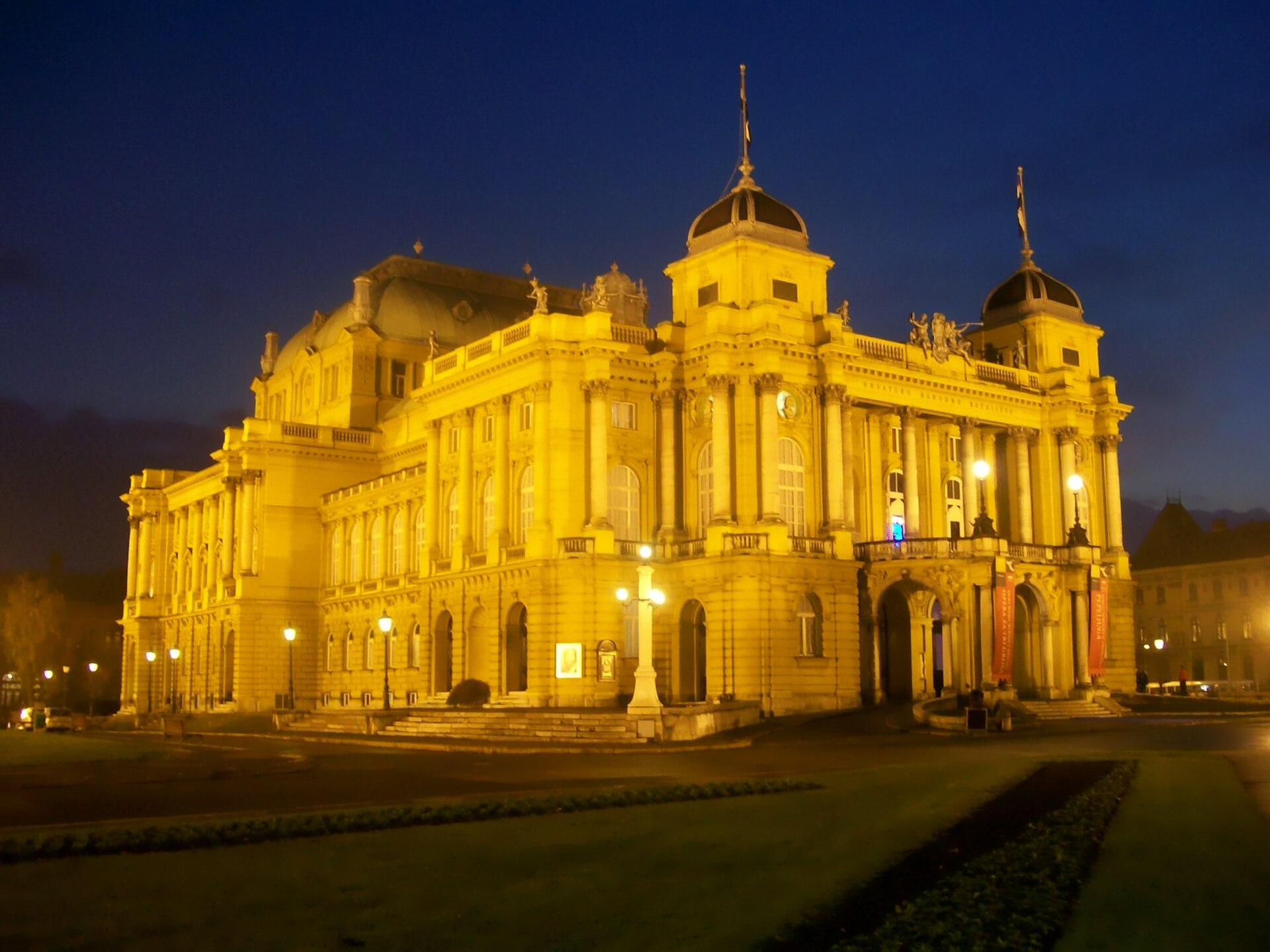
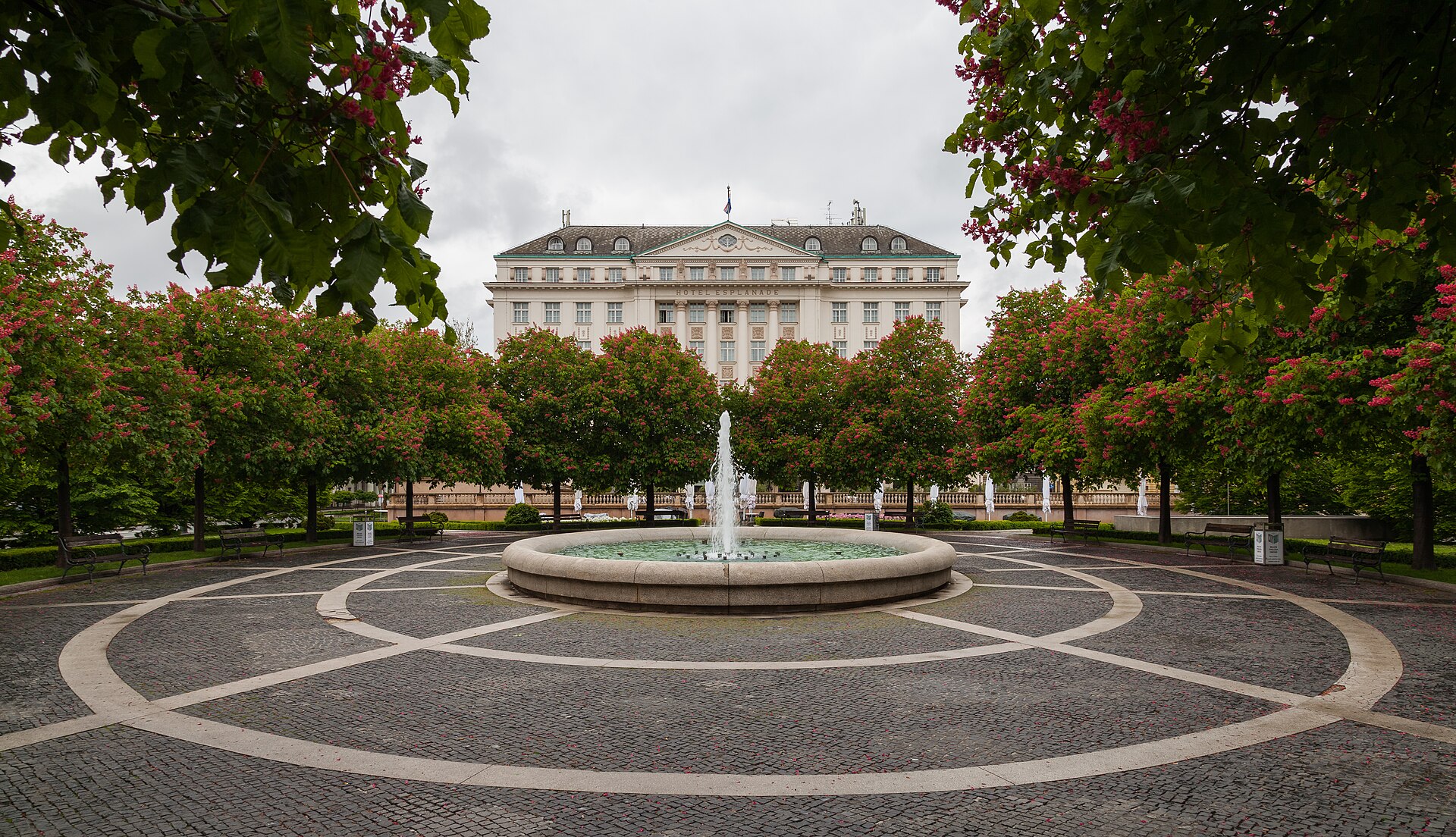
Upper Town (Gornji Grad) centers on Gradec, St Mark’s Church, Lotrščak Tower, and the Stone Gate, while Lower Town (Donji Grad) brings museums, theatres, parks, and Ban Jelačić Square.
The 66-metre funicular has operated since 1893, and Tkalčićeva Street and Dolac Market add everyday city life to the historic route.
Best Things to Do in Zagreb
Zagreb, Croatia's capital and largest city, offers a captivating blend of Austro-Hungarian elegance, socialist-era grit, and a lively modern cultural scene that sets it apart from Croatia's coastal tourist hotspots. The city is divided into two distinct halves: Upper Town (Gornji Grad), the medieval hilltop settlement of Gradec with its cobblestone streets and historic landmarks, and Lower Town (Donji Grad), a grid of 19th-century buildings housing museums, theaters, and parks. The two are connected by one of the world's shortest funiculars — a 66-meter ride that has been operating since 1893.
Exploring Zagreb: Top Attractions & Hidden Gems
Upper Town's centerpiece is St. Mark's Church, instantly recognizable by its magnificent colorful tiled roof depicting the medieval coats of arms of Zagreb and Triune Kingdom of Croatia, Slavonia, and Dalmatia. Nearby, the Lotrscak Tower fires a cannon every day at noon, a tradition dating back to the 19th century. The Stone Gate is the only surviving medieval gate and has become a shrine filled with votive offerings and prayers.
Local Culture & Food in Zagreb
In Lower Town, Ban Jelacic Square is the bustling central hub, while Tkalciceva Street is Zagreb's liveliest thoroughfare — a former creek bed turned into a pedestrian zone lined with outdoor cafes, bars, and restaurants where locals spend hours socializing. Zagreb's museum scene is exceptional: the Museum of Broken Relationships (the city's most famous museum) displays personal objects from failed relationships with heartbreakingly funny and poignant stories; the Croatian Museum of Naive Art shows incredible works by self-taught artists; and the Mimara Museum houses an astonishing private collection spanning centuries of art. Don't miss Dolac Market, the city's beloved outdoor farmers' market just above Ban Jelacic Square, where you can taste fresh cheeses, cured meats, and seasonal produce directly from local farmers. Zagreb is also the birthplace of the necktie (kravata) — visit the Museum of Fashion or just watch for the giant tie installations around the city.
🗓 Best Time to Visit
April-October (especially May-June and September). Croatia experiences Mediterranean climate on the coast (hot, dry summers; mild winters) and continental climate inland. The Adriatic sea is warmest for swimming from June through September. The shoulder months of May, June, and September offer pleasant temperatures without the summer crowds. Istria and inland Croatia are lovely in the autumn harvest season (September-October).
🍽 Food & Drink
As the nation's capital, Zagreb – Capital City offers the widest range of dining — from traditional restaurants serving authentic local cuisine to international fine dining, street food stalls, and trendy cafes. Must-try dishes include: black risotto (crni rižot) with cuttlefish ink, peka (meat or octopus baked under a bell-shaped lid), pašticada (beef stew in sweet-sour sauce), fresh oysters from Ston, and truffle pasta in Istria. For drinks, try local wines like Plavac Mali, Pošip, Grk, and Dingač, plus rakija (fruit brandy) and the herbal liqueur Pelinkovac.
🚗 How to Get to Zagreb by Bus, Car & Boat
By air: The city's international airport connects to major European hubs with frequent flights. By train: The central station links to domestic and international routes. By bus: Long-distance coaches serve all major cities in the region. Getting around: Public transport (metro/bus/tram) covers the city well. Taxis and ride-sharing apps are available. Walking is often the best way to explore the historic center. Taxis and Uber/Bolt operate in all cities. City bus networks cover the rest. On islands, renting a scooter or bike is the best way to explore. Toll roads (A1, A6) accept cards or the ETC toll pass.
🥘 Where to Eat in Zagreb: Authentic Local Cuisine
As the capital, Zagreb – Capital City has Croatia's most diverse dining scene, ranging from traditional restaurants (konobe/mehane) serving authentic local recipes to innovative fine dining establishments and international cuisine. The old town and central squares are dotted with atmospheric restaurants where you can sample regional specialties in historic settings. For the most authentic experience, head to the traditional restaurant districts where menu boards feature local classics. Street food markets and bakeries offer quick, affordable eats — perfect for sampling local pies, grilled meats, and pastries on the go. The city's modern neighborhoods have embraced the farm-to-table movement, with many restaurants which shows seasonal local ingredients. Wine bars are increasingly popular, offering curated selections of local wines paired with cheese and charcuterie boards. For the best value, look for lunch specials (menu of the day) which typically include a soup, main course, and salad at a fraction of dinner prices. Croatian cuisine varies by region — Dalmatian seafood and peka, Istrian truffles and pršut, and Zagreb's hearty continental dishes with excellent local wines.
🏨 Best Hotels in Zagreb – Capital City
As Croatia's capital, Zagreb – Capital City offers a diverse range of accommodation from luxurious international chains to charming boutique hotels in the historic center. For a central stay, look for hotels near the main squares and pedestrian streets — you'll be within walking distance of the top attractions, restaurants, and nightlife. Mid-range hotels in the city center offer excellent value compared to Western European capitals, often including breakfast and offering modern amenities. Budget travelers will find well-run hostels and affordable private apartments, particularly in the neighborhoods a short metro or tram ride from downtown. For those seeking a quieter atmosphere, consider staying in the residential quarters or near the city's main park area, where you'll find more space and local charm. Many hotels offer airport transfers and tour desk services, making arrival and day trips easy to arrange. Croatia offers accommodation from luxury hotels in Dubrovnik and Hvar to family-run konoba guesthouses on the islands and affordable apartments in Split and Zagreb.
Find a stay in Zagreb
Compare apartments, guesthouses, and vacation rentals while you finalize your route. Flexible cancellation can help when drive times or border plans change.
Browse stays in Zagreb on Vrbo →Accessibility
- Walking is often the most useful way to explore the historic centre; the page also lists rail, bus, tram, and airport connections.
- The Upper Town includes cobblestones, a funicular, a tower, and historic buildings. The page does not guarantee step-free access across these sites or museum interiors; confirm specific routes before visiting.
- For Germia-style park or outer-city visits, plan a separate transfer rather than assuming the central walking route covers every attraction.
Common Mistakes
- Trying to cover Upper Town, Lower Town, and several museums in one rushed day.
- Assuming the funicular removes every slope or step from an Upper Town itinerary.
- Visiting Dolac Market late when the page recommends an early morning visit for fresh produce.
- Treating Zagreb like a coastal summer destination and overlooking the page’s cooler winter and museum options.
Photography
- Use the colorful roof of St Mark’s Church, Stone Gate, and Lotrščak Tower for Upper Town detail.
- Photograph the funicular and the Lower Town grid to show the city’s two-part structure.
- Visit Dolac Market early and ask before photographing farmers, vendors, or market customers.
- Croatia regulates drones — check current registration and flight rules with the Croatian Civil Aviation Agency (CCAA) before flying.
Etiquette
- Keep pedestrian areas and market lanes clear.
- Ask before photographing vendors, residents, or café guests.
- Follow church, tower, and museum photography instructions.
- Respect the votive setting at Stone Gate.
- Use marked routes and keep parks free of litter.
Frequently Asked Questions
When is the best time to visit Zagreb?
The best time to visit Zagreb is April-June or September-October when temperatures are pleasant (15-25°C / 59-77°F) and outdoor cafés are buzzing. Summer is warm but many locals leave for the coast. December is magical with one of Europe's best Christmas markets. Winters are cold with occasional snow, perfect for museum-hopping.
How do I get to Zagreb?
Zagreb Airport (ZAG) is 15 km from the city center, connected by airport shuttle bus and taxis. Zagreb is the hub of Croatia's rail and bus networks, with direct trains to Ljubljana, Budapest, and Belgrade, plus buses to all Balkan capitals. It's also on the A1/A3 highway network for easy driving access.
How many days do you need in Zagreb?
2-3 days is enough for Zagreb: one day for the Upper Town and museums, one day for the Lower Town and parks, and an extra day for a day trip to Samobor or the Zagorje castles.
What are the top attractions in Zagreb?
St. Mark's Church with its colorful tiled roof, Zagreb Cathedral (the tallest building in Croatia), the Museum of Broken Relationships, Dolac farmers' market, and the Upper Town (Gradec) with its medieval charm and Stone Gate.
🗺️ Build a route around Zagreb – Capital City: Add Zagreb – Capital City to my itinerary. It opens the planner with this stop selected, so you can add nearby places and set the trip length.
Plan your budget
For country-level budget ranges and planning assumptions, see the Balkan travel costs guide.