

Šibenik – Cathedral
Šibenik at a Glance
| Country | Croatia |
| Region | Dalmatia, on Croatia's coast |
| Known for | The Cathedral of St. James, medieval streets, and four fortifications |
| UNESCO status | The Cathedral of St. James is a UNESCO World Heritage Site |
| Nearby parks | Krka National Park, about 20 minutes away; Kornati Islands National Park, reached by boat from the harbor |
| Best time to visit | April–June and September–October |
| Recommended stay | 1–2 days |
Why Visit Šibenik
Šibenik brings together the UNESCO-listed Cathedral of St. James, a medieval street grid, and four fortifications within one historic coastal stop. It also functions as a gateway to Krka National Park and the Kornati Islands, so one base can combine old-town walking, fortress views, and national-park outings. It suits travellers who want architecture and regional food in the city, with a choice between a nearby land-based park and a boat trip from the harbor.
Best Things to Do in Šibenik
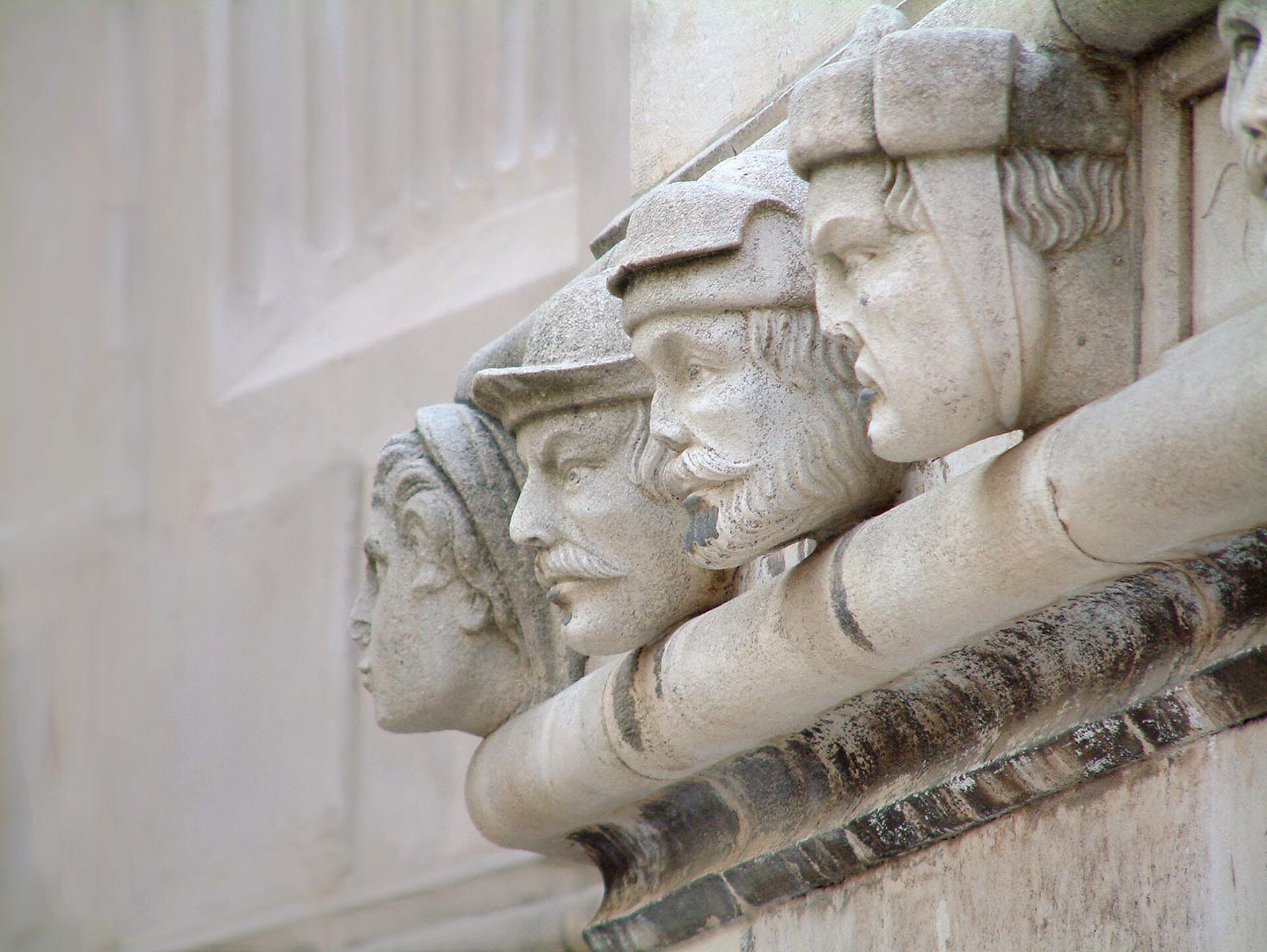
Šibenik is perhaps Dalmatia's most underrated city, a historic coastal gem that rarely appears on tourist itineraries but rewards visitors with one of Europe's greatest architectural masterpieces: the Cathedral of St. Jakova), a UNESCO World Heritage Site that is a remarkable buildings in all of Croatia. Built entirely of stone over the course of a century (1431-1536), the cathedral is unique in that no wood or brick was used in its construction — the stone roof, the stone vaults, the stone cupola, and the stone sculptures were all engineered with remarkable precision using interlocking stone blocks. The cathedral's 71 stone portrait heads on the exterior — faces of contemporary townspeople sculpted with remarkable realism — are an unmatched social document of 15th-century Dalmatian life.
Exploring Šibenik: Top Attractions & Hidden Gems
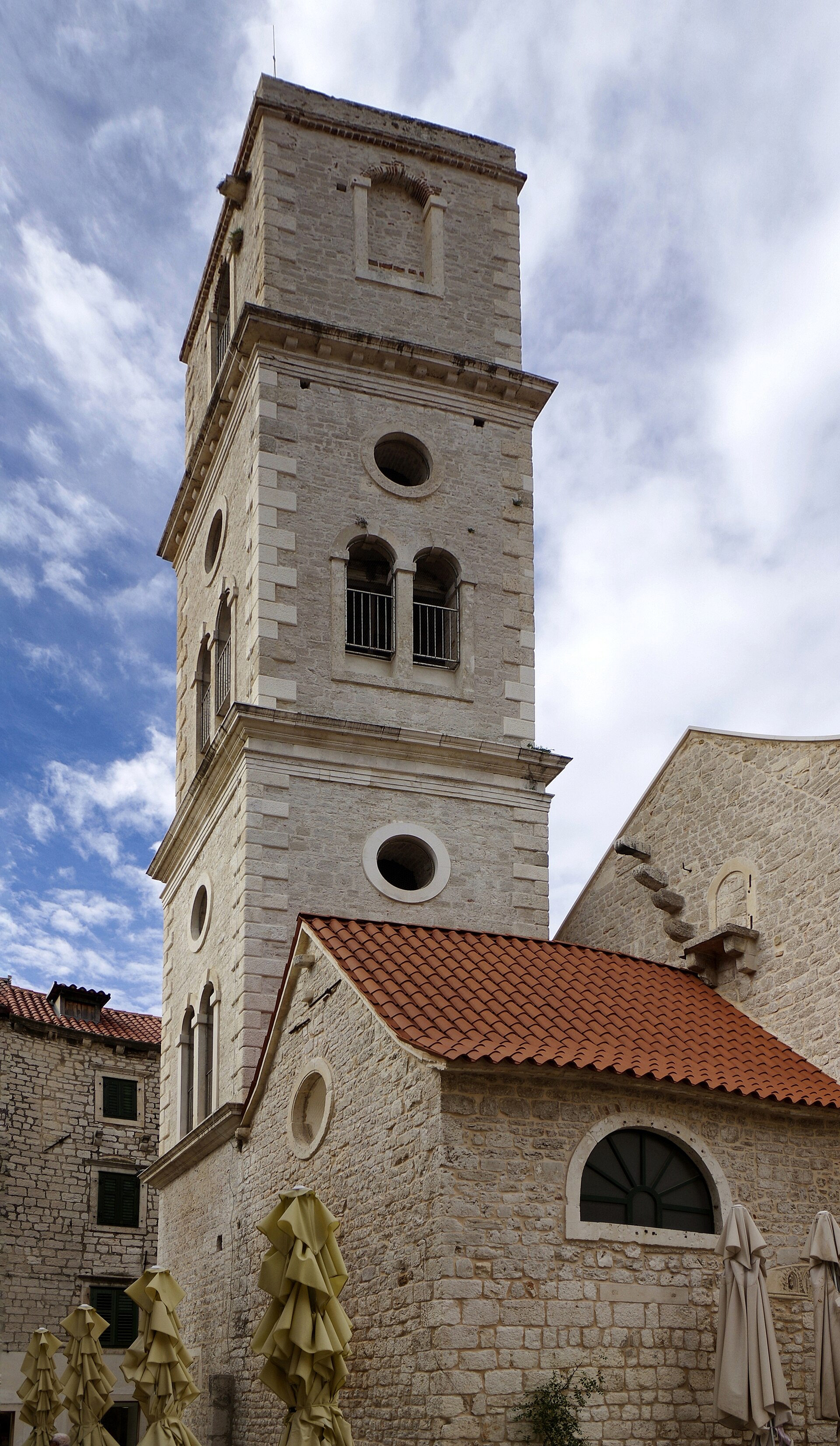
Beyond the cathedral, Šibenik is a city of fortresses. The four fortifications — St. Michael's (the oldest), St. John's, Barone, and Subicevac — surround the city like a crown, and from St.
Local Culture & Food in Šibenik
Michael's Fortress (which hosts summer concerts and a spectacular light-and-sound show), you get panoramic views of the city, the Krka River estuary, and the islands of the Šibenik archipelago. The Old Town's medieval street grid is wonderfully atmospheric, with stone alleys opening onto charming squares like the Square of the Republic and the Square of the Loggia. Šibenik is also the essential gateway to both Krka National Park (just 20 minutes away) and the Kornati Islands National Park (accessible by boat from the Šibenik harbor). The city's cultural calendar includes the International Children's Festival (June/July), one of Europe's oldest and most respected festivals of children's performing arts. For food, try the local Šibenik-style pasticada (beef stew), fresh seafood at the waterfront, and maraschino liqueur produced in the region.
🗓 Best Time to Visit
April-June & September-October. Croatia experiences Mediterranean climate on the coast (hot, dry summers; mild winters) and continental climate inland. The Adriatic sea is warmest for swimming from June through September. The shoulder months of May, June, and September offer pleasant temperatures without the summer crowds. Istria and inland Croatia are lovely in the autumn harvest season (September-October).
🍽 Food & Drink
Eating in Šibenik – Cathedral centers around traditional family recipes and regional ingredients — historic stone buildings house traditional restaurants where you can taste local recipes passed down through generations. Must-try dishes include: black risotto (crni rižot) with cuttlefish ink, peka (meat or octopus baked under a bell-shaped lid), pašticada (beef stew in sweet-sour sauce), fresh oysters from Ston, and truffle pasta in Istria. For drinks, try local wines like Plavac Mali, Pošip, Grk, and Dingač, plus rakija (fruit brandy) and the herbal liqueur Pelinkovac.
🚗 How to Get to Šibenik by Bus, Car & Boat
By car: Accessible via well-maintained roads with parking areas outside the historic center. By bus: Local and regional bus services stop within walking distance. By tour: Many visitors arrive as part of organized tours from nearby cities. Walking: Once inside, the historic district is pedestrian-friendly — the best way to soak in the atmosphere is strolling its streets.
🥘 Where to Eat in Šibenik: Authentic Local Cuisine
Eating in Šibenik – Cathedral is as much about atmosphere as it is about food — the historic setting provides a beautiful backdrop for traditional cuisine. The main square and surrounding cobblestone streets are lined with restaurants offering local specialties in charming settings with stone walls, candlelit tables, and often live traditional music. For the most authentic experience, venture off the main tourist streets into the side alleys where family-run konobe (traditional taverns) serve recipes passed down through generations at more reasonable prices. Wine bars housed in medieval cellars offer atmospheric tastings of regional wines. During summer, many restaurants set up outdoor terraces in the squares and pedestrian streets, creating a lively dining scene. Street food stalls in the market squares offer quick, affordable local snacks. The local market is perfect for picking up picnic supplies if you're day-tripping. Many restaurants offer a daily set menu (gablec/ručak) at lunch — the most affordable way to sample local cuisine. Croatian cuisine varies by region — Dalmatian seafood and peka, Istrian truffles and pršut, and Zagreb's hearty continental dishes with excellent local wines.
🏨 Best Hotels in Šibenik – Cathedral
Staying in Šibenik – Cathedral is an experience in itself — many hotels are housed in beautifully restored historic buildings, offering rooms with original stone walls, exposed wooden beams, and period furnishings. Boutique hotels within the old town walls give you direct access to the cobblestone streets, squares, and landmarks, with restaurants and cafes just steps from your door. For a quieter stay, look for guesthouses and small hotels just outside the old town — they often offer better value, free parking, and the same easy walking access. Many historic town accommodations feature rooftop terraces and courtyards where you can enjoy breakfast or an evening drink overlooking the ancient rooftops. Family-run hotels (known locally as konobe or guesthouses) provide the warmest welcome, often serving homemade specialties for breakfast and offering personalized tips for exploring. Croatia offers accommodation from luxury hotels in Dubrovnik and Hvar to family-run konoba guesthouses on the islands and affordable apartments in Split and Zagreb.
Find a stay in Šibenik
Compare apartments, guesthouses, and vacation rentals while you finalize your route. Flexible cancellation can help when drive times or border plans change.
Browse stays in Šibenik on Vrbo →Common Mistakes
- Seeing only the cathedral. The page identifies four fortifications — St. Michael's, St. John's, Barone, and Šubićevac — alongside the old-town squares, so leave time for both the fortresses and the medieval street grid.
- Treating Krka and Kornati as the same kind of outing. Krka National Park is described as about 20 minutes away, while the Kornati Islands are reached by boat from Šibenik harbor; plan the two excursions differently.
- Using one fixed season. The page names April–June and September–October as the best time to visit, so a summer-only plan ignores its shoulder-month guidance.
- Expecting to drive through the old town. The historic district is described as pedestrian-friendly, with parking areas outside the historic center; plan to walk once parked.
- Assuming the food list is all Šibenik-specific. The page calls out Šibenik-style pasticada, waterfront seafood, and regional maraschino, while also listing dishes from elsewhere in Croatia.
- Building an itinerary around an unverified time. Check current visitor information before relying on a fixed cathedral opening, fortress-show time, or Kornati departure.
Photography
Frame the Cathedral of St. James both wide and close: the page notes its all-stone construction, stone roof, vaults, and cupola, as well as 71 exterior portrait heads that reward detail shots. In the old town, use the medieval street grid, the Square of the Republic, and the Square of the Loggia for street-level compositions. For a higher view, the page identifies St. Michael's Fortress as a lookout over the city, the Krka River estuary, and the Šibenik archipelago. Drone note: Rules can change. Before any flight in Croatia, check the Croatian Civil Aviation Agency's current UAS guidance for temporary visitors and current airspace/geographical-zone information. The CCAA says airspace reservation requirements depend on the planned flight area and that aerial photos or videos might require permission from the State Geodetic Administration. Do not assume a historic site, fortress, waterfront, or national park permits take-off or filming.
Etiquette
A few simple courtesies help when moving between Šibenik's religious, heritage, and public spaces:
- Cathedral visits: modest clothing and a quiet voice are customary in religious interiors; follow any posted visitor instructions.
- Historic stonework: respecting barriers, marked routes, and staff directions is common courtesy; do not touch carvings or climb structures for a photograph.
- People in your frame: asking before making someone the subject of a photograph is common courtesy.
- Old-town lanes: keep narrow streets, steps, doorways, and squares passable for residents and other visitors rather than stopping in the middle of a route.
- Food and drink: a polite greeting when entering a small restaurant or café is customary, as is allowing staff time to serve the table without rushing the meal.
- Park and boat outings: follow the current instructions of the national park, boat operator, or site staff, and take litter with you when you leave.
Frequently Asked Questions
When is the best time to visit Šibenik – Cathedral?
April-June & September-October. Croatia experiences Mediterranean climate on the coast (hot, dry summers; mild winters) and continental climate inland. The Adriatic sea is warmest for swimming from June through September. The shoulder months of May, June, and September offer pleasant temperatures without the summer crowds.
How do I get to Šibenik – Cathedral?
By car: Accessible via well-maintained roads with parking areas outside the historic center. By bus: Local and regional bus services stop within walking distance. By tour: Many visitors arrive as part of organized tours from nearby cities.
How many days do you need in Šibenik – Cathedral?
A visit to Šibenik – Cathedral can be tailored to your interests. Šibenik is perhaps Dalmatia's most underrated city, a historic coastal gem that rarely appears on tourist itineraries but rewards visitors with one of Europe's greatest architectural masterpieces: the.
What is Šibenik – Cathedral known for?
Šibenik is perhaps Dalmatia's most underrated city, a historic coastal gem that rarely appears on tourist itineraries but rewards visitors with one of Europe's greatest architectural masterpieces: the Cathedral of St.
Where should I stay in Šibenik – Cathedral?
Staying in Šibenik – Cathedral is an experience in itself — many hotels are housed in beautifully restored historic buildings, offering rooms with original stone walls, exposed wooden beams, and period furnishings.
🗺️ Build a route around Šibenik – Cathedral: Add Šibenik – Cathedral to my itinerary. It opens the planner with this stop selected, so you can add nearby places and set the trip length.
Plan your budget
For country-level budget ranges and planning assumptions, see the Balkan travel costs guide.