

Vis Island
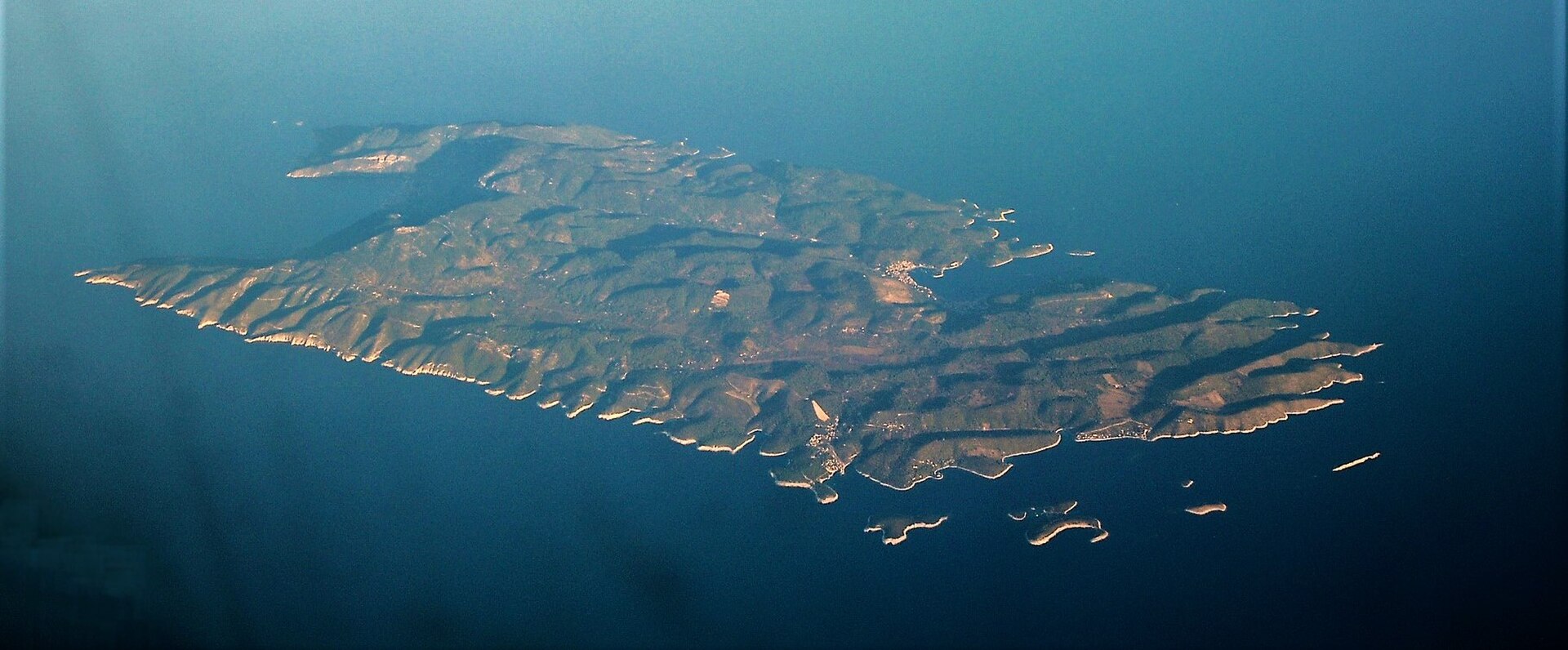
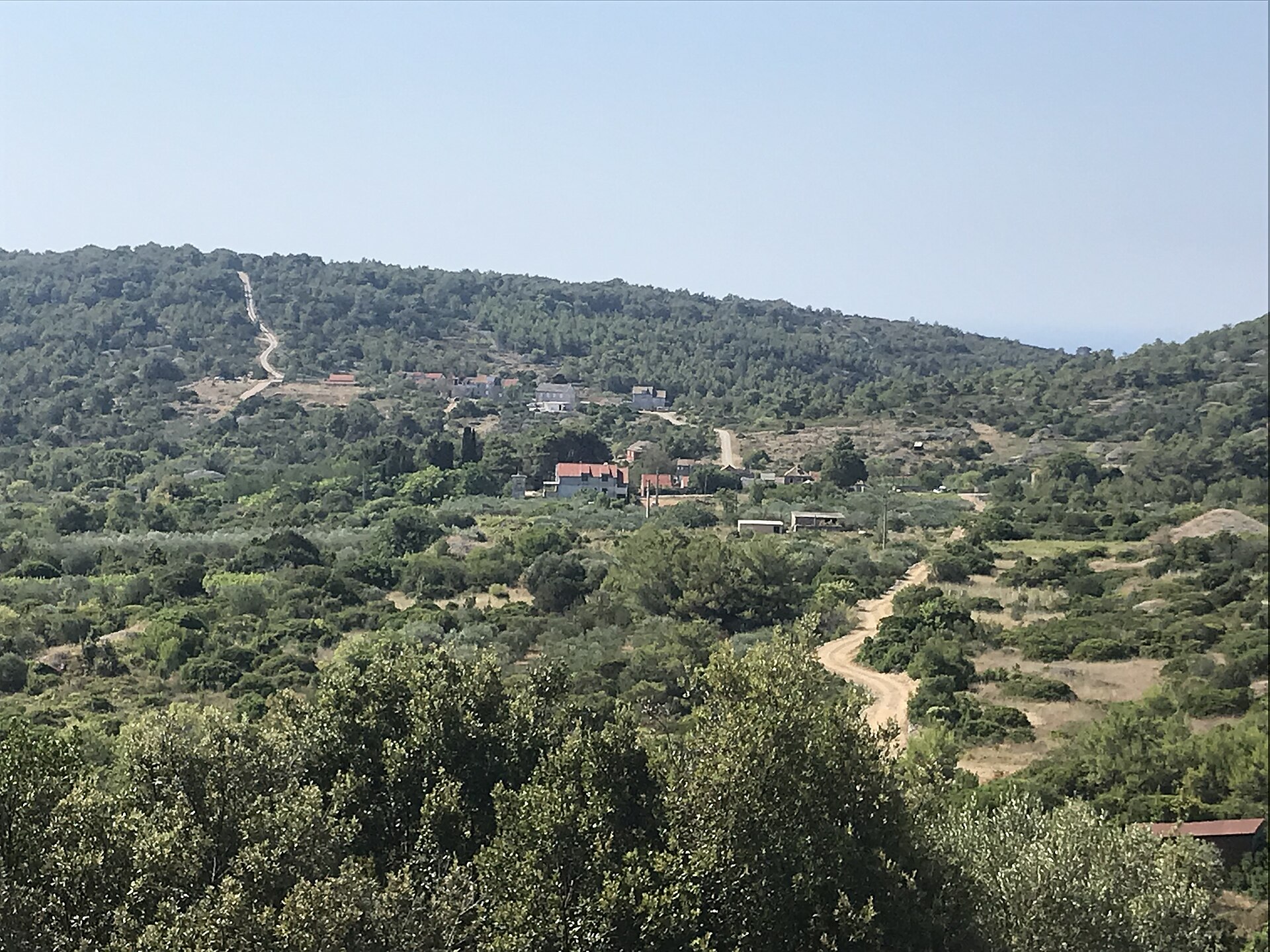
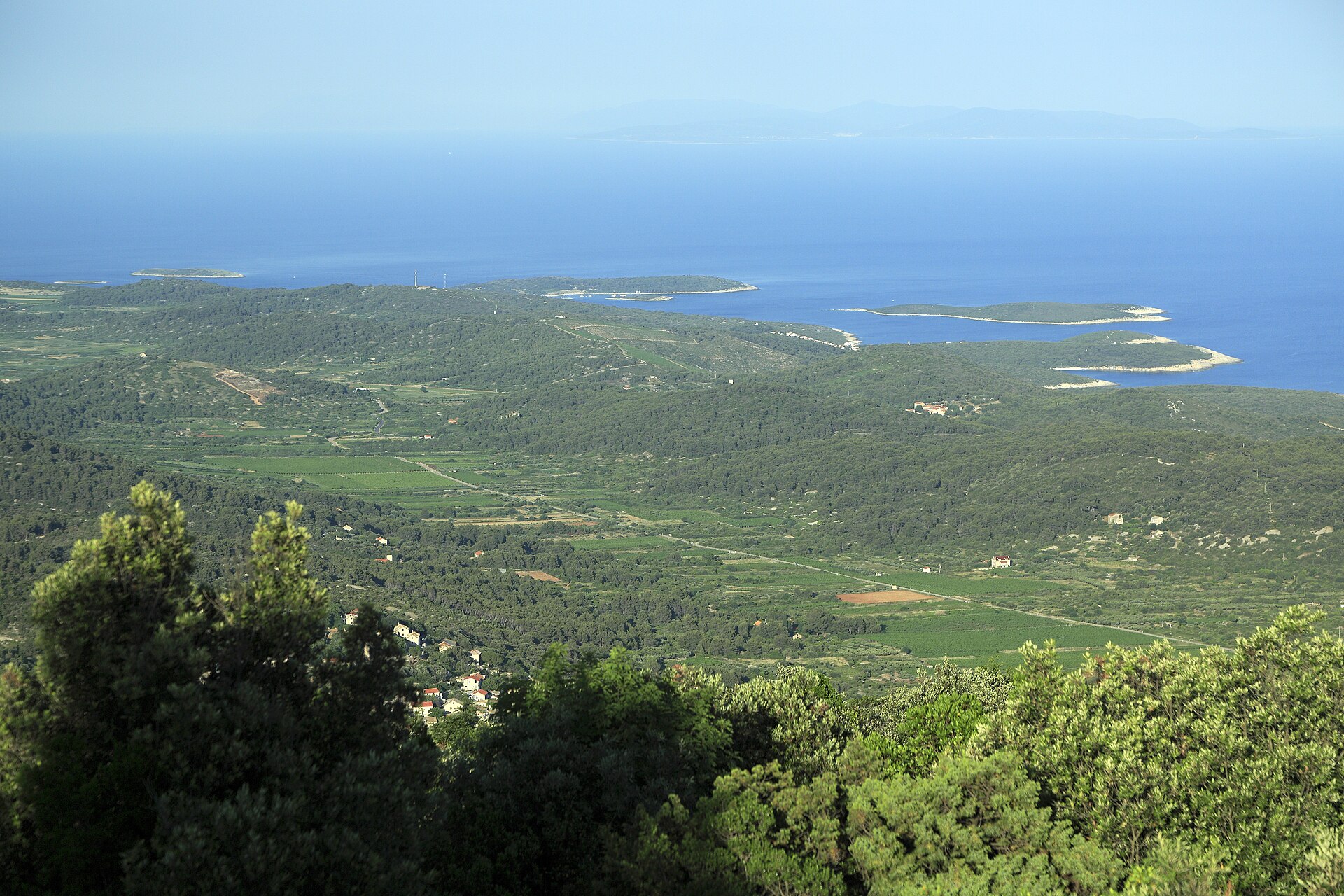
Vis Island at a Glance
| Location | Vis Island, in Croatia's Dalmatian Islands |
| Island character | Croatia's most remote inhabited island, 45 kilometers from the mainland |
| Main towns | Vis Town and Komiza |
| Known for | Stiniva Cove, the Blue Cave on nearby Bisevo, military history, fishing villages, and local food and wine |
| Best time | June–September |
| Suggested stay | 1–2 days |
Why Visit Vis Island
Vis combines a remote island setting with a visible military history, two distinct towns, traditional fishing harbors, and coves reached by boat or trail. The former closed military zone helped preserve the island's older village character, while Stiniva Cove and the Blue Cave on nearby Bisevo add different coastal experiences. The page recommends 1–2 days for a visit focused on the island's main sights, food, and village walks.
Best Things to Do in Vis Island
Vis is Croatia's most remote inhabited island, sitting 45 kilometers from the mainland — farther than any other inhabited Croatian island — and its enforced isolation has preserved an authenticity and unspoiled character that is increasingly rare in Dalmatia. From World War II until 1989, Vis was a closed military zone used by the Yugoslav Navy, and foreigners were forbidden from visiting. This accidental blessing meant the island escaped the unchecked tourist development that transformed places like Hvar and Dubrovnik, leaving Vis with empty coves, traditional fishing villages, and a slow, authentic rhythm of island life.
Exploring Vis Island: Top Attractions & Hidden Gems
The island has two main towns: Vis Town, a graceful settlement with Venetian-era stone buildings wrapped around a deep, protected harbor; and Komiza, a traditional fishing village on the western coast that feels frozen in time with its narrow alleys and working harbor filled with fishing boats. Vis is home to Stiniva Cove, consistently voted one of the finest beaches in Europe — a narrow cleft in the cliffs that opens onto a pebble beach flanked by towering rock walls, accessible only by boat or a steep hiking trail. The Blue Cave on nearby Bisevo Island (Modra špilja) is a natural phenomenon where sunlight filters through an underwater entrance, illuminating the cave's interior in an ethereal blue light — it's accessible by small boats from Vis.
Local Culture & Food in Vis Island
The island's military history is visible at Tito's Cave, a vast underground complex built for Marshal Tito during the war, and the Fort George fortress, built by the British in 1813, which now houses an excellent restaurant and bar. Vis's cuisine is famous — the island's fertile soil and pristine waters produce exceptional ingredients, and local specialties like viška pogača (anchovy and tomato pie), fresh octopus salad, and local Vugava white wine are unforgettable. crystal-clear swimming waters, and authentic village atmosphere, Vis offers a glimpse of what the Dalmatian coast felt like a generation ago.
🗓 Best Time to Visit
June-September. Croatia experiences Mediterranean climate on the coast (hot, dry summers; mild winters) and continental climate inland. The Adriatic sea is warmest for swimming from June through September. The shoulder months of May, June, and September offer pleasant temperatures without the summer crowds. Istria and inland Croatia are lovely in the autumn harvest season (September-October).
🍽 Food & Drink
Seafood takes center stage — fresh fish, squid, octopus, and shellfish are caught daily and served in konobas and restaurants along the waterfront. Must-try dishes include: black risotto (crni rižot) with cuttlefish ink, peka (meat or octopus baked under a bell-shaped lid), pašticada (beef stew in sweet-sour sauce), fresh oysters from Ston, and truffle pasta in Istria. For drinks, try local wines like Plavac Mali, Pošip, Grk, and Dingač, plus rakija (fruit brandy) and the herbal liqueur Pelinkovac.
🚗 How to Get to Vis Island by Bus, Car & Boat
By car: The coastal road offers beautiful views but gets congested in summer. Parking is limited — park on the outskirts and walk in. By bus: Regular bus services connect coastal towns. By ferry: If arriving by sea, local ferries and water taxis connect coastal and island destinations. Walking: The best way to explore is on foot once you arrive. Taxis and Uber/Bolt operate in all cities. City bus networks cover the rest. On islands, renting a scooter or bike is the best way to explore. Toll roads (A1, A6) accept cards or the ETC toll pass.
🥘 Where to Eat in Vis Island: Authentic Local Cuisine
Vis Island's coastal location means seafood takes center stage — restaurants along the waterfront serve the freshest catch of the day, from grilled fish and octopus to black risotto and shellfish. For the most authentic experience, look for konobe (traditional taverns) tucked away in the old town alleys, where family recipes have been passed down through generations. Beachfront restaurants offer dining with your feet in the sand, perfect for long Mediterranean lunches. The local markets are excellent places to sample regional specialties like cured meats, local cheeses, and olive oils. For a truly local experience, visit a konoba for a traditional peka meal (meat or octopus slow-cooked under a bell-shaped lid), which requires advance ordering but is absolutely worth it. Many restaurants offer fixed-price menus showing the region's specialties. Don't skip the local wine — coastal regions produce excellent varieties that pair perfectly with seafood. The best-value meals are often found a street or two back from the waterfront promenade. Croatian cuisine varies by region — Dalmatian seafood and peka, Istrian truffles and pršut, and Zagreb's hearty continental dishes with excellent local wines.
🏨 Best Hotels in Vis Island
Places to stay in Vis Island range from seafront resorts to family-run guesthouses within walking distance of the water. For the best experience, look for hotels along the waterfront promenade or perched on the hillsides with panoramic sea views — these offer the classic Mediterranean atmosphere that makes this destination special. Mid-range hotels and apartments are plentiful and offer excellent value, particularly outside the peak July-August window. Boutique hotels in the old town quarters provide intimate stays with character, often in restored historic buildings. Many accommodations offer balconies or terraces with sea views, free parking, and beach equipment rental. For a more local feel, consider renting a private apartment or villa for a self-catering stay, giving you flexibility to enjoy the local markets and cook with fresh regional ingredients. Croatia offers accommodation from luxury hotels in Dubrovnik and Hvar to family-run konoba guesthouses on the islands and affordable apartments in Split and Zagreb.
Find a stay in Vis Island
Compare apartments, guesthouses, and vacation rentals while you finalize your route. Flexible cancellation can help when drive times or border plans change.
Browse stays in Vis Island on Vrbo →Common Mistakes on Vis Island
- Do not treat Stiniva Cove as a flat, easy walk: the page describes access by boat or a steep hiking trail.
- Do not confuse the Blue Cave with a Vis Town attraction: it is on nearby Bisevo Island and is reached by small boat from Vis.
- Do not leave summer ferry planning to the last minute: the page advises booking the Split–Vis catamaran at least 3 weeks in advance because seats can sell out; the stated alternative is a 2.5-hour car ferry.
- Do not count on central parking: parking is limited, so the page recommends parking on the outskirts and walking in.
- Do not order peka without checking the lead time: the page says it should be ordered 3 hours in advance.
Photography on Vis Island
Vis offers distinct subjects in its towns and coves. In Vis Town, use the Venetian-era stone buildings and protected harbor for architectural and harbor frames; in Komiza, narrow alleys and the working harbor create tighter details. At Stiniva, compose the narrow cliff cleft, pebble beach, and surrounding rock walls together. For the Blue Cave on nearby Bisevo, expose for the illuminated cave interior as sunlight enters through the underwater opening.
Drone note: Croatia's Civil Aviation Agency (CCAA) lists EU Regulations 2019/945 and 2019/947 for unmanned aircraft and publishes registration and operational guidance. Check the current CCAA requirements before flying; this page does not establish permission to fly at Stiniva, the Blue Cave, Bisevo, Tito's Cave, or Fort George.
Etiquette on Vis Island
- When photographing people in Vis Town or Komiza, it is often considerate to ask first, especially around the working harbor.
- Around Komiza's working harbor, keep clear of boats and fishing gear and follow local directions.
- In a konoba, it is often helpful to ask what is fresh before ordering; the page notes daily catch and regional specialties.
- If you want peka, customarily confirm the preparation time before sitting down; the page says it needs 3 hours' advance ordering.
- In the island's narrow alleys and small coves, common courtesy is to leave room for residents, boat crews, and other visitors rather than stopping in the middle of a passage.
- At waterfront restaurants, ask about the menu and the day's catch before ordering if the details are not clear; the page notes that some restaurants use fixed-price menus.
Frequently Asked Questions
When is the best time to visit Vis Island?
June-September. Croatia experiences Mediterranean climate on the coast (hot, dry summers; mild winters) and continental climate inland. The Adriatic sea is warmest for swimming from June through September. The shoulder months of May, June, and September offer pleasant temperatures without the summer crowds.
How do I get to Vis Island?
By car: The coastal road offers beautiful views but gets congested in summer. Parking is limited — park on the outskirts and walk in. By bus: Regular bus services connect coastal towns. By ferry: If arriving by sea, local ferries and water taxis connect coastal and island destinations. Walking: The best way to explore is on foot once you arrive.
How many days do you need in Vis Island?
A visit to Vis Island can be tailored to your interests. Vis is Croatia's most remote inhabited island, sitting 45 kilometers from the mainland — farther than any other inhabited Croatian island — and its enforced isolation has preserved an authenticity and.
What is Vis Island known for?
Vis is Croatia's most remote inhabited island, sitting 45 kilometers from the mainland — farther than any other inhabited Croatian island — and its enforced isolation has preserved an authenticity and unspoiled character that is increasingly rare in Dalmatia.
Where should I stay in Vis Island?
Places to stay in Vis Island range from seafront resorts to family-run guesthouses within walking distance of the water.
🗺️ Build a route around Vis Island: Add Vis Island to my itinerary. It opens the planner with this stop selected, so you can add nearby places and set the trip length.
Plan your budget
For country-level budget ranges and planning assumptions, see the Balkan travel costs guide.