
Bar – Old Town
Bar – Old Town at a Glance
| Country | Montenegro |
| Best time | April–October |
| Recommended stay | 1–2 Days |
| Top highlight | Historic Old Town |
| Transit hub | Regional bus network |
Why Visit Bar – Old Town
Explore Stari Bar, the ruined hillside settlement above modern Bar.
Combine archaeological remains with the waterfront and beaches.
Use Bar for a mix of history, sea, and mountain views.
Best Things to Do in Bar
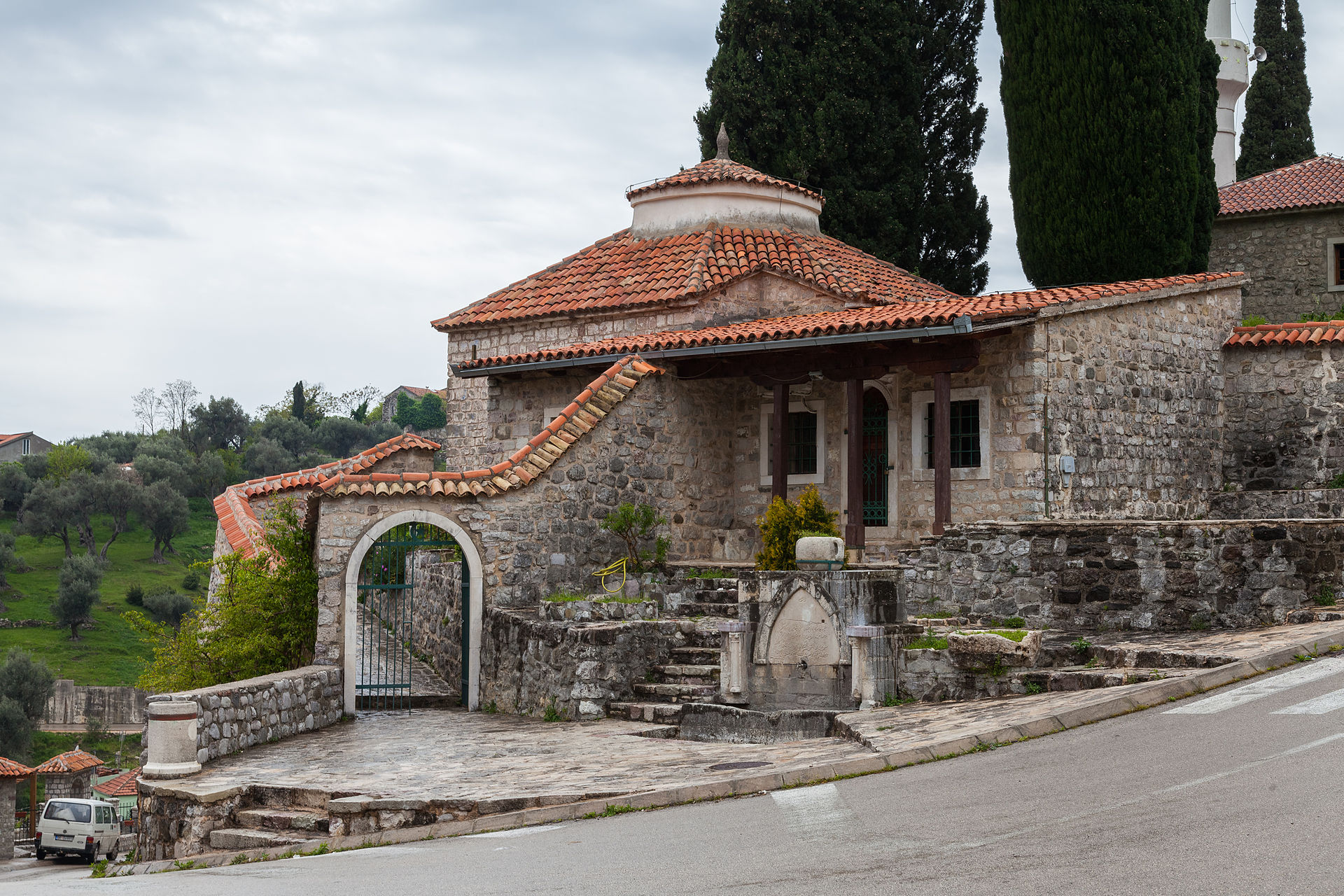
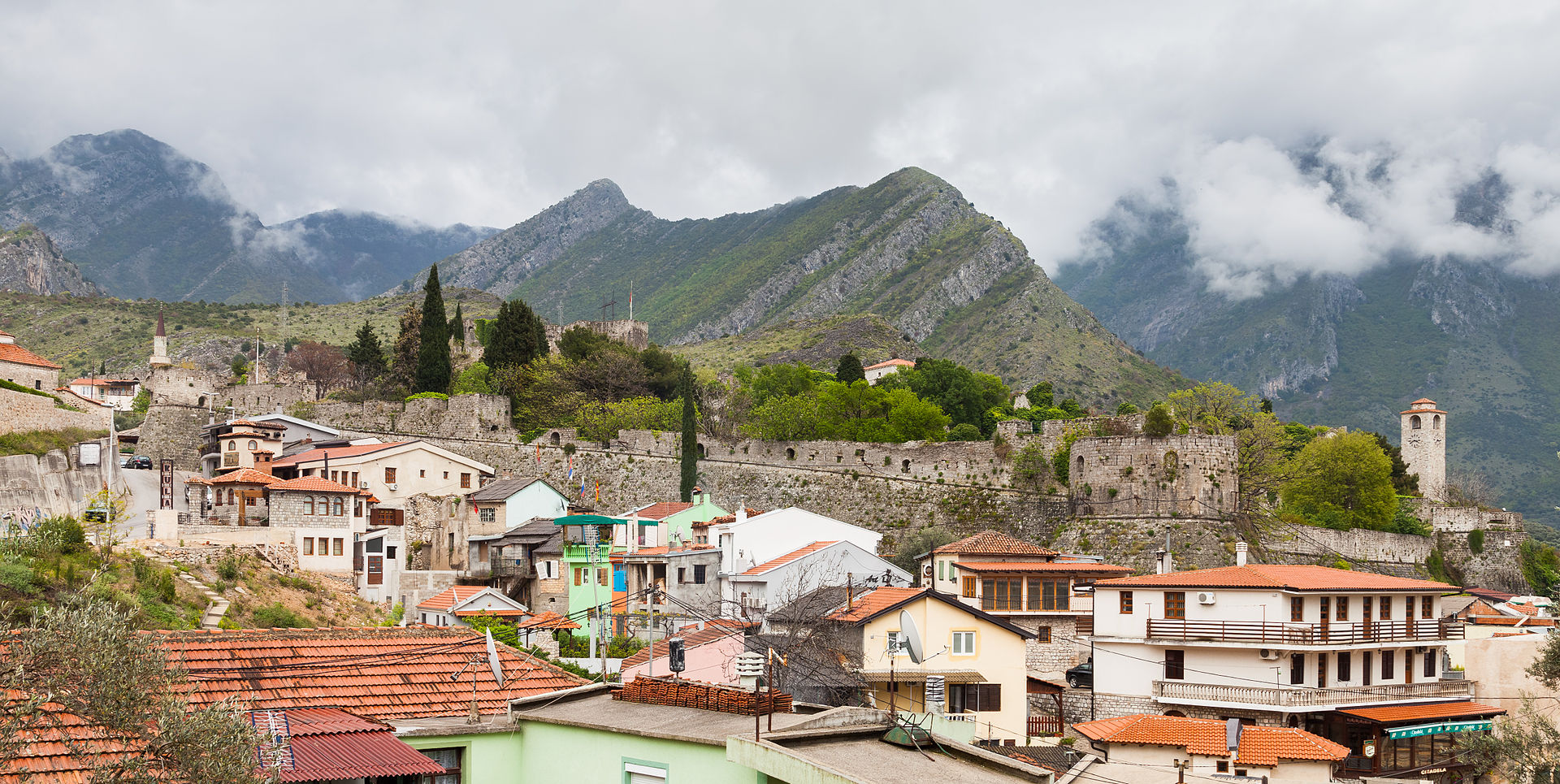
Bar offers visitors a fascinating split identity — the atmospheric ruins of Stari Bar (Old Bar) high on a hillside, forever frozen in the moment of its 19th-century destruction, and the modern city below with its bustling port, long sandy beaches, and lively Mediterranean energy. The highlight of any visit is undoubtedly Stari Bar, a sprawling archaeological site that ranks among the most evocative ruined cities in the Balkans. Entering through the ancient city gates, you step into a vast open-air museum of collapsed churches, tumbledown stone houses, overgrown courtyards, and the skeleton of a once-imposing fortress — all framed by the lush greenery of fig trees, pomegranates, and ancient olive trees that have grown up among the ruins.
Exploring Bar: Top Attractions & Hidden Gems
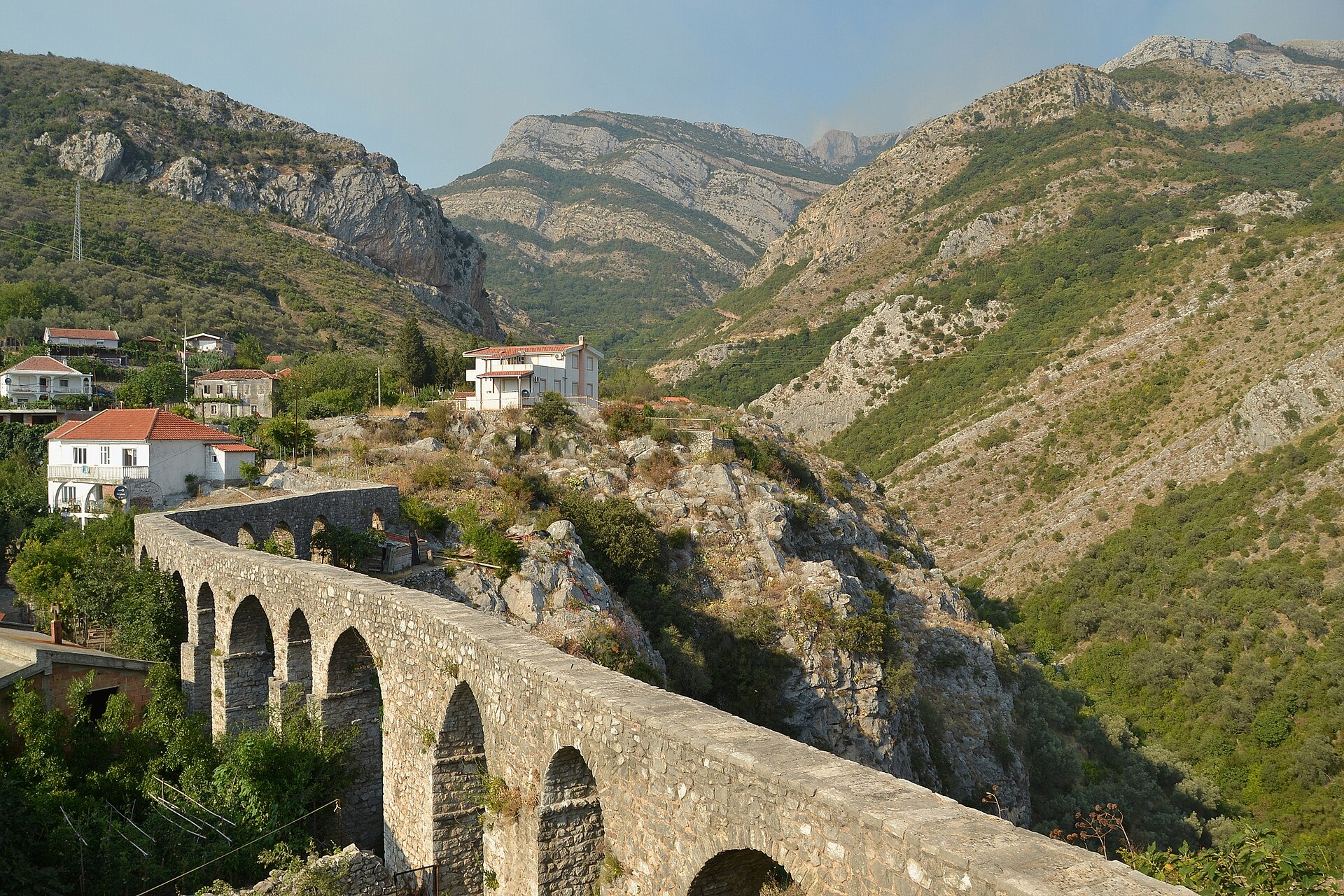
A marked walking trail guides visitors through the site past the Cathedral of St George, the remains of several medieval churches, and extensive sections of the city walls and towers. The 17th-century aqueduct, its arches still standing proud, is a particularly impressive engineering relic. Allow at least two hours to properly explore the site, and wear sturdy shoes as the ground is uneven and often rocky. Below the old town lies the true treasure of Bar: the Stara Maslina, an olive tree that scientific testing has confirmed to be over 2,200 years old.
Local Culture & Food in Bar
It is one of the oldest living olive trees in the world. This magnificent ancient specimen, is a living monument to the region's millennia-long olive-growing tradition. The modern city of Bar, while less atmospheric than its ruined counterpart, offers plenty of appeal: a long pebble beach backed by a lively promenade, the large Port of Bar (Montenegro's main commercial port), and excellent seafood restaurants serving the daily catch. Bar also is a convenient base for exploring Lake Skadar National Park, the Ulcinj Riviera, and the mountainous interior of the Crmnica wine region.
🗓 Best Time to Visit
April to October. Montenegro's climate varies from Mediterranean along the coast to alpine in the mountains. The coast is best April-October, peaking July-August. The Bay of Kotor is impressive in May-June when the wisteria blooms and crowds are thin. The mountains (Durmitor, Biogradska Gora) are ideal June-September for hiking and December-March for skiing.
🍽 Food & Drink
Eating in Bar – Old Town centers around traditional family recipes and regional ingredients — historic stone buildings house traditional restaurants where you can taste local recipes passed down through generations. Must-try dishes include: njeguški pršut (smoked ham from Njeguši), fresh Adriatic fish and seafood (grilled squid, scampi, brancin/sea bass), kačamak (buckwheat or cornmeal porridge with cheese), and cicvara (cornmeal with kaymak cream). For drinks, try Vranac (the king of Montenegrin red wines), loza (grape brandy), and regional rakijas.
🚗 How to Get to Bar by Bus, Car & Boat
By car: Well-connected by regional roads. Parking is available on the outskirts. By bus: Regular bus services from the nearest cities. Walking: Bar – Old Town is compact and best explored on foot. Taxis are affordable along the coast. Local buses serve towns and nearby beaches. Renting a car is highly recommended for exploring the interior (Njeguši, Ostrog, Durmitor). Be prepared for winding mountain roads.
🥘 Where to Eat in Bar: Authentic Local Cuisine
Eating in Bar – Old Town is as much about atmosphere as it is about food — the historic setting provides a beautiful backdrop for traditional cuisine. The main square and surrounding cobblestone streets are lined with restaurants offering local specialties in charming settings with stone walls, candlelit tables, and often live traditional music. For the most authentic experience, venture off the main tourist streets into the side alleys where family-run konobe (traditional taverns) serve recipes passed down through generations at more reasonable prices. Wine bars housed in medieval cellars offer atmospheric tastings of regional wines. During summer, many restaurants set up outdoor terraces in the squares and pedestrian streets, creating a lively dining scene. Street food stalls in the market squares offer quick, affordable local snacks. The local market is perfect for picking up picnic supplies if you're day-tripping. Many restaurants offer a daily set menu (gablec/ručak) at lunch — the most affordable way to sample local cuisine. Montenegrin cuisine blends Mediterranean seafood along the coast with hearty mountain fare inland — njeguški pršut, fresh Adriatic fish, and Vranac wine are local favorites.
🏨 Best Hotels in Bar – Old Town
Staying in Bar – Old Town is an experience in itself — many hotels are housed in beautifully restored historic buildings, offering rooms with original stone walls, exposed wooden beams, and period furnishings. Boutique hotels within the old town walls give you direct access to the cobblestone streets, squares, and landmarks, with restaurants and cafes just steps from your door. For a quieter stay, look for guesthouses and small hotels just outside the old town — they often offer better value, free parking, and the same easy walking access. Many historic town accommodations feature rooftop terraces and courtyards where you can enjoy breakfast or an evening drink overlooking the ancient rooftops. Family-run hotels (known locally as konobe or guesthouses) provide the warmest welcome, often serving homemade specialties for breakfast and offering personalized tips for exploring. Montenegro offers a wide range from luxury resorts in Sveti Stefan and Tivat to family-run guesthouses and affordable apartments in Budva and along the coast.
Find a stay in Bar
Compare apartments, guesthouses, and vacation rentals while you finalize your route. Flexible cancellation can help when drive times or border plans change.
Browse stays in Bar on Vrbo →Accessibility
- Stari Bar has uneven stone surfaces and slopes.
- The modern waterfront is easier than the old town; confirm beach access.
- Step-free access at the ruins is not specified.
Common Mistakes
- Assuming Stari Bar and modern Bar are one district.
- Wearing smooth-soled shoes on archaeological surfaces.
- Leaving without allowing for the uphill approach.
- Planning only a beach stop and missing the old town.
Photography
- Layer Stari Bar ruins against the mountains.
- Look for doorways, walls, and fortification details.
- Contrast the old town with the modern coast.
- Montenegro regulates drones — check current registration and flight rules with the Civil Aviation Agency of Montenegro (caa.me) before flying.
Etiquette
- Treat the archaeological site as a heritage place.
- Do not climb fragile masonry.
- Dress respectfully in religious buildings.
- Ask before photographing residents.
- Follow site instructions.
Frequently Asked Questions
When is the best time to visit Bar – Old Town?
April to October. Montenegro's climate varies from Mediterranean along the coast to alpine in the mountains. The coast is best April-October, peaking July-August. The Bay of Kotor is impressive in May-June when the wisteria blooms and crowds are thin.
How do I get to Bar – Old Town?
By car: Well-connected by regional roads. Parking is available on the outskirts. By bus: Regular bus services from the nearest cities. Walking: Bar – Old Town is compact and best explored on foot. Taxis are affordable along the coast. Local buses serve towns and nearby beaches.
How many days do you need in Bar – Old Town?
A visit to Bar – Old Town can be tailored to your interests. Bar offers visitors a fascinating split identity — the atmospheric ruins of Stari Bar (Old Bar) high on a hillside, forever frozen in the moment of its 19th-century destruction, and the modern city be.
What is Bar – Old Town known for?
Bar offers visitors a fascinating split identity — the atmospheric ruins of Stari Bar (Old Bar) high on a hillside, forever frozen in the moment of its 19th-century destruction, and the modern city below with its bustling port, long sandy beaches, and lively Mediterranean energy.
Where should I stay in Bar – Old Town?
Staying in Bar – Old Town is an experience in itself — many hotels are housed in beautifully restored historic buildings, offering rooms with original stone walls, exposed wooden beams, and period furnishings.
🗺️ Build a route around Bar – Old Town: Add Bar – Old Town to my itinerary. It opens the planner with this stop selected, so you can add nearby places and set the trip length.
Plan your budget
For country-level budget ranges and planning assumptions, see the Balkan travel costs guide.