
Ostrog Monastery
Ostrog Monastery at a Glance
| Country | Montenegro |
| Founded | 17th century by Saint Basil of Ostrog |
| Monastery sections | Upper and lower monasteries |
| Upper monastery | Carved into a cliff around 900 m above the Zeta Valley |
| Key site | Saint Basil’s cave and reliquary |
| Main visiting window | April–October, with winter road caution |
| Recommended stay | 1–2 days |
Why Visit Ostrog Monastery
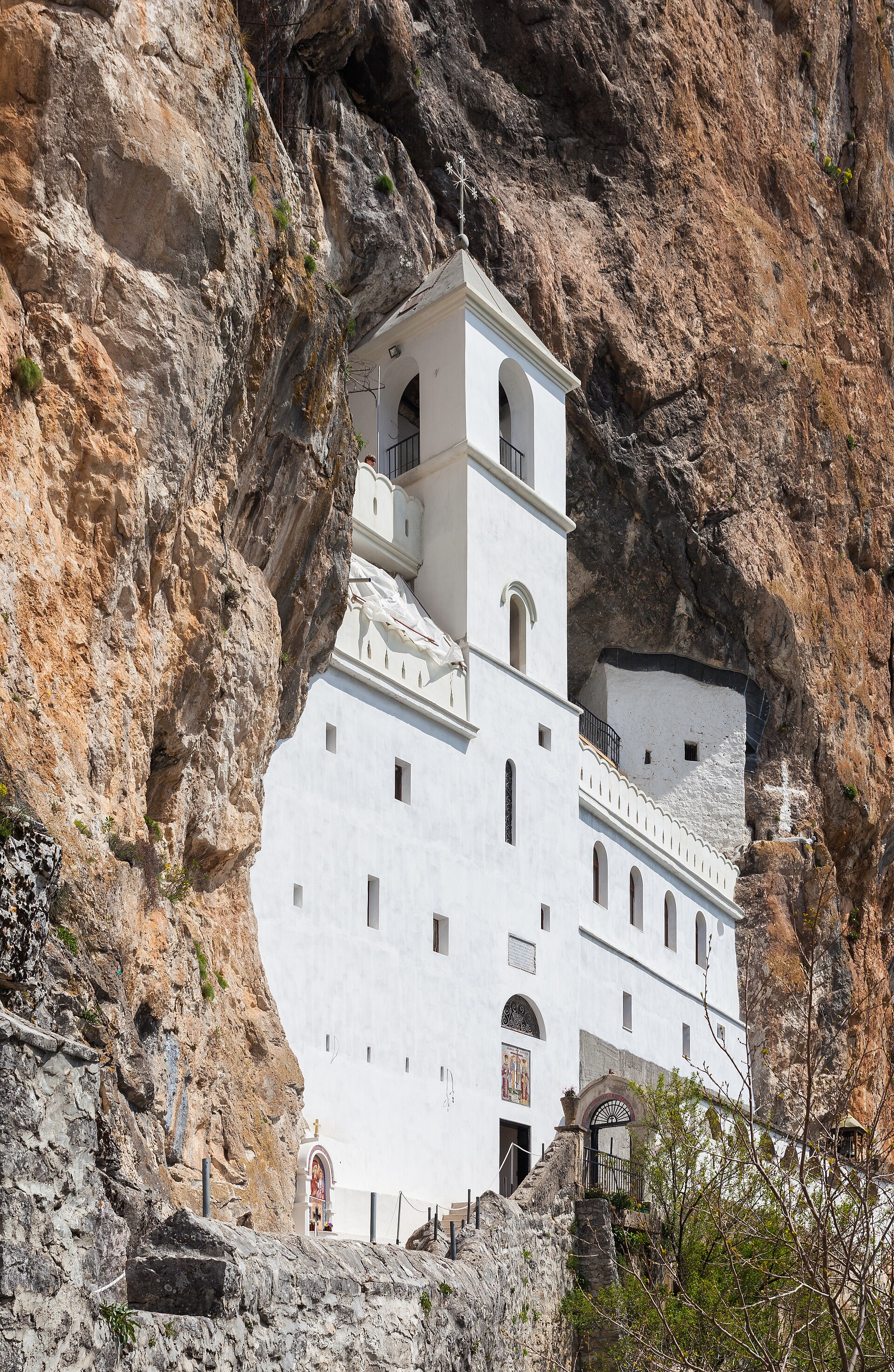
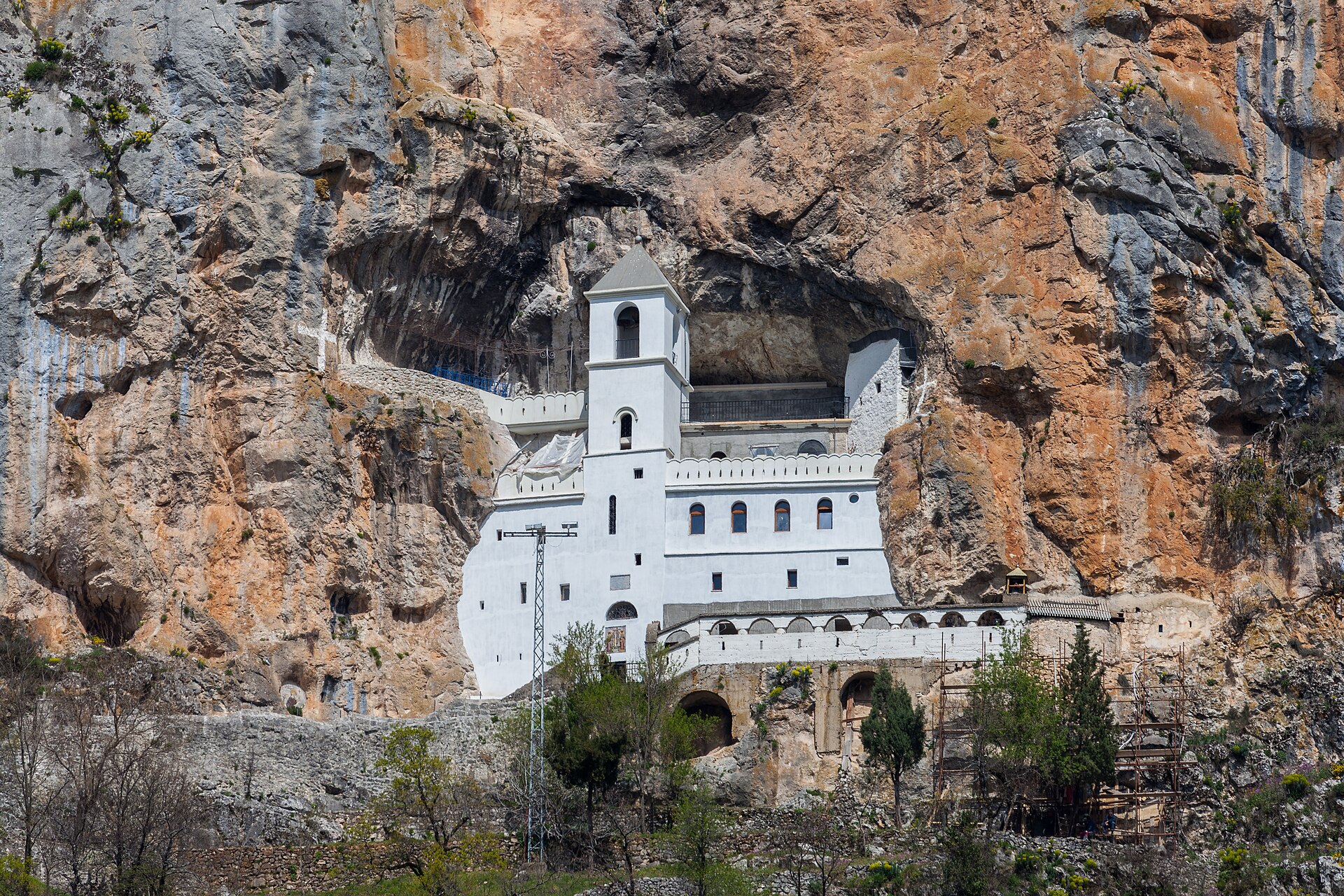
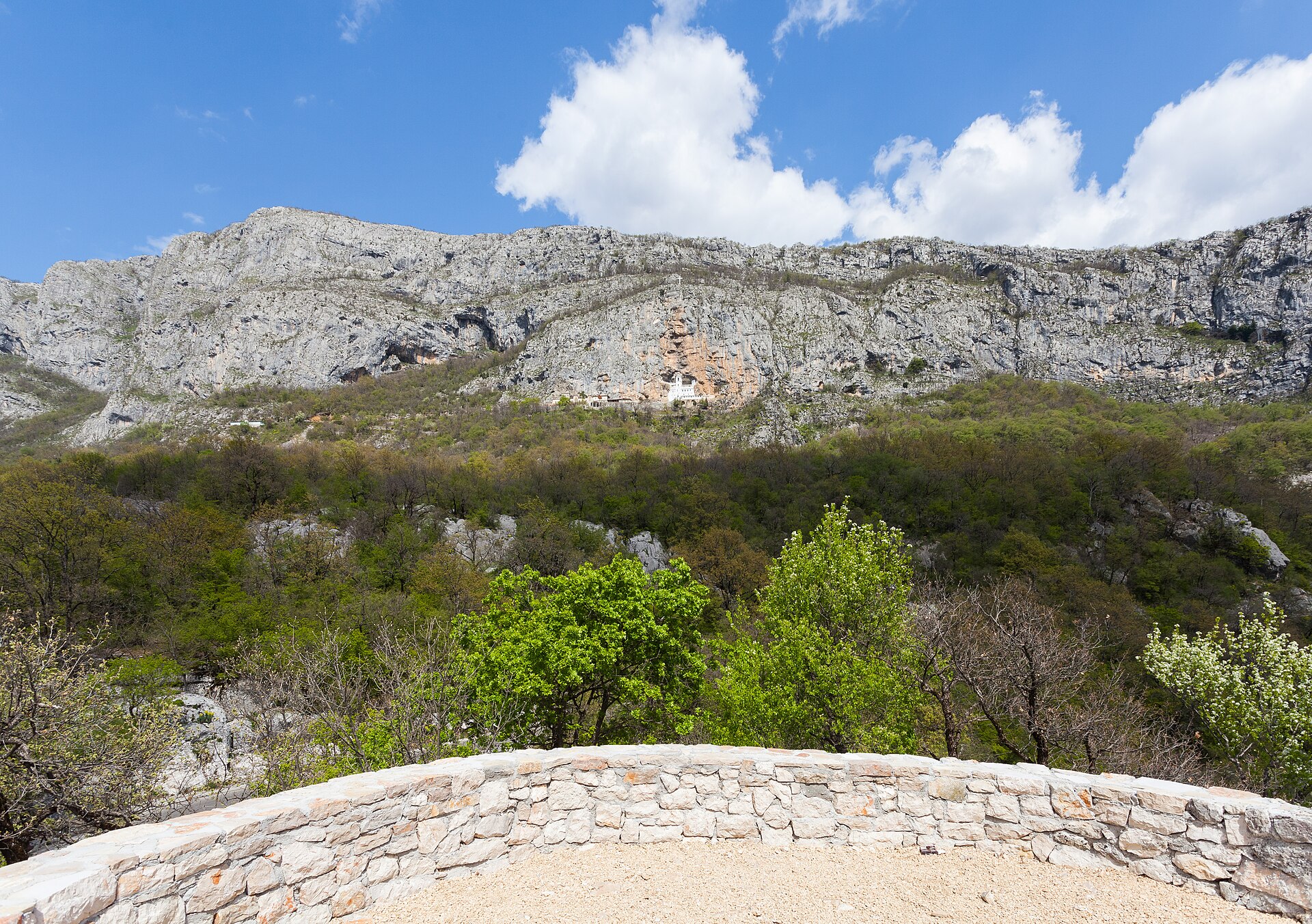
Ostrog combines a 17th-century Serbian Orthodox monastery with a mountain setting that is part of the visit. The upper monastery is carved into a cliff around 900 m above the Zeta Valley and contains Saint Basil’s cave and reliquary, while the lower monastery forms the second part of the complex. The upper path is steep, and the mountain road is accessible year-round with caution in winter.
Best Things to Do in Ostrog Monastery
Ostrog Monastery is a remarkable and moving religious sites in the Christian world — a Serbian Orthodox monastery literally carved into a near-vertical cliff face 900 metres above the Zeta Valley, its white stone walls seemingly fused with the mountain itself. The sight of Ostrog as it comes into view around the final bend of the winding mountain road is impressive: a vision of whitewashed cells, tiny balconies, and the tiny Church of the Holy Cross clinging improbably to a massive rock face that towers above the surrounding landscape. Founded in the 17th century by Saint Basil of Ostrog, who spent 15 years living as a hermit in a cave on this cliff before founding the monastery, Ostrog has been a place of pilgrimage for over three centuries.
Exploring Ostrog Monastery: Top Attractions & Hidden Gems
The monastery is divided into two sections: the Gornji Manastir (Upper Monastery), which contains the original cave church and the reliquary of Saint Basil, and the Donji Manastir (Lower Monastery), built in the 19th century to accommodate the growing number of pilgrims. The upper monastery is reached by a steep path that passes under a massive overhanging rock — the experience of entering this sacred space, carved into the living stone of the mountain, is profoundly moving regardless of one's religious beliefs. Inside the cave church, the atmosphere is thick with incense and the quiet murmur of prayer. Pilgrims queue patiently to venerate the relics of Saint Basil, which are said to possess miraculous healing powers.
Local Culture & Food in Ostrog Monastery
Thousands of silver votive plaques (many in the shape of body parts healed, according to tradition, through Saint Basil's intercession) cover the walls, silent testimony to countless answered prayers. Visitors of all faiths — and of none — come to Ostrog drawn by the site's remarkable spiritual energy. Even from a purely secular perspective, the engineering achievement of building this monastery into the cliff face, the impressive mountain views from its balconies, and the palpable sense of centuries of devotion make Ostrog an unforgettable destination. The monastery is accessible by road year-round, though winter driving requires caution.
🗓 Best Time to Visit
April to October. Montenegro's climate varies from Mediterranean along the coast to alpine in the mountains. The coast is best April-October, peaking July-August. The Bay of Kotor is impressive in May-June when the wisteria blooms and crowds are thin. The mountains (Durmitor, Biogradska Gora) are ideal June-September for hiking and December-March for skiing.
🍽 Food & Drink
Montenegrin cuisine blends fresh Adriatic seafood on the coast with hearty Balkan meat dishes in the mountainous interior, all using high-quality local ingredients. Must-try dishes include: njeguški pršut (smoked ham from Njeguši), fresh Adriatic fish and seafood (grilled squid, scampi, brancin/sea bass), kačamak (buckwheat or cornmeal porridge with cheese), and cicvara (cornmeal with kaymak cream). For drinks, try Vranac (the king of Montenegrin red wines), loza (grape brandy), and regional rakijas.
🚗 How to Get to Ostrog Monastery by Bus, Car & Boat
The coastal road (Adriatic Highway) connects all coastal towns — drive for flexibility. Buses run the coast-highway route. The Bar-Belgrade railway is one of Europe's most scenic train journeys. Catamarans link coastal towns. Taxis are affordable along the coast. Local buses serve towns and nearby beaches. Renting a car is highly recommended for exploring the interior (Njeguši, Ostrog, Durmitor). Be prepared for winding mountain roads.
🥘 Where to Eat in Ostrog Monastery: Authentic Local Cuisine
While Ostrog Monastery itself may not have extensive dining options, the nearby towns and villages offer excellent restaurants serving traditional regional cuisine. Many historical sites have a cafe or snack bar for light refreshments, but the real culinary experiences await in the surrounding settlements. Look for traditional konobe (taverns) and family-run restaurants where recipes have been passed down through generations. These establishments often use ingredients sourced from local farms and producers — fresh cheeses, cured meats, seasonal vegetables, and artisan breads. For a memorable experience, book a table at a restaurant with views overlooking the historical site, especially at sunset when the ancient stones glow golden. Local wineries near archaeological sites often offer tastings paired with regional specialties. Pack a picnic to enjoy on the grounds of the site itself — there's something special about eating surrounded by millennia of history. Montenegrin cuisine blends Mediterranean seafood along the coast with hearty mountain fare inland — njeguški pršut, fresh Adriatic fish, and Vranac wine are local favorites.
🏨 Best Hotels Near Ostrog Monastery
Accommodation options vary by season and location. Book ahead for summer weekends and major local events.
Find a stay in Ostrog Monastery
Compare apartments, guesthouses, and vacation rentals while you finalize your route. Flexible cancellation can help when drive times or border plans change.
Browse stays in Ostrog Monastery on Vrbo →Accessibility
Ostrog is a cliffside monastery reached by a mountain road and a steep upper path. The page does not document step-free access, so plan around the part of the complex you can safely reach:
- Upper monastery: the upper path is steep, and the upper monastery is carved into the cliff. The page does not state that this route is step-free or adapted.
- Road access: the monastery is accessible by mountain road year-round, but winter driving requires caution because the approach is narrow and winding.
- Two-part complex: Ostrog has upper and lower monasteries; confirm which section you can access comfortably before planning the visit.
- Religious spaces: photography is restricted inside the cave church, and the site is an active place of pilgrimage. Allow for a respectful, unhurried visit.
- Unknown facilities: the page does not list accessible parking, toilets, or adapted transport. Confirm current arrangements with the monastery or accommodation before travelling.
Common Mistakes
- Wearing beach clothing to an active monastery. The page advises covering shoulders and knees, with head covering for women.
- Underestimating the upper path. The route to the upper monastery is steep; allow for the climb rather than treating it as a roadside viewpoint.
- Driving the approach casually in winter. The mountain road is open year-round according to the page, but winter driving requires caution.
- Assuming the whole complex is one level. The upper and lower monasteries are separate parts of the site.
- Photographing inside the cave church. The page says photography is permitted outside but restricted inside the cave church.
- Planning only for a secular sightseeing stop. Ostrog is an active monastery and pilgrimage site; build the visit around its religious setting.
Photography
The exterior approach, cliff setting, and mountain views from the monastery’s balconies are the page’s strongest subjects. Visit early if you want to reduce bus-tour presence, and keep cameras outside the cave church where photography is restricted. Montenegro regulates drones — check current registration and flight rules with the Civil Aviation Agency of Montenegro (caa.me) before flying.
Day Trips
Ostrog can be paired with the existing Montenegro destination guides below. Treat these as conservative route-planning suggestions: the page does not establish travel times, so check current road conditions and seasonal access before combining stops.
Nikšić. A central Montenegro stop to consider alongside the monastery when building an inland route.
Podgorica. Use Podgorica as another possible base or route point around a visit to Ostrog; do not assume a fixed same-day schedule without checking conditions.
Morača Monastery. Pair two monastery visits only if the day’s road conditions and opening arrangements make the combined route practical.
Durmitor. Consider it for a wider mountain itinerary, with seasonal access and road conditions checked before committing to the combination.
Etiquette
Ostrog is an active Serbian Orthodox monastery and pilgrimage site. Visitors of all faiths can help preserve that setting by following a few simple courtesies:
- Dress modestly: cover shoulders and knees; women should also cover their heads, with scarves sometimes available at the entrance.
- Queue patiently: the page describes pilgrims waiting to venerate Saint Basil’s relics. Treat the reliquary as a place of devotion, not a queue to bypass.
- Respect the cave church: photography is restricted inside, even though exterior photography is permitted.
- Keep the pilgrimage setting in mind: the upper monastery contains Saint Basil’s cave and reliquary, so plan for a quiet and respectful visit.
- Share the path: the upper route is steep and used by pilgrims; move carefully and allow others space on the climb.
- Follow seasonal caution: the road is accessible year-round, but winter driving requires care on the mountain approach.
Frequently Asked Questions
When is the best time to visit Ostrog Monastery?
April to October. Montenegro's climate varies from Mediterranean along the coast to alpine in the mountains. The coast is best April-October, peaking July-August. The Bay of Kotor is impressive in May-June when the wisteria blooms and crowds are thin. The mountains (Durmitor, Biogradska Gora) are ideal June-September for hiking and December-March for skiing.
How do I get to Ostrog Monastery?
The coastal road (Adriatic Highway) connects all coastal towns — drive for flexibility. Buses run the coast-highway route. The Bar-Belgrade railway is one of Europe's most scenic train journeys. Catamarans link coastal towns. Taxis are affordable along the coast. Local buses serve towns and nearby beaches.
How many days do you need in Ostrog Monastery?
A visit to Ostrog Monastery can be tailored to your interests. Ostrog Monastery is a remarkable and moving religious sites in the Christian world — a Serbian Orthodox monastery literally carved into a near-vertical cliff face 900 metres above the Zeta Valley, its.
What is Ostrog Monastery known for?
Ostrog Monastery is a remarkable and moving religious sites in the Christian world — a Serbian Orthodox monastery literally carved into a near-vertical cliff face 900 metres above the Zeta Valley, its white stone walls seemingly fused with the mountain itself.
Where should I stay in Ostrog Monastery?
While Ostrog Monastery itself is primarily a heritage attraction, the nearest town or city offers a range of accommodation options to suit every budget. Look for hotels and guesthouses that provide easy access to the site — many offer shuttle services or are within walking distance.
🗺️ Build a route around Ostrog Monastery: Add Ostrog Monastery to my itinerary. It opens the planner with this stop selected, so you can add nearby places and set the trip length.
Plan your budget
For country-level budget ranges and planning assumptions, see the Balkan travel costs guide.