
Kotor – Old Town
September–October
8 km
Kotor at a Glance
| Country | Montenegro |
| Region | Bay of Kotor (Boka Kotorska) |
| Currency | Euro (€) |
| Language | Montenegrin |
| Known for | UNESCO-listed Old Town, San Giovanni Fortress, Bay of Kotor |
| Best time to visit | April–June or September–October |
| Recommended stay | 2–3 days |
Why Visit Kotor
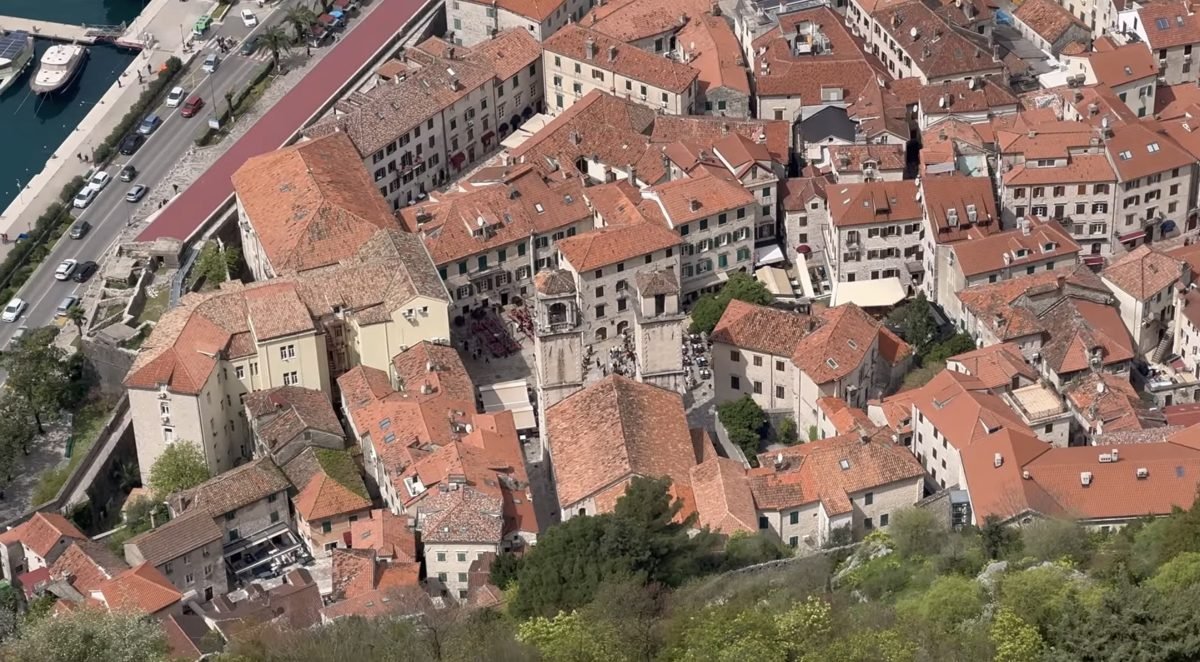
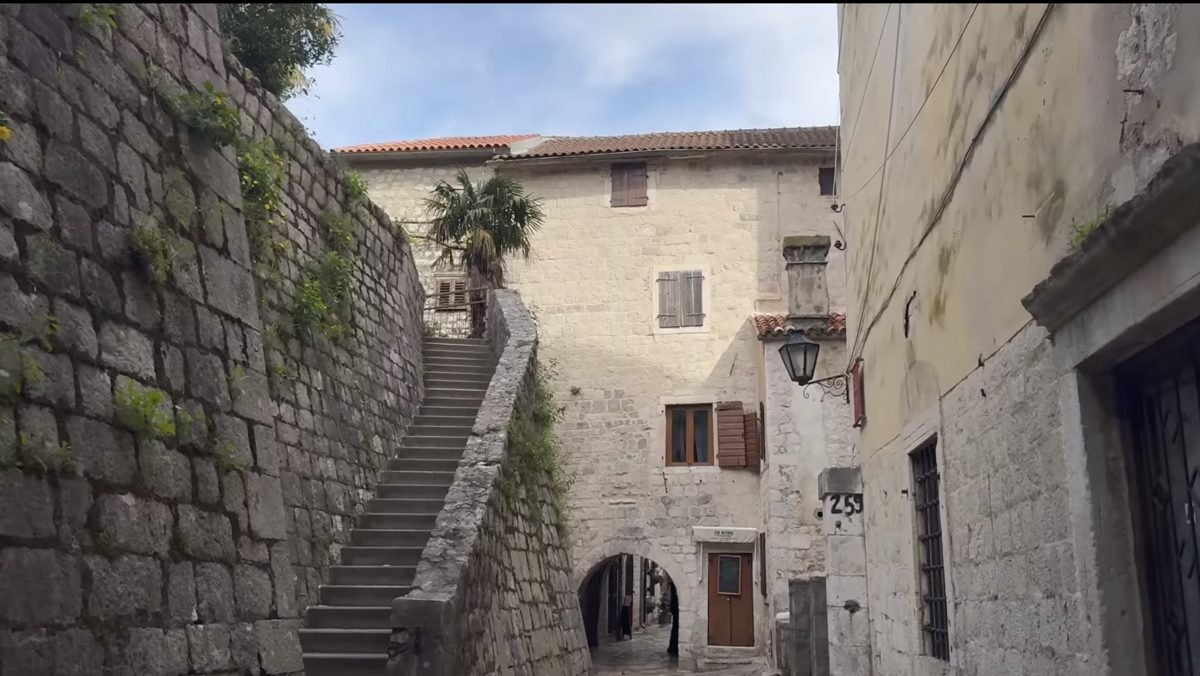
Kotor's Old Town is a UNESCO-listed walled city at the head of the Bay of Kotor, with medieval lanes, Venetian palaces and one of the most photographed waterfronts in Montenegro. The defining experience is the climb up 1,350 stone steps to San Giovanni Fortress for a 360-degree panorama of the bay. Plan 2–3 days and you can pair the old town with a boat trip to Perast and Our Lady of the Rocks, or a day up at Lovćen National Park.
Hidden Gems in Kotor
Kotor’s quieter side is easy to miss if you stay on the main square. The Cats Museum offers a small, distinctive stop inside the old town, while the Maritime Museum adds context on Boka Kotorska’s seafaring history. For a different view of the rooftops, walk the city walls from the river entrance rather than the main gate, then look for a family-run konoba in the side streets away from the busiest lanes.
Climbing the Kotor Fortress: Tickets, Routes & Best Time
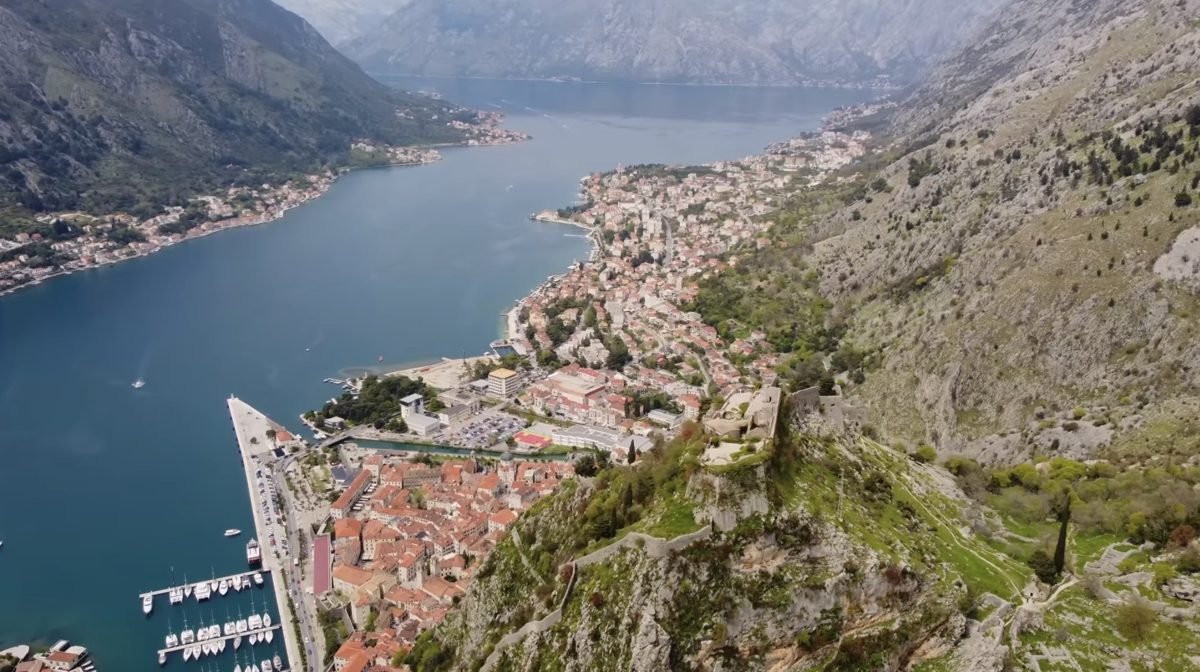
The defining experience of any visit to Kotor is the climb up 1,350 stone steps to the San Giovanni Fortress. The serpentine path winds through fortified gates and switchbacks — it takes about 45 minutes to an hour depending on your pace. The reward at the top is a 360-degree panorama of the entire Bay of Kotor, the terracotta rooftops of the old town, and the surrounding peaks. Pro tip: Start at sunrise to beat the heat and catch the golden morning light over the bay. Bring plenty of water and wear sturdy walking shoes — the steps get slippery after rain. Tickets: The Municipality of Kotor lists the individual bedem and fortress fee at €15, effective from March 1, 2025. Check the official municipal fee notice for current fees and opening hours (last verified August 31, 2026).
Exploring Kotor's Old Town: Medieval Squares & Venetian Palaces
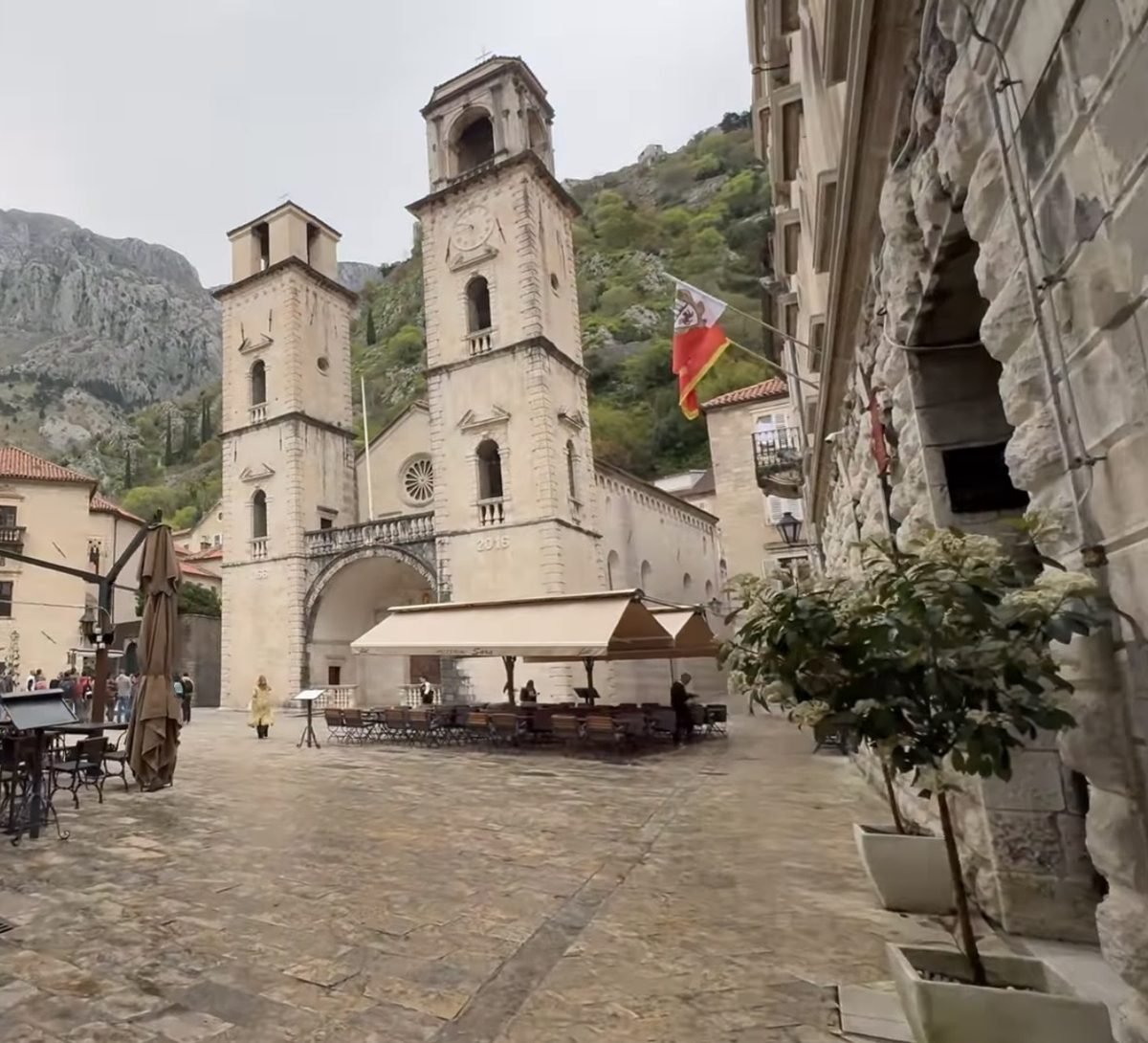
The heart of Kotor is Trg od Oružja (Square of Arms), dominated by the Clock Tower and the old City Guard building — the perfect starting point. Wander through the labyrinthine lanes to discover the Cathedral of Saint Tryphon, a Romanesque masterpiece dating back to 1166 that houses a treasury of precious artifacts. The Maritime Museum traces Boka Kotorska's seafaring heritage through model ships, uniforms, and nautical instruments. For something quirky, the Cats Museum is a delight — feline-themed art paying homage to the city's beloved stray cats that roam the stone streets.
Bay of Kotor Boat Trips: Perast & Our Lady of the Rocks
Beyond the walls, the Kotor promenade buzzes with boat tour operators offering excursions to the nearby islets of Perast and Our Lady of the Rocks. These short boat trips (30–45 minutes each way) offer stunning views of the bay from the water — the man-made island with its church and museum is one of the most photographed spots in Montenegro. Evening boat tours are particularly atmospheric as the old town's stone walls are softly illuminated, casting golden reflections across the water.
🗓 Best Time to Visit
April to October. Montenegro's climate varies from Mediterranean along the coast to alpine in the mountains. The coast is best April-October, peaking July-August. The Bay of Kotor is impressive in May-June when the wisteria blooms and crowds are thin. The mountains (Durmitor, Biogradska Gora) are ideal June-September for hiking and December-March for skiing.
🍽 Food & Drink
Eating in Kotor – Old Town centers around traditional family recipes and regional ingredients — historic stone buildings house traditional restaurants where you can taste local recipes passed down through generations. Must-try dishes include: njeguški pršut (smoked ham from Njeguši), fresh Adriatic fish and seafood (grilled squid, scampi, brancin/sea bass), kačamak (buckwheat or cornmeal porridge with cheese), and cicvara (cornmeal with kaymak cream). For drinks, try Vranac (the king of Montenegrin red wines), loza (grape brandy), and regional rakijas.
🚗 How to Get to Kotor by Bus, Car & Boat
By air: The nearest airports are Tivat (TIV, 8 km, 15 min taxi) and Dubrovnik, Croatia (DBV, 70 km, 1.5 hours by car or bus). Podgorica Airport (TGD) is 90 km away (2 hours). By bus: Kotor's bus station is a 10-minute walk from the Old Town. Regular services connect to Dubrovnik (2.5 hours, €15–20), Budva (30 min, €3–5), and Podgorica (2 hours, €8–12). By car: Well-connected by regional roads. Parking lots are available outside the Old Town walls — the old town itself is pedestrian-only. Renting a car is recommended for exploring the interior (Njeguši, Ostrog Monastery, Durmitor). By boat: During summer, catamaran services connect Kotor to Bari, Italy via the Port of Kotor. Getting around: Kotor's Old Town is compact and best explored on foot. Taxis are affordable (€3–5 for most trips within town). Local buses serve nearby beaches and towns.
🥘 Where to Eat in Kotor: Traditional Montenegrin Cuisine
Eating in Kotor is as much about atmosphere as it is about food. The main square and surrounding cobblestone streets are lined with restaurants offering local specialties in historic stone buildings with candlelit tables and often live traditional music. Must-try dishes: njeguški pršut (smoked ham from Njeguši), fresh Adriatic fish and seafood (grilled squid, scampi, brancin/sea bass), kačamak (buckwheat or cornmeal porridge with cheese), and cicvara (cornmeal with kaymak cream). For drinks: Vranac (Montenegro's flagship red wine), loza (grape brandy), and regional rakijas. Insider tip: Venture off the main tourist streets into the side alleys for family-run konobe (traditional taverns) with better prices and more authentic cooking. The local market is perfect for picnic supplies if you're day-tripping.
🏨 Best Hotels in Kotor – Old Town
Staying in Kotor – Old Town is an experience in itself — many hotels are housed in beautifully restored historic buildings, offering rooms with original stone walls, exposed wooden beams, and period furnishings. Boutique hotels within the old town walls give you direct access to the cobblestone streets, squares, and landmarks, with restaurants and cafes just steps from your door. For a quieter stay, look for guesthouses and small hotels just outside the old town — they often offer better value, free parking, and the same easy walking access. Many historic town accommodations feature rooftop terraces and courtyards where you can enjoy breakfast or an evening drink overlooking the ancient rooftops. Family-run hotels (known locally as konobe or guesthouses) provide the warmest welcome, often serving homemade specialties for breakfast and offering personalized tips for exploring. Montenegro offers a wide range from luxury resorts in Sveti Stefan and Tivat to family-run guesthouses and affordable apartments in Budva and along the coast.
Find a stay in Kotor
Compare apartments, guesthouses, and vacation rentals while you finalize your route. Flexible cancellation can help when drive times or border plans change.
Browse stays in Kotor on Vrbo →Accessibility
- The Old Town is pedestrian-only. Cars stop outside the walls, and you walk the last stretch to your accommodation.
- Streets are medieval cobblestone and narrow, with steps between levels. Wheeled luggage works, but it is not a smooth roll.
- The San Giovanni Fortress climb is 1,350 steps on a serpentine path and takes about 45 minutes to an hour. It is not step-free, and the path can be slippery after rain.
- Boat trips to Perast and Our Lady of the Rocks board from the promenade; boarding involves steps and movement on the water.
- If you need step-free routes, confirm the entrance and Old Town access with your accommodation before booking.
Common Mistakes
- Allowing only one day. The page's own advice is 2–3 days: one for the fortress and old town, one for the Perast boat trip, and a third for the Bay or Lovćen.
- Climbing the fortress at midday in summer. Start at sunrise to beat the heat and the crowds; the steps also get slippery after rain.
- Expecting to drive into the Old Town. It is pedestrian-only, so use the parking lots outside the walls and walk in.
- Visiting in July–August without a plan. Cruise passengers pack the lanes; arrive before 8:30 AM or after 4 PM.
- Skipping the boat trip. Perast and Our Lady of the Rocks are a 30–45 minute ride each way and anchor the standard Kotor day.
- Forgetting that the current individual bedem and fortress fee is €15, effective from March 1, 2025.
Photography
- Start the fortress climb at sunrise. The top gives a 360-degree panorama of the bay in golden morning light, before the heat and cruise crowds arrive.
- Take an evening boat tour. The old town's stone walls are softly illuminated and cast golden reflections across the water, one of the most photographed scenes in Montenegro.
- Walk the city walls from the river entrance rather than the main gate for a different angle over the rooftops.
- Drone note: check current registration and flight rules with the Civil Aviation Agency of Montenegro before flying a drone in Kotor or over the bay.
Day Trips
- Perast and Our Lady of the Rocks — boat trip of 30–45 minutes each way from the Kotor promenade to the baroque waterfront town and its man-made island.
- Budva — 30 minutes by bus (€3–5) down the coast to the walled old town and its beaches.
- Lovćen National Park — the mountain backdrop of the bay, a recommended third-day drive from Kotor with Njeguši on the way.
- Tivat — 8 km away, about 15 minutes by taxi, with a marina and coastal promenade if you want a quieter afternoon.
Etiquette
- Tipping: rounding up or leaving about 10% in restaurants is customary; taxi drivers do not expect it.
- Dress modestly at churches and monasteries, covering shoulders and knees. Kotor is home to St. Tryphon Cathedral, and Montenegro is predominantly Orthodox.
- Cash: the euro is used everywhere, and smaller konobas and kiosks often prefer it over cards.
- Greetings: a handshake is the standard first meeting, and people move to first names quickly.
- Coffee culture: a coffee in a kotor cafe is a slow, social ritual. Do not rush the bill.
- Photography of people: ask before photographing locals, especially away from the main squares.
Frequently Asked Questions
When is the best time to visit Kotor?
The best time to visit Kotor is April-June or September-October when temperatures are pleasant (20-28°C / 68-82°F) and the cruise ship crowds are manageable. May-June is magical when wisteria blooms cascade over stone walls. July-August is hot and packed with cruise passengers. Winter is quiet with many attractions on reduced hours.
How do I get to Kotor?
The nearest airports are Tivat Airport (TIV, 8 km away) and Dubrovnik Airport (DBV, Croatia, 70 km). Podgorica Airport (TGD) is 90 km away. Buses connect Kotor to Dubrovnik (2.5 hours), Budva (30 minutes), and Podgorica (2 hours). The Old Town is pedestrian-only — park outside the walls.
How many days do you need in Kotor?
2-3 days is ideal for Kotor: one day for the Old Town and climbing the San Giovanni Fortress (1,350 steps), one day for a boat trip to Perast and Our Lady of the Rocks, and a third day for exploring the Bay of Kotor or Lovćen National Park.
What are the top attractions in Kotor?
The San Giovanni Fortress (1,350 steps with views over the bay), St. Tryphon Cathedral (Romanesque, 1166 AD), the Maritime Museum, the winding medieval lanes of the Old Town, and the boat trip to the islets of Perast and Our Lady of the Rocks.
🗺️ Build a route around Kotor – Old Town: Add Kotor – Old Town to my itinerary. It opens the planner with this stop selected, so you can add nearby places and set the trip length.
Plan your budget
For country-level budget ranges and planning assumptions, see the Balkan travel costs guide.