
Dobra Voda
Dobra Voda at a Glance
| Country | Montenegro |
| Region | Southern Adriatic coast, between Bar and Ulcinj |
| Currency | Euro (€) — Montenegro uses the euro, not the Montenegrin dinar |
| Language | Montenegrin (Serbian/Montenegrin dialects; English at hotels and restaurants in season) |
| Beach type | Pebble — Veliki Pijesak is 600 m of white pebbles backed by pine forest |
| Nearest airports | Podgorica (54 km, ~55 min via Sozina tunnel, toll €3); Tivat (82 km, ~1 hr 20 min) |
| Best time to visit | June–September; September is the sweet spot (warm sea, fewer crowds) |
| Recommended stay | 1–2 days as a beach stop, or 3–4 days with day trips to Bar and Ulcinj |
Why Visit Dobra Voda
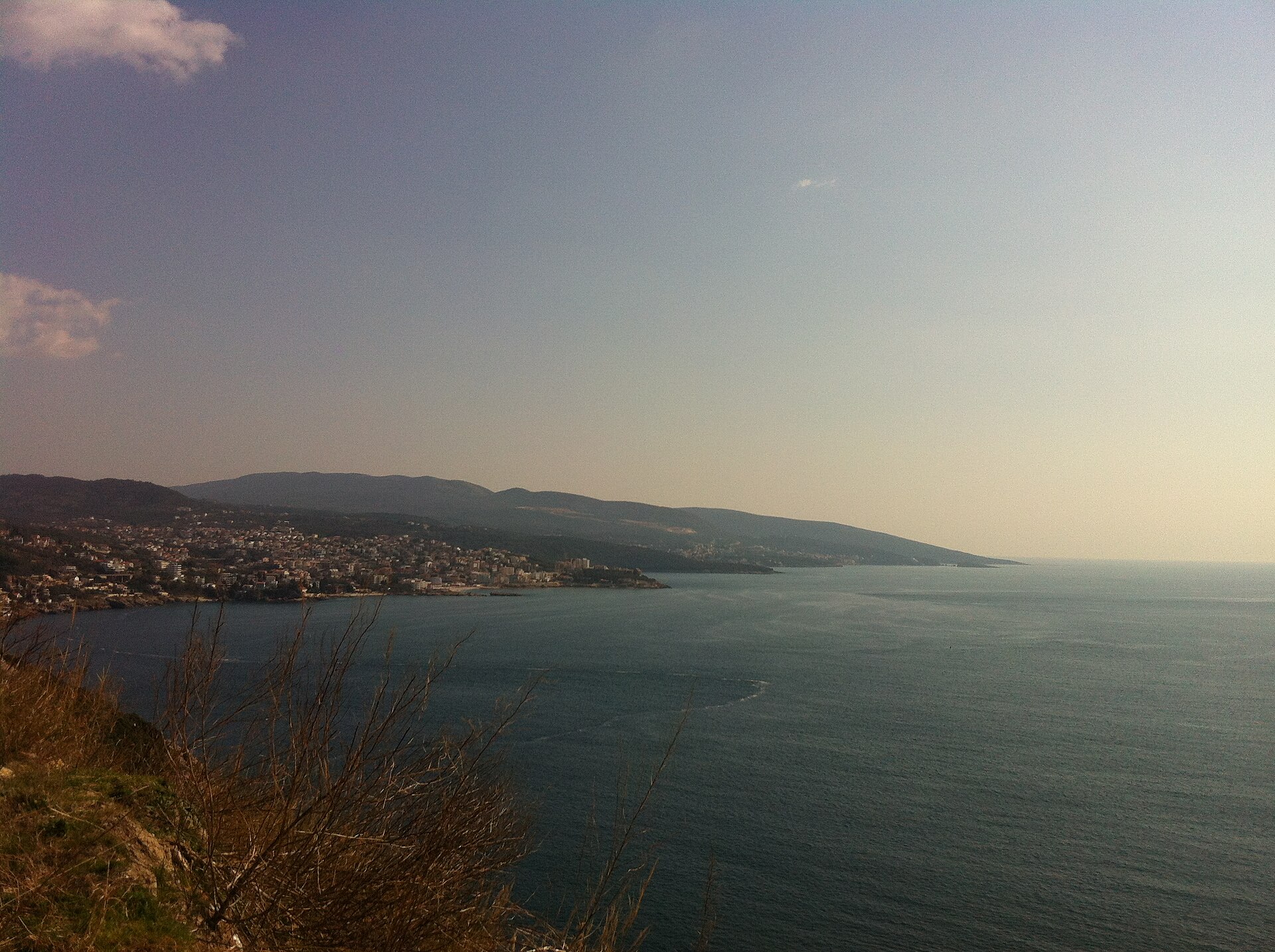
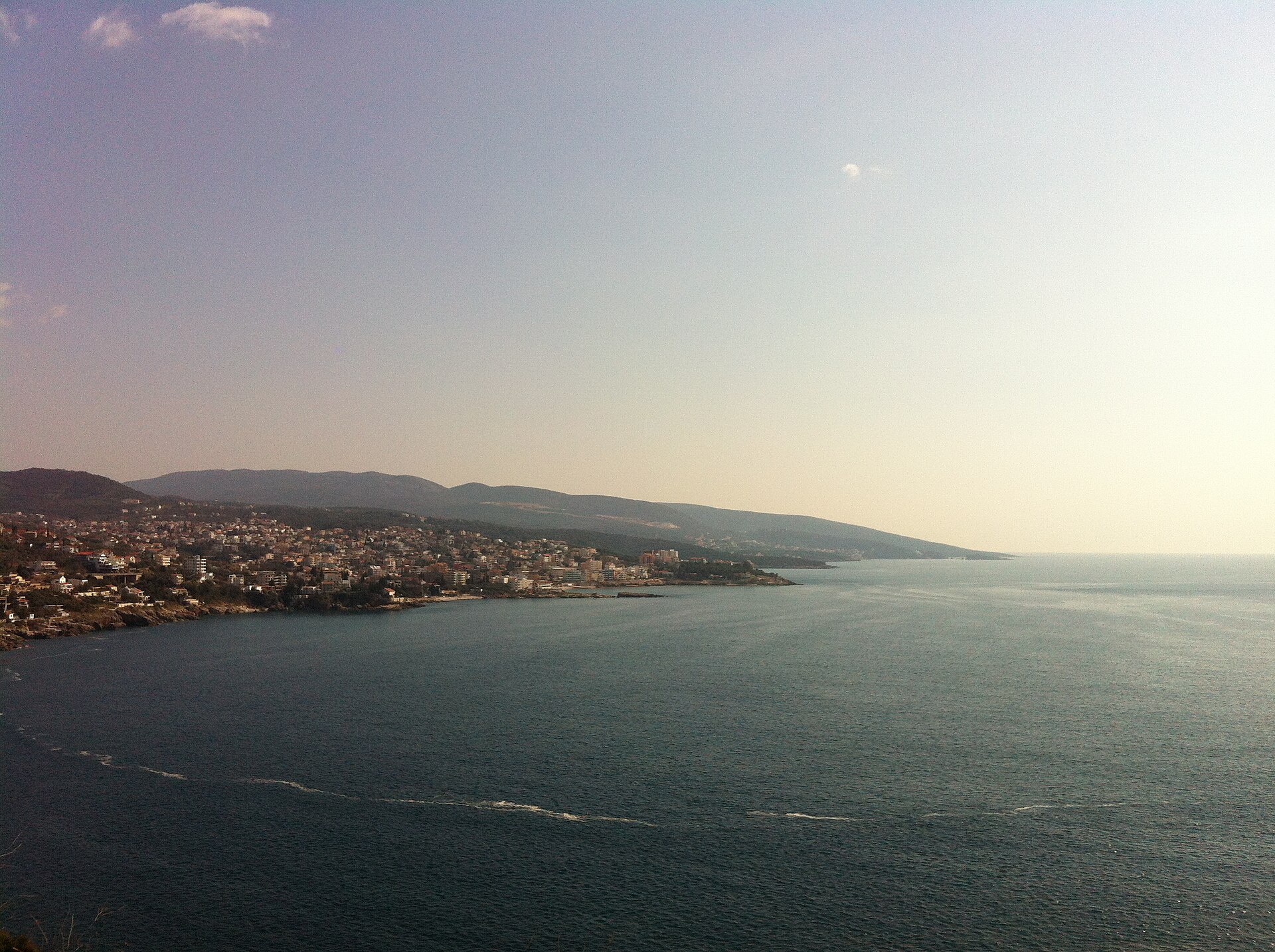
Dobra Voda ("Good Water") is the quieter alternative to the Budva Riviera: a low-key beach village on a 3 km pebble coast where the crowd is mostly Montenegrin families and returning European travellers rather than package-tour groups. Veliki Pijesak is the draw — 600 metres of white pebbles under a pine forest that drops real shade onto the sand, with unusually clear water (8–10 m visibility on calm days). It works best as a base: Bar's Old Town and 2,000-year-old olive tree are 12 km north, Ulcinj's Long Beach and old town 18 km south, and everything in the village itself is walkable once you arrive.
Best Things to Do in Dobra Voda
Dobra Voda means "Good Water" in Montenegrin, and it fits. It's a low-key beach village on a 3 km pebble coast between Bar (12 km north) and Ulcinj (18 km south). No package-tour crowds like Budva — the crowd here is mostly Montenegrin families, Serbian retirees, and the same European travellers who come back to the same apartment every year.
Exploring Dobra Voda: Top Attractions & Hidden Gems
Veliki Pijesak ("Big Sand") is the main beach: 600 metres of white pebbles, backed by a pine forest that drops shade across the sand until mid-afternoon. The seabed shelves so gently you can wade out 20 metres and the water is still waist-deep. On calm days you can see the bottom clearly at 8–10 metres — smooth white and grey stones in sharp detail. Mali Pijesak ("Little Sand"), a 10-minute walk south along the coastal footpath, is rockier and much quieter.
Local Culture & Food in Dobra Voda
The promenade behind Veliki Pijesak has sunbed rentals (€10–15 for two with umbrella) and a few seasonal bars. Inland, olive terraces climb the hills — some trees are over 1,000 years old — with unpaved roads good for mountain biking or an afternoon walk. The village itself is small: an Orthodox church (Crkva Svetog Nikole), a post office, a bakery (Pekara MB, 7 am–2 pm, burek from €1.50), and a mini-market (Roda Market, open daily until 10 pm). There are four concrete tennis courts and a small football pitch near the Hotel Maslina junction.
🗓 Best Time to Visit
Peak season runs from late June through August. The Adriatic hits 26–27°C and every sunbed on Veliki Pijesak is claimed by 10 am. Daytime highs sit around 32–35°C, and the village swells from roughly 300 year-round residents to a few thousand. September is the sweet spot: the sea is still warm (23–24°C), the shaded parts of the beach have space, and restaurant prices drop 10–15% as high-season surcharges end. June is pleasant but the sea can be brisk (19–21°C), especially early in the month. May works for hiking the olive-terrace trails, but it's too cool for proper swimming. From November to March, most beach bars and restaurants shut down — only Pekara MB bakery and Roda Market stay open year-round.
🍽 Food & Drink
Two restaurants anchor the village's dining scene. Konoba Kod Boga (on the Veliki Pijesak waterfront, open June–September) is the local favourite — their grilled squid (€9), black risotto with cuttlefish (€10), and whole grilled brancin/sea bass (€14–16 per kg) come with a side of homemade ajvar and a view of the Adriatic. A carafe of house Vranac is €5. Restaurant Maslina (at Hotel Maslina, open year-round) serves hearty grill plates — pljeskavica with kajmak (€7), mixed meat platter for two (€18), and a decent pizza margherita (€6). For a quick bite, Pekara MB on the main road sells fresh burek with cheese or meat (€1.50), pizza slices (€2), and walnut-stuffed baklava (€1). Pizzeria & Fast Food Luna (next to Roda Market) does takeaway ćevapi in a somun (€3.50) and mixed salads (€4). Beach bars along the promenade — Bar Pjaca and Caffe Bar Portorino — serve espresso (€1.20), gin-tonic (€5), and draught Nikšićko beer (€2.50). For a serious meal, drive 12 km north to Bar's Konoba Stara Maslina (beneath the 2,000-year-old olive tree, peka under a bell for two from €25, order 24 hours ahead).
🚗 How to Get to Dobra Voda by Bus, Car & Boat
By car from Bar (12 km, 15 min) or Ulcinj (18 km, 20 min): follow the Jadranska magistrala (E851/E80). The coastal road offers Adriatic views but jams up in July–August on weekends. Parking near Veliki Pijesak is limited — the main lot (€3/day, ~80 spaces) fills by 9:30 am in August; park on the hillside streets south of Hotel Maslina and walk down. By bus: Blue Line and Gluhi run hourly services between Bar and Ulcinj stopping in Dobra Voda (€2–3, 25 min to Bar, 30 min to Ulcinj). Buses run from 6 am to 9 pm in summer, less frequent off-season. Taxi from Bar bus station to Dobra Voda costs about €10–12. The nearest airport is Podgorica (54 km, 55 min via the Sozina tunnel, toll €3), though Tivat (82 km, 1 hr 20 min) is also viable. A rental car is useful for day trips but unnecessary if you're staying beachside — everything in the village is walkable. For day trips, rent from Auto Herc Bar (from €25/day including insurance, at the Bar ferry terminal).
🥘 Where to Eat in Dobra Voda: Authentic Local Cuisine
Dobra Voda's dining scene is small but specialised. Konoba Kod Boga (Veliki Pijesak waterfront, June–September, dinner from 6 pm) is the top pick for seafood — the grilled squid (€9), crni rižot/black risotto (€10), and whole grilled brancin (€14–16/kg) are consistent crowd-pleasers. Arrive by 7:30 pm to snag a sea-view table. Restaurant Maslina (at Hotel Maslina, open year-round, 11 am–11 pm) handles the grill side: mixed meat platter for two (€18), pljeskavica with kajmak (€7), and pizza (€6–8). Their daily catch special fluctuates but expect €12–15 for a grilled orada or brancin. Pizzeria & Fast Food Luna (near Roda Market, open 10 am–midnight) turns out ćevapi (€3.50), pizza by the slice (€2), and solid Greek salad (€4). Pekara MB (main road, 7 am–2 pm, closed Sundays) is the breakfast stop — cheese burek (€1.50), meat burek (€2), and sweet baklava (€1). For drinks at sunset, Bar Pjaca on the promenade pours Nikšićko draught (€2.50) and serves a solid platter of pršut and cheese (€6). A 15-minute drive north, Konoba Stara Maslina in Bar sits beneath the famous 2,000-year-old olive tree — their peka is the specialty (octopus or lamb under a bell, €25 for two, must be ordered 24 hours ahead). Most restaurants add a 5–10% service charge for groups of six or more; otherwise, rounding up is customary.
🏨 Best Hotels in Dobra Voda
Accommodation in Dobra Voda is dominated by private apartments rather than big resorts. The standout is Kalamper Hotel & Spa (4-star, from $166/night on Booking/Expedia, 4.6 rating from 1,300+ reviews) — a modern eco-certified hotel with an indoor pool, hot tub, fitness centre, and pet-friendly policy perched on the hillside with panoramic sea views. Casa Costa Hotel (4-star, from $68/night, 4.7 rating from 87 reviews) is a boutique property with an outdoor pool and on-site restaurant, set just off the main road a 5-minute walk from Veliki Pijesak. Sunset Hotel (from $124/night, 4.2 rating from 314 reviews) is a kid-friendly option with its own restaurant, directly facing the water at the south end of the beach. Hotel Maslina (3-star, from $61/night, 3.8 rating from 83 reviews) is a budget-friendly choice with a pool, free parking, and a year-round grill restaurant — best value outside July–August when the same room drops to €45. Azura Bay Hotel (from $104/night, 4.1 rating from 38 reviews) offers hot tub and spa access in a quieter location near Utjeha beach. For self-catering, MonteCasa Seaview Rooms (4.9 rating from 16 reviews, from $49/night with beach access) and Sea Garden Apartments (4.9 rating from 17 reviews, from $48/night) consistently earn top marks from guests. Novalic Hotel (4-star, 4.2 rating from 76 reviews) is a mid-range hillside option with sea views. Budget travellers can try Apartmani Ariana (from $30/night on Agoda) or Apart-Hotel Saraj (from $79/night, 5.0 rating from 8 reviews). Most apartments include free Wi-Fi, air conditioning, and private parking.
Find a stay in Dobra Voda
Compare apartments, guesthouses, and vacation rentals while you finalize your route. Flexible cancellation can help when drive times or border plans change.
Browse stays in Dobra Voda on Vrbo →Accessibility
Dobra Voda is a small hillside village, and the beach is a natural pebble shore rather than a developed resort, so plan around these realities:
- Pebble beaches, no sand: Veliki Pijesak is 600 m of pebbles. Sunbed rentals (€10–15 for two with umbrella) are the practical option; Mali Pijesak has no loungers and sharper stones, so bring a mat.
- Walking: the coastal footpath to Mali Pijesak and the olive-terrace trails inland are unpaved and uneven. The hillside streets between the main road and the beach are steep.
- Wheelchair users: there is no boardwalk or dedicated beach access at Veliki Pijesak, and the village's hillside layout involves steps and gradients. Confirm entrance access with your accommodation before booking — most stays are private apartments.
- Parking: the main beach lot is ~80 spaces and fills early in August; hillside street parking requires a short walk down.
- Accessible option nearby: Bar and Ulcinj's old towns are walkable but cobbled; for barrier-free resort facilities, larger hotels in Budva are the more developed choice.
Common Mistakes
- Expecting sand. Both beaches are pebble. Bring water shoes or a mat; the seabed is smooth but the shoreline stones are not.
- Arriving at the main lot after 9:30 am in August. The ~80-space lot fills fast; the exit queue at 5 pm can take 30 minutes. Go early or park on the hillside streets south of Hotel Maslina.
- Assuming restaurants are open off-season. Most beach bars and restaurants close November–March; only Pekara MB bakery and Roda Market stay open year-round.
- Not carrying cash. Beach bars, the bakery, and small kiosks operate on cash; cards are accepted at the larger hotels.
- Missing the bus. Buses stop on the main road in front of Roda Market — wave it down; they don't always stop automatically.
- Overpacking for a beach stay. A rental car is useful for day trips but unnecessary in the village itself, where everything is walkable.
Photography
Veliki Pijesak photographs best in the morning, before the pine shade gets patchy and the sunbed crowd fills the shoreline — the light on the white pebbles and clear water is at its cleanest between 8 and 10 am. The coastal footpath south toward Mali Pijesak and Utjeha gives elevated angles over the coves, and the hillside above the village (behind Hotel Maslina) frames the whole bay with the Adriatic behind it. Sunsets are best from the promenade or the south end of the beach. Drone note: Montenegro regulates drones — check the current registration and flight rules with the Civil Aviation Agency of Montenegro (caa.me) before flying, and respect beach privacy and crowds.
Day Trips
Dobra Voda sits midway on the southern coast road between Bar and Ulcinj, which makes it a practical base for a day or two of exploring beyond the beach. All three options below have their own guides on this site.
Bar — 12 km north. Bar's Old Town (Stari Bar, up the hill from the modern port) and the 2,000-year-old olive tree are the classic outing from Dobra Voda — the tree sits beneath Konoba Stara Maslina, where peka must be ordered a day ahead. It's about 15 minutes by car or 25 minutes by bus, and a half day is enough for the old town ruins plus lunch. Read the Bar guide →
Ulcinj — 18 km south. The other direction along the coast brings you to Ulcinj's Long Beach and the old town above it, which the FAQ on this page treats as a one-day outing. It's about 20 minutes by car or 30 minutes by bus, so it works as a morning beach change or a late-afternoon old town wander. Read the Ulcinj guide →
Lake Skadar — set aside a full day. When the coast starts to feel repetitive, Lake Skadar National Park is the common inland change of scene — freshwater instead of salt, boat trips instead of sunbeds. This page budgets one full day for it, and that's the realistic amount of time once you factor in the drive; leave early and keep the day to the lake alone. Read the Lake Skadar guide →
Etiquette
Montenegro is relaxed about most things and visitors are generally given the benefit of the doubt, but a few local customs make life easier:
- Tipping: rounding up the bill is customary in restaurants and cafés. For groups of six or more, a 5–10% service charge is often added automatically, so check the bill before adding extra.
- Churches and monasteries: modest dress is the norm in Orthodox churches — shoulders and knees covered — and visitors arriving in beachwear are often asked to cover up or provided with a wrap. Keep your voice low inside.
- Beaches: topless sunbathing is common on some Adriatic beaches, but Dobra Voda is family-oriented and the summer crowd is mostly local. Swimwear is fine on the sand, but it's customary to cover up when you walk through the village streets.
- Language: a few words go a long way. Zdravo (hello) and the informal ćao (hi/bye) are common greetings, and hvala means thank you. English is widely spoken at hotels and restaurants in season.
- Photography of people: asking before photographing someone is common courtesy, especially with older locals or at the market — most people are fine with it once you ask.
- Restaurants: meals are served at a leisurely pace, so service can seem slow by northern European standards — that's normal rather than neglect. Bread is often brought to the table and may appear on the bill. Cash is still the norm at beach bars, the bakery, and small kiosks, while larger hotels accept cards.
- Public spaces: Montenegrins tend to be direct and informal in conversation; a greeting to your neighbour at the bakery or on the beach is the norm rather than the exception.
Frequently Asked Questions
When is the best time to visit Dobra Voda?
Peak season runs from late June through August when the Adriatic reaches 26-27°C. September is ideal for fewer crowds and warm sea (23-24°C). Most restaurants close from November to March.
How do I get to Dobra Voda?
By car via the Jadranska magistrala (E851), 12 km south of Bar and 18 km north of Ulcinj. Blue Line and Gluhi buses run hourly between Bar and Ulcinj (€2-3). The nearest airport is Podgorica (54 km, 55 min via Sozina tunnel, toll €3).
How many days do you need in Dobra Voda?
Three to four days is ideal: one day for Veliki Pijesak and Mali Pijesak beaches, one day for a day trip to Bar's Old Town and the 2,000-year-old olive tree, and one day for Ulcinj's Long Beach and Old Town or Lake Skadar National Park.
What is Dobra Voda known for?
Dobra Voda is known for Veliki Pijesak, a 600-metre pebble beach backed by a pine forest, exceptionally clear Adriatic water (8-10m visibility), ancient olive groves, and its quiet, family-friendly atmosphere between Bar and Ulcinj.
Where should I stay in Dobra Voda?
Top choices include Kalamper Hotel & Spa (4-star, from $166/night), Casa Costa Hotel (4-star, from $68/night), MonteCasa Seaview Rooms (from $49/night, 4.9 rating), and Hotel Maslina (from $61/night). Most accommodation is in private apartments.
🗺️ Build a route around Dobra Voda: Add Dobra Voda to my itinerary. It opens the planner with this stop selected, so you can add nearby places and set the trip length.
Plan your budget
For country-level budget ranges and planning assumptions, see the Balkan travel costs guide.