
Durmitor National Park
Durmitor National Park at a Glance
| Country | Montenegro |
| Setting | Northern Montenegro around Žabljak |
| Known for | UNESCO alpine landscape, Black Lake, and Tara Canyon |
| Best time | June–September for hiking; December–March for skiing |
Why Visit Durmitor National Park
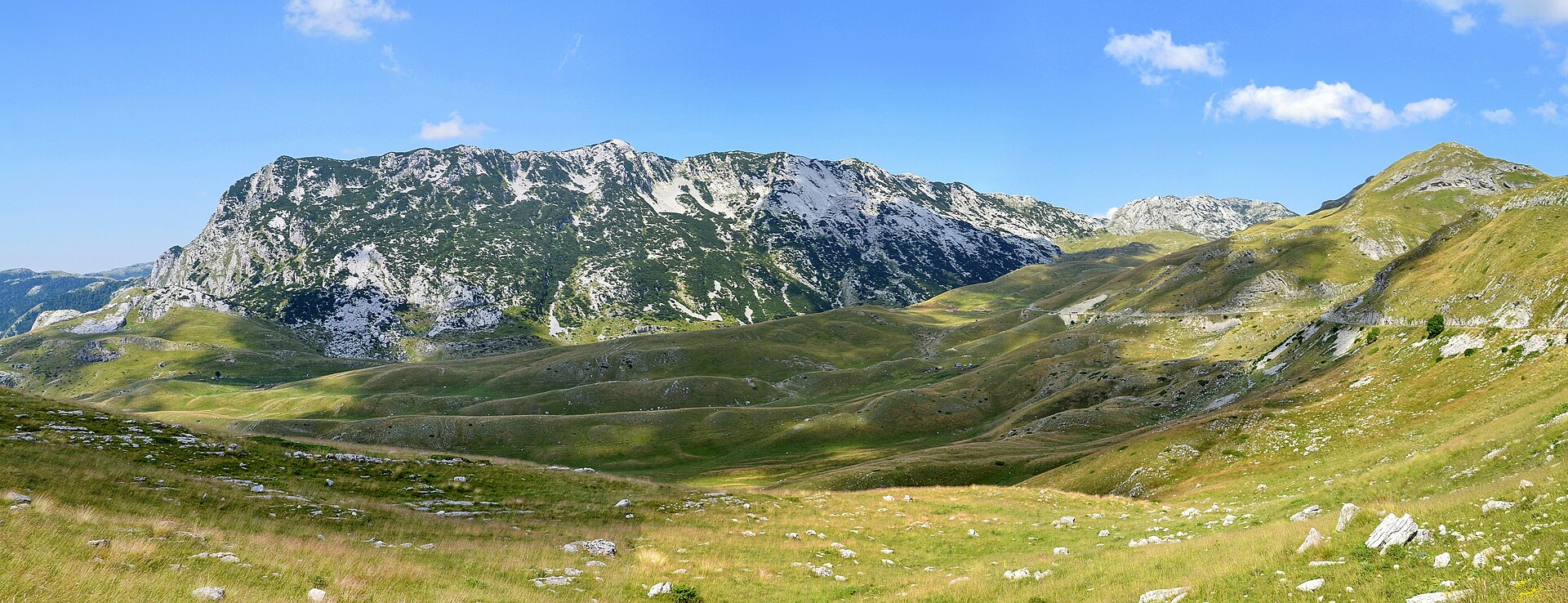
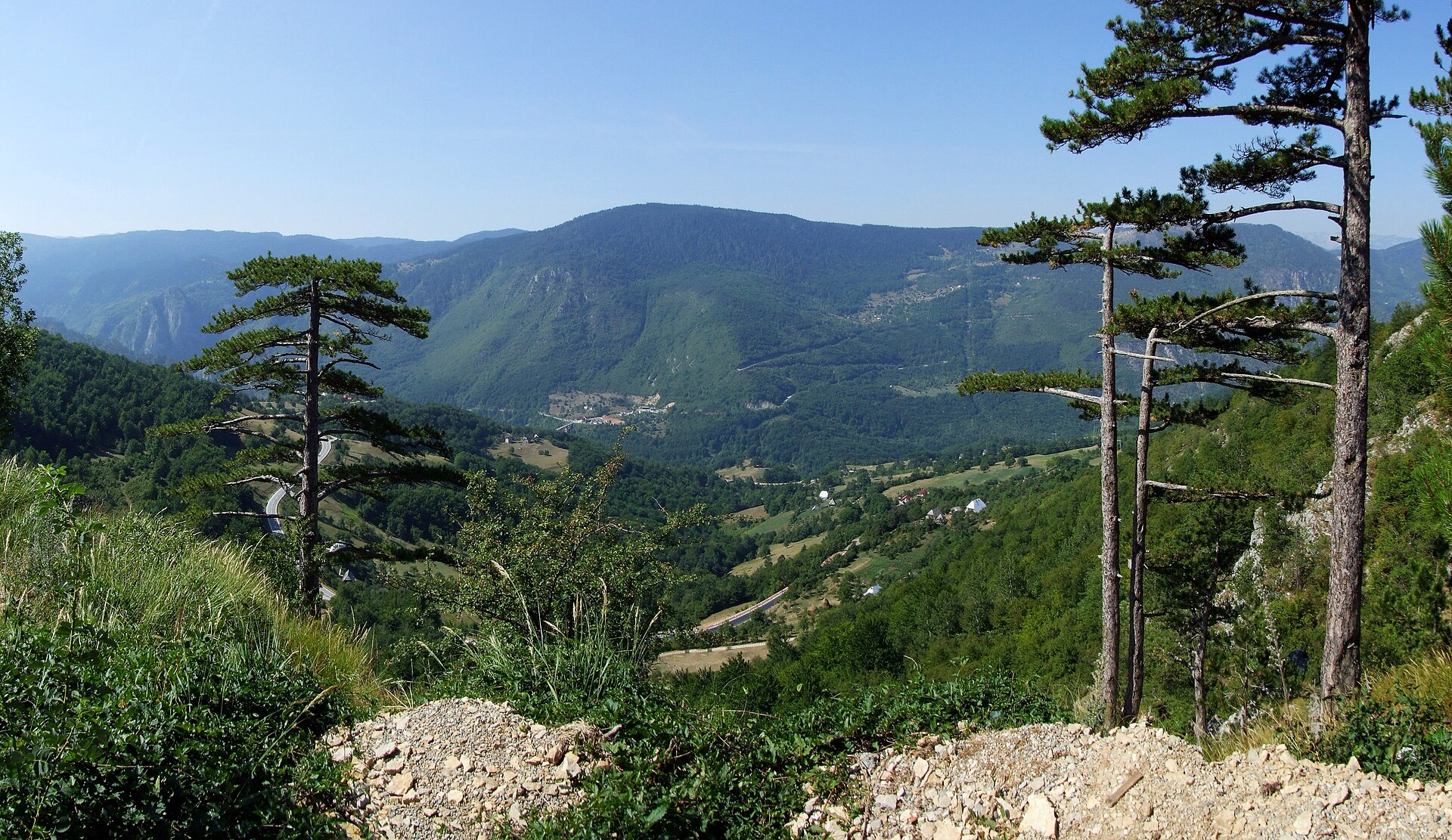
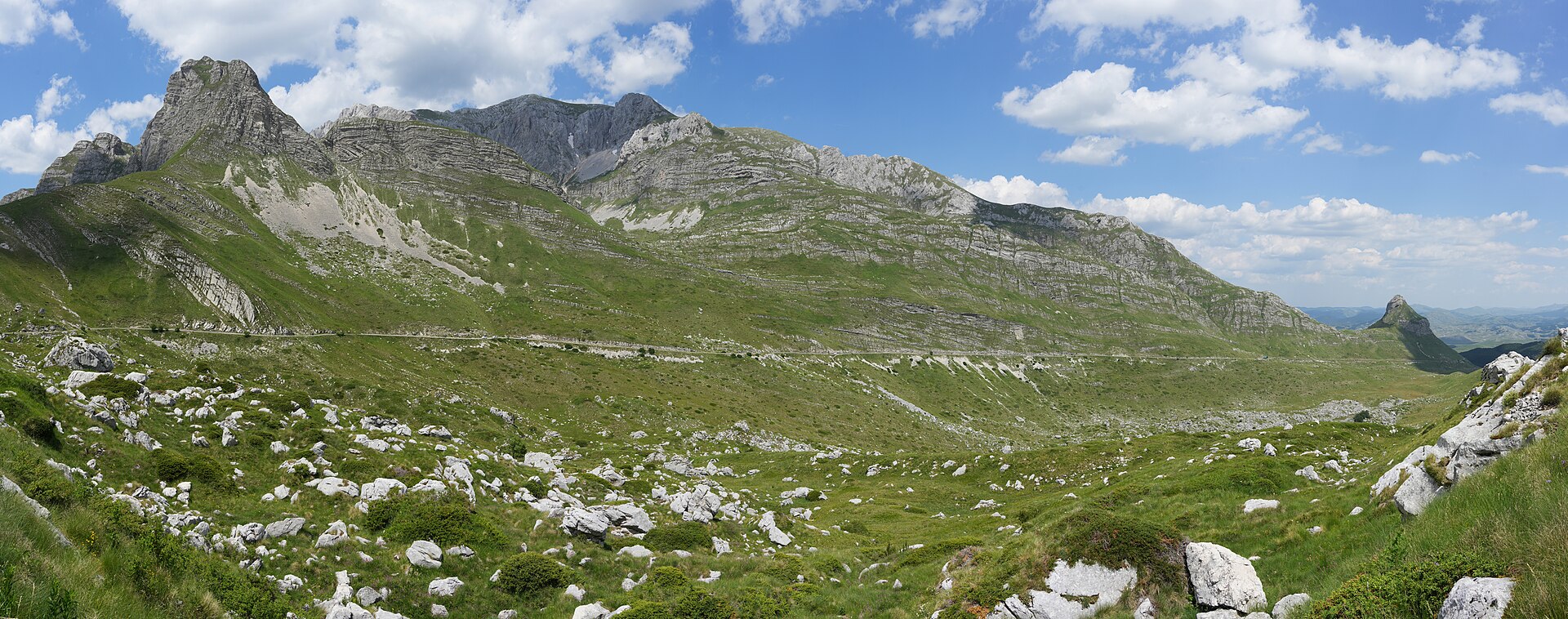
Durmitor National Park combines 48 peaks above 2,000 metres, 18 glacial lakes, pine and spruce forests, and deep river canyons in a UNESCO-listed mountain landscape.
Black Lake, the Bobotov Kuk hike, Tara River Canyon, and Savin Kuk create options for short walks, demanding hikes, rafting, and winter sports.
Overview
Black Lake sits at 1,416 metres and has a 3.5-kilometre walking trail, while Bobotov Kuk rises to 2,523 metres as the park’s highest peak.
Žabljak is the park gateway, and the page describes the Tara River rafting area and Savin Kuk’s 12 kilometres of groomed ski slopes as separate seasonal experiences.
Best Things to Do in Durmitor National Park
Durmitor National Park is Montenegro's premier natural wonder, a UNESCO World Heritage site that encompasses some of the most spectacular alpine scenery in all of Europe. This dramatic glacial landscape is defined by 48 peaks soaring above 2,000 metres, 18 pristine glacial lakes (known locally as Gorske Oči — Mountain Eyes), deep river canyons carved over millennia, and dense pine and spruce forests that carpet the lower slopes. The undisputed centrepiece of the park is Black Lake (Crno Jezero), a impressive twin-lake system fed by glacial meltwater that sits at an elevation of 1,416 metres. The colour of the water shifts from deep emerald to inky blue depending on the time of day and weather, earning the lake its evocative name.
Exploring Durmitor National Park: Top Attractions & Hidden Gems
A well-maintained 3.5-kilometre walking trail circumvents the lake, offering constantly changing perspectives of the water and the surrounding peaks — a perfect introductory hike that can be completed in under an hour. For more experienced hikers, Durmitor offers a network of trails ranging from gentle meadow walks to demanding multi-day treks that traverse the park's high-altitude ridges. The hike to the summit of Bobotov Kuk (2,523 metres), the park's highest peak, is the ultimate challenge — a full-day undertaking that rewards with panoramic views stretching all the way to the Adriatic Sea on clear days. Winter transforms Durmitor into a snow-sports paradise.
Local Culture & Food in Durmitor National Park
The ski centre at Savin Kuk offers 12 kilometres of groomed slopes suitable for skiers and snowboarders of all levels, while the surrounding backcountry provides exceptional terrain for snowshoeing, ski touring, and ice climbing. The park is also a gateway to the famous Tara River Canyon, where white-water rafting on the emerald-green Tara River is considered among the best in Europe. Zabljak, the small mountain town that is Durmitor's gateway, offers a range of accommodation from guesthouses to hotels, and is the perfect base for park exploration. Whether visiting in summer's wildflower-drenched glory or winter's crystalline silence, Durmitor is an essential stop on any Montenegro itinerary.
🗓 Best Time to Visit
June to September (hiking), December to March (skiing). Montenegro's climate varies from Mediterranean along the coast to alpine in the mountains. The coast is best April-October, peaking July-August. The Bay of Kotor is impressive in May-June when the wisteria blooms and crowds are thin. The mountains (Durmitor, Biogradska Gora) are ideal June-September for hiking and December-March for skiing.
🍽 Food & Drink
Pack a picnic! Traditional mountain food in the region includes hearty stews, grilled meats, local cheeses, and fresh bread — perfect refueling after a day on the trails. Nearby villages and mountain huts serve local specialties. Must-try dishes include: njeguški pršut (smoked ham from Njeguši), fresh Adriatic fish and seafood (grilled squid, scampi, brancin/sea bass), kačamak (buckwheat or cornmeal porridge with cheese), and cicvara (cornmeal with kaymak cream). For drinks, try Vranac (the king of Montenegrin red wines), loza (grape brandy), and regional rakijas.
🚗 How to Get to Durmitor National Park by Bus, Car & Boat
By car: A car is the most practical way to reach Durmitor National Park, as public transport to national parks and remote natural areas is limited. Parking is available at visitor centers. By bus/tour: Some parks are served by seasonal buses or organized tours from major cities. Getting around: Once inside, walking trails, boardwalks, and park shuttle buses are the primary means of exploration. The coastal road (Adriatic Highway) connects all coastal towns — drive for flexibility. Buses run the coast-highway route. The Bar-Belgrade railway is one of Europe's most scenic train journeys. Catamarans link coastal towns.
🥘 Where to Eat in Durmitor National Park: Authentic Local Cuisine
Dining options around Durmitor National Park range from mountain huts and park cafes serving hearty snacks and hot meals to restaurants in nearby villages specializing in traditional local cuisine. Packing a picnic is a wonderful option — local markets in the nearest towns offer fresh bread, local cheeses, cured meats, and seasonal fruit that make for an unforgettable al fresco lunch surrounded by nature. Many park entrances have basic cafes serving coffee, pastries, and simple hot meals. The villages around the park are where you'll find the best traditional restaurants, often using ingredients sourced from the surrounding forests and farms. In season, look for wild mushroom dishes, game stews, foraged greens, and local dairy products. Spring water fountains are common in most natural areas, so bring a reusable bottle to fill up. If staying at a mountain lodge, be sure to try their home-cooked dinner — these family-run establishments take pride in their local recipes. Montenegrin cuisine blends Mediterranean seafood along the coast with hearty mountain fare inland — njeguški pršut, fresh Adriatic fish, and Vranac wine are local favorites.
🏨 Best Hotels Near Durmitor National Park
While Durmitor National Park itself is a natural wonder with limited accommodation inside its boundaries, the surrounding areas offer a range of places to stay. The nearest towns and villages provide everything from cozy guesthouses run by local families to comfortable hotels with modern amenities. For nature lovers, eco-lodges and mountain cabins offer the chance to sleep surrounded by forest, waking up to birdsong and fresh mountain air. Many of these accommodations provide packed lunches for day trips into the park, as well as guided tour arrangements and equipment rental. Camping facilities are available nearby for those seeking a more immersive outdoor experience. Book well in advance during peak season (June-September), as accommodation near popular natural attractions fills quickly. Staying nearby also means you can arrive at the park entrance before the crowds, enjoying the trails in peaceful morning light. Montenegro offers a wide range from luxury resorts in Sveti Stefan and Tivat to family-run guesthouses and affordable apartments in Budva and along the coast.
Find a stay in Durmitor National Park
Compare apartments, guesthouses, and vacation rentals while you finalize your route. Flexible cancellation can help when drive times or border plans change.
Browse stays in Durmitor National Park on Vrbo →Accessibility
- The page recommends a car because public transport to remote mountain areas is limited; parking is available at visitor centres. Confirm current road conditions, especially in winter.
- Walking routes range from the Black Lake loop to high-altitude ridges and multi-day treks. The page does not guarantee step-free access on trails, viewpoints, lake paths, or ski facilities; confirm the specific activity.
- Bring warm layers and plan around mountain weather; the page notes that summer temperatures can drop at altitude and afternoon storms are common.
Common Mistakes
- Treating Durmitor as a single viewpoint instead of planning around Žabljak, Black Lake, Tara Canyon, or a chosen trail.
- Starting a high-altitude route without checking weather, layers, and current road or trail conditions.
- Relying on limited public transport for remote trailheads.
- Assuming summer hiking and winter skiing have the same access, equipment, or operating conditions.
Photography
- Use Black Lake and the 3.5-kilometre loop for accessible mountain-and-water frames.
- Look for the scale of the 48 peaks, pine and spruce forests, and Tara Canyon from approved viewpoints.
- Photograph wildlife and other hikers from a respectful distance and follow park rules.
- Montenegro regulates drones — check current registration and flight rules with the Civil Aviation Agency of Montenegro before flying.
Etiquette
- Stay on marked trails and use designated viewpoints.
- Keep distance from wildlife and do not feed animals.
- Carry waste out of the UNESCO landscape.
- Follow visitor-centre, rafting, ski-centre, and seasonal safety instructions.
- Do not pick plants or damage alpine terrain.
Frequently Asked Questions
When is the best time to visit Durmitor National Park?
The best time to visit Durmitor is June-September for hiking, rafting, and general exploration, with July-August offering the warmest temperatures (15-25°C / 59-77°F) and all trails open. The Tara River rafting season runs May-October. Winter (December-March) transforms Durmitor into a ski destination with reliable snow at Savin Kuk.
How do I get to Durmitor National Park?
The nearest airports are Podgorica (TGD, 2.5 hours by car) and Tivat (TIV, 3 hours). Driving from Podgorica via the scenic Tara Canyon route is highly recommended. Buses connect Žabljak (the park's main town) to Podgorica and Nikšić, but services are limited — a rental car is strongly advised for exploring the park.
How many days do you need in Durmitor National Park?
3-4 days is recommended for Durmitor: one day for Black Lake and hiking around Žabljak, one day for Tara River rafting, one day for the Bobotov Kuk summit hike (highest peak at 2,523 m), and a day for canyoning or exploring the Curevac viewpoint.
What are the top attractions in Durmitor National Park?
Black Lake (Crno Jezero) — the most accessible glacial lake with a 3.5 km walking trail, the Tara River Canyon (the deepest canyon in Europe, rafting paradise), Bobotov Kuk (highest peak at 2,523 m), Đurđevića Tara Bridge, and the Ice Cave (Ledena Pećina) hike.
🗺️ Build a route around Durmitor National Park: Add Durmitor National Park to my itinerary. It opens the planner with this stop selected, so you can add nearby places and set the trip length.
Plan your budget
For country-level budget ranges and planning assumptions, see the Balkan travel costs guide.