
Herceg Novi
Herceg Novi at a Glance
| Country | Montenegro |
| Best time | May to September |
| Recommended stay | 1–2 Days |
| Top highlight | Coastal Town |
| Transit hub | From Dubrovnik |
Why Visit Herceg Novi
Climb through the City of a Thousand Steps at the Bay of Kotor mouth.
Explore fortresses, squares, and the waterfront.
Use the promenade for a slower coastal walk.
Best Things to Do in Herceg Novi
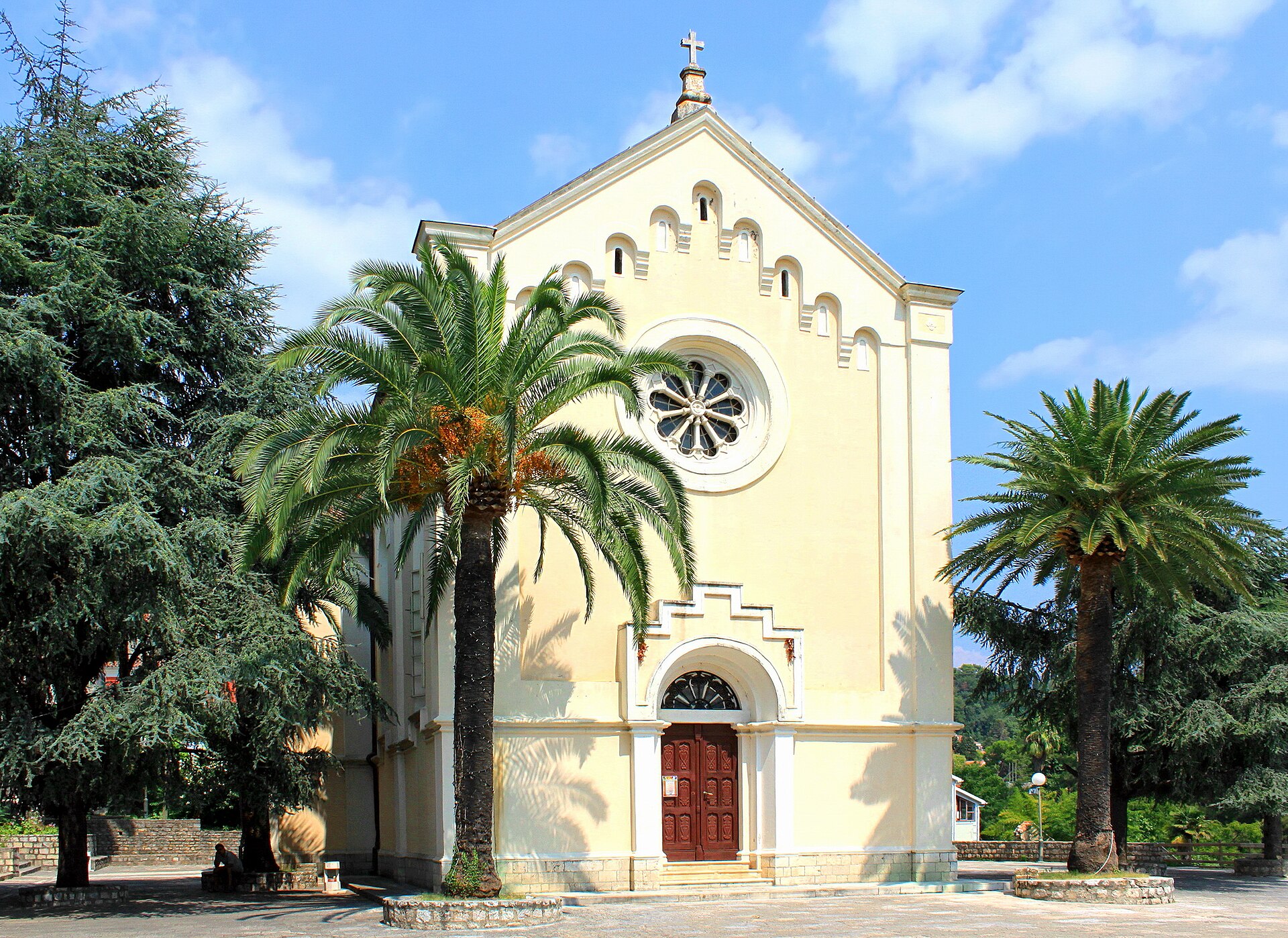
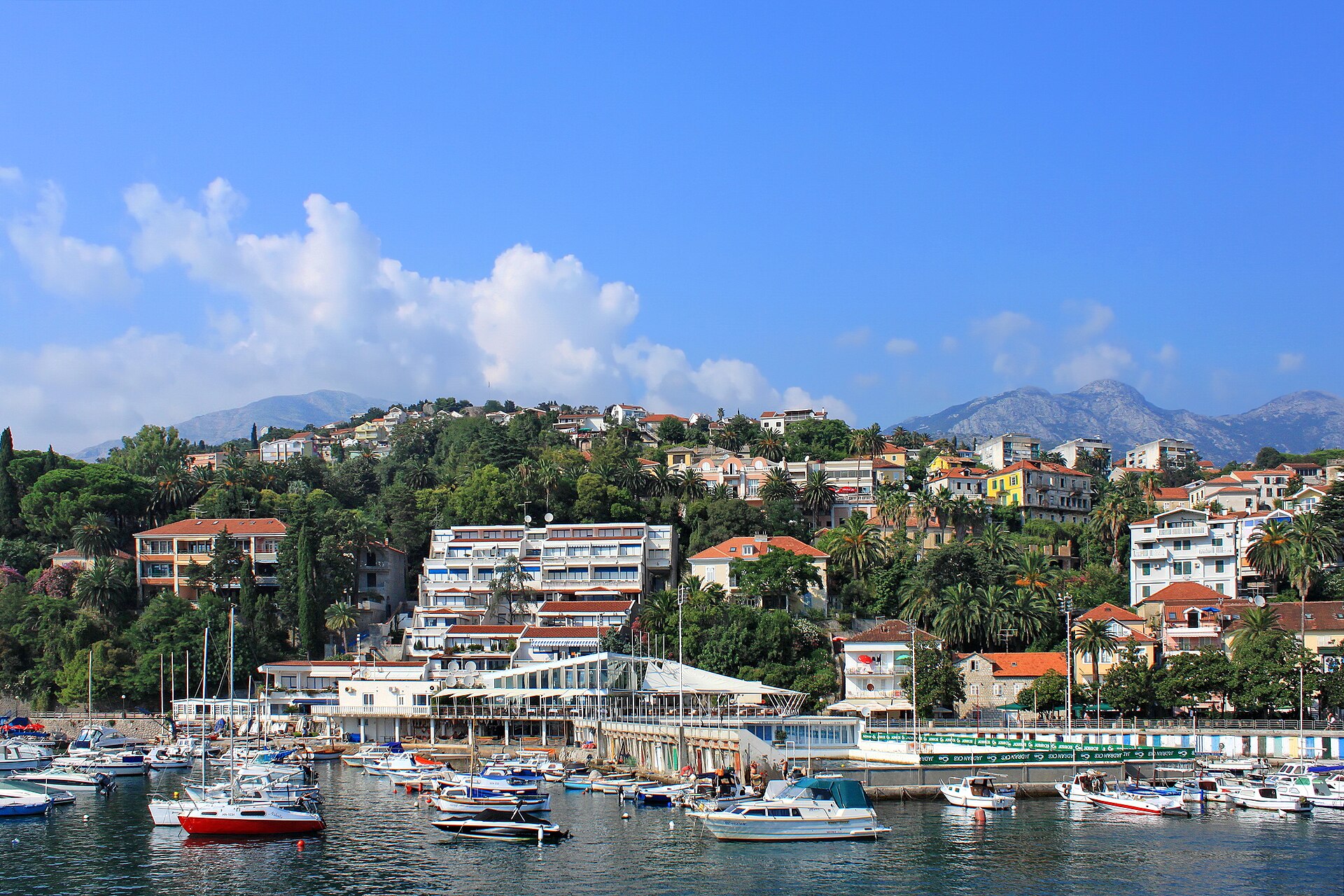
Herceg Novi — the City of a Thousand Steps — tumbles down a hillside at the mouth of the Bay of Kotor, just 6 km from the Croatian border.
Exploring Herceg Novi: Top Attractions & Hidden Gems
Founded in 1382 by Bosnian King Tvrtko I as a salt-trade fort, it has since been ruled by Bosnians, Spaniards, Venetians, Ottomans, Austro-Hungarians, and Yugoslavs — each leaving behind fortresses stacked up the slope like a stone timeline.
Local Culture & Food in Herceg Novi
The elevation gain from the seafront to the upper neighbourhoods is roughly 200 metres, and locals say the town contains over 100,000 stone steps in total — nobody has counted them all, but the nickname stuck. Its microclimate, the mildest on the Montenegrin coast, lets Mediterranean and subtropical plants run riot: palm trees, agaves, magnolias, and citrus trees line nearly every staircase and courtyard, earning it the reputation as the greenest town on the Adriatic.
🍽 Food & Drink
Seafood dominates here — Konoba Skver, right on the harbourfront terrace, is renowned for black risotto with cuttlefish ink, tuna tartare, and oysters. Konoba Feral, tucked in the old town, edges it for grilled octopus and fresh Adriatic brancin (sea bass). For a splurge, Casa Epico (run by Michelin-starred Chef Eros Picco, open June–September only) serves black tagliolini with cuttlefish in sea-urchin sauce and an 11-course "Casa Epico Experience" tasting menu. Rosemarine at Lazure Hotel does legendary beef-ribs pappardelle and a separate sushi menu. Budget tip: Bife Beograd on Njegoševa Street has a roof terrace with bay views and does linguine in truffle sauce and Salad Nicoise with raw tuna for under €12. Classic Montenegrin dishes to try: njeguški pršut (smoked ham), kačamak (buckwheat porridge with cheese), and slow-cooked lamb or veal under the sač (bell-shaped lid) — Stari Mlin (Old Mill) in the Podi neighbourhood serves a fixed meat-heavy tasting menu for groups of 6+ with no written menu, just homemade wine. Drink Vranac red wine, loza (grape brandy), or a local craft beer.
🚗 How to Get to Herceg Novi by Bus, Car & Boat
By car: From Tivat or Budva, take the Kamenari–Lepetane ferry (€5, 10 minutes) — it cuts up to 2 hours off the drive around the bay. From Dubrovnik Airport (30 km), expect 30–60 minutes at the Croatia–Montenegro border in summer. The main road through town is one-way, so drive slowly. Parking: Use the multi-storey Parking Opština (€1.20/hour, ideal for old town access) or Parking Skver (€1.50/hour). Free street spots are nearly non-existent. By bus: Regular buses connect Herceg Novi with Kotor (€5–7, ~1 hour), Budva (€7–10), and Podgorica. Check schedules on busticket4.me. Water taxis: From the small harbour by the old town, a taxi to Rose village costs €5 one-way/€8 return (15 minutes), to Žanjice Beach also €5. Private transfer: From Tivat Airport about €35–45. Walking: The town is compact but vertical — good footwear with non-slip soles is essential; flip-flops on the stone steps are a bad idea.
🥘 Where to Eat in Herceg Novi: Authentic Local Cuisine
For fresh seafood on a harbourfront terrace, Konoba Skver serves black risotto, tuna tartare, and oysters sourced from the Adriatic that morning. Konoba Feral, tucked into an old-town alley, is locals' favourite for grilled octopus and brancin (sea bass). For breakfast, Kantina 65 (steps from the old town) does avocado toast on whole-grain bread and a classic Montenegrin breakfast of eggs, Njeguši prosciutto, cheese, sausages, and kajmak. Koffein Specialty Coffee Shop on the 28 Oktobra stairs serves the best flat white in town (also cocktails at night). Peter's Pie & Coffee on Šetalište Pet Danica is a popular vegetarian cafe with savoury pies and vegan options. Gradska Kafana, operating since 1924, has a sweeping outdoor terrace overlooking Forte Mare — Nobel laureate Ivo Andrić once drank coffee here. For wood-fired Neapolitan pizza, La Terrazza near the old town rates among the best in Montenegro. La Pasta di Bocca, a tiny family-run pasta spot run by chef Dule, requires booking in summer. Moritz Eis gelato on the promenade is a cut above the fluorescent alternatives, especially the sorbets.
🏨 Best Hotels in Herceg Novi
Accommodation clusters in four zones. Old Town / Centre (steps everywhere, maximum atmosphere): Guesthouse Villa Stari Grad has fantastic views and a communal terrace (from €70/night). Igalo (west, quieter, spa district with mineral springs): Hotel Perla offers modern resort-style rooms with free sunbeds at its beach area, a 20-minute waterfront walk from the centre (from €80/night). Meljine / Zelenika (east, quieter, near the Tivat ferry): apartments from €25–40/night. Đenovići (southeast, best beaches, luxury): One&Only Portonovi (from €350/night), Lazure Hotel & Marina (5-star, home to Rosemarine restaurant), and Iberostar Waves. For self-catering, Boka Apartment 7 (modern, steps from the water) and Savina Bliss Residences (seafront balcony studio) are top-rated Airbnb options. For an unforgettable splurge, Mamula Island by Banyan Tree — a 19th-century fortress turned 32-room luxury retreat on its own islet — is accessed only by boat or helicopter.
Find a stay in Herceg Novi
Compare apartments, guesthouses, and vacation rentals while you finalize your route. Flexible cancellation can help when drive times or border plans change.
Browse stays in Herceg Novi on Vrbo →Accessibility
- The town is hillside and many routes use stairs.
- The promenade is easier but slopes and surfaces vary.
- Confirm step-free accommodation and beach access.
Common Mistakes
- Underestimating the stairs.
- Using unsuitable shoes on steep lanes.
- Planning exposed climbs in the hottest hours.
- Assuming the promenade is fully level.
Photography
- Use stairs and walls to show the hillside structure.
- Frame the bay from the waterfront.
- Shoot fortresses in early or late light.
- Montenegro regulates drones — check current registration and flight rules with the Civil Aviation Agency of Montenegro (caa.me) before flying.
Etiquette
- Keep the promenade clear.
- Dress modestly in churches.
- Ask before photographing people.
- Respect fortress rules.
- Use established paths.
Frequently Asked Questions
When is the best time to visit Herceg Novi?
May to October is the core season on the Montenegrin coast. The sweet spots are May–June (wisteria and jasmine bloom, thin crowds) and September (warm sea at 23–25 °C, prices 15–20% lower than August). July–August is peak season: expect full beach clubs, lively promenades, and higher prices. The Mimosa Festival takes place in February, not September.
How do I get to Herceg Novi?
By car: Take the Kamenari–Lepetane ferry (€5, 10 minutes) from the Tivat side — it saves up to 2 hours vs. driving around the bay. Parking: use Parking Opština (€1.20/hour) near the old town. By bus: Regular services connect to Kotor (€5–7, 1 hour), Budva (€7–10), and Podgorica. By water taxi: €5 one-way to Rose village or Žanjice Beach from the old-town harbour. Walking: compact but vertical — wear shoes with grip.
How many days do you need in Herceg Novi?
Two to three days is enough to explore the three fortresses (Forte Mare, Kanli Kula, Španjola), swim at the beaches (Herceg Novi Beach, Bla Bla, Saturnus), and take a half-day boat trip to the Blue Cave, Mamula Island, and Žanjice Beach. Four to five days if using the town as a base for day trips to Perast, Kotor, or the Luštica Peninsula.
What is Herceg Novi known for?
Herceg Novi is known as the City of a Thousand Steps — a vertical coastal town with over 100,000 stone steps climbing 200 metres from the Bay of Kotor up the hillside. It has three medieval fortresses stacked above each other: Forte Mare (14th century), Kanli Kula (Ottoman, 1539, now a 1,000-seat open-air amphitheatre), and the ruined Španjola at 170 metres. Its mild microclimate makes it the greenest town on the Montenegrin coast, with palm trees, citrus groves, and mimosa blooming in February for the annual Mimosa Festival.
Where should I stay in Herceg Novi?
Four zones suit different travellers: Old Town (steps but atmosphere, Guesthouse Villa Stari Grad from €70/night), Igalo (quieter, spa district, Hotel Perla from €80/night with free sunbeds), Meljine/Zelenika (budget apartments from €25/night, near the Tivat ferry), and Đenovići (luxury — One&Only Portonovi from €350/night, Lazure Hotel & Marina, Iberostar Waves). Most accommodation outside the luxury segment runs €40–80/night for a well-rated double room.
🗺️ Build a route around Herceg Novi: Add Herceg Novi to my itinerary. It opens the planner with this stop selected, so you can add nearby places and set the trip length.
Plan your budget
For country-level budget ranges and planning assumptions, see the Balkan travel costs guide.