
Cetinje
Cetinje at a Glance
| Country | Montenegro |
| Best time | April–October |
| Recommended stay | 1–2 Days |
| Top highlight | Historical Capital |
| Transit hub | Regional bus network |
Why Visit Cetinje
Walk the former royal capital’s tree-lined streets.
Visit museums, monasteries, and historic residences in the centre.
Pair Cetinje with Lovćen when roads and weather suit the plan.
Best Things to Do in Cetinje
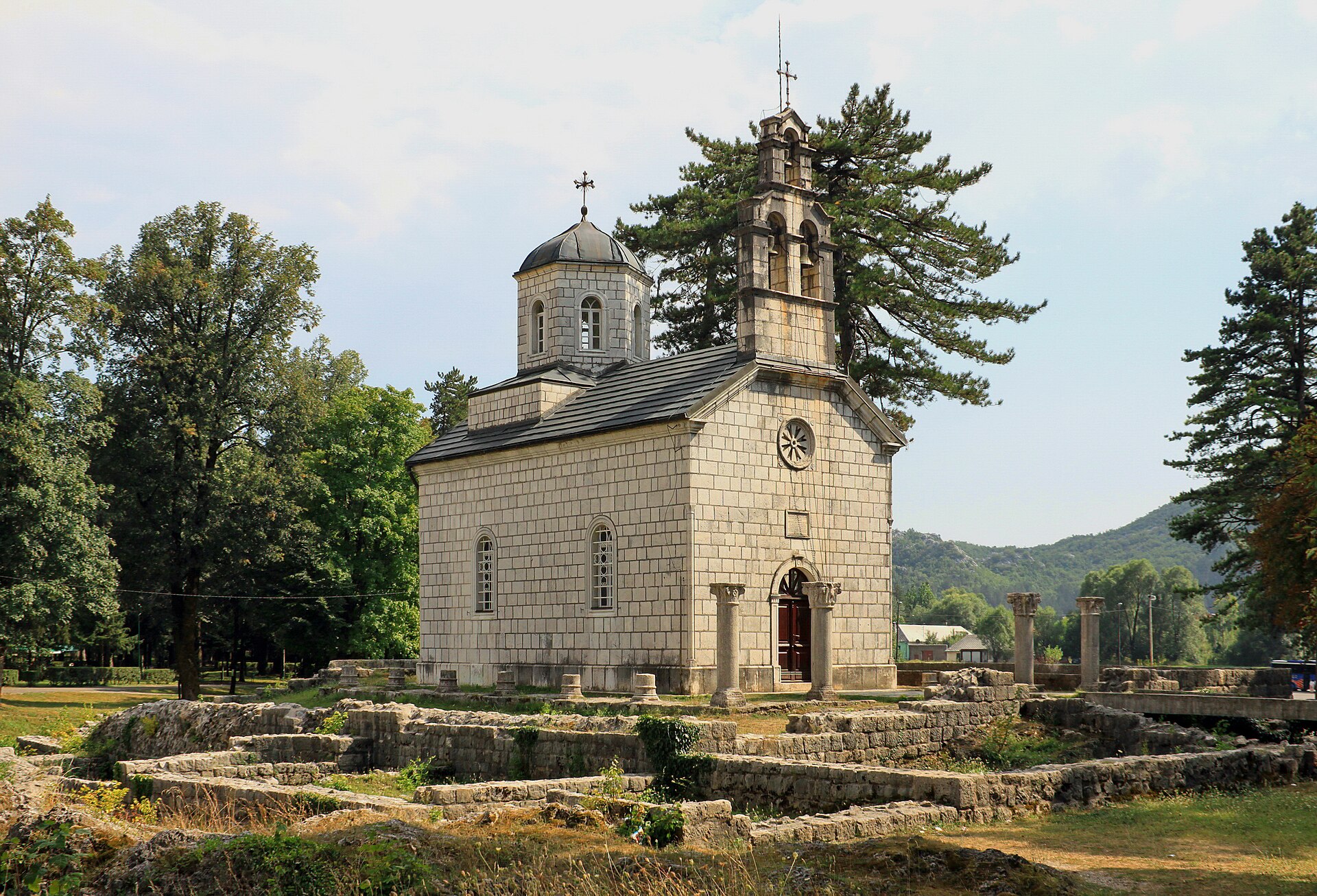
Cetinje is the soul of Montenegro — a quiet, dignified city set in a karst valley at the foot of Mount Lovćen that served as the country's royal capital for centuries and remains its spiritual and cultural heart. Unlike the coastal towns that dazzle with Mediterranean glamour, Cetinje captivates with its serene, almost solemn atmosphere, its wide tree-lined boulevards lined with former foreign embassies (many built in an eclectic mix of styles from neoclassical to art nouveau), and its deep sense of history. The centrepiece of the city is the Cetinje Monastery, a notably sacred sites in Serbian Orthodox Christianity.
Exploring Cetinje: Top Attractions & Hidden Gems
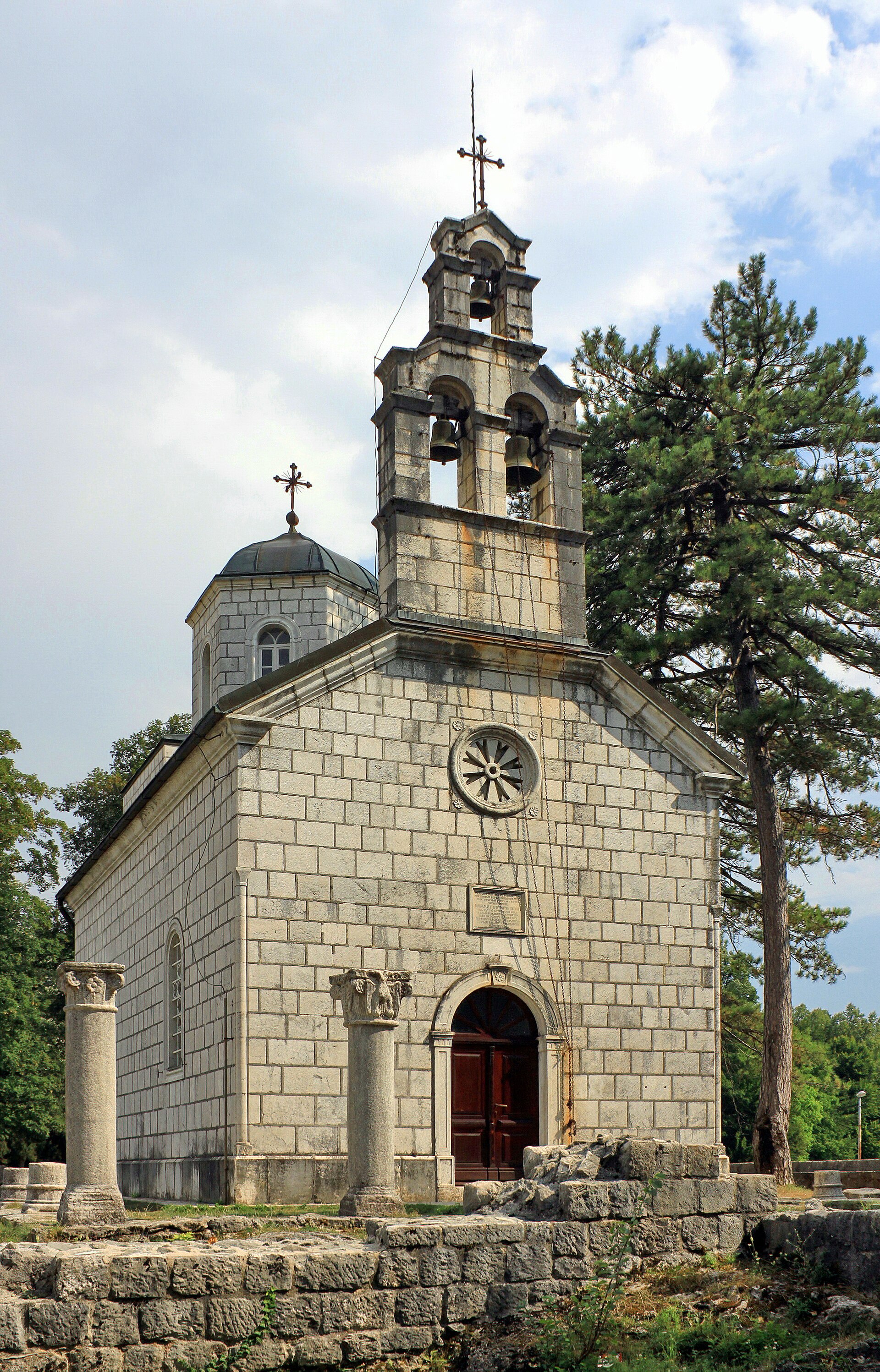
Founded in 1484 and rebuilt several times over the centuries, the monastery houses three of the most precious relics of the Montenegrin people: the remains of Saint Peter of Cetinje, a fragment of the True Cross, and the right hand of John the Baptist. The atmosphere inside is one of deep reverence, with the gentle flicker of candlelight illuminating exquisite frescoes and gilded iconostases. Just across the square stands the Biljarda Palace, the royal residence of Montenegro's greatest ruler, Prince-Bishop Petar II Petrović Njegoš. Now a museum, the palace offers a fascinating glimpse into 19th-century royal life and houses Njegoš's personal library, manuscripts, and an intriguing collection of period furniture and weaponry.
Local Culture & Food in Cetinje
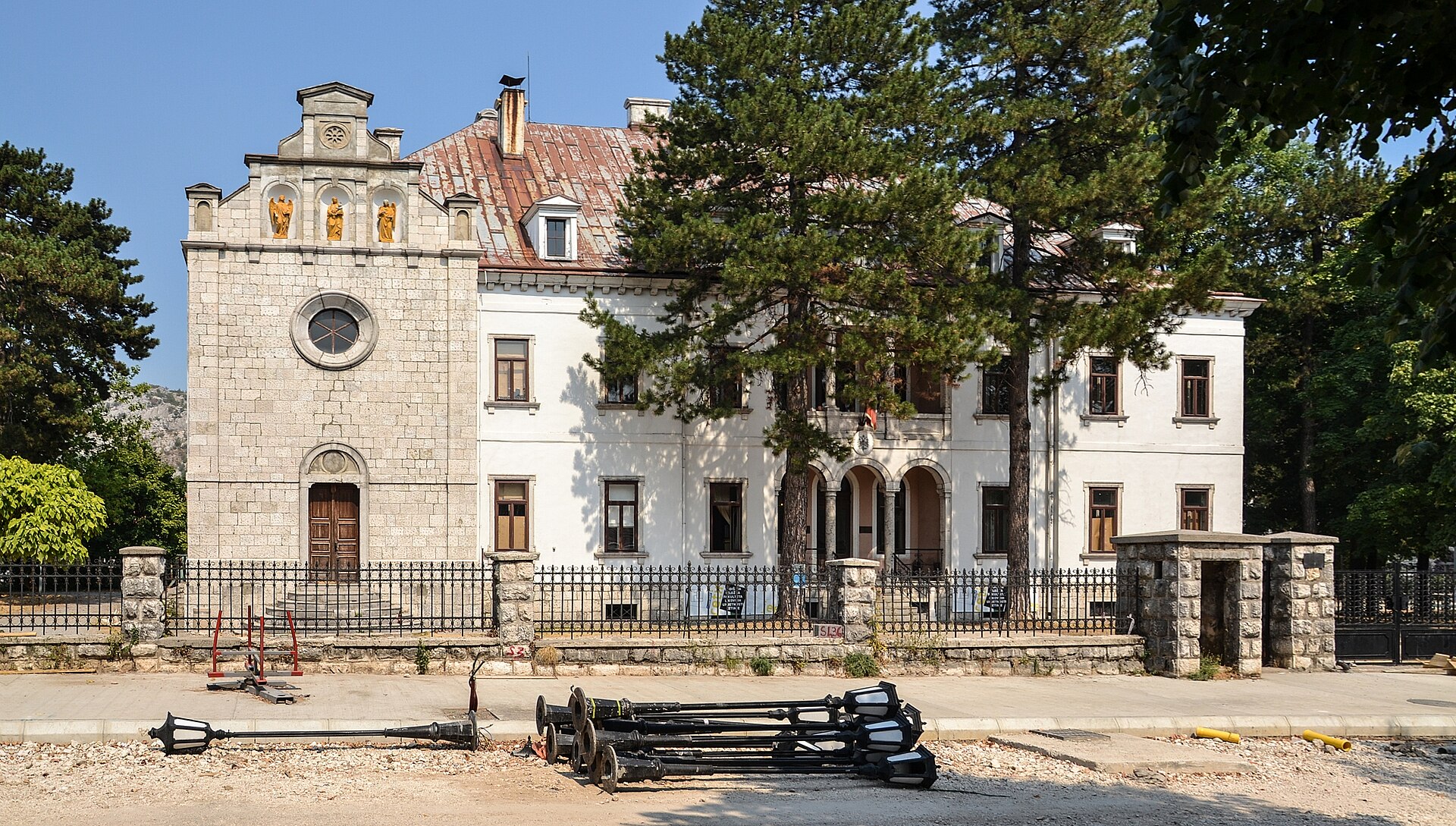
The nearby National Museum of Montenegro occupies the former Government House and presents a comprehensive narrative of Montenegrin history, from medieval principalities to the modern era, through artefacts, documents, and art. The former embassies that line the city's streets — now mostly converted into university buildings and cultural institutions — are a testament to Cetinje's former diplomatic importance when it was the capital of a sovereign principality. Cetinje is also famous for its Lipizzaner horse breeding tradition — the Džakovo stud farm, just outside town, continues this centuries-old practice and offers horseback riding through the surrounding countryside. For nature lovers, the city is the gateway to Lovćen National Park, with its dramatic landscapes and the Njegoš Mausoleum perched on the mountain's summit.
🗓 Best Time to Visit
April to October. Montenegro's climate varies from Mediterranean along the coast to alpine in the mountains. The coast is best April-October, peaking July-August. The Bay of Kotor is impressive in May-June when the wisteria blooms and crowds are thin. The mountains (Durmitor, Biogradska Gora) are ideal June-September for hiking and December-March for skiing.
🍽 Food & Drink
As the nation's capital, Cetinje offers the widest range of dining — from traditional restaurants serving authentic local cuisine to international fine dining, street food stalls, and trendy cafes. Must-try dishes include: njeguški pršut (smoked ham from Njeguši), fresh Adriatic fish and seafood (grilled squid, scampi, brancin/sea bass), kačamak (buckwheat or cornmeal porridge with cheese), and cicvara (cornmeal with kaymak cream). For drinks, try Vranac (the king of Montenegrin red wines), loza (grape brandy), and regional rakijas.
🚗 How to Get to Cetinje by Bus, Car & Boat
By air: The city's international airport connects to major European hubs with frequent flights. By train: The central station links to domestic and international routes. By bus: Long-distance coaches serve all major cities in the region. Getting around: Public transport (metro/bus/tram) covers the city well. Taxis and ride-sharing apps are available. Walking is often the best way to explore the historic center. Taxis are affordable along the coast. Local buses serve towns and nearby beaches. Renting a car is highly recommended for exploring the interior (Njeguši, Ostrog, Durmitor). Be prepared for winding mountain roads.
🥘 Where to Eat in Cetinje: Authentic Local Cuisine
As the capital, Cetinje has Montenegro's most diverse dining scene, ranging from traditional restaurants (konobe/mehane) serving authentic local recipes to innovative fine dining establishments and international cuisine. The old town and central squares are dotted with atmospheric restaurants where you can sample regional specialties in historic settings. For the most authentic experience, head to the traditional restaurant districts where menu boards feature local classics. Street food markets and bakeries offer quick, affordable eats — perfect for sampling local pies, grilled meats, and pastries on the go. The city's modern neighborhoods have embraced the farm-to-table movement, with many restaurants which shows seasonal local ingredients. Wine bars are increasingly popular, offering curated selections of local wines paired with cheese and charcuterie boards. For the best value, look for lunch specials (menu of the day) which typically include a soup, main course, and salad at a fraction of dinner prices. Montenegrin cuisine blends Mediterranean seafood along the coast with hearty mountain fare inland — njeguški pršut, fresh Adriatic fish, and Vranac wine are local favorites.
🏨 Best Hotels in Cetinje
As Montenegro's capital, Cetinje offers a diverse range of accommodation from luxurious international chains to charming boutique hotels in the historic center. For a central stay, look for hotels near the main squares and pedestrian streets — you'll be within walking distance of the top attractions, restaurants, and nightlife. Mid-range hotels in the city center offer excellent value compared to Western European capitals, often including breakfast and offering modern amenities. Budget travelers will find well-run hostels and affordable private apartments, particularly in the neighborhoods a short metro or tram ride from downtown. For those seeking a quieter atmosphere, consider staying in the residential quarters or near the city's main park area, where you'll find more space and local charm. Many hotels offer airport transfers and tour desk services, making arrival and day trips easy to arrange. Montenegro offers a wide range from luxury resorts in Sveti Stefan and Tivat to family-run guesthouses and affordable apartments in Budva and along the coast.
Find a stay in Cetinje
Compare apartments, guesthouses, and vacation rentals while you finalize your route. Flexible cancellation can help when drive times or border plans change.
Browse stays in Cetinje on Vrbo →Accessibility
- The centre is compact, but older buildings may have steps.
- Lovćen routes involve mountain roads and uneven terrain.
- Confirm step-free entry with each venue.
Common Mistakes
- Treating Cetinje as only a quick photo stop.
- Assuming every historic building has modern access.
- Combining town and Lovćen without checking weather.
- Entering monasteries in beachwear.
Photography
- Use boulevards to show the former-capital scale.
- Frame historic façades with trees.
- Follow interior photography rules.
- Montenegro regulates drones — check current registration and flight rules with the Civil Aviation Agency of Montenegro (caa.me) before flying.
Etiquette
- Dress modestly at Cetinje Monastery.
- Follow museum rules.
- Keep voices low in monastery grounds.
- Ask before photographing people.
- Respect restricted areas.
Frequently Asked Questions
When is the best time to visit Cetinje?
April to October. Montenegro's climate varies from Mediterranean along the coast to alpine in the mountains. The coast is best April-October, peaking July-August. The Bay of Kotor is impressive in May-June when the wisteria blooms and crowds are thin.
How do I get to Cetinje?
By air: The city's international airport connects to major European hubs with frequent flights. By train: The central station links to domestic and international routes. By bus: Long-distance coaches serve all major cities in the region. Getting around: Public transport (metro/bus/tram) covers the city well.
How many days do you need in Cetinje?
A visit to Cetinje can be tailored to your interests. Cetinje is the soul of Montenegro — a quiet, dignified city set in a karst valley at the foot of Mount Lovćen that served as the country's royal capital for centuries and remains its spiritual and cul.
What is Cetinje known for?
Cetinje is the soul of Montenegro — a quiet, dignified city set in a karst valley at the foot of Mount Lovćen that served as the country's royal capital for centuries and remains its spiritual and cultural heart.
Where should I stay in Cetinje?
As Montenegro's capital, Cetinje offers a diverse range of accommodation from luxurious international chains to charming boutique hotels in the historic center. For a central stay, look for hotels near the main squares and pedestrian streets — you'll be within walking distance of the top attractions, restaurants, and nightlife.
🗺️ Build a route around Cetinje: Add Cetinje to my itinerary. It opens the planner with this stop selected, so you can add nearby places and set the trip length.
Plan your budget
For country-level budget ranges and planning assumptions, see the Balkan travel costs guide.