
Lake Skadar
Lake Skadar at a Glance
| Setting | Montenegro and Albania; the lake straddles the border |
| Status | National Park and Important Bird Area |
| Size | About 370 km² in summer to over 500 km² during spring melt |
| Known for | More than 280 bird species, boat tours, island monasteries, and lotus and water lily fields |
| Best time to visit | March–October; the coast is best April–October, while lotus and water lily fields peak in late summer |
| Recommended stay | 1–2 days |
Why Visit Lake Skadar
Lake Skadar combines a large, changing freshwater landscape with the protected setting of a national park and Important Bird Area. Boat tours move through narrow channels and floating vegetation toward fishing settlements and island monasteries, including 14th-century Moračnik and 15th-century Beška. More than 280 bird species have been recorded, and late summer brings peak lotus and water lily fields.
Overview
Lake Skadar, or Skadarsko Jezero, is the largest lake in the Balkans and spans Montenegro and Albania. Its area changes from about 370 km² in summer to over 500 km² during the spring melt, so the landscape is not static across the year. Plan around the experience you want: spring and autumn bring notable bird migrations, while late summer is the main period for lotus and water lily fields; a car is the most practical way to reach remote natural areas.
Best Things to Do in Lake Skadar
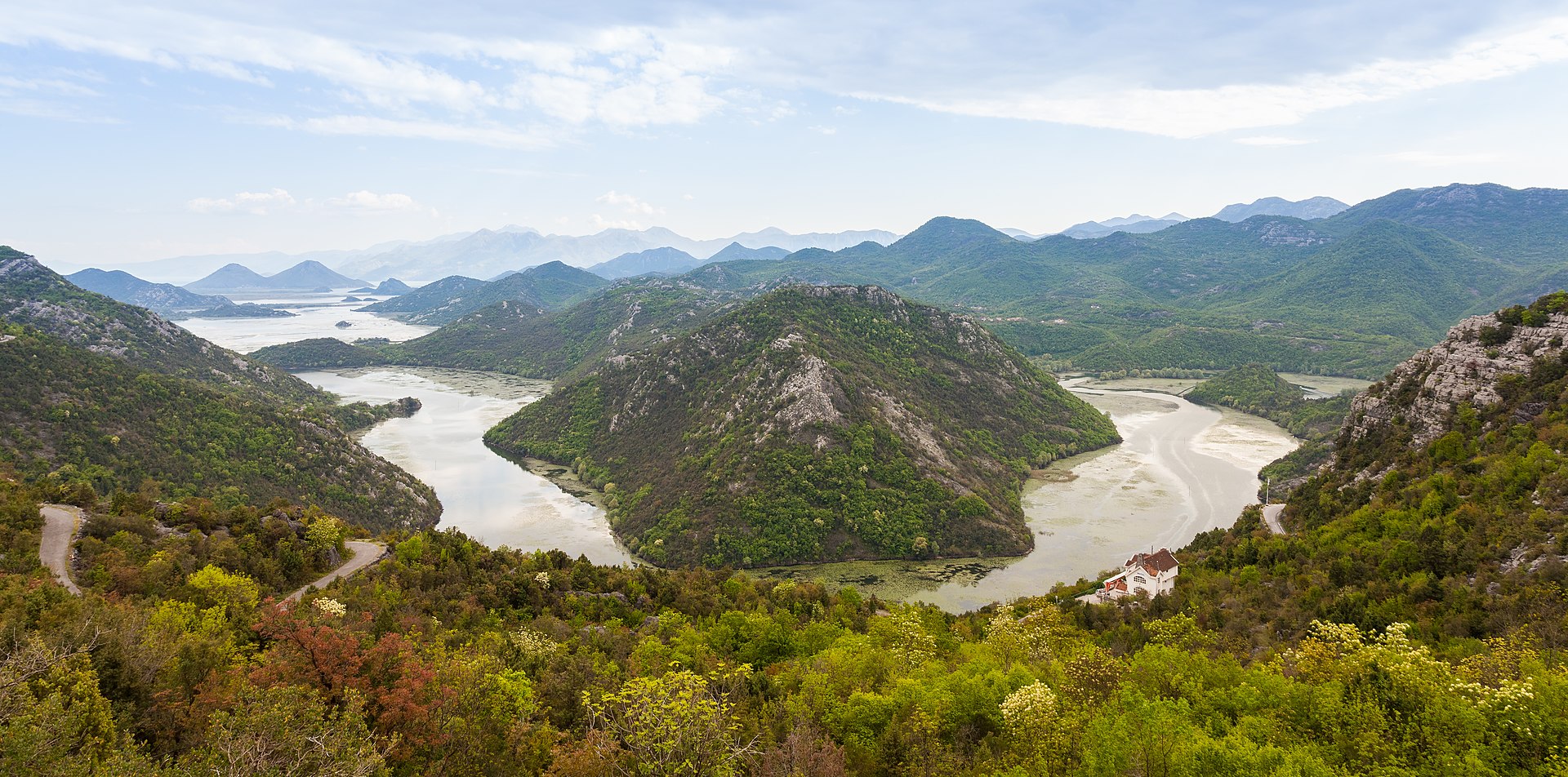
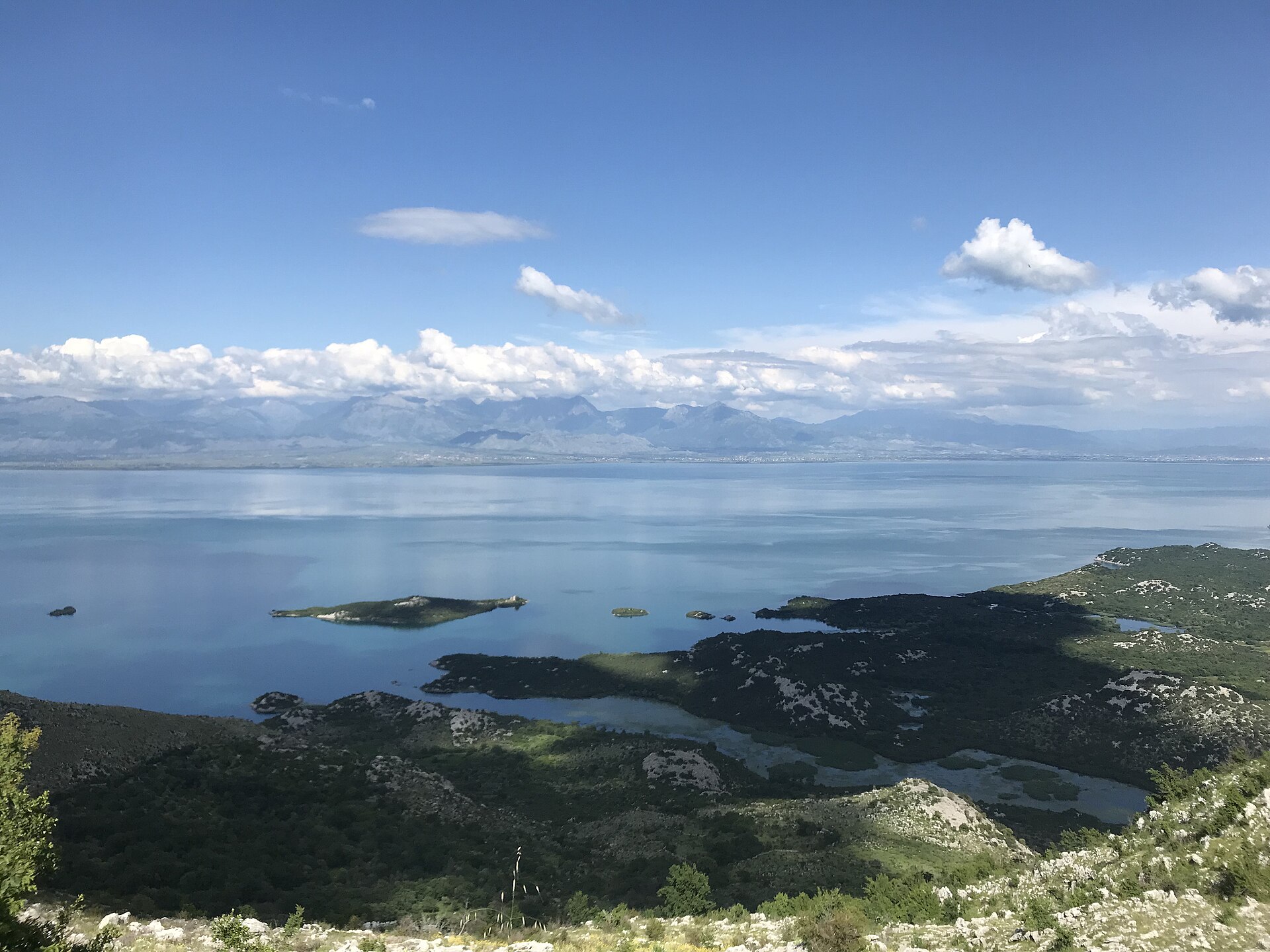
Lake Skadar (Skadarsko Jezero) is the largest lake in the Balkans, a vast, shimmering body of water that straddles the border between Montenegro and Albania, its surface area swelling from 370 square kilometres in summer to over 500 square kilometres during the spring melt. But this is far more than just a big lake — it's a National Park of remarkable ecological importance, a designated Important Bird Area of global significance, and a landscape of serene beauty dotted with traditional fishing villages, monasteries perched on tiny islands, and lotus flower fields that paint the shallows in shades of pink and green. The lake's sheer scale is its first impression — from many viewpoints, the opposite shore is invisible, giving the lake the feel of an inland sea. The water is remarkably shallow (averaging just 5-8 metres in depth), which allows sunlight to penetrate to the lakebed and support a rich ecosystem of aquatic plants, fish, and the remarkable birdlife for which the lake is famous.
Exploring Lake Skadar: Top Attractions & Hidden Gems
Over 280 species of birds have been recorded here, including the magnificent Dalmatian pelican (the lake hosts the largest colony of this endangered species in Europe), great white egrets, pygmy cormorants, herons of multiple species, and countless waterfowl. Spring and autumn migrations are particularly spectacular, when the lake becomes a vital stopping point for hundreds of thousands of birds on their journeys between Europe and Africa. The best way to experience Lake Skadar is by boat. Small motorboats and traditional flat-bottomed fishing boats (čunovi) can be hired in the lakeside village of Virpazar, the main gateway to the park.
Local Culture & Food in Lake Skadar
A typical tour glides through narrow channels between floating islands of vegetation, past centuries-old fishing settlements with their distinctive stone houses, to the island monasteries — most notably the 14th-century Moračnik Monastery and the 15th-century Beška Monastery, both offering a glimpse into the region's rich spiritual heritage. In late summer, the lotus and water lily fields at the lake's northern end are at their peak, creating vast carpets of pink and white blossoms that stretch as far as the eye can see. Back on shore, the villages around the lake — Virpazar, Rijeka Crnojevića, and the former royal capital of Cetinje nearby — offer excellent traditional restaurants specialising in lake fish (particularly carp and eel), grilled meats, and locally produced wine. The Crmnica wine region, which borders the lake, produces some of Montenegro's finest Vranac reds, and many wineries offer tastings and tours.
🗓 Best Time to Visit
March to October. Montenegro's climate varies from Mediterranean along the coast to alpine in the mountains. The coast is best April-October, peaking July-August. The Bay of Kotor is impressive in May-June when the wisteria blooms and crowds are thin. The mountains (Durmitor, Biogradska Gora) are ideal June-September for hiking and December-March for skiing.
🍽 Food & Drink
Pack a picnic! Traditional mountain food in the region includes hearty stews, grilled meats, local cheeses, and fresh bread — perfect refueling after a day on the trails. Nearby villages and mountain huts serve local specialties. Must-try dishes include: njeguški pršut (smoked ham from Njeguši), fresh Adriatic fish and seafood (grilled squid, scampi, brancin/sea bass), kačamak (buckwheat or cornmeal porridge with cheese), and cicvara (cornmeal with kaymak cream). For drinks, try Vranac (the king of Montenegrin red wines), loza (grape brandy), and regional rakijas.
🚗 How to Get to Lake Skadar by Bus, Car & Boat
By car: A car is the most practical way to reach Lake Skadar, as public transport to national parks and remote natural areas is limited. Parking is available at visitor centers. By bus/tour: Some parks are served by seasonal buses or organized tours from major cities. Getting around: Once inside, walking trails, boardwalks, and park shuttle buses are the primary means of exploration. The coastal road (Adriatic Highway) connects all coastal towns — drive for flexibility. Buses run the coast-highway route. The Bar-Belgrade railway is one of Europe's most scenic train journeys. Catamarans link coastal towns.
🥘 Where to Eat in Lake Skadar: Authentic Local Cuisine
Dining options around Lake Skadar range from mountain huts and park cafes serving hearty snacks and hot meals to restaurants in nearby villages specializing in traditional local cuisine. Packing a picnic is a wonderful option — local markets in the nearest towns offer fresh bread, local cheeses, cured meats, and seasonal fruit that make for an unforgettable al fresco lunch surrounded by nature. Many park entrances have basic cafes serving coffee, pastries, and simple hot meals. The villages around the park are where you'll find the best traditional restaurants, often using ingredients sourced from the surrounding forests and farms. In season, look for wild mushroom dishes, game stews, foraged greens, and local dairy products. Spring water fountains are common in most natural areas, so bring a reusable bottle to fill up. If staying at a mountain lodge, be sure to try their home-cooked dinner — these family-run establishments take pride in their local recipes. Montenegrin cuisine blends Mediterranean seafood along the coast with hearty mountain fare inland — njeguški pršut, fresh Adriatic fish, and Vranac wine are local favorites.
🏨 Best Hotels Near Lake Skadar
While Lake Skadar itself is a natural wonder with limited accommodation inside its boundaries, the surrounding areas offer a range of places to stay. The nearest towns and villages provide everything from cozy guesthouses run by local families to comfortable hotels with modern amenities. For nature lovers, eco-lodges and mountain cabins offer the chance to sleep surrounded by forest, waking up to birdsong and fresh mountain air. Many of these accommodations provide packed lunches for day trips into the park, as well as guided tour arrangements and equipment rental. Camping facilities are available nearby for those seeking a more immersive outdoor experience. Book well in advance during peak season (June-September), as accommodation near popular natural attractions fills quickly. Staying nearby also means you can arrive at the park entrance before the crowds, enjoying the trails in peaceful morning light. Montenegro offers a wide range from luxury resorts in Sveti Stefan and Tivat to family-run guesthouses and affordable apartments in Budva and along the coast.
Find a stay in Lake Skadar
Compare apartments, guesthouses, and vacation rentals while you finalize your route. Flexible cancellation can help when drive times or border plans change.
Browse stays in Lake Skadar on Vrbo →Accessibility
Lake Skadar includes remote natural areas and boat-based experiences, so the page does not confirm step-free access throughout. Plan around the following known information and confirm specific arrangements before you travel:
- Reaching the area: a car is the most practical option. Public transport to national parks and remote natural areas is limited.
- Inside the park: walking trails, boardwalks, and park shuttle buses are the main ways to explore once inside.
- Boat boarding: boat tours use narrow channels and small boats, but step-free boarding and accessible boat arrangements are not confirmed on this page. Confirm with the operator before booking.
- Visitor facilities: parking is available at visitor centers, but accessible parking, toilets, and route surfaces are not confirmed here. Check with the relevant visitor center before arrival.
- Remote sites: access details for the island monasteries, fishing settlements, and flower fields are not confirmed; ask your accommodation or tour operator about the exact route and boarding point.
Common Mistakes
- Assuming the lake is the same size all year. Its area changes from about 370 km² in summer to over 500 km² during the spring melt.
- Relying on public transport for every stop. Remote natural areas have limited public transport, so a car is the most practical choice for a flexible visit.
- Choosing the wrong season for the experience you want. Lotus and water lily fields peak in late summer, while spring and autumn are notable migration periods.
- Expecting a boat tour to be open water only. The routes can pass through narrow channels and floating vegetation, so allow time for the lake's quieter, enclosed sections.
- Leaving the island monasteries out of the plan. Moračnik and Beška are part of the boat-tour landscape and add historic stops to a nature-focused visit.
- Treating the whole lake as one quick viewpoint. The lake is large enough that many viewpoints cannot show the opposite shore; choose a boat route, trail, or viewpoint with a clear purpose.
Photography
Use a boat tour to frame narrow channels, floating vegetation, and fishing settlements from the water rather than photographing only the open lake. Late summer is the clearest window for lotus and water lily fields, while spring and autumn can suit bird-focused images during migration. Include Moračnik or Beška in a wider composition to show the island-monastery setting, and keep the frame quiet around birds and other wildlife. Montenegro regulates drones — check current registration and flight rules with the Civil Aviation Agency of Montenegro before flying.
Etiquette
Lake Skadar combines a protected natural area, fishing settlements, and island monasteries. These habits are commonly respectful:
- On the water: following the boat captain's instructions is customary, especially in narrow channels and around floating vegetation.
- At monasteries: quiet voices and respectful clothing are often expected when visiting Moračnik, Beška, or another island monastery.
- Around birds: keeping voices low and giving birds space is common courtesy in an Important Bird Area.
- In fishing settlements: asking before photographing residents, homes, or working boats is often appreciated.
- In the park: carrying picnic waste out and avoiding damage to vegetation are customary ways to respect the national-park setting.
Frequently Asked Questions
When is the best time to visit Lake Skadar?
March to October. Montenegro's climate varies from Mediterranean along the coast to alpine in the mountains. The coast is best April-October, peaking July-August. The Bay of Kotor is impressive in May-June when the wisteria blooms and crowds are thin.
How do I get to Lake Skadar?
By car: A car is the most practical way to reach Lake Skadar, as public transport to national parks and remote natural areas is limited. Parking is available at visitor centers. By bus/tour: Some parks are served by seasonal buses or organized tours from major cities.
How many days do you need in Lake Skadar?
A visit to Lake Skadar can be tailored to your interests. Lake Skadar (Skadarsko Jezero) is the largest lake in the Balkans, a vast, shimmering body of water that straddles the border between Montenegro and Albania, its surface area swelling from 370 square .
What is Lake Skadar known for?
Lake Skadar (Skadarsko Jezero) is the largest lake in the Balkans, a vast, shimmering body of water that straddles the border between Montenegro and Albania, its surface area swelling from 370 square kilometres in summer to over 500 square kilometres during the spring melt.
Where should I stay in Lake Skadar?
While Lake Skadar itself is a natural wonder with limited accommodation inside its boundaries, the surrounding areas offer a range of places to stay. The nearest towns and villages provide everything from cozy guesthouses run by local families to comfortable hotels with modern amenities.
🗺️ Build a route around Lake Skadar: Add Lake Skadar to my itinerary. It opens the planner with this stop selected, so you can add nearby places and set the trip length.
Plan your budget
For country-level budget ranges and planning assumptions, see the Balkan travel costs guide.