
Đavolja Varoš
Đavolja Varoš at a Glance
| Country | Serbia |
| Setting | Remote mountain valley in southern Serbia |
| Known for | 202 eroded earth pyramids, stone caps, and two acidic mineral springs |
| Best time to visit | April–October; late afternoon is highlighted for shadows |
| Planning note | A wooden viewing platform overlooks the main cluster and the approach is remote |
Why Visit Đavolja Varoš
Đavolja Varoš combines 202 eroded earth pyramids with the geological story of volcanic tuff, andesite, wind, rain, and frost. The protected natural monument also has the Red Well and Devil’s Water springs, a wooden viewing platform, and a mountain-road approach near Kuršumlija.
Best Things to Do in Đavolja Varoš
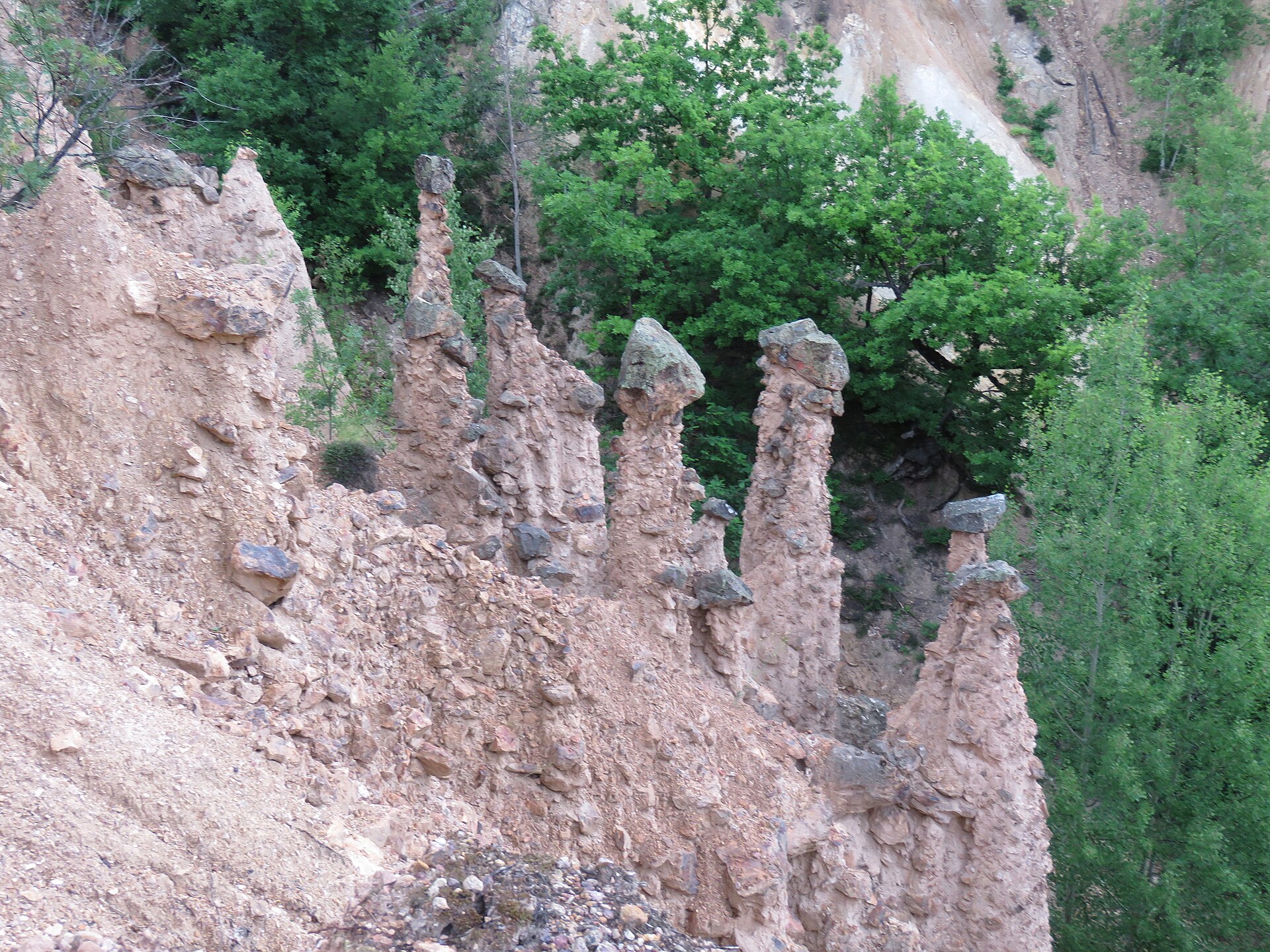
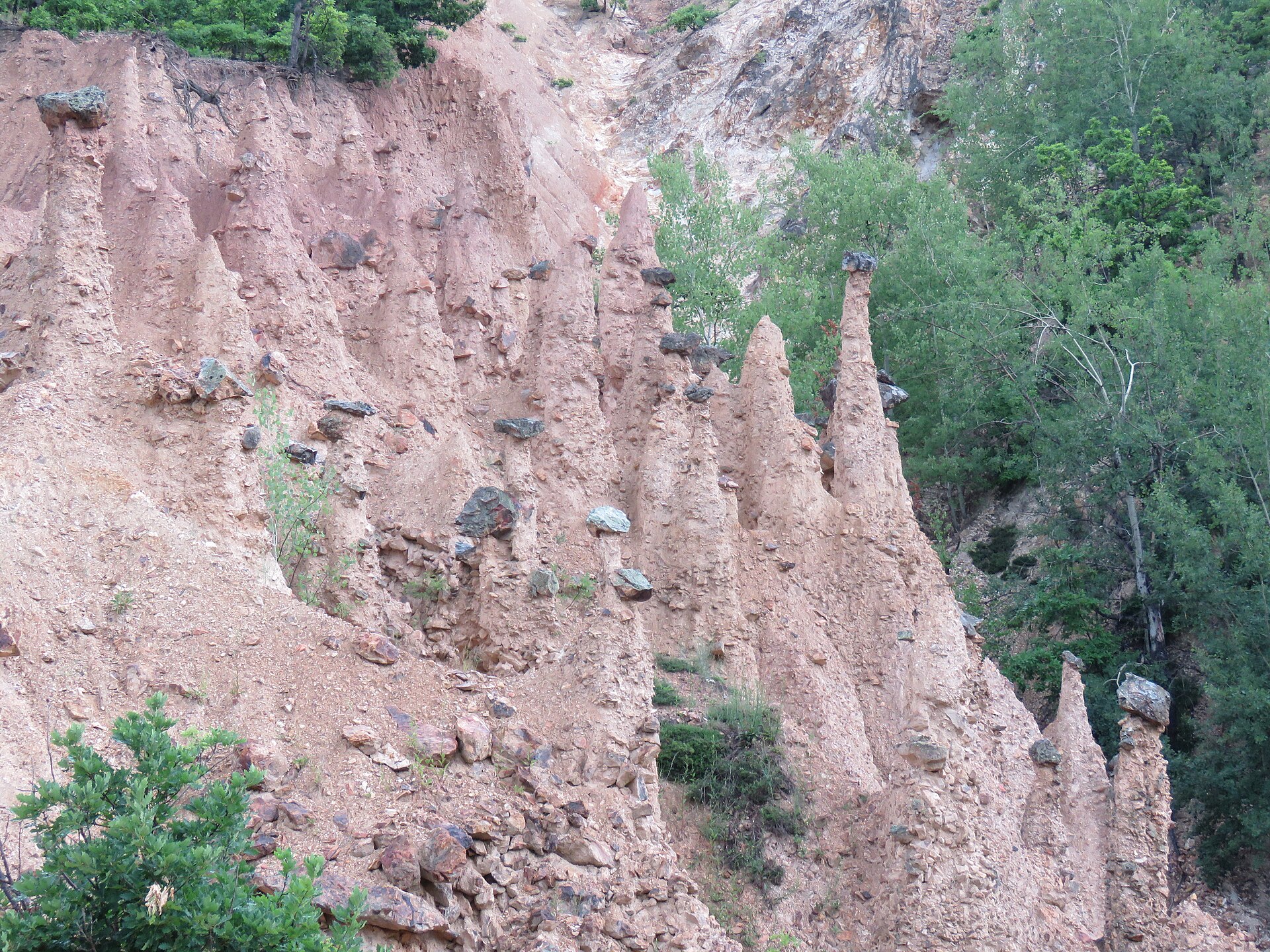
Đavolja Varoš (Devil's Town) is one of Serbia's most bizarre and unique natural phenomena — a surreal, almost alien landscape of 202 earth pyramids (scientifically known as hoodoos or earth pillars) carved by centuries of erosion in a remote mountain valley in southern Serbia near the town of Kuršumlija. These otherworldly formations, some reaching up to 15 meters in height, are topped with protective stone caps (andesite blocks) that shield the softer volcanic tuff and clay beneath from rain erosion, creating a dense forest of slender, conical stone towers that resemble a petrified Gothic city or a congregation of frozen human figures. Local folklore, as dark and dramatic as the name suggests, tells stories of this being the site where the devil gathered his demonic army, and the 'tears' that seem to drip from the stone columns are said to be the petrified tears of the devil's mother mourning her son's defeat.
Exploring Đavolja Varoš: Top Attractions & Hidden Gems
The scientific explanation, while less supernatural, is equally fascinating: ancient volcanic tuff and andesite rocks eroded by wind, rain, and frost over millions of years created these unique and fragile formations, which continue to evolve slowly over time. The site is also famous for its two highly acidic mineral springs — 'Red Well' (Crveno Vrelo) and 'Devil's Water' (Đavolja Voda) — with water of pH 1.5, so acidic it can corrode metal, yet believed by locals to have healing properties for various ailments. A wooden viewing platform provides an excellent vantage point over the main cluster of pyramids, and the surrounding area features hiking trails through dense forest leading to smaller groups of formations and the mineral springs.
Local Culture & Food in Đavolja Varoš
The site is a protected natural monument of the highest category and is on the tentative list for UNESCO World Heritage status. The best time to visit is on a clear day, ideally in the late afternoon, when the low-angle sunlight creates dramatic shadows and the contrast between the reddish-tipped stone towers and the surrounding lush green forest produces impressive photographic compositions. The drive through winding mountain roads to reach this remote site is an adventure in itself. Đavolja Varoš draws anyone fascinated by unique geological formations, natural wonders, and places where the landscape itself seems to tell stories.
🗓 Best Time to Visit
April to October. Serbia experiences warm summers and cold winters. The cities are best April-June and September-October. The Danube and Sava riverside activities peak in summer. Skiing at Kopaonik and Zlatibor runs December-March. The EXIT festival in Novi Sad draws visitors in early July.
🍽 Food & Drink
Pack a picnic! Traditional mountain food in the region includes hearty stews, grilled meats, local cheeses, and fresh bread — perfect refueling after a day on the trails. Nearby villages and mountain huts serve local specialties. Local dishes include: pljeskavica (stuffed grilled burger patty — the 'Serbian hamburger'), ćevapi (grilled minced meat sausages), sarma (stuffed cabbage), kajmak (creamy dairy spread), and prebranac (baked beans). For drinks, try rakija (Šljivovica plum brandy is the national drink), Serbian wines (Smederevka, Prokupac, and Bermet from Sremski Karlovci), and Jelen or Lav beers.
🚗 How to Get to Đavolja Varoš by Bus, Car & Boat
By car: A car is the most practical way to reach Đavolja Varoš, as public transport to national parks and remote natural areas is limited. Parking is available at visitor centers. By bus/tour: Some parks are served by seasonal buses or organized tours from major cities. Getting around: Once inside, walking trails, boardwalks, and park shuttle buses are the primary means of exploration. Buses are the most extensive domestic network. Trains (Srbija Voz) have improved — the Belgrade-Novi Sad line is modern (35 minutes). Car rental is affordable. The highway network connects Belgrade, Novi Sad, Niš, and Subotica.
🥘 Where to Eat in Đavolja Varoš: Authentic Local Cuisine
Dining options around Đavolja Varoš range from mountain huts and park cafes serving hearty snacks and hot meals to restaurants in nearby villages specializing in traditional local cuisine. Packing a picnic is a wonderful option — local markets in the nearest towns offer fresh bread, local cheeses, cured meats, and seasonal fruit that make for an unforgettable al fresco lunch surrounded by nature. Many park entrances have basic cafes serving coffee, pastries, and simple hot meals. The villages around the park are where you'll find the best traditional restaurants, often using ingredients sourced from the surrounding forests and farms. In season, look for wild mushroom dishes, game stews, foraged greens, and local dairy products. Spring water fountains are common in most natural areas, so bring a reusable bottle to fill up. If staying at a mountain lodge, be sure to try their home-cooked dinner — these family-run establishments take pride in their local recipes. Serbian cuisine is meat-centric and hearty — ćevapi, pljeskavica, sarma, kajmak, and rakija are staples, with excellent wines from Fruška Gora and Negotin.
🏨 Best Hotels Near Đavolja Varoš
While Đavolja Varoš itself is a natural wonder with limited accommodation inside its boundaries, the surrounding areas offer a range of places to stay. The nearest towns and villages provide everything from cozy guesthouses run by local families to comfortable hotels with modern amenities. For nature lovers, eco-lodges and mountain cabins offer the chance to sleep surrounded by forest, waking up to birdsong and fresh mountain air. Many of these accommodations provide packed lunches for day trips into the park, as well as guided tour arrangements and equipment rental. Camping facilities are available nearby for those seeking a more immersive outdoor experience. Book well in advance during peak season (June-September), as accommodation near popular natural attractions fills quickly. Staying nearby also means you can arrive at the park entrance before the crowds, enjoying the trails in peaceful morning light. Serbia offers excellent value accommodation from boutique hotels in Belgrade to traditional guesthouses in Zlatibor and affordable city-center hotels in Novi Sad and Niš.
Find a stay in Đavolja Varoš
Compare apartments, guesthouses, and vacation rentals while you finalize your route. Flexible cancellation can help when drive times or border plans change.
Browse stays in Đavolja Varoš on Vrbo →Accessibility
The page gives useful route and setting details, but it does not promise step-free access:
- The page describes a remote site reached by winding mountain roads and walking routes, but does not confirm step-free access.
- The earth-pyramid landscape is fragile and the page does not promise accessible paths to every viewpoint.
- Confirm current entrance, trail, parking, toilet, and assistance arrangements before travelling if mobility access is important.
- Plan the viewing platform and the wider walk separately so the visit can be shortened if terrain or weather becomes difficult.
Common Mistakes
- Treating the earth pyramids as ordinary rocks and touching or climbing the fragile formations.
- Approaching the acidic springs without following site instructions; the page gives a pH of 1.5 for the water.
- Underestimating the winding mountain-road approach and leaving without a clear route plan.
- Visiting only the main cluster and missing the geological explanation and wooden viewing platform.
- Approaching wildlife or leaving food and rubbish in the protected natural monument.
Photography
Late-afternoon light is highlighted by the page for the shadows it creates across the reddish-tipped earth pyramids and green forest. Use the viewing platform and marked routes for wide frames, then keep close details at a respectful distance. Serbia regulates drones — check current registration and flight rules with the Directorate of Civil Aviation of the Republic of Serbia before flying.
Etiquette
A few low-impact habits fit this destination:
- Staying on marked routes and away from the earth pyramids is essential natural-monument etiquette.
- Keeping distance from the acidic springs and following current barriers is considerate.
- Asking before photographing staff or other visitors is common courtesy.
- Taking all food packaging and rubbish out of the mountain landscape is customary.
- Keeping voices moderate at the viewing platform helps other visitors enjoy the site.
Frequently Asked Questions
When is the best time to visit Đavolja Varoš?
April to October. Serbia experiences warm summers and cold winters. The cities are best April-June and September-October. The Danube and Sava riverside activities peak in summer. Skiing at Kopaonik and Zlatibor runs December-March. The EXIT festival in Novi Sad draws visitors in early July.
How do I get to Đavolja Varoš?
By car: A car is the most practical way to reach Đavolja Varoš, as public transport to national parks and remote natural areas is limited. Parking is available at visitor centers. By bus/tour: Some parks are served by seasonal buses or organized tours from major cities.
How many days do you need in Đavolja Varoš?
A visit to Đavolja Varoš can be tailored to your interests. Đavolja Varoš (Devil's Town) is one of Serbia's most bizarre and unique natural phenomena — a surreal, almost alien landscape of 202 earth pyramids (scientifically known as hoodoos or earth pillars) c.
What is Đavolja Varoš known for?
Đavolja Varoš (Devil's Town) is one of Serbia's most bizarre and unique natural phenomena — a surreal, almost alien landscape of 202 earth pyramids (scientifically known as hoodoos or earth pillars) carved by centuries of erosion in a remote mountain valley in southern Serbia near the town of Kuršumlija.
Where should I stay in Đavolja Varoš?
While Đavolja Varoš itself is a natural wonder with limited accommodation inside its boundaries, the surrounding areas offer a range of places to stay. The nearest towns and villages provide everything from cozy guesthouses run by local families to comfortable hotels with modern amenities.
🗺️ Build a route around Đavolja Varoš: Add Đavolja Varoš to my itinerary. It opens the planner with this stop selected, so you can add nearby places and set the trip length.
Plan your budget
For country-level budget ranges and planning assumptions, see the Balkan travel costs guide.