
Sirogojno
Sirogojno at a Glance
| Country | Serbia |
| Region | Western Serbia, in the Zlatibor region |
| What it is | An open-air ethnographic museum preserving 19th-century Serbian village life |
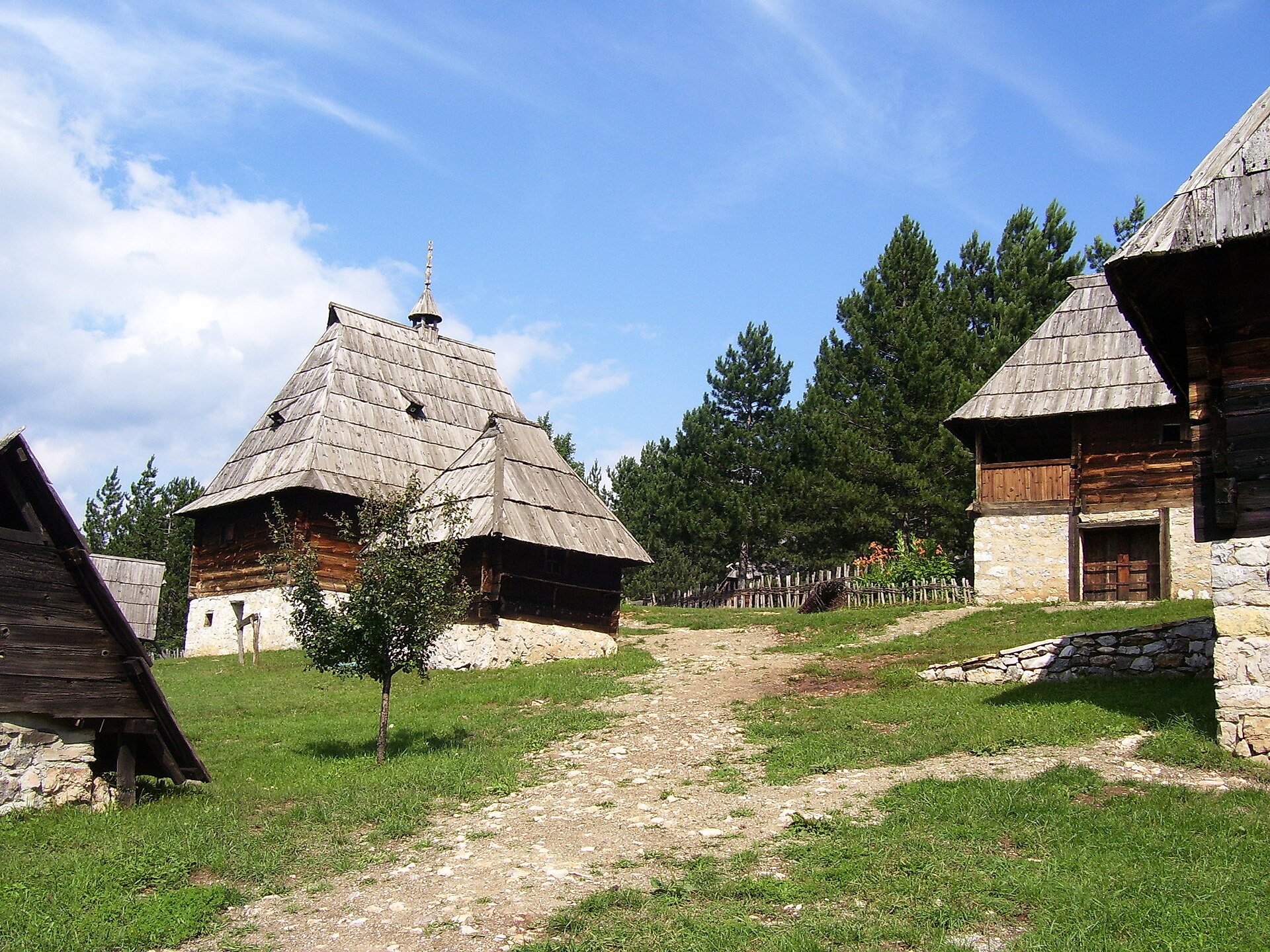
| Main site | Staro Selo, with more than 40 authentic wooden structures including homes, barns, watermills, a blacksmith workshop, a tavern, and other farm buildings |
| Craft demonstrations | Blacksmithing, weaving, pottery, and bread baking |
| Best time to visit | May–September |
| Suggested visit | At least 2–3 hours; a half-day excursion from Zlatibor |
| Food on site | An on-site restaurant serving Zlatibor cuisine |
Why Visit Sirogojno
Sirogojno presents 19th-century Serbian village life through Staro Selo's collection of authentic wooden buildings. The variety is practical rather than abstract: homes, barns, watermills, a blacksmith workshop, a tavern, and other farm buildings sit alongside demonstrations of blacksmithing, weaving, pottery, and bread baking. The valley setting, green Zlatibor hills, and on-site Zlatibor cuisine make it a natural half-day excursion from Zlatibor.
Overview
Staro Selo is the core of Sirogojno's open-air ethnographic museum. More than 40 wooden structures show how a 19th-century Serbian village was organized, with period furniture, tools, textiles, and household items inside the buildings. Allow time to walk through the complex, look for the craft demonstrations, and leave room for the on-site restaurant.
Best Things to Do in Sirogojno
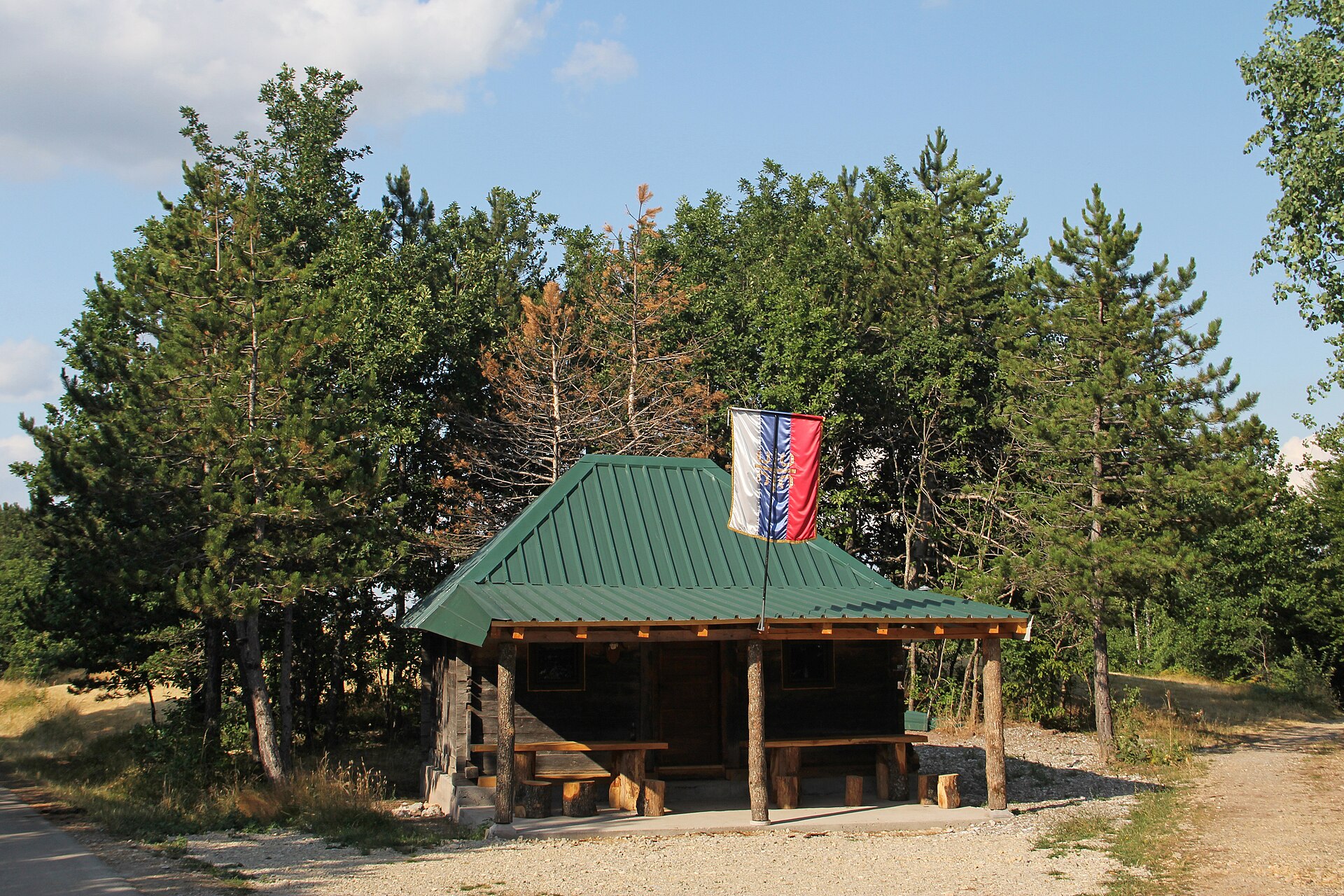
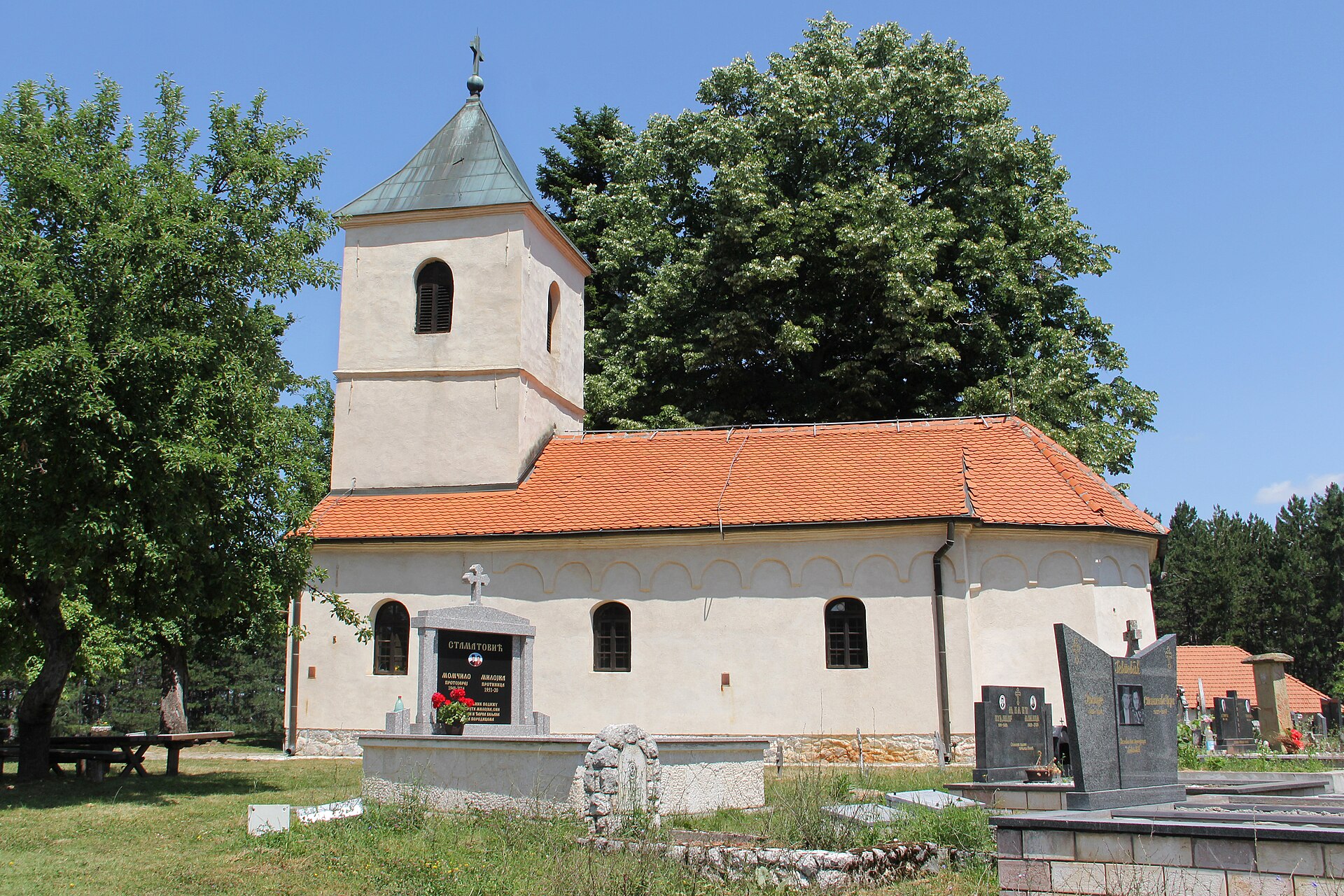
An open-air ethnographic museum preserving the traditional life of 19th-century Serbian villages in impressive detail, Sirogojno offers a fascinating and immersive journey back in time to a world of self-sufficient mountain communities. The Old Village (Staro Selo) complex features over 40 authentic wooden structures — including family homes, barns, watermills, a blacksmith workshop, a tavern (kafana), a dairy, a bakery, and a beautiful wooden church — all relocated from across the Zlatibor region, dismantled log by log, and meticulously reconstructed on this site to form a living museum of rural Serbian architecture and traditional life. Each house represents a different aspect of Serbian rural existence, furnished with period furniture, tools, textiles, and household items that tell the story of a community that lived in harmony with nature.
Exploring Sirogojno: Top Attractions & Hidden Gems
Craft demonstrations bring the village to life throughout the day: you can watch blacksmiths forging tools at the forge, weavers creating traditional rugs on hand looms using natural-dyed wool, potters shaping clay vessels, and bakers preparing homemade bread in traditional outdoor ovens. The on-site restaurant serves authentic Zlatibor cuisine based on traditional recipes — try the lamb roasted under a metal dome (sač), homemade cheese, fresh kajmak, and cornbread baked in a wood-fired oven. Sirogojno is well-known for its hand-knitted woolen sweaters, especially those created by local women using traditional patterns that have been passed down through generations — the distinctive Sirogojno style has gained international recognition, fusing traditional motifs with contemporary design.
Local Culture & Food in Sirogojno
The gift shop offers these authentic sweaters along with local honey, wild berry preserves, herbal teas, and rakija. The complex sits in a beautiful valley surrounded by the green hills of the Zlatibor region, making it a perfect half-day excursion from the town of Zlatibor. Special events throughout the year include traditional wedding reenactments, folk dance performances, harvest festivals, and Christmas celebrations that display the enduring vitality of Serbian rural culture and traditions.
🗓 Best Time to Visit
May to September. Serbia experiences warm summers and cold winters. The cities are best April-June and September-October. The Danube and Sava riverside activities peak in summer. Skiing at Kopaonik and Zlatibor runs December-March. The EXIT festival in Novi Sad draws visitors in early July.
🍽 Food & Drink
Serbian cuisine is hearty and meat-centric, known for grilled dishes, slow-cooked stews, exceptional dairy products, and the convivial tradition of lengthy meals. Local dishes include: pljeskavica (stuffed grilled burger patty — the 'Serbian hamburger'), ćevapi (grilled minced meat sausages), sarma (stuffed cabbage), kajmak (creamy dairy spread), and prebranac (baked beans). For drinks, try rakija (Šljivovica plum brandy is the national drink), Serbian wines (Smederevka, Prokupac, and Bermet from Sremski Karlovci), and Jelen or Lav beers.
🚗 How to Get to Sirogojno by Bus, Car & Boat
Buses are the most extensive domestic network. Trains (Srbija Voz) have improved — the Belgrade-Novi Sad line is modern (35 minutes). Car rental is affordable. The highway network connects Belgrade, Novi Sad, Niš, and Subotica. In Belgrade, the bus/tram/trolley network is extensive. Taxis are affordable — use CarGo or Yandex. Taxi apps rather than hailing from the street (scams are common). The BG: metro is being built — not yet operational.
🥘 Where to Eat in Sirogojno: Authentic Local Cuisine
Sirogojno has dining options ranging from traditional local restaurants to cafes and international cuisine. The main pedestrian streets and central squares are where you'll find the highest concentration of restaurants, but venturing into residential neighborhoods often rewards you with more authentic and affordable meals. Local bakeries and street food stalls are perfect for quick bites — try regional specialties like savory pies, grilled meats, and fresh pastries. For a proper sit-down meal, look for restaurants that specialize in regional cuisine, where the menu changes with the seasons and ingredients come from local producers. Wine bars and gastro pubs have been growing in popularity, which offers curated selections of local wines and creative small plates. The local market is an excellent spot for lunch, with food stalls serving freshly prepared dishes at reasonable prices. Many restaurants offer business lunch specials on weekdays — the most affordable way to sample quality local cooking. Serbian cuisine is meat-centric and hearty — ćevapi, pljeskavica, sarma, kajmak, and rakija are staples, with excellent wines from Fruška Gora and Negotin.
🏨 Best Hotels in Sirogojno
Sirogojno offers many accommodation to suit all travel styles and budgets. In the city center, you'll find everything from stylish boutique hotels and well-known international chains to budget-friendly hostels and private apartments. For a more local experience, consider staying in residential neighborhoods where family-run guesthouses offer warm hospitality and homemade breakfasts at a fraction of the center's prices. Mid-range hotels typically include breakfast and offer excellent value, with many with rooftop terraces, wellness areas, and on-site restaurants. Business hotels cater to professionals but often offer weekend discounts for leisure travelers. For extended stays, serviced apartments with kitchenettes provide flexibility and space. Most centrally located hotels put you within walking distance of the main attractions, restaurants, and public transport links. Serbia offers excellent value accommodation from boutique hotels in Belgrade to traditional guesthouses in Zlatibor and affordable city-center hotels in Novi Sad and Niš.
Find a stay in Sirogojno
Compare apartments, guesthouses, and vacation rentals while you finalize your route. Flexible cancellation can help when drive times or border plans change.
Browse stays in Sirogojno on Vrbo →Accessibility
Access details for Sirogojno are not confirmed on this page. The complex is an open-air museum in a valley, but step-free routes, surface conditions, accessible toilets, seating, parking, and access between the buildings are not specified. If you need step-free or low-strain access, confirm the route and facilities with the museum or your accommodation before travelling. The page recommends allowing 2–3 hours for a thorough visit, but it does not give current opening hours or demonstration availability.
Common Mistakes
- Treating Sirogojno as a quick photo stop. The page recommends allowing at least 2–3 hours to visit the museum complex thoroughly.
- Assuming every demonstration is guaranteed. Blacksmithing, weaving, pottery, and bread baking are described on the page, but current schedules and availability are not confirmed.
- Skipping the smaller farm buildings. Staro Selo includes more than 40 structures, not only the most obvious houses.
- Missing the on-site restaurant. It serves Zlatibor cuisine, so it can be part of the visit rather than an afterthought.
- Reading the broader Serbia advice as a Sirogojno timetable. May–September is the page's best-time advice for Sirogojno; the winter ski timing refers to Kopaonik and Zlatibor more broadly.
- Assuming access is fully confirmed. The page does not specify step-free routes or facilities, so check those details before travelling if they matter for your visit.
Photography
Use the valley and green Zlatibor hills for wide views, then move in on the wooden homes, barns, watermills, blacksmith workshop, tavern, and other farm buildings for texture and detail. If a demonstration is taking place, focus on the tools, loom, pottery, or bread-making process from a respectful distance and ask before close-up portraits. Serbia regulates drones — check current registration and flight rules with the Civil Aviation Directorate of the Republic of Serbia before flying.
Etiquette
Sirogojno is an open-air museum with period furniture, tools, textiles, and household items in its buildings, so a few low-key habits help protect the displays and keep demonstrations workable:
- Inside the buildings: It is customary to treat the homes, barns, watermills, blacksmith workshop, tavern, and other farm buildings as exhibits; do not touch furniture, tools, or textiles unless staff invite you.
- During demonstrations: Visitors often watch from the side and leave room for blacksmithing, weaving, pottery, and bread baking to continue without interruption.
- Photography: Asking before close-up photos of craftspeople or other visitors is common courtesy, especially during demonstrations.
- Special events: Folk dances, wedding reenactments, harvest festivals, and Christmas celebrations customarily have their own flow; follow staff directions and avoid stepping into performance or work areas.
- Food: If you eat at the on-site restaurant, it is common to keep the museum setting in mind and leave nearby work areas clear.
Frequently Asked Questions
When is the best time to visit Sirogojno?
May to September. Serbia experiences warm summers and cold winters. The cities are best April-June and September-October. The Danube and Sava riverside activities peak in summer. Skiing at Kopaonik and Zlatibor runs December-March. The EXIT festival in Novi Sad draws visitors in early July.
How do I get to Sirogojno?
Buses are the most extensive domestic network. Trains (Srbija Voz) have improved — the Belgrade-Novi Sad line is modern (35 minutes). Car rental is affordable. The highway network connects Belgrade, Novi Sad, Niš, and Subotica. In Belgrade, the bus/tram/trolley network is extensive. Taxis are affordable — use CarGo or Yandex.
How many days do you need in Sirogojno?
A visit to Sirogojno can be tailored to your interests. An open-air ethnographic museum preserving the traditional life of 19th-century Serbian villages in impressive detail, Sirogojno offers a fascinating and immersive journey back in time to a world of s.
What is Sirogojno known for?
An open-air ethnographic museum preserving the traditional life of 19th-century Serbian villages in impressive detail, Sirogojno offers a fascinating and immersive journey back in time to a world of self-sufficient mountain communities.
Where should I stay in Sirogojno?
Sirogojno offers many accommodation to suit all travel styles and budgets. In the city center, you'll find everything from stylish boutique hotels and well-known international chains to budget-friendly hostels and private apartments.
🗺️ Build a route around Sirogojno: Add Sirogojno to my itinerary. It opens the planner with this stop selected, so you can add nearby places and set the trip length.
Plan your budget
For country-level budget ranges and planning assumptions, see the Balkan travel costs guide.