
Niš
Niš at a Glance
| Country | Serbia |
| Setting | Historic city in southern Serbia |
| Known for | Niš Fortress, Skull Tower, Mediana, and Constantine the Great |
| Best time to visit | April–October |
| Planning note | The city also connects to Niška Banja, Sićevo Gorge, monasteries, and Đavolja Varoš |
Why Visit Niš
Niš brings Roman, Byzantine, Ottoman, and modern Serbian history into one southern-Serbian city visit. The page combines the fortress, Skull Tower, Mediana, Crveni Krst memorial site, cafés, and nearby natural and spa destinations.
Best Things to Do in Niš
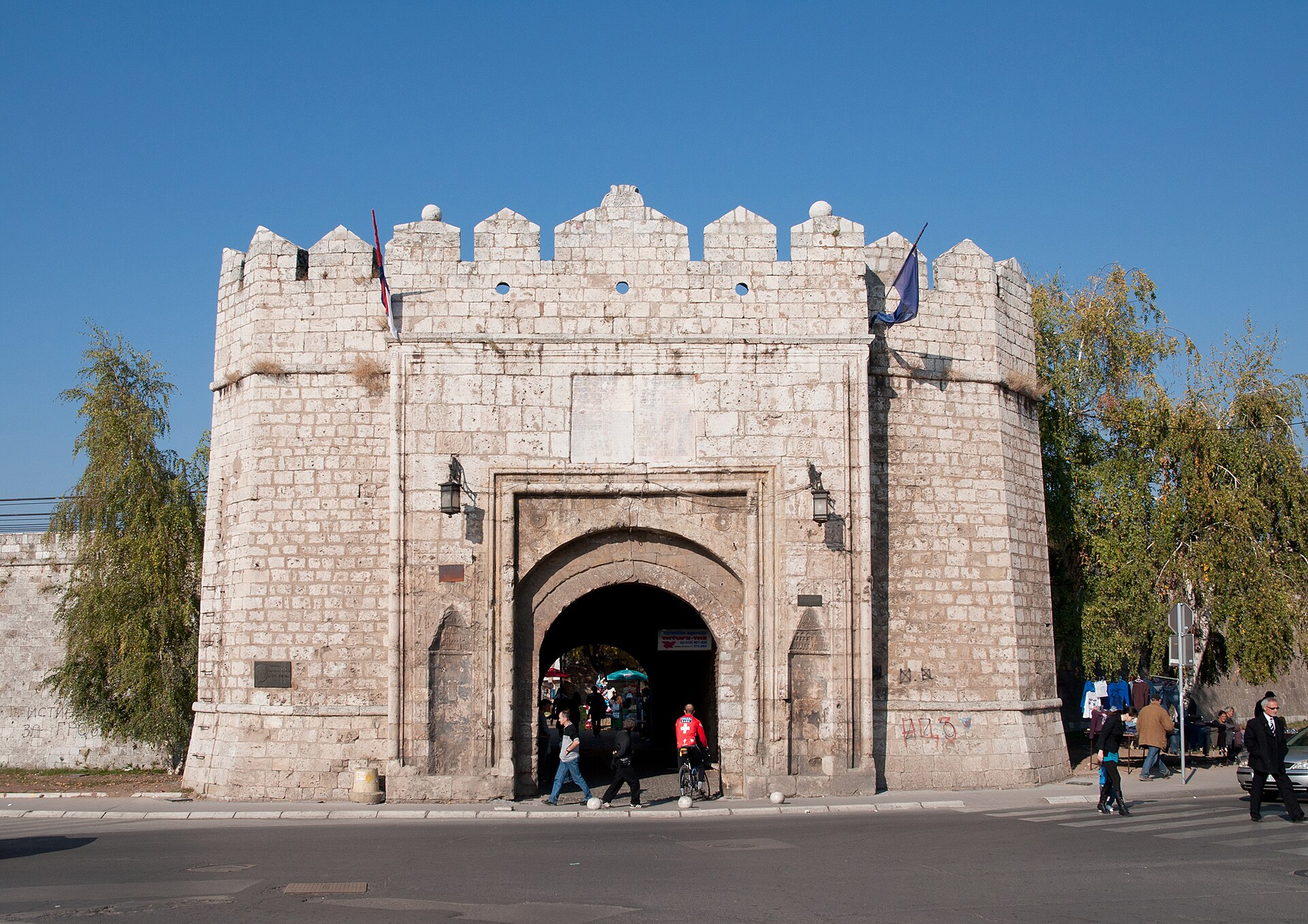
One of the oldest cities in the Balkans, Niš is the birthplace of Constantine the Great, the first Christian Roman emperor who legalized Christianity throughout the Roman Empire with the Edict of Milan in 313 AD. The city's turbulent 2,000-year history is visible at every turn: the Niš Fortress, built by the Ottomans on earlier Roman and Byzantine foundations, offers a green escape within its massive walls, where visitors can visit the remains of Roman baths, an Ottoman hammam, a 15th-century mosque, and even a Roman street unearthed by archaeologists. The haunting Skull Tower (Ćele Kula), a 19th-century memorial containing the skulls of 952 Serbian rebels killed during the 1809 Battle of Čegar against the Ottoman Empire, is a poignant and sobering reminder of Serbia's bloody struggle for independence — the tower was originally built with over 1,000 skulls, but only 58 remain today.
Exploring Niš: Top Attractions & Hidden Gems
The Nišville Jazz Festival, held annually in August, transforms the fortress into a excellent music venue drawing international jazz performers and thousands of music lovers. The Mediana archaeological site, just outside the city, reveals the remains of Constantine's imperial villa with impressive 4th-century floor mosaics, baths, granaries, and a luxurious peristyle that display the opulence of late Roman imperial life. The Crveni Krst concentration camp, one of the best-preserved Nazi camps in Europe, offers a sobering museum dedicated to the memory of its victims. Today Niš is a lively university city with extraordinary food — the famous Niš ćevapi (grilled minced meat rolls) served with onions and kajmak at legendary grill houses is a mandatory culinary pilgrimage.
Local Culture & Food in Niš
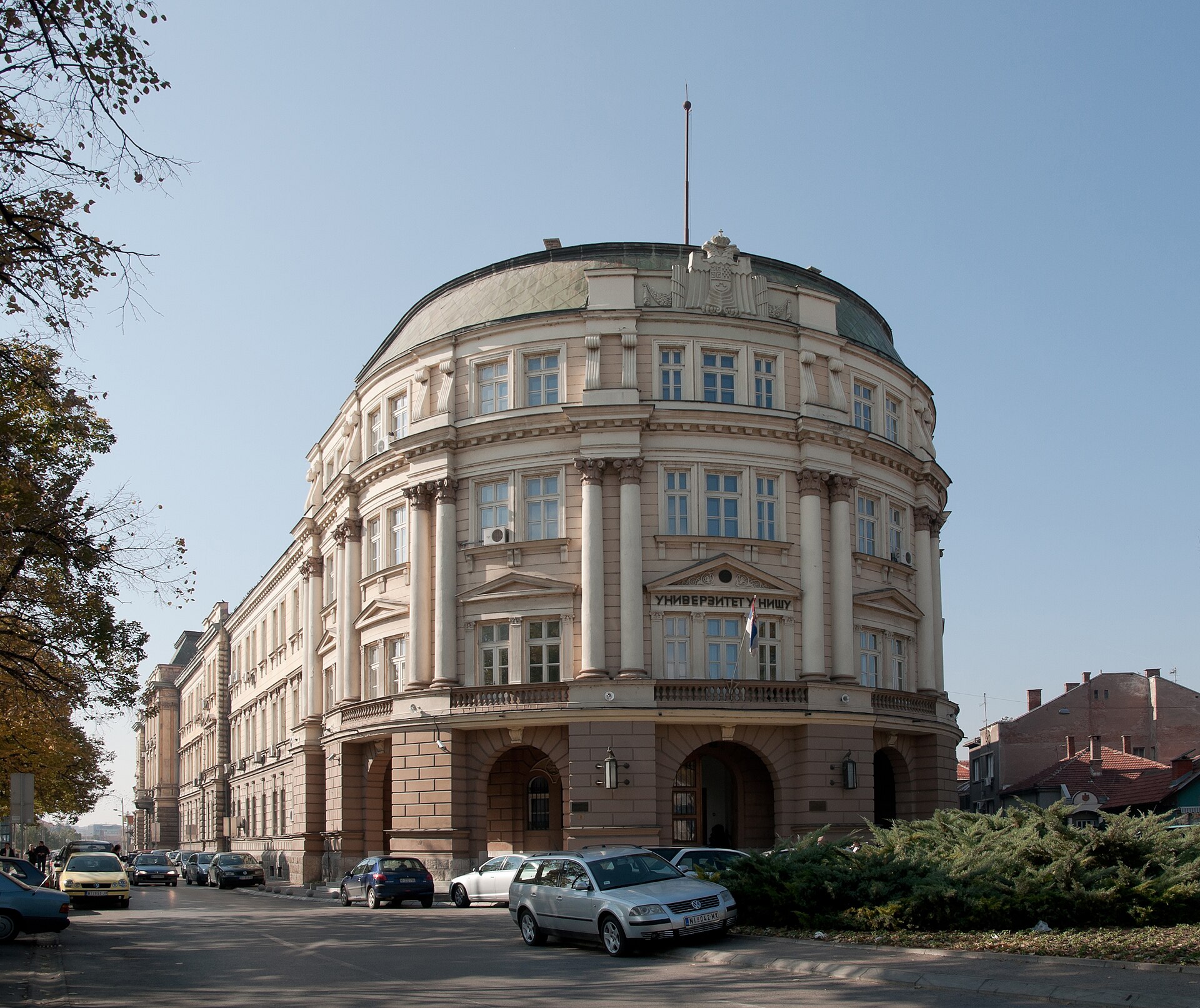
The city's bustling King Milan Square is surrounded by cafes and 19th-century buildings. Hike the Niš Fortress walls at sunset for panoramic views, and visit the nearby Niska Banja spa for thermal pools. Niš is also the perfect gateway to southern Serbia's monasteries, the dramatic Sićevo Gorge, and the surreal Đavolja Varoš (Devil's Town). With its deep history, lively culture, and famously warm hospitality, Niš is an essential stop on any Serbian journey.
🗓 Best Time to Visit
April to October. Serbia experiences warm summers and cold winters. The cities are best April-June and September-October. The Danube and Sava riverside activities peak in summer. Skiing at Kopaonik and Zlatibor runs December-March. The EXIT festival in Novi Sad draws visitors in early July.
🍽 Food & Drink
Eating in Niš centers around traditional family recipes and regional ingredients — historic stone buildings house traditional restaurants where you can taste local recipes passed down through generations. Local dishes include: pljeskavica (stuffed grilled burger patty — the 'Serbian hamburger'), ćevapi (grilled minced meat sausages), sarma (stuffed cabbage), kajmak (creamy dairy spread), and prebranac (baked beans). For drinks, try rakija (Šljivovica plum brandy is the national drink), Serbian wines (Smederevka, Prokupac, and Bermet from Sremski Karlovci), and Jelen or Lav beers.
🚗 How to Get to Niš by Bus, Car & Boat
By car: Accessible via well-maintained roads with parking areas outside the historic center. By bus: Local and regional bus services stop within walking distance. By tour: Many visitors arrive as part of organized tours from nearby cities. Walking: Once inside, the historic district is pedestrian-friendly — the best way to soak in the atmosphere is strolling its streets.
🥘 Where to Eat in Niš: Authentic Local Cuisine
Niš has dining options ranging from traditional local restaurants to cafes and international cuisine. The main pedestrian streets and central squares are where you'll find the highest concentration of restaurants, but venturing into residential neighborhoods often rewards you with more authentic and affordable meals. Local bakeries and street food stalls are perfect for quick bites — try regional specialties like savory pies, grilled meats, and fresh pastries. For a proper sit-down meal, look for restaurants that specialize in regional cuisine, where the menu changes with the seasons and ingredients come from local producers. Wine bars and gastro pubs have been growing in popularity, which offers curated selections of local wines and creative small plates. The local market is an excellent spot for lunch, with food stalls serving freshly prepared dishes at reasonable prices. Many restaurants offer business lunch specials on weekdays — the most affordable way to sample quality local cooking. Serbian cuisine is meat-centric and hearty — ćevapi, pljeskavica, sarma, kajmak, and rakija are staples, with excellent wines from Fruška Gora and Negotin.
🏨 Best Hotels in Niš
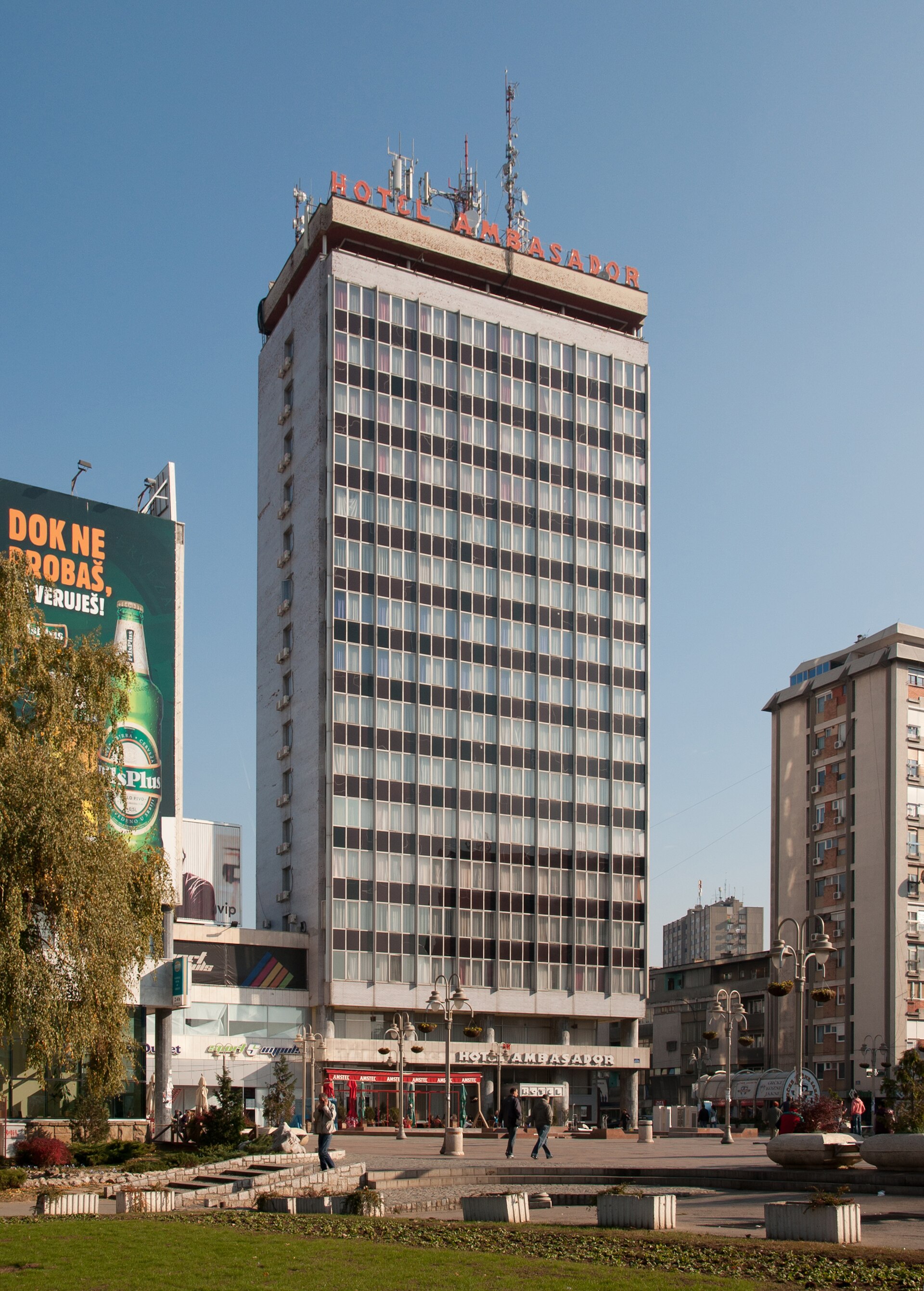
Niš offers many accommodation to suit all travel styles and budgets. In the city center, you'll find everything from stylish boutique hotels and well-known international chains to budget-friendly hostels and private apartments. For a more local experience, consider staying in residential neighborhoods where family-run guesthouses offer warm hospitality and homemade breakfasts at a fraction of the center's prices. Mid-range hotels typically include breakfast and offer excellent value, with many with rooftop terraces, wellness areas, and on-site restaurants. Business hotels cater to professionals but often offer weekend discounts for leisure travelers. For extended stays, serviced apartments with kitchenettes provide flexibility and space. Most centrally located hotels put you within walking distance of the main attractions, restaurants, and public transport links. Serbia offers excellent value accommodation from boutique hotels in Belgrade to traditional guesthouses in Zlatibor and affordable city-center hotels in Novi Sad and Niš.
Find a stay in Niš
Compare apartments, guesthouses, and vacation rentals while you finalize your route. Flexible cancellation can help when drive times or border plans change.
Browse stays in Niš on Vrbo →Common Mistakes
- Treating Niš Fortress as the whole visit and missing Skull Tower, Mediana, and the Crveni Krst memorial site.
- Planning every historical site and the nearby gorge or spa as one rushed walk.
- Entering religious or memorial spaces without checking current photography and visitor instructions.
- Leaving the fortress area without allowing time for the city’s cafés and central streets.
- Photographing residents, staff, or other visitors closely without asking first.
Photography
Niš Fortress, the Ottoman remains, Skull Tower, Mediana mosaics, and the city’s central streets provide distinct historical and urban subjects. Use the fortress walls and nearby viewpoints for wider frames, and follow current instructions inside museums and memorial spaces. Serbia regulates drones — check current registration and flight rules with the Directorate of Civil Aviation of the Republic of Serbia before flying.
Etiquette
A few low-impact habits fit this destination:
- Speaking quietly in memorial, religious, and museum spaces is common courtesy.
- Asking before photographing staff, worshippers, performers, or residents is considerate.
- Following no-photo and barrier instructions protects archaeological and memorial displays.
- Keeping fortress paths and public squares clear is often expected.
- Taking food packaging and drink containers with you from parks and viewpoints is customary.
Frequently Asked Questions
When is the best time to visit Niš?
April to October. Serbia experiences warm summers and cold winters. The cities are best April-June and September-October. The Danube and Sava riverside activities peak in summer. Skiing at Kopaonik and Zlatibor runs December-March. The EXIT festival in Novi Sad draws visitors in early July.
How do I get to Niš?
By car: Accessible via well-maintained roads with parking areas outside the historic center. By bus: Local and regional bus services stop within walking distance. By tour: Many visitors arrive as part of organized tours from nearby cities.
How many days do you need in Niš?
A visit to Niš can be tailored to your interests. One of the oldest cities in the Balkans, Niš is the birthplace of Constantine the Great, the first Christian Roman emperor who legalized Christianity throughout the Roman Empire with the Edict of Mila.
What is Niš known for?
One of the oldest cities in the Balkans, Niš is the birthplace of Constantine the Great, the first Christian Roman emperor who legalized Christianity throughout the Roman Empire with the Edict of Milan in 313 AD.
Where should I stay in Niš?
Niš offers many accommodation to suit all travel styles and budgets. In the city center, you'll find everything from stylish boutique hotels and well-known international chains to budget-friendly hostels and private apartments.
🗺️ Build a route around Niš: Add Niš to my itinerary. It opens the planner with this stop selected, so you can add nearby places and set the trip length.
Plan your budget
For country-level budget ranges and planning assumptions, see the Balkan travel costs guide.