

Gamzigrad (Felix Romuliana)
Gamzigrad (Felix Romuliana) at a Glance
| Country | Serbia |
| Setting | Late Roman palace in the Timok Valley |
| Known for | UNESCO World Heritage palace and imperial mausoleum |
| Best time | April–October for outdoor access; May–June is highlighted |
Why Visit Gamzigrad (Felix Romuliana)
Gamzigrad (Felix Romuliana), ancient Felix Romuliana, is a UNESCO World Heritage archaeological site built for Emperor Galerius in the Timok Valley of eastern Serbia.
The fortified palace, imperial mausoleum, thick defensive walls, museum, and nearby Rogljevo wine cellars make the site useful for a history-focused day in eastern Serbia.
Overview
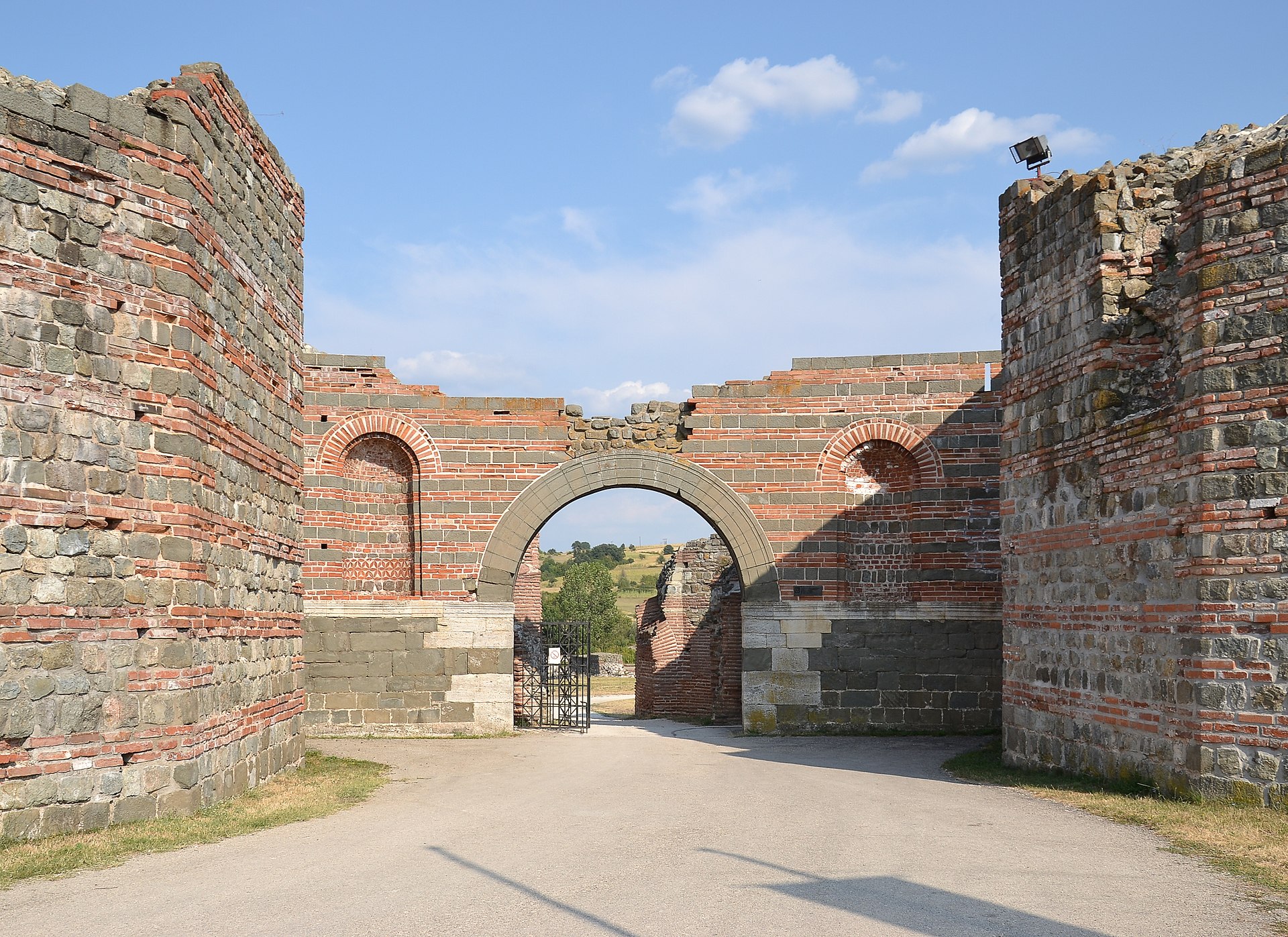
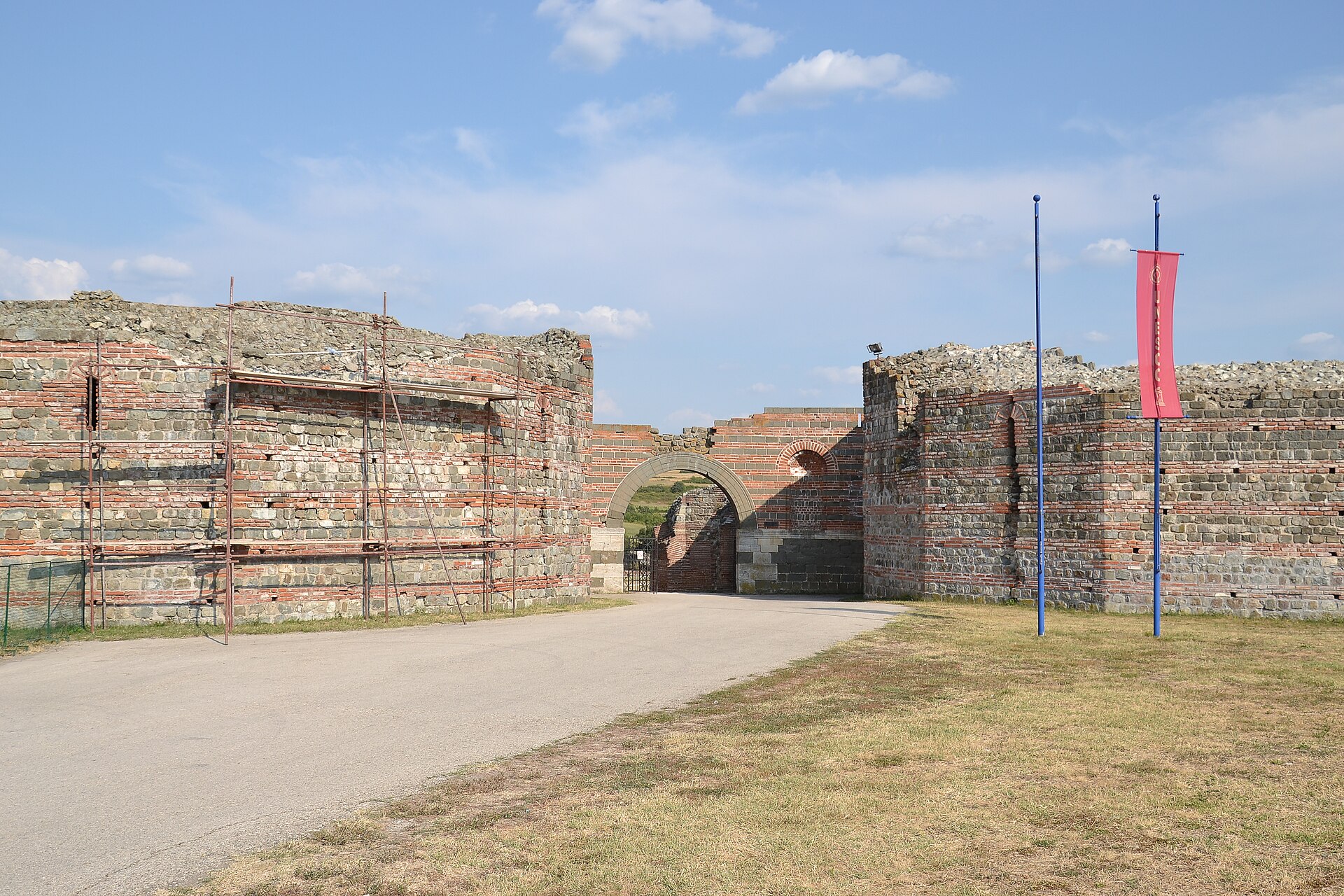
Galerius built the complex in the early 4th century AD as a ceremonial palace, cult centre, and imperial mausoleum dedicated to his mother Romula. The walls are about 2 metres thick and include 20 towers.
The page pairs the archaeological site with Timok Valley food and wine, including Rogljevo’s grape harvest in September and October. Outdoor areas are described as muddy and cold in winter even when the museum is open.
Best Things to Do in Gamzigrad (Felix Romuliana)
Gamzigrad (Felix Romuliana), known in antiquity as Felix Romuliana, is one of the most significant Late Roman archaeological sites in the Balkans, inscribed as a UNESCO World Heritage site in 2007.
Exploring Gamzigrad (Felix Romuliana): Top Attractions & Hidden Gems
Located in the Timok Valley of eastern Serbia, this fortified imperial palace was built in the early 4th century AD by Emperor Galerius (Gaius Galerius Valerius Maximianus) — a Tetrarch who ruled the eastern Roman Empire from 305 to 311 AD.
Local Culture & Food in Gamzigrad (Felix Romuliana)
The site was named Romuliana in honor of his mother Romula, a priestess of a Dacian cult, whose deification Galerius orchestrated. The complex was a ceremonial palace, cult center, and imperial mausoleum, designed as a self-contained city within 2-meter-thick defensive walls studded with 20 towers.
🗓 Best Time to Visit
April-October for outdoor site access. May-June for ideal weather. The annual Romuliana historical reenactment (late August) features legionary camp, gladiator shows, and Roman cuisine. The Rogljevo grape harvest in September-October is spectacular for wine lovers. Winter (November-March) — the museum is open but outdoor areas are muddy and cold.
🍽 Food & Drink
Restoran Felix (€10-18) on-site serves Serbian grill and Timok River trout. Vinarija Podrum (€8-15) in Rogljevo (15 km) offers wine, cheese platters, and grilled meats. Restoran Balkan (€8-14) in Zaječar serves Timok Valley specialties. The wine region specializes in Prokupac (robust ancient red grape) and Tamjanika (muscat-style white). At the Rogljevo cellars, boutique wineries like Vinarija Podrum and Vinarija Budimir offer structured tastings of 5-8 wines for €8-12. Also try medovača (honey rakija) unique to this region. Timok Valley cuisine includes zapečene paprike (baked peppers), podvarak (sauerkraut roasted with meat), and lamb from the Stara Planina foothills.
🚗 How to Get to Gamzigrad (Felix Romuliana) by Bus, Car & Boat
Gamzigrad (Felix Romuliana) is 250 km east of Belgrade (≈3 hours by car via E75 to Ćuprija, then E761 to Zaječar). Regular buses run from Belgrade to Zaječar (3.5h, €12-15), then local bus to Gamzigrad (Felix Romuliana) village (20 min) or taxi (€8). Nearest airport is Niš Constantine the Great (INJ, 80 km). Most visitors arrive by rental car. The site is well-signposted from Zaječar center. Parking at the site is free.
🏨 Where to Stay
Hotel Romuliana in Zaječar (from €50) offers comfortable rooms. Guesthouse Gamzigrad (Felix Romuliana) (from €30) in the village is basic but close to the site. B&B Stara Kuća near Rogljevo (from €45) offers a wine-country experience. Most visitors make a day trip from Niš or eastern Serbia, but an overnight stay allows time for Rogljevo wine tasting.
Find a stay in Gamzigrad (Felix Romuliana)
Compare apartments, guesthouses, and vacation rentals while you finalize your route. Flexible cancellation can help when drive times or border plans change.
Browse stays in Gamzigrad (Felix Romuliana) on Vrbo →Accessibility
- Gamzigrad (Felix Romuliana) is an outdoor archaeological complex with uneven historic ground and walls; the page does not guarantee step-free access across the site or museum. Confirm the route and facilities before travelling.
- A car is the most practical way to combine the site with Zaječar and Rogljevo, while the page’s seasonal advice distinguishes outdoor access from the winter museum visit. Check current opening, road, and ground conditions.
- Allow time for walking between the palace features rather than planning it as a drive-up photo stop.
Common Mistakes
- Visiting in winter expecting dry, easy outdoor walking when the page warns of mud and cold.
- Seeing only the museum and missing the defensive walls, towers, palace, and mausoleum layout.
- Planning the site without checking current access and opening details.
- Skipping the Timok Valley context and nearby Rogljevo wine area when building a full day.
Photography
- Use the 20 towers and thick defensive walls to show the scale of the fortified complex.
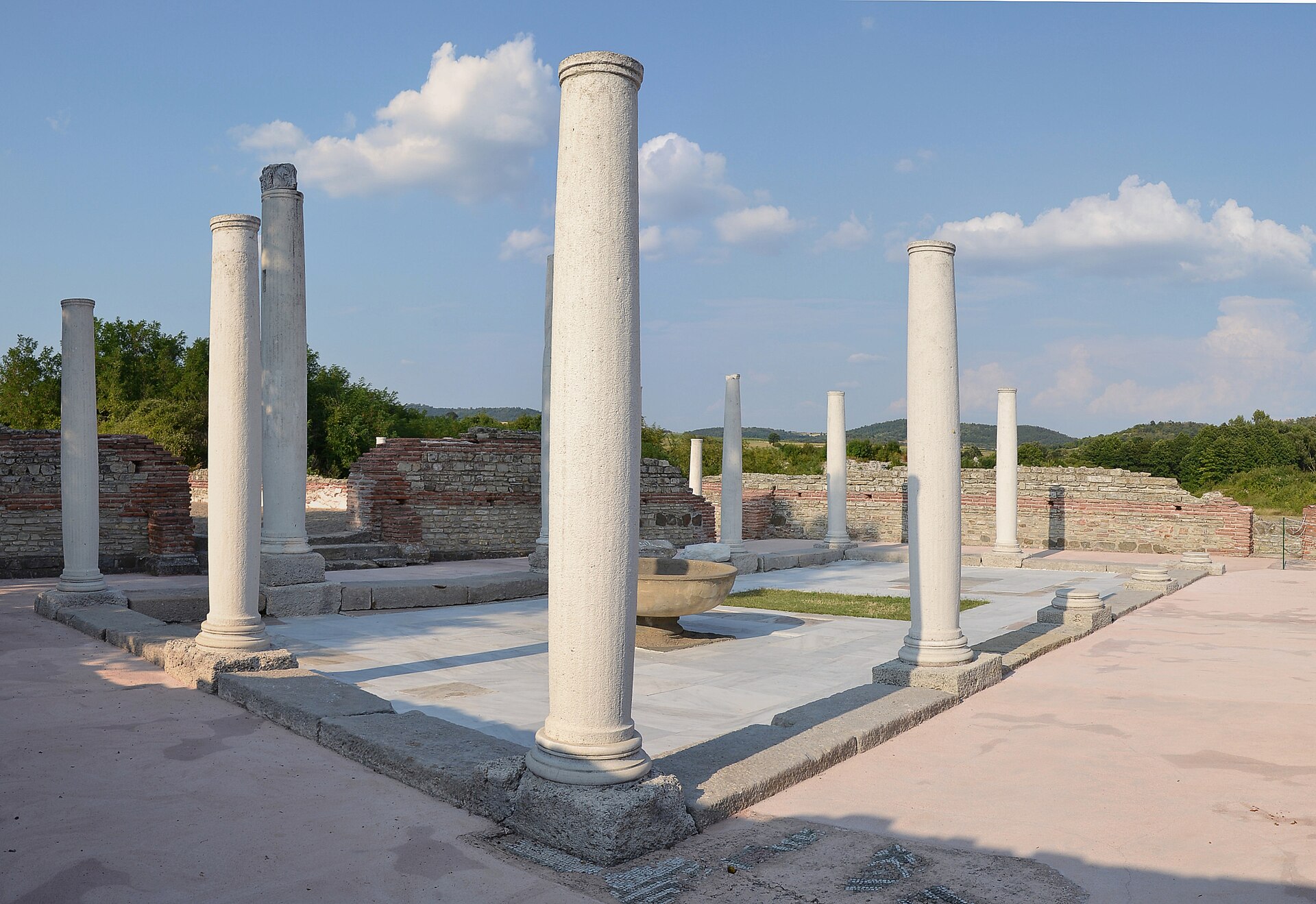
- Look for the relationship between palace, cult, and mausoleum areas rather than photographing one isolated ruin.
- At Rogljevo or a historical reenactment, ask before photographing producers, performers, or visitors.
- Serbia regulates drones — check current registration and flight rules with the Civil Aviation Directorate of the Republic of Serbia before flying.
Etiquette
- Stay on designated archaeological paths and do not climb or touch protected ruins.
- Follow museum and site photography instructions.
- Ask before photographing staff, local producers, or reenactment participants.
- Keep voices low near interpretive and memorial areas.
- Carry waste out of the archaeological landscape.
Frequently Asked Questions
When is the best time to visit Gamzigrad (Felix Romuliana)?
April-October for outdoor-site access (the mosaics are covered but the courtyards, temples, and mausoleum are exposed). May-June for ideal weather. The annual Romuliana festival in late August features legionary camp, gladiator shows, and Roman cuisine.
How do I get to Gamzigrad (Felix Romuliana)?
Gamzigrad (Felix Romuliana) is 250 km east of Belgrade (3 hours by car via E75 to Cuprija, then E761 to Zajecar). Regular buses run Belgrade to Zajecar (3.5h, 12-15 EUR), then local bus to Gamzigrad (Felix Romuliana) village (20 min) or taxi (8 EUR). Nearest airport is Nis (INJ, 80 km).
What makes Felix Romuliana special?
It's a UNESCO site (2007) — the fortified imperial palace of Emperor Galerius with two of the finest Late Roman mosaic floors in Europe (Dionysian procession and hunting scenes covering 450 sq m). It also has the only known Tetrarchic imperial mausoleum tumuli on Magura Hill.
Can I combine Gamzigrad (Felix Romuliana) with wine tasting?
Yes — the Rogljevo wine cellars (15 km) have 19th-century underground pimnice dug into loess hills producing Timok Valley reds from the Prokupac grape. Most local tour operators offer a Roman Emperor & Wine package for 35 EUR/person.
🗺️ Build a route around Gamzigrad (Felix Romuliana): Add Gamzigrad (Felix Romuliana) to my itinerary. It opens the planner with this stop selected, so you can add nearby places and set the trip length.
Plan your budget
For country-level budget ranges and planning assumptions, see the Balkan travel costs guide.