

Studenica Monastery
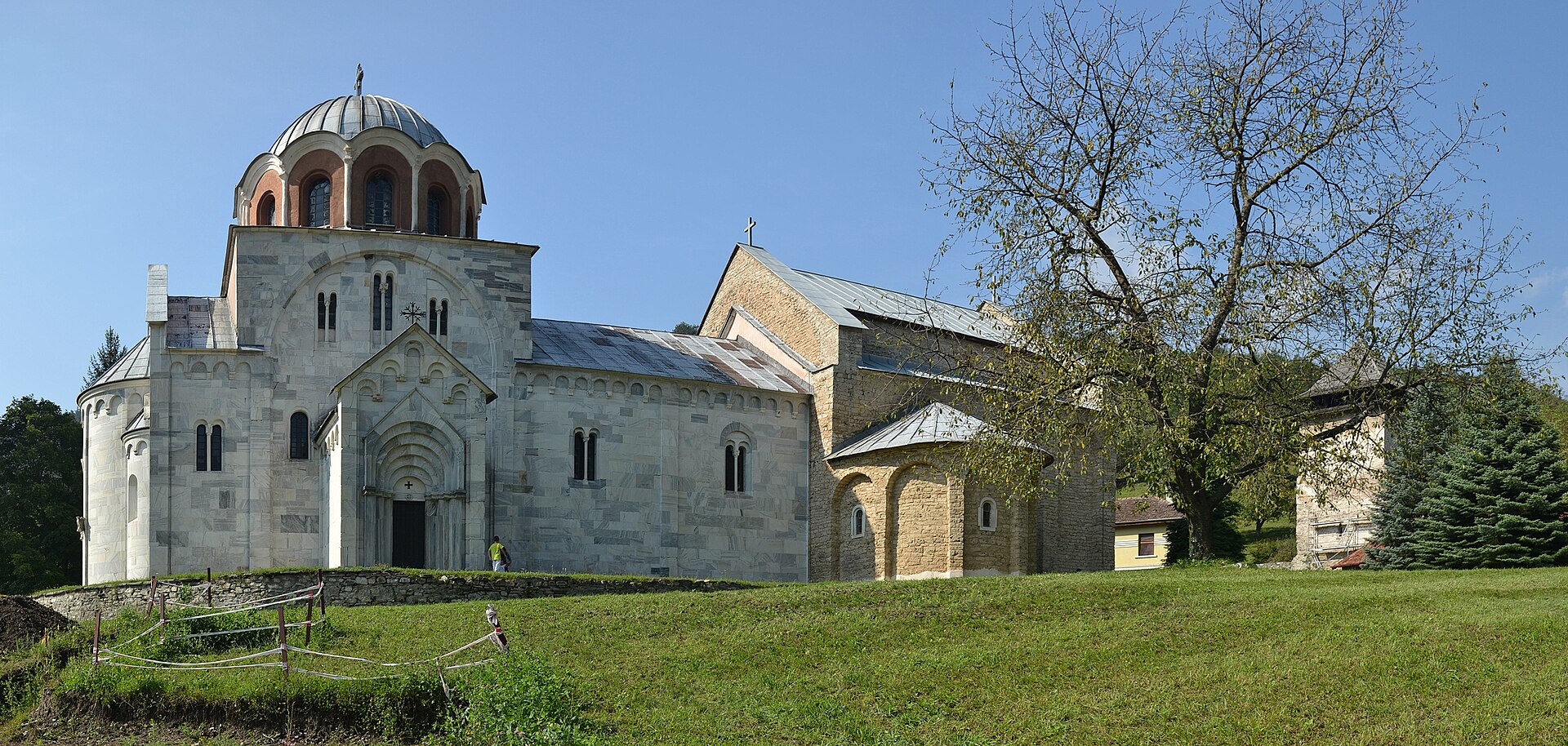
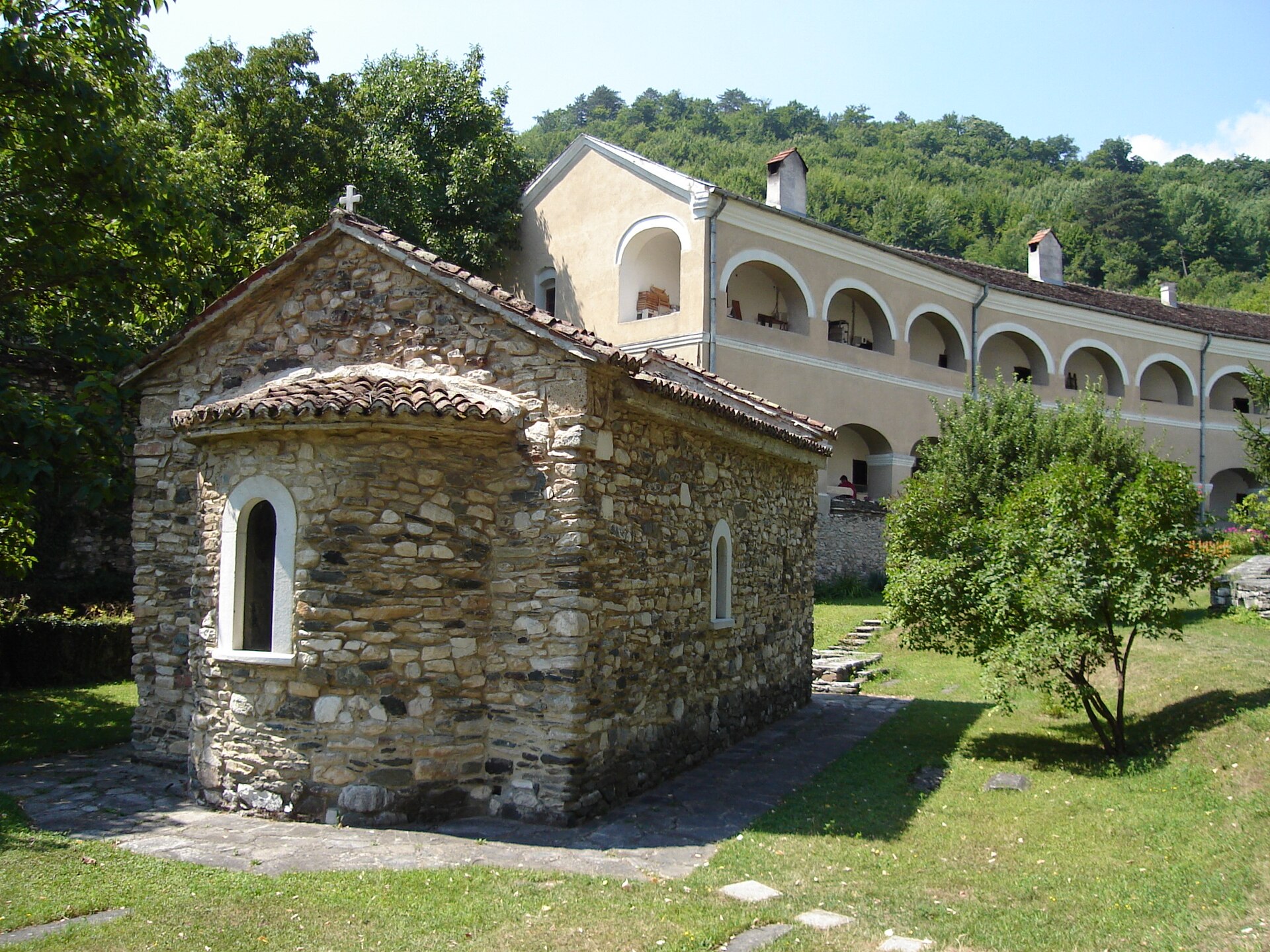
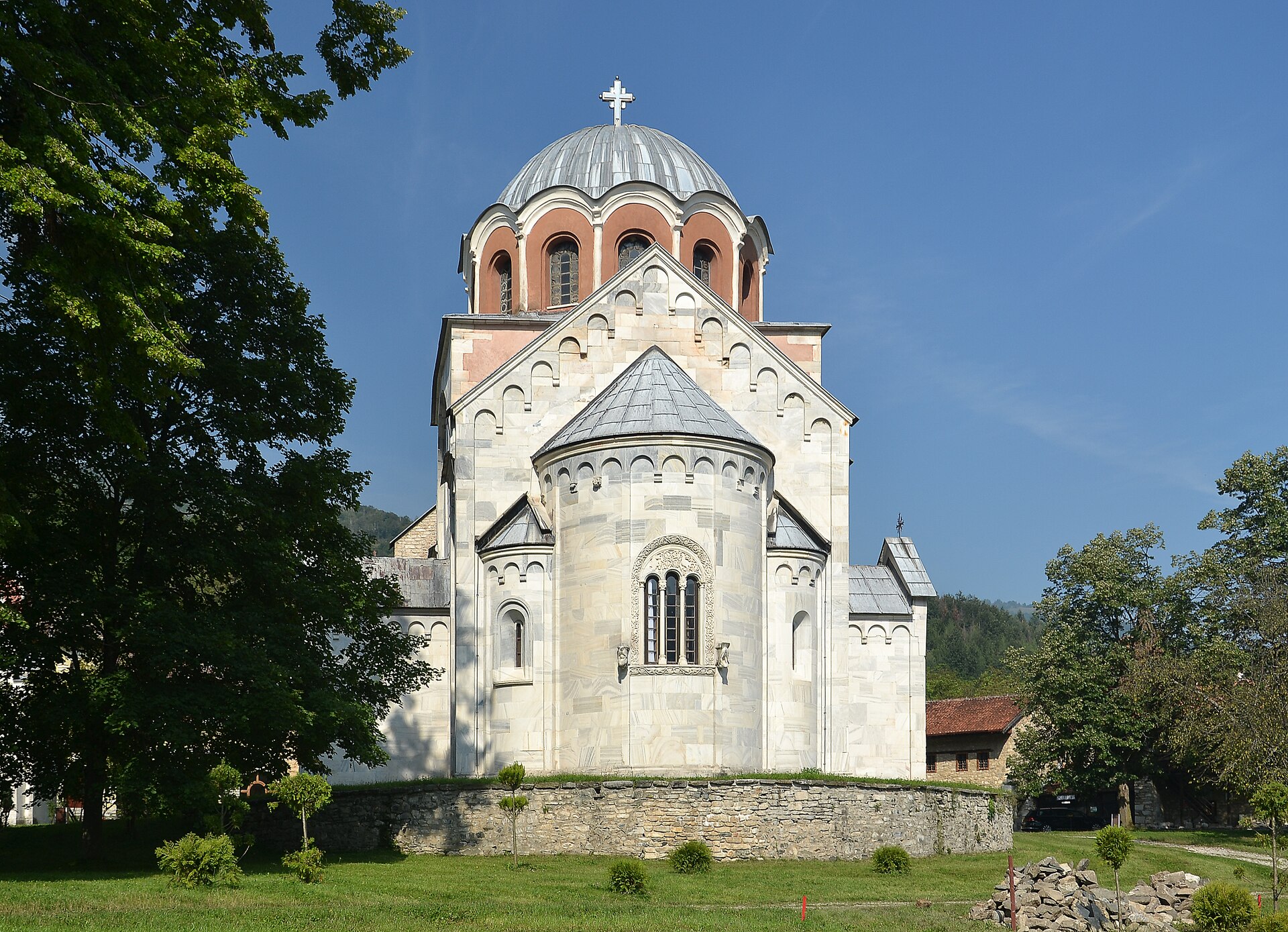
Studenica Monastery at a Glance
| Country | Serbia |
| Best time | May–June and September–October |
| Known for | UNESCO medieval monastery |
| Access | Kraljevo and the Ibar Highway |
Why Visit Studenica Monastery
Visit one of Serbia’s most important medieval monasteries, inscribed as a UNESCO World Heritage site in 1986.
Studenica combines white-marble Romanesque and Byzantine architecture with major medieval frescoes, including the Crucifixion fresco.
Overview
Studenica Monastery is a major Serbian medieval monastic foundation associated with the Nemanjić dynasty. Its white-marble churches, frescoes, and mountain setting make it a destination for heritage-focused travel.
Best Things to Do in Studenica Monastery
Studenica Monastery, the crown jewel of Serbian medieval monasticism and a UNESCO World Heritage site (inscribed 1986), stands as the most significant and beautiful of Serbia's medieval monasteries.
Exploring Studenica Monastery: Top Attractions & Hidden Gems
Founded around 1190 by Stefan Nemanja — the founder of the medieval Serbian state who later became Saint Simeon — Studenica is the mother church of all Serbian monasteries. Its main church, the Church of the Virgin (Bogorodičina Crkva), is a masterpiece of the Raška architectural school, blending Romanesque elements from the Adriatic coast with Byzantine domed construction.
Local Culture & Food in Studenica Monastery
The exterior is clad in luminous white marble and travertine, with richly carved portals, blind arcades, and rose windows reflecting Western Romanesque influence. The interior, by contrast, is quintessentially Byzantine: soaring domes, a marble iconostasis, and some of the finest 13th- and 14th-century frescoes in the Orthodox world.
🗓 Best Time to Visit
May-June and September-October for mild temperatures and vibrant forest colors. Arrive at 8 AM opening for the best light on the white marble exterior and the interior frescoes before the tour buses arrive around 10:30. Winter offers a dramatic, silent landscape with snow-capped domes but some facilities may be reduced. Avoid the week after Orthodox Easter when crowds of pilgrims arrive.
🍽 Food & Drink
Restoran Studenica (€6-14) at the monastery serves monastic-style Serbian cuisine — trout, lamb, and honey from the monastery's own hives. Etno Selo Kraljevi Konaci (€10-20) offers traditional grilled meats with kajmak. Kafana Kod Monaha (€8-16) serves mountain Serbian fare and wild mushroom soup. The monastery produces medonosni sir (honey-infused cheese), studenički med (wildflower honey), and homemade fruit rakija available at the gift shop. The Raška district is known for raška gibanica (layered cheese pie), mountain trout, and lamb roasted on a spit. Wild mushrooms (porcini, chanterelles) are foraged in the surrounding forests. Try Studenički čaj — a blend of wild mountain herbs harvested by the monastic community.
🚗 How to Get to Studenica Monastery by Bus, Car & Boat
210 km south of Belgrade (2.5-3h by car via Ibar Highway through Kraljevo). The monastery is 39 km from Kraljevo; the final 10 km is a winding mountain road — suitable for all vehicles in good weather, but slow. Direct buses from Belgrade to Kraljevo (3h, frequent), then local bus to Studenica (1h, limited frequency — check schedule in advance) or taxi (30 min, €20-30). Organized tours from Belgrade and Kraljevo are recommended for first-time visitors. Note that public transport to the monastery is very limited on Sundays and holidays.
🏨 Where to Stay
Hotel Botaničar (from €45) in nearby Kraljevo. Guesthouse Studenica (from €30) near the monastery entrance. Hotel Kraljevo (from €50) in the city center offers more amenities. For a unique experience, the monastery guesthouse (by donation) accepts pilgrims. Day trips from Belgrade are common but staying in Kraljevo allows morning access before the crowds.
Find a stay in Studenica Monastery
Compare apartments, guesthouses, and vacation rentals while you finalize your route. Flexible cancellation can help when drive times or border plans change.
Browse stays in Studenica Monastery on Vrbo →Accessibility
- The final 10 km to the monastery follows a winding mountain road; the page describes it as suitable for all vehicles in good weather but slow.
- Public transport is limited: buses run to Kraljevo, followed by a limited local bus or taxi to Studenica.
- The page does not specify step-free access to the churches or interiors; confirm arrangements before visiting.
Common Mistakes
- Treating the final mountain road as a quick transfer from Kraljevo.
- Arriving without checking the limited local bus connection.
- Planning only for the exterior and overlooking the monastery’s frescoes.
- Visiting during a busy pilgrimage period without allowing extra time.
Photography
- Use the white-marble exterior and domes as architectural subjects in the early light.
- Look for the Crucifixion fresco, while following the monastery’s photography rules.
- Frame the monastery against its mountain setting without disturbing worshippers.
- Serbia regulates drones — check current registration and flight rules with the Civil Aviation Directorate of the Republic of Serbia before flying.
Etiquette
- Dress respectfully inside this active religious site.
- Keep voices low near churches and services.
- Follow any monastery instructions about photography.
- Stay on appropriate paths and do not touch historic surfaces.
- Give pilgrims and residents priority around the monastery.
Frequently Asked Questions
When is the best time to visit Studenica?
May-June and September-October for mild temperatures, vibrant forest colors, and fewer visitors. Arrive at 8 AM opening for the best light on the white marble exterior. Avoid the week after Orthodox Easter (movable, April-May) when crowds of pilgrims arrive.
How do I get to Studenica Monastery?
210 km south of Belgrade (2.5-3h by car via Ibar Highway through Kraljevo). The monastery is 39 km from Kraljevo — the final 10 km is a winding mountain road. Buses from Belgrade to Kraljevo (3h, frequent), then local bus to Studenica (1h, limited frequency) or taxi (30 min, 20-30 EUR).
What is the most famous fresco at Studenica?
The Crucifixion fresco (ca. 1208) on the western wall — a monumental, emotionally powerful depiction of Christ's crucifixion with the Virgin Mary swooning at the foot of the cross. It is widely considered one of the greatest achievements of Byzantine-influenced wall painting.
Why is Studenica a UNESCO site?
Inscribed in 1986 under Criteria I, III, IV, and VI as a masterpiece of cultural heritage. It's the most important monastic foundation of the Nemanjić dynasty (the founding dynasty of medieval Serbia), featuring a unique blend of Romanesque and Byzantine architecture in white marble, and world-class frescoes.
🗺️ Build a route around Studenica Monastery: Add Studenica Monastery to my itinerary. It opens the planner with this stop selected, so you can add nearby places and set the trip length.
Plan your budget
For country-level budget ranges and planning assumptions, see the Balkan travel costs guide.