
Belgrade
Belgrade at a Glance
| Country | Serbia |
| Best time | April–October |
| Recommended stay | 1–2 Days |
| Top highlight | Capital City |
| Transit hub | Regional bus network |
Why Visit Belgrade
See Kalemegdan Fortress where the Sava and Danube meet.
Walk Skadarlija, the Old Town, and the riverside districts.
Combine the city’s long history with museums, cafés, and evening culture.
Best Things to Do in Belgrade
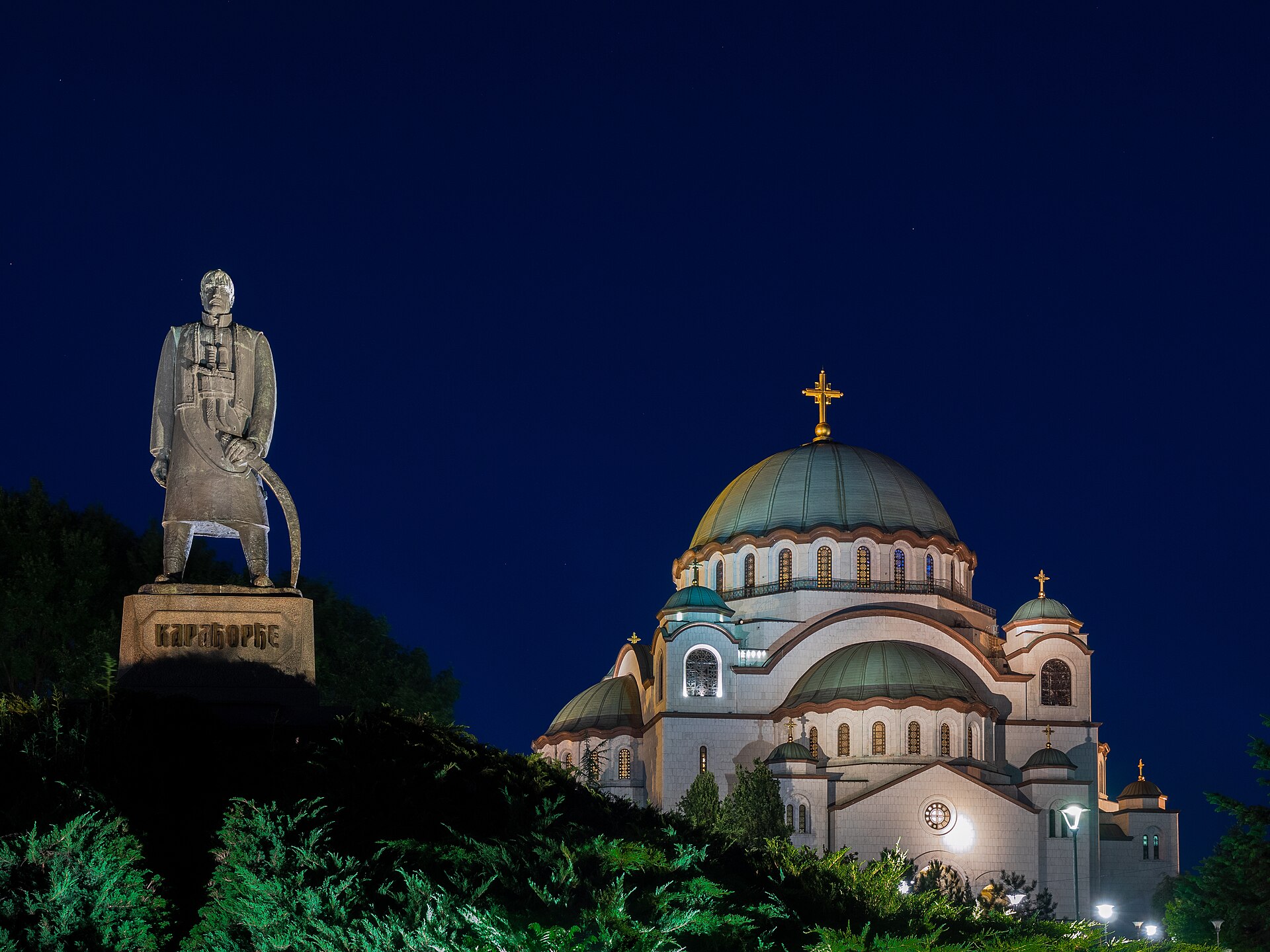
The lively capital where the Sava and Danube rivers meet, Belgrade is active day and night. As one of Europe's oldest continuously inhabited cities, with roots stretching back to the 3rd century BC when the Celtic tribe of Scordisci founded Singidunum, Belgrade has risen from countless conflicts — surviving over 115 wars and being razed to the ground 44 times — to become a dynamic metropolis that seamlessly blends centuries of history with cutting-edge modernity. From the historic Kalemegdan Fortress, which has watched over the river confluence for over two millennia and now houses a military museum, tennis courts, and winding park paths, to the bohemian cobblestone streets of Skadarlija where musicians still perform traditional Serbian folk music in historic kafanas, the city rewards exploration at every turn. See the Temple of Saint Sava, one of the largest Orthodox churches in the world, its white marble and soaring copper-clad domes dominating the Vračar plateau; the magnificent mosaic of Christ Pantocrator in the central dome is a modern masterpiece.
Exploring Belgrade: Top Attractions & Hidden Gems
Visit the genius of Nikola Tesla at the museum dedicated to the inventor whose alternating current system powers the entire modern world — the museum displays his original equipment and a working Tesla coil. Stroll through the pedestrian Knez Mihailova Street, lined with nineteenth-century buildings housing chic boutiques and cafes. As dusk falls, head to the famous splavovi — floating river clubs on the Sava and Danube — where Belgrade's legendary nightlife comes alive with music, dancing, and river breezes lasting until sunrise. The bohemian quarter of Skadarlija offers traditional kafanas serving local specialties like ćevapi, sarma, and rakija with live brass band music.
Local Culture & Food in Belgrade
Belgrade works best in layers. Use Kalemegdan and the confluence for the city’s broadest view, then walk Knez Mihailova into the central streets rather than treating the fortress as a separate stop. Save Skadarlija for an evening meal if you want the old kafana atmosphere; choose Dorćol or Savamala when you want galleries, cafés and a more current feel. Ada Ciganlija is worthwhile in warm weather, but it is a separate half-day rather than a quick central detour.
🗓 Best Time to Visit
Late April to June and September to October are the easiest months for walking, riverside time and outdoor tables. July and August can be very hot; use the morning for Kalemegdan or the centre and plan museums, cafés or the river later. Winter is colder but suits a city break if you are happy to make food, nightlife and indoor sights the focus. Check festival and event dates before booking: large weekends can change both room prices and the feel of central neighbourhoods.
🍽 Food & Drink
For a first meal, order grilled meat, kajmak and a salad at a traditional kafana, then balance it with bakeries, coffee and the city’s newer wine-bar or bistro scene. Skadarlija is atmospheric but can be more expensive; Dorćol and the streets off Knez Mihailova give more range. If you are only in town for a night, do not chase every classic: choose one proper Serbian meal and leave time for a riverside drink or a walk through the centre.
🚗 How to Get to Belgrade by Bus, Car & Boat
By air: The city's international airport connects to major European hubs with frequent flights. By train: The central station links to domestic and international routes. By bus: Long-distance coaches serve all major cities in the region. Getting around: Public transport (metro/bus/tram) covers the city well. Taxis and ride-sharing apps are available. Walking is often the best way to visit the historic center. In Belgrade, the bus/tram/trolley network is extensive. Taxis are affordable — use CarGo or Yandex. Taxi apps rather than hailing from the street (scams are common). The BG: metro is being built — not yet operational.
🥘 Where to Eat in Belgrade: Authentic Local Cuisine
As the capital, Belgrade has Serbia's most diverse dining scene, ranging from traditional restaurants (konobe/mehane) serving authentic local recipes to innovative fine dining establishments and international cuisine. The old town and central squares are dotted with atmospheric restaurants where you can sample regional specialties in historic settings. For the most authentic experience, head to the traditional restaurant districts where menu boards feature local classics. Street food markets and bakeries offer quick, affordable eats — perfect for sampling local pies, grilled meats, and pastries on the go. The city's modern neighborhoods have embraced the farm-to-table movement, with many restaurants highlighting seasonal local ingredients. Wine bars are increasingly popular, which offers curated selections of local wines paired with cheese and charcuterie boards. For the best value, look for lunch specials (menu of the day) which typically include a soup, main course, and salad at a fraction of dinner prices. Serbian cuisine is meat-centric and hearty — ćevapi, pljeskavica, sarma, kajmak, and rakija are staples, with excellent wines from Fruška Gora and Negotin.
🏨 Best Hotels in Belgrade
As Serbia's capital, Belgrade offers many accommodation from luxurious international chains to charming boutique hotels in the historic center. For a central stay, look for hotels near the main squares and pedestrian streets — you'll be within walking distance of the top attractions, restaurants, and nightlife. Mid-range hotels in the city center offer excellent value compared to Western European capitals, often including breakfast and which offers modern amenities. Budget travelers will find well-run hostels and affordable private apartments, particularly in the neighborhoods a short metro or tram ride from downtown. For those seeking a quieter atmosphere, consider staying in the residential quarters or near the city's main park area, where you'll find more space and local charm. Many hotels offer airport transfers and tour desk services, making arrival and day trips easy to arrange. Serbia offers excellent value accommodation from boutique hotels in Belgrade to traditional guesthouses in Zlatibor and affordable city-center hotels in Novi Sad and Niš.
Find a stay in Belgrade
Compare apartments, guesthouses, and vacation rentals while you finalize your route. Flexible cancellation can help when drive times or border plans change.
Browse stays in Belgrade on Vrbo →Accessibility
- Central attractions include cobbles, park paths, and historic structures with varying surfaces.
- Confirm step-free entry at the fortress, museums, and religious buildings.
- Allow rest and shade in warmer months.
Common Mistakes
- Trying to cover fortress, Old Town, and both rivers in one rushed day.
- Assuming every historic building has modern access.
- Entering churches without checking dress expectations.
- Missing the difference between Skadarlija and the riverside districts.
Photography
- Use Kalemegdan for the river-confluence view.
- Look for layers of fortress walls, park paths, and water.
- Photograph Skadarlija respectfully, especially around restaurants.
- Serbia regulates drones — check current registration and flight rules with the Civil Aviation Directorate of the Republic of Serbia before flying.
Etiquette
- Dress modestly in churches.
- Ask before photographing people.
- Follow museum and fortress rules.
- Keep pedestrian routes clear.
- Respect residents in nightlife areas.
Frequently Asked Questions
When is the best time to visit Belgrade?
The best time to visit Belgrade is April-June or September-October when temperatures are pleasant (18-28°C / 64-82°F) and the city's legendary nightlife is in full swing alongside outdoor festivals. July-August is hot but the splavovi (river clubs) keep things cool. December brings Christmas markets. Winter is cold but the kafana taverns are cozy.
How do I get to Belgrade?
Belgrade Nikola Tesla Airport (BEG) is 18 km from the city center with mini-bus line A1 and public bus connections. Belgrade is a major hub with direct trains to Budapest, Zagreb, and Bar (Montenegro). Buses serve all Balkan capitals. The city center is walkable with an efficient tram and bus network.
How many days do you need in Belgrade?
3-4 days is ideal for Belgrade: one day for Kalemegdan Fortress and Knez Mihailova, one day for Zemun and the Danube, one night for splavovi (river clubs), and a day for museums and the Temple of St. Sava.
What are the top attractions in Belgrade?
Kalemegdan Fortress with panoramic views of the Danube-Sava confluence, Knez Mihailova Street (pedestrian shopping zone), the Temple of St. Sava (one of the world's largest Orthodox churches), the Bohemian Skadarlija quarter, and Zemun with its Austro-Hungarian charm.
🗺️ Build a route around Belgrade: Add Belgrade to my itinerary. It opens the planner with this stop selected, so you can add nearby places and set the trip length.
Plan your budget
For country-level budget ranges and planning assumptions, see the Balkan travel costs guide.