
Smederevo Fortress
Smederevo Fortress at a Glance
| Country | Serbia |
| Setting | Danube right bank |
| Built | 1428–1430 |
| Known for | 25 towers and 1.5 km of defensive walls |
Why Visit Smederevo Fortress
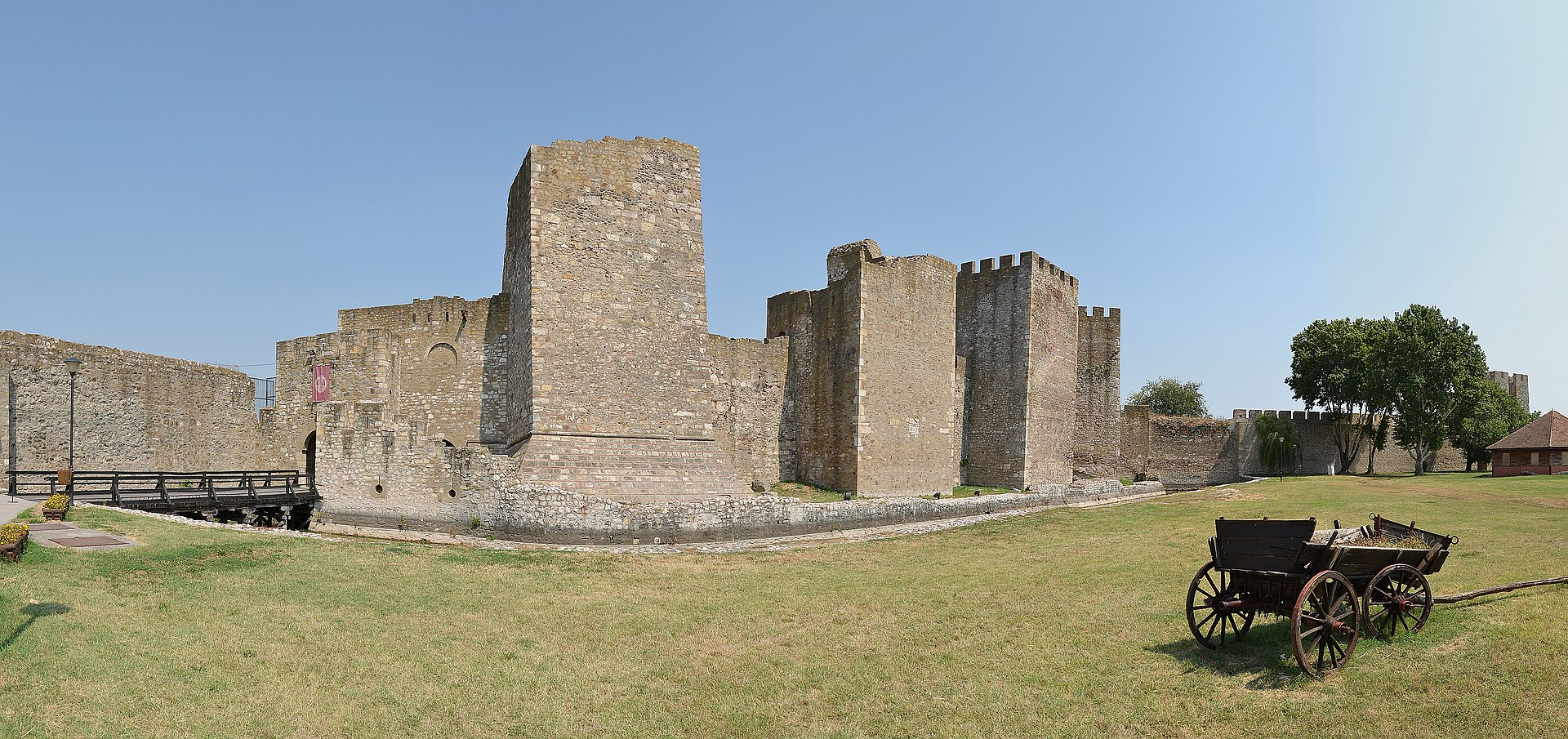
Smederevo Fortress was built as the capital of the Serbian Despotate between 1428 and 1430.
Its triangular layout, 25 towers, and long Danube-facing walls show the scale of the last independent medieval Serbian state before the Ottoman conquest.
Best Things to Do in Smederevo Fortress
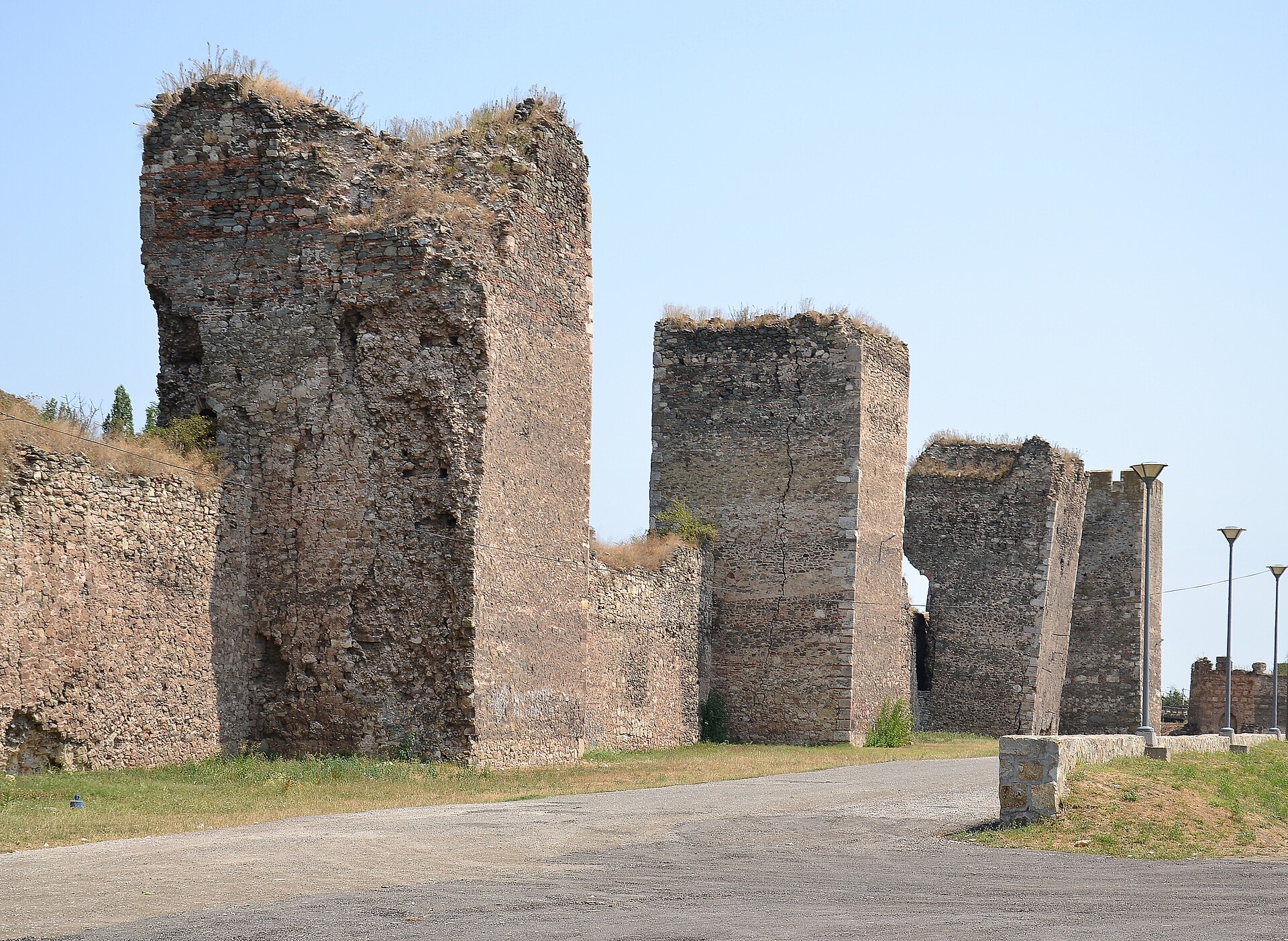
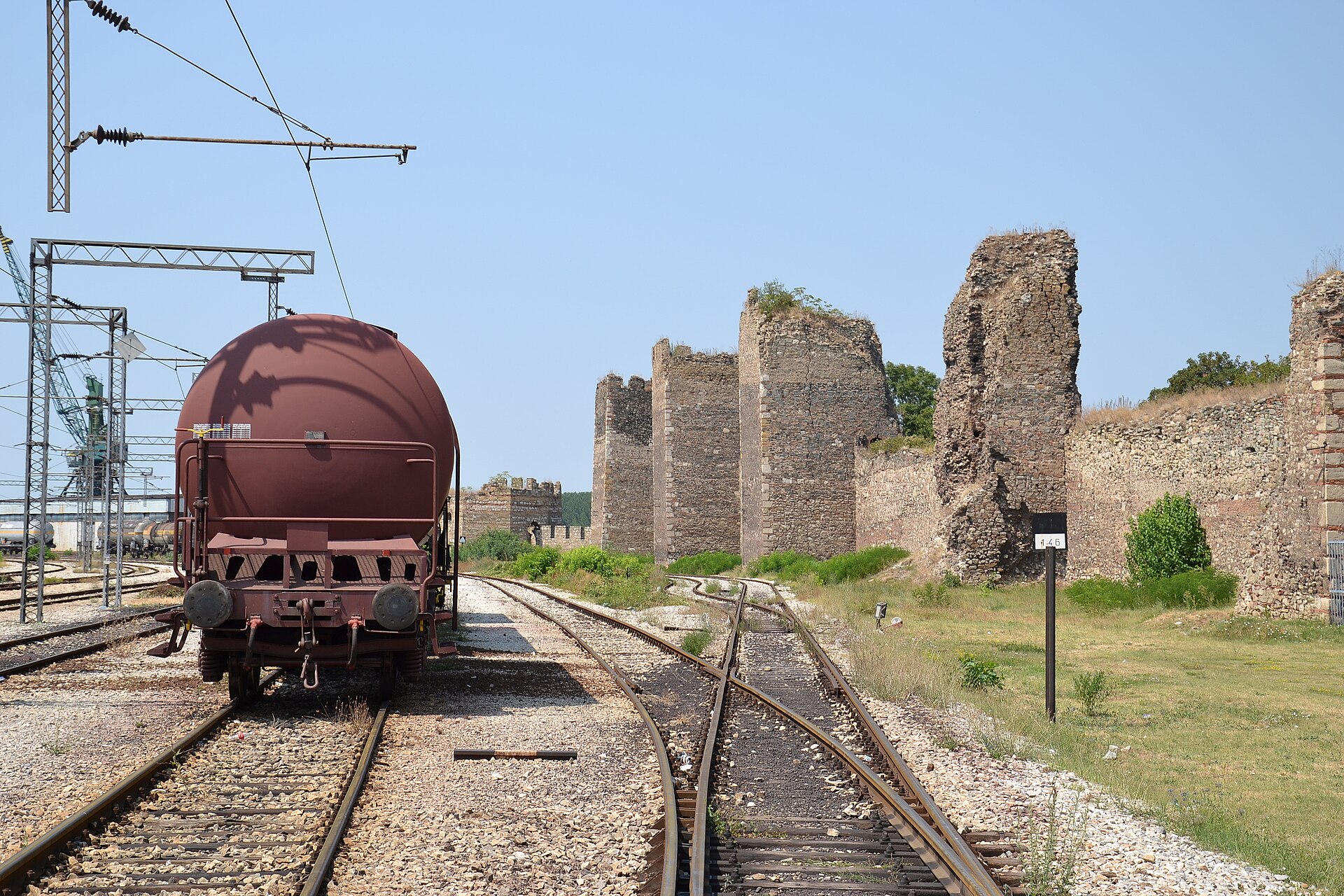
One of the largest lowland fortresses in Europe, Smederevo Fortress was built between 1428 and 1430 as the new capital of the Serbian Despotate under Despot Đurađ Branković, who ruled the last independent Serbian state before the Ottoman conquest. Its imposing triangular layout covers over 11 hectares of land and features 25 massive towers and defensive walls stretching nearly 1.5 kilometers along the right bank of the Danube River, making it one of the largest medieval fortifications in Europe by sheer dimensions. The fortress was designed to be the ultimate stronghold of the medieval Serbian state, incorporating the most advanced military architecture of its time, with walls up to 4 meters thick in places and towers designed for artillery defense against the Ottoman cannon.
Exploring Smederevo Fortress: Top Attractions & Hidden Gems
The main tower (Despot's Tower), standing over 20 meters tall, rises dramatically above the walls and offers panoramic views of the Danube and the surrounding agricultural plains stretching toward the horizon. Despite being partially destroyed by a massive ammunition explosion during World War II in 1941 that obliterated much of the interior structures and damaged several towers, the fortress remains an impressive and imposing monument to Serbian medieval statehood. Walk the entire perimeter of the walls to fully appreciate the scale and strategic genius of the fortifications — the full circuit takes about an hour and is well worth the effort. Inside the walls, you can visit the remains of the palace, the treasury building, residential quarters, and a small church.
Local Culture & Food in Smederevo Fortress
The on-site lapidarium displays stone monuments, capitals, and architectural fragments from the fortress's long history. Smederevo hosts the Smederevo Autumn festival in September, with medieval reenactments, knight tournaments in full armor, archery contests, falconry demonstrations, and traditional craft fairs that bring the fortress brilliantly to life. The town itself, with its riverfront promenade and historic core, is also the center of Serbia's most important wine region — the local Smederevka white wine grape has been cultivated here since Roman times. Combine the fortress visit with wine tasting at nearby vineyards for a perfect Danube-side day trip, just 45 kilometers downstream from Belgrade.
🗓 Best Time to Visit
April to October. Serbia experiences warm summers and cold winters. The cities are best April-June and September-October. The Danube and Sava riverside activities peak in summer. Skiing at Kopaonik and Zlatibor runs December-March. The EXIT festival in Novi Sad draws visitors in early July.
🍽 Food & Drink
Eating in Smederevo Fortress centers around traditional family recipes and regional ingredients — historic stone buildings house traditional restaurants where you can taste local recipes passed down through generations. Local dishes include: pljeskavica (stuffed grilled burger patty — the 'Serbian hamburger'), ćevapi (grilled minced meat sausages), sarma (stuffed cabbage), kajmak (creamy dairy spread), and prebranac (baked beans). For drinks, try rakija (Šljivovica plum brandy is the national drink), Serbian wines (Smederevka, Prokupac, and Bermet from Sremski Karlovci), and Jelen or Lav beers.
🚗 How to Get to Smederevo Fortress by Bus, Car & Boat
By car: Well-connected by regional roads. Parking is available on the outskirts. By bus: Regular bus services from the nearest cities. Walking: Smederevo Fortress is compact and best explored on foot. In Belgrade, the bus/tram/trolley network is extensive. Taxis are affordable — use CarGo or Yandex. Taxi apps rather than hailing from the street (scams are common). The BG: metro is being built — not yet operational.
🥘 Where to Eat in Smederevo Fortress: Authentic Local Cuisine
While Smederevo Fortress itself may not have extensive dining options, the nearby towns and villages offer excellent restaurants serving traditional regional cuisine. Many historical sites have a cafe or snack bar for light refreshments, but the real culinary experiences await in the surrounding settlements. Look for traditional konobe (taverns) and family-run restaurants where recipes have been passed down through generations. These establishments often use ingredients sourced from local farms and producers — fresh cheeses, cured meats, seasonal vegetables, and artisan breads. For a memorable experience, book a table at a restaurant with views overlooking the historical site, especially at sunset when the ancient stones glow golden. Local wineries near archaeological sites often offer tastings paired with regional specialties. Pack a picnic to enjoy on the grounds of the site itself — there's something special about eating surrounded by millennia of history. Serbian cuisine is meat-centric and hearty — ćevapi, pljeskavica, sarma, kajmak, and rakija are staples, with excellent wines from Fruška Gora and Negotin.
🏨 Best Hotels Near Smederevo Fortress
Accommodation options vary by season and location. Book ahead for summer weekends and major local events.
Find a stay in Smederevo Fortress
Compare apartments, guesthouses, and vacation rentals while you finalize your route. Flexible cancellation can help when drive times or border plans change.
Browse stays in Smederevo Fortress on Vrbo →Accessibility
- The page describes Smederevo Fortress as compact and best explored on foot, with parking available on the outskirts.
- The fortress covers more than 11 hectares, so allow time for outdoor walking along its walls and towers.
- The page does not specify step-free access for every section; confirm current conditions if that is important for your visit.
Common Mistakes
- Underestimating the fortress’s 11-hectare footprint and 1.5 km of walls.
- Expecting a small single-tower site instead of a large triangular fortification.
- Assuming every wall or tower is open to visitors.
- Visiting without allowing time for the Danube-side setting and defensive layout.
Photography
- Use the triangular layout and repeated towers to communicate the fortress’s scale.
- Frame the Danube-facing walls from the river side where permitted.
- Look for masonry and defensive details without climbing restricted structures.
- Serbia regulates drones — check current registration and flight rules with the Civil Aviation Directorate of the Republic of Serbia before flying.
Etiquette
- Stay on marked visitor routes.
- Do not climb walls or touch historic masonry.
- Follow staff instructions around restricted areas.
- Keep the site free of litter.
- Keep voices low near other visitors and local events.
Frequently Asked Questions
When is the best time to visit Smederevo Fortress?
April to October. Serbia experiences warm summers and cold winters. The cities are best April-June and September-October. The Danube and Sava riverside activities peak in summer. Skiing at Kopaonik and Zlatibor runs December-March. The EXIT festival in Novi Sad draws visitors in early July.
How do I get to Smederevo Fortress?
By car: Well-connected by regional roads. Parking is available on the outskirts. By bus: Regular bus services from the nearest cities. Walking: Smederevo Fortress is compact and best explored on foot. In Belgrade, the bus/tram/trolley network is extensive. Taxis are affordable — use CarGo or Yandex.
How many days do you need in Smederevo Fortress?
A visit to Smederevo Fortress can be tailored to your interests. One of the largest lowland fortresses in Europe, Smederevo Fortress was built between 1428 and 1430 as the new capital of the Serbian Despotate under Despot Đurađ Branković, who ruled the last indepen.
What is Smederevo Fortress known for?
One of the largest lowland fortresses in Europe, Smederevo Fortress was built between 1428 and 1430 as the new capital of the Serbian Despotate under Despot Đurađ Branković, who ruled the last independent Serbian state before the Ottoman conquest.
Where should I stay in Smederevo Fortress?
While Smederevo Fortress itself is primarily a heritage attraction, the nearest town or city offers a range of accommodation options to suit every budget. Look for hotels and guesthouses that provide easy access to the site — many offer shuttle services or are within walking distance.
🗺️ Build a route around Smederevo Fortress: Add Smederevo Fortress to my itinerary. It opens the planner with this stop selected, so you can add nearby places and set the trip length.
Plan your budget
For country-level budget ranges and planning assumptions, see the Balkan travel costs guide.