⏱
Recommended Stay
1–2 Days
📅
Best Time to Visit
April–June · September–October
🏰
Top Highlight
Cave
🚌
Transit Hub
Regional bus network
Best Things to Do in Resava Cave
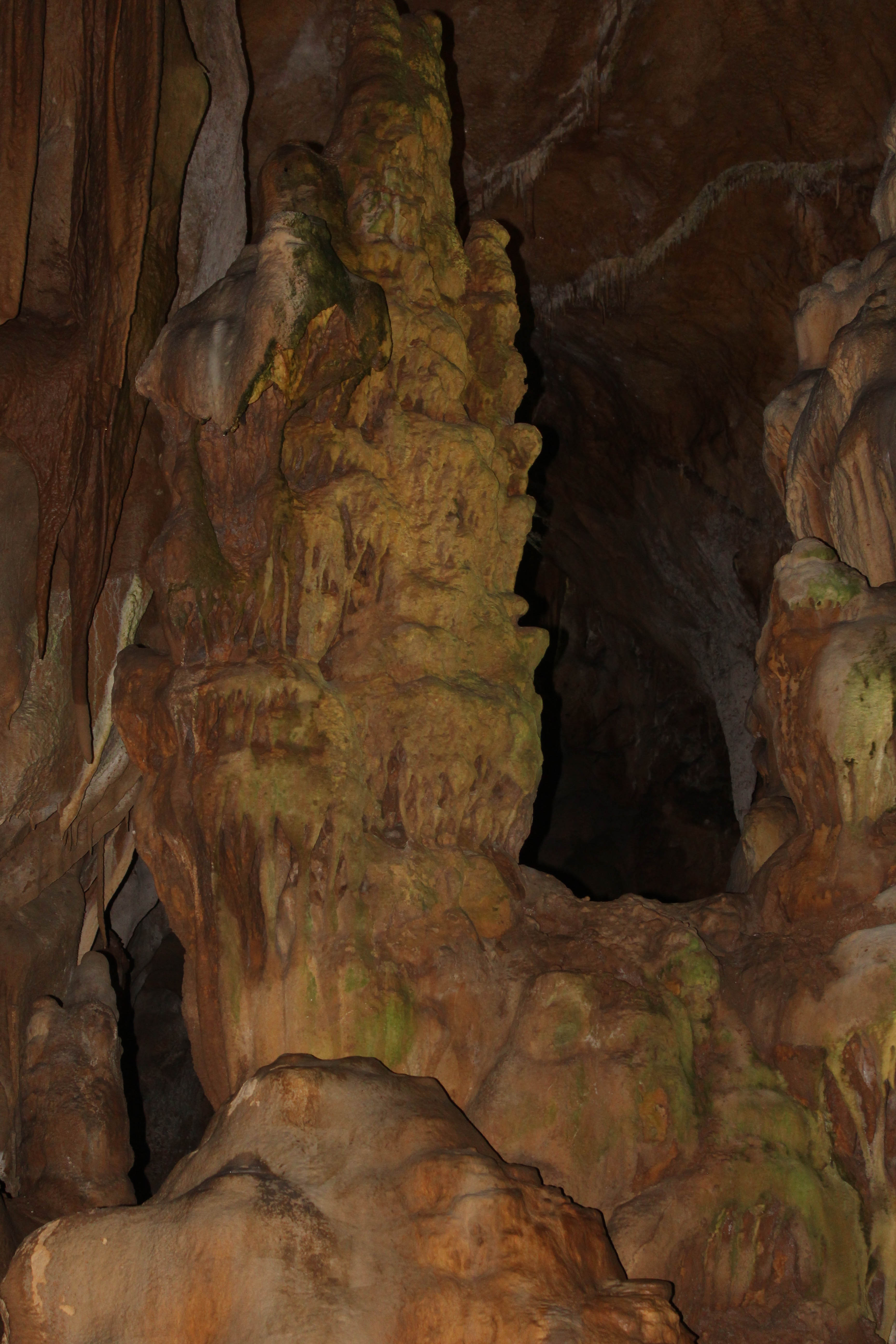
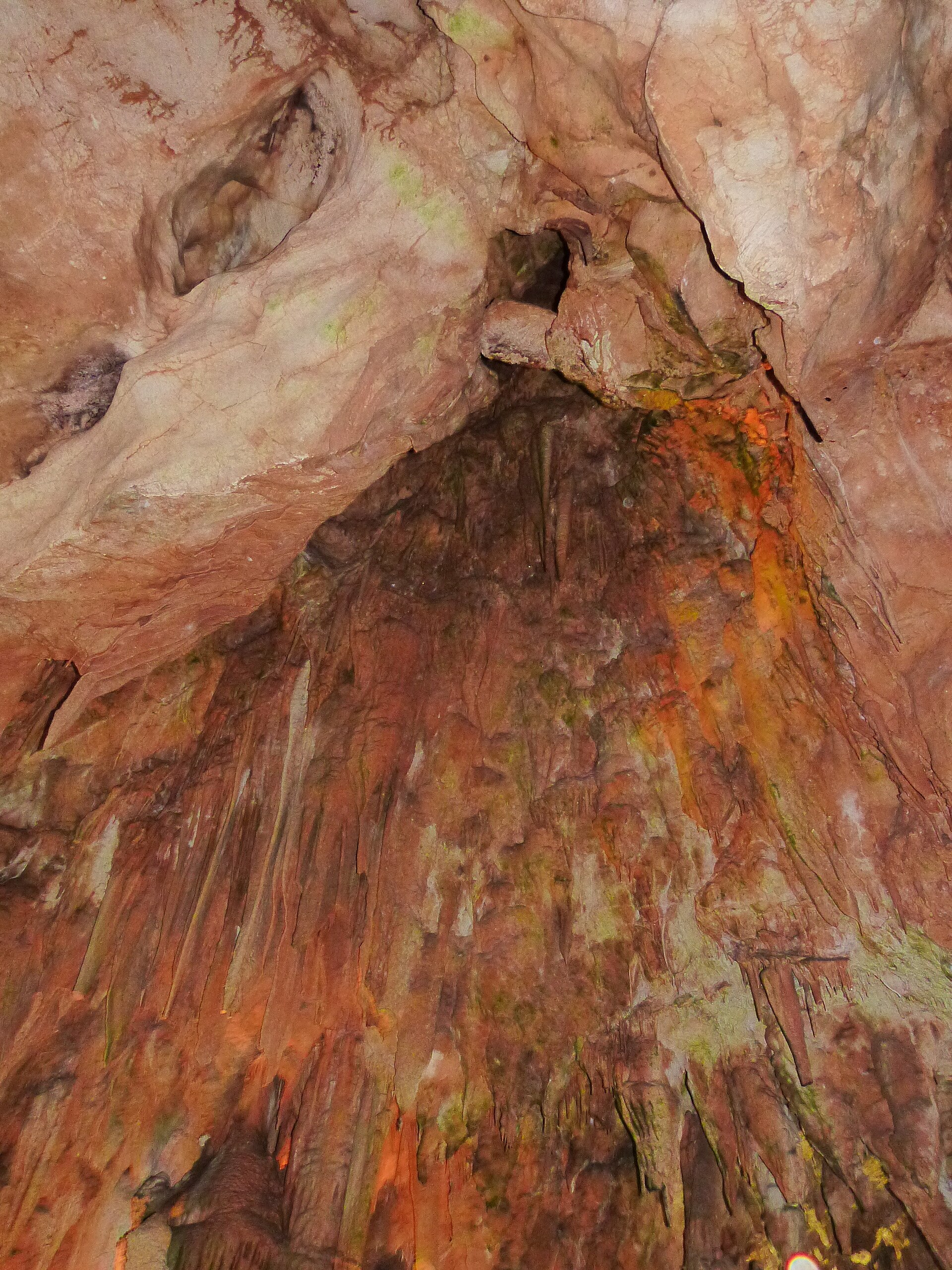
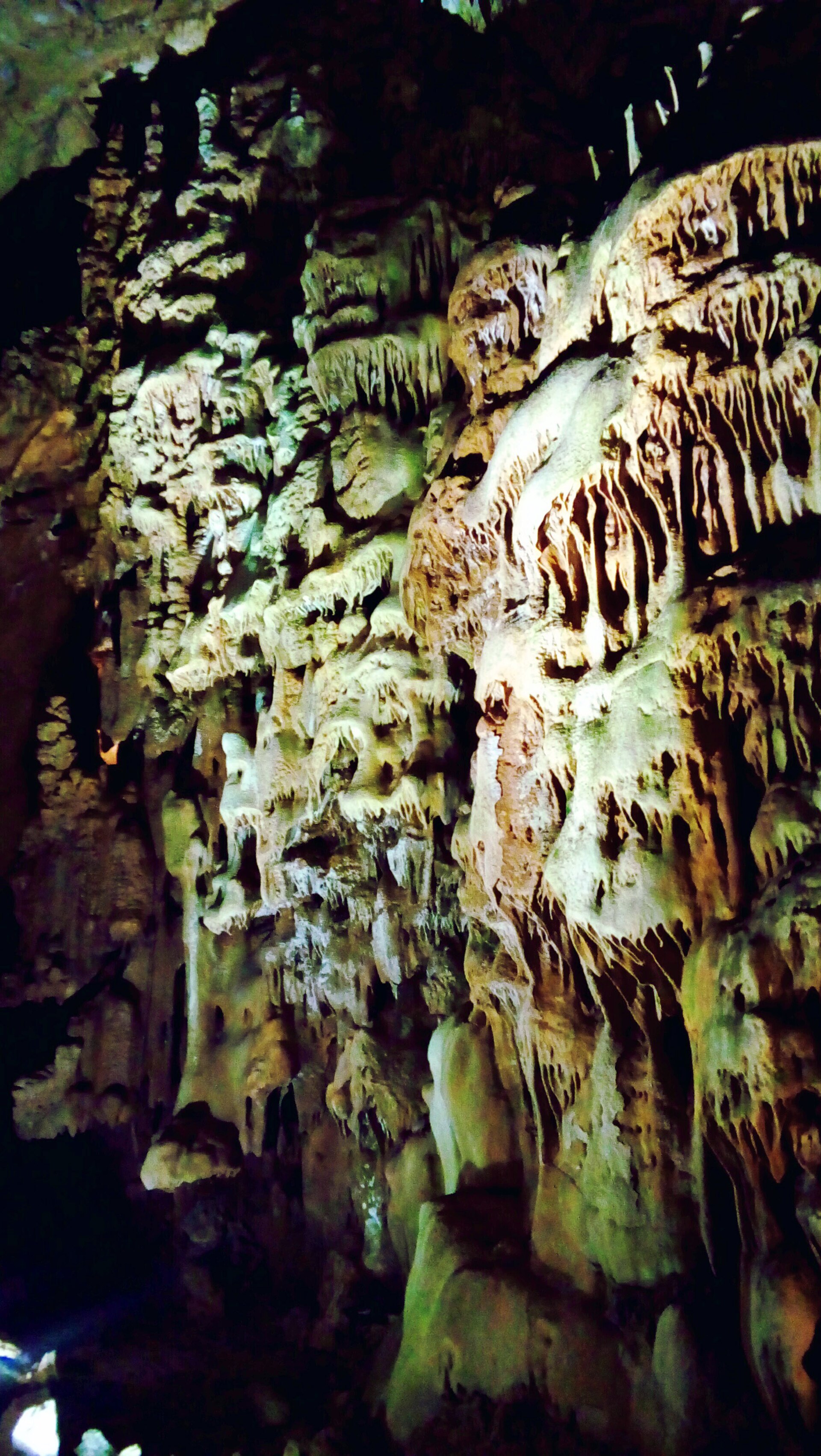
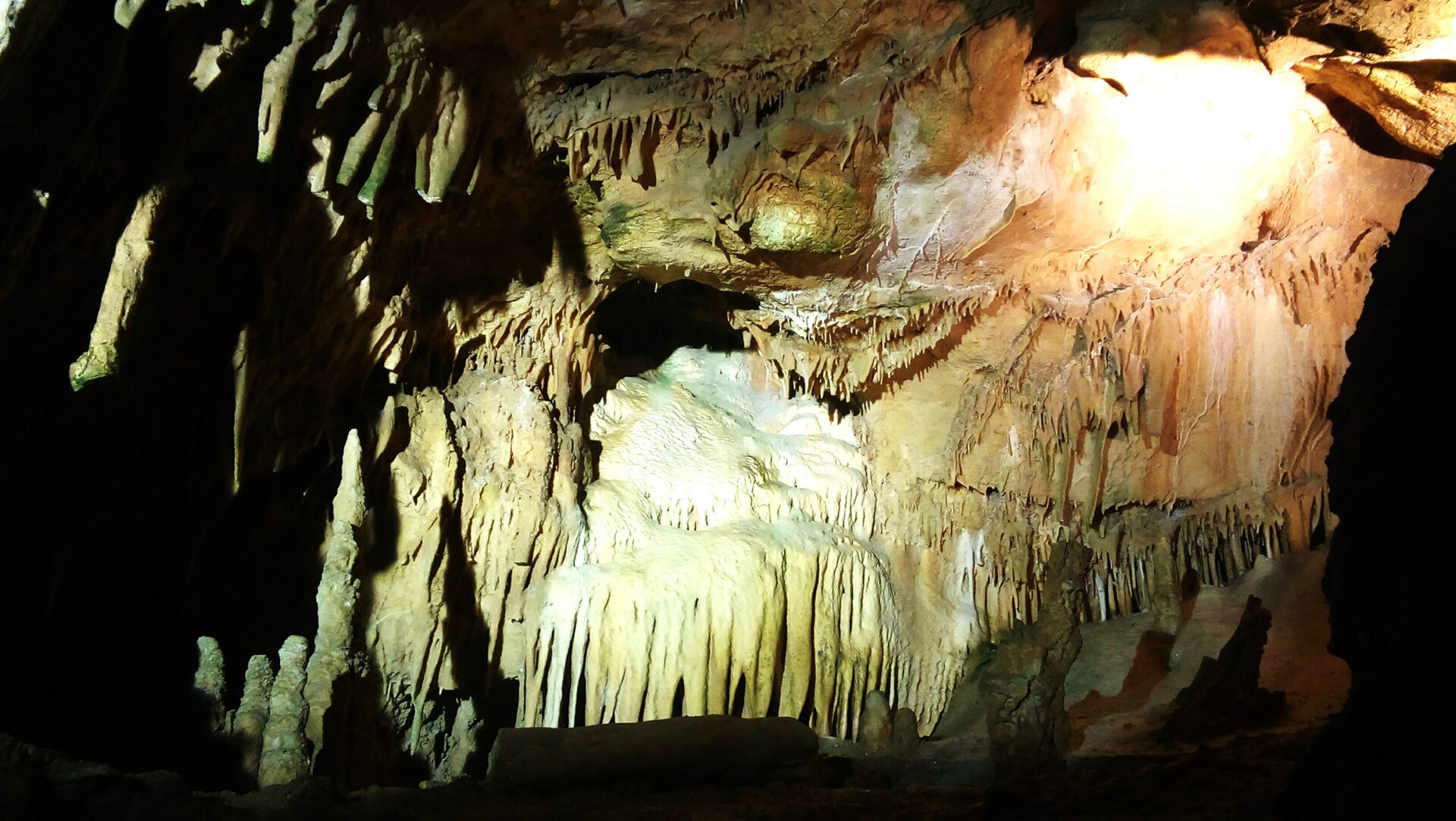
One of the largest and most beautifully decorated caves in Serbia, Resava Cave (also known as Risovača Cave) stretches an impressive 4.5 kilometers through the limestone heart of Mount Beljanica in eastern Serbia, with 800 meters of carefully illuminated pathways and walkways open to visitors. Discovered by chance in 1962 during quarrying operations and opened to the public a decade later in 1972, this spectacular karst cave system is renowned for the extraordinary variety, density, and exceptional preservation of its cave formations. The cave features an astonishing display of stalactites, stalagmites, columns, flowstones, cave curtains, and rare aragonite crystal formations that have developed over millions of years through the slow, patient deposition of calcium carbonate from mineral-rich water.
Exploring Resava Cave: Top Attractions & Hidden Gems
Among the most famous named formations are the 'Underground Throne,' a towering stalagmite resembling a royal seat, the 'Petrified Waterfall,' a massive flowstone cascade frozen in stone, the 'Cave Organ,' a cluster of stalactites that produce musical tones when struck, and the 'Mother and Child,' a touching natural sculpture. The cave maintains a constant temperature of 8°C (46°F) year-round with nearly 100% humidity, making it a refreshing escape from the summer heat but requiring warm clothing at all times. The 45-minute guided tour follows well-maintained, well-lit concrete pathways through enormous chambers connected by narrower passages, with knowledgeable guides providing informative commentary on the geological history, the slow process of speleothem formation, and the fascinating story of the cave's discovery.
Local Culture & Food in Resava Cave
Above ground, the surrounding area offers beautiful hiking trails through the Resava River valley, and the nearby Manasija Monastery — a magnificent 15th-century fortress-monastery built by Despot Stefan Lazarević with remarkably preserved frescoes — is well worth combining with a cave visit. The broader Resava region is also known for its trout farms and traditional restaurants serving freshly caught river fish prepared in the local style. The cave is accessible to most visitors with average mobility, though the constant temperature and humidity require appropriate clothing and footwear. Resava Cave provides an unforgettable underground adventure showcasing nature's patient artistic mastery over geological deep time.
🗓 Best Time to Visit
Year-round. Serbia experiences warm summers and cold winters. The cities are best April-June and September-October. The Danube and Sava riverside activities peak in summer. Skiing at Kopaonik and Zlatibor runs December-March. The EXIT festival in Novi Sad draws visitors in early July.
🍽 Food & Drink
Serbian cuisine is hearty and meat-centric, known for grilled dishes, slow-cooked stews, exceptional dairy products, and the convivial tradition of lengthy meals. Local dishes include: pljeskavica (stuffed grilled burger patty — the 'Serbian hamburger'), ćevapi (grilled minced meat sausages), sarma (stuffed cabbage), kajmak (creamy dairy spread), and prebranac (baked beans). For drinks, try rakija (Šljivovica plum brandy is the national drink), Serbian wines (Smederevka, Prokupac, and Bermet from Sremski Karlovci), and Jelen or Lav beers.
🚗 How to Get to Resava Cave by Bus, Car & Boat
Buses are the most extensive domestic network. Trains (Srbija Voz) have improved — the Belgrade-Novi Sad line is modern (35 minutes). Car rental is affordable. The highway network connects Belgrade, Novi Sad, Niš, and Subotica. In Belgrade, the bus/tram/trolley network is extensive. Taxis are affordable — use CarGo or Yandex. Taxi apps rather than hailing from the street (scams are common). The BG: metro is being built — not yet operational.
🥘 Where to Eat in Resava Cave: Authentic Local Cuisine
Dining options around Resava Cave range from mountain huts and park cafes serving hearty snacks and hot meals to restaurants in nearby villages specializing in traditional local cuisine. Packing a picnic is a wonderful option — local markets in the nearest towns offer fresh bread, local cheeses, cured meats, and seasonal fruit that make for an unforgettable al fresco lunch surrounded by nature. Many park entrances have basic cafes serving coffee, pastries, and simple hot meals. The villages around the park are where you'll find the best traditional restaurants, often using ingredients sourced from the surrounding forests and farms. In season, look for wild mushroom dishes, game stews, foraged greens, and local dairy products. Spring water fountains are common in most natural areas, so bring a reusable bottle to fill up. If staying at a mountain lodge, be sure to try their home-cooked dinner — these family-run establishments take pride in their local recipes. Serbian cuisine is meat-centric and hearty — ćevapi, pljeskavica, sarma, kajmak, and rakija are staples, with excellent wines from Fruška Gora and Negotin.
🏨 Best Hotels Near Resava Cave
While Resava Cave itself is a natural wonder with limited accommodation inside its boundaries, the surrounding areas offer a range of places to stay. The nearest towns and villages provide everything from cozy guesthouses run by local families to comfortable hotels with modern amenities. For nature lovers, eco-lodges and mountain cabins offer the chance to sleep surrounded by forest, waking up to birdsong and fresh mountain air. Many of these accommodations provide packed lunches for day trips into the park, as well as guided tour arrangements and equipment rental. Camping facilities are available nearby for those seeking a more immersive outdoor experience. Book well in advance during peak season (June-September), as accommodation near popular natural attractions fills quickly. Staying nearby also means you can arrive at the park entrance before the crowds, enjoying the trails in peaceful morning light. Serbia offers excellent value accommodation from boutique hotels in Belgrade to traditional guesthouses in Zlatibor and affordable city-center hotels in Novi Sad and Niš.
Find a stay in Resava Cave
Compare apartments, guesthouses, and vacation rentals while you finalize your route. Flexible cancellation can help when drive times or border plans change.
Browse stays in Resava Cave on Vrbo →Tips for Resava Cave: (1) Wear warm clothing and comfortable shoes — the cave stays at a constant 8°C (46°F) year-round regardless of outside temperature. (2) The 45-minute guided tour covers the most impressive sections with well-lit pathways — photography is allowed but a tripod may be useful for low-light shots. (3) Combine your visit with the nearby Manasija Monastery, a 15th-century fortress-monastery with beautiful frescoes just a 15-minute drive away.
🗺️ Build a route around Resava Cave: Add Resava Cave to my itinerary. It opens the planner with this stop selected, so you can add nearby places and set the trip length.