
Cerknica Lake
Cerknica Lake at a Glance
| Country | Slovenia |
| Region | Notranjska |
| Known for | Europe’s largest intermittent lake |
| Access | 60 km from Ljubljana; nearest train station Rakek |
Why Visit Cerknica Lake
Cerknica Lake is an intermittent karst lake that can change from a broad sheet of water to a drained basin through the year.
The Notranjska landscape, Valvasor’s historical account, bird activity, and nearby guided experiences give the visit more depth than a single viewpoint.
Best Things to Do in Cerknica Lake
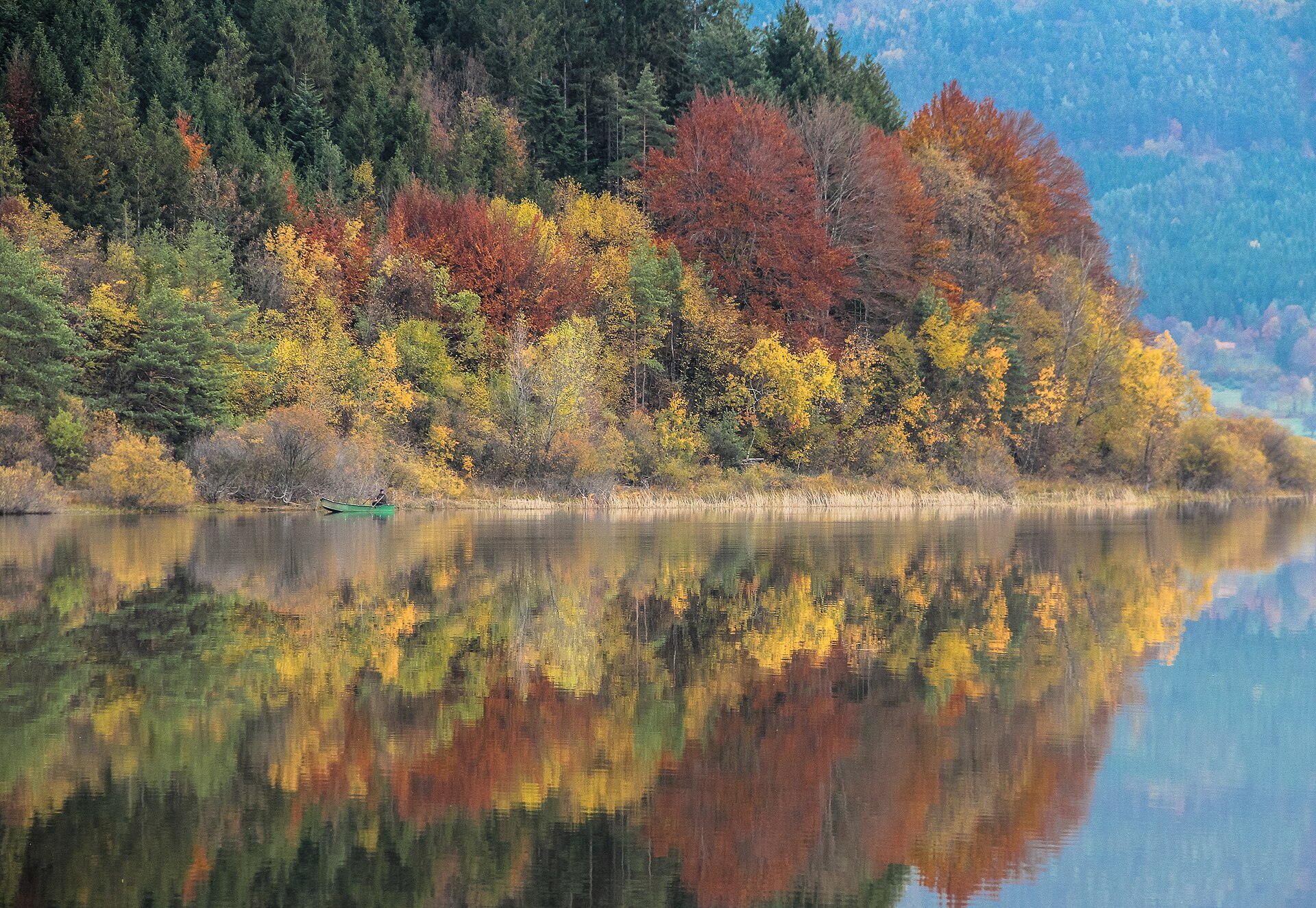
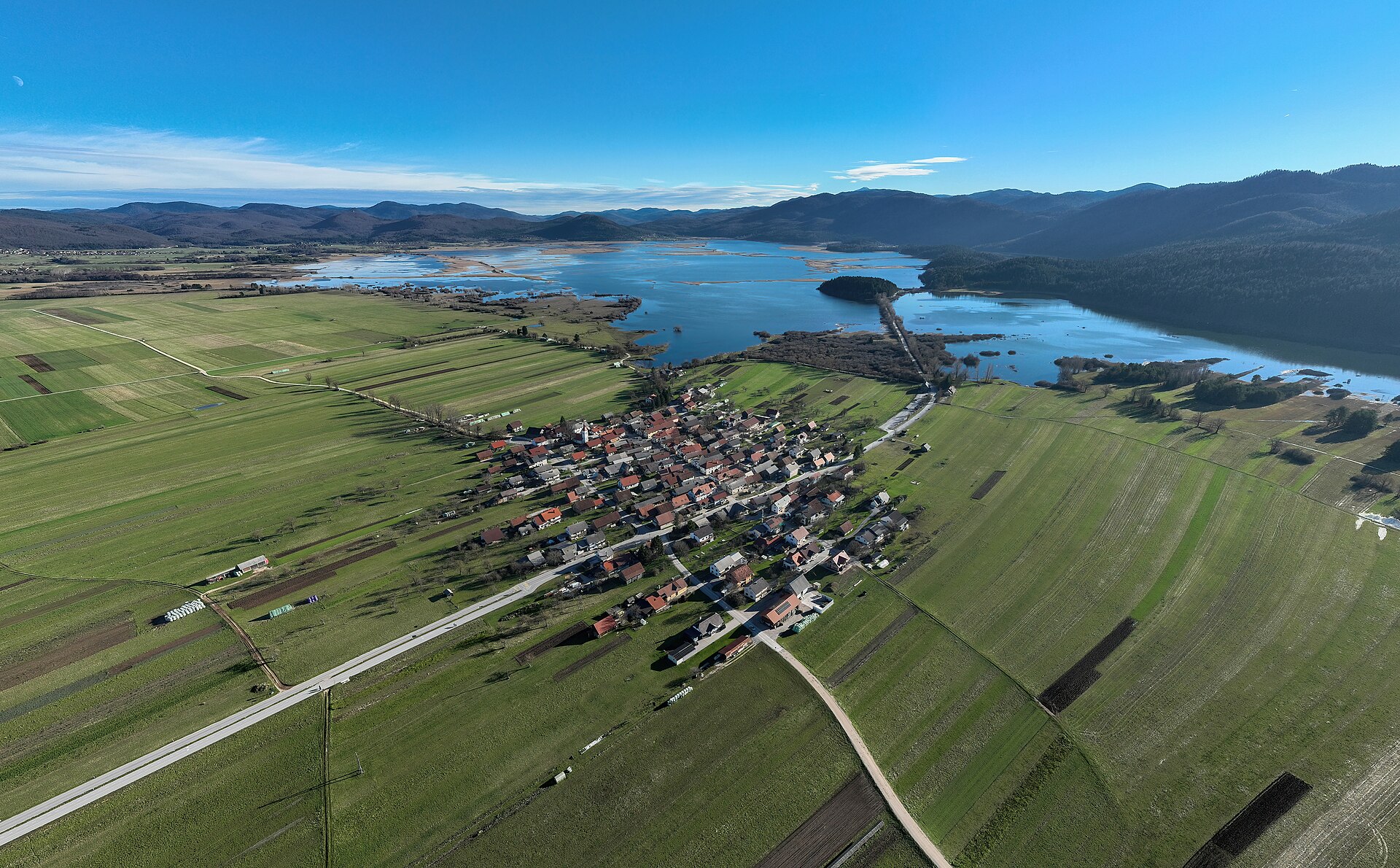
Cerknica Lake (Cerkniško jezero) is one of Europe's most remarkable natural phenomena — the largest intermittent lake in Europe, appearing and disappearing cyclically through the year. Located in the Notranjska region of southern Slovenia, the lake covers up to 38 km² when full but can drain completely within a few days through its complex karst sinkhole system. The lake's behaviour puzzled scientists for centuries. The polymath Janez Vajkard Valvasor described it in his 1689 work 'The Glory of the Duchy of Carniola', and it took another 200 years before the underground karst network was properly understood.
Exploring Cerknica Lake: Top Attractions & Hidden Gems
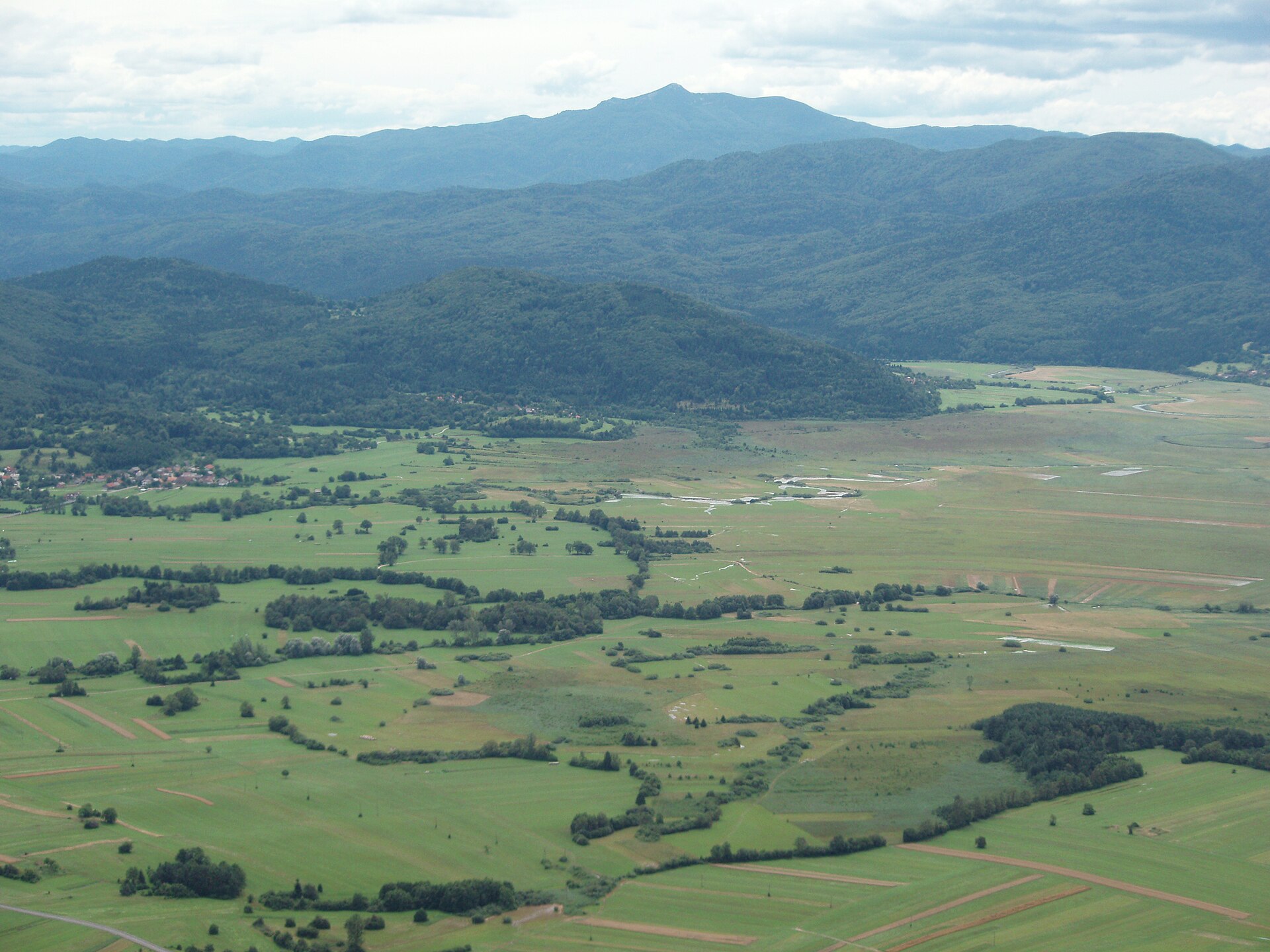
When full, the lake is a paradise for birds with over 270 species recorded — making it one of Slovenia's most important ornithological sites. When empty, the dry bed becomes pastureland and hay meadows. The phenomenon is driven by the Poljanska Sora River feeding the basin while water drains through the karst sinkholes (ponvice) into the underground Ljubljanica River system. In high rainfall periods, the lake can fill in 1-2 days; in drought, it can empty just as quickly.
Local Culture & Food in Cerknica Lake
The surrounding area of Cerknica town has a charming medieval old town with a 15th-century church and an excellent museum dedicated to the lake's ecology. In winter when conditions are right, the drained lake bed creates a natural skating rink — called 'drča'. The lake is a protected area under the Natura 2000 network and is part of the Notranjska Regional Park (established 2002). The best way to explore the lake is by following the 40 km cycling trail around its perimeter, or by walking the interpretative trails near Dolenje Jezero village.
🗓 Best Time to Visit
Visit April-June (when the lake is usually full and bird activity peaks) or September-October (for dramatic emptying and autumn colours). July and August often see the lake partially empty — the dry basin is good for cycling but not as visually dramatic. Winter brings a different experience — when the lake freezes over the dry bed in January-February, locals ice-skate on the natural rink. The Cerknica Museum has year-round opening (€5/adult, closed Mondays).
🍽 Food & Drink
The Cerknica area is known for its hearty Notranjska cuisine. Must-try dishes include jota (bean and sauerkraut stew, €8-10), žlikrofi (potato dumplings similar to Idrija-style, €9-12), prekmurska gibanica (layer cake — surprisingly available here, €4-5), and roasted game dishes (venison goulash €12-16). Wild mushroom dishes (especially porcini and chanterelles) feature heavily on autumn menus (€10-15). Local Cerknica wines from the nearby Vipava Valley are excellent — try the Reula white (€2-3 per glass).
🚗 How to Get to Cerknica Lake by Bus, Car & Boat
By car: 60 km from Ljubljana (50 min) via the A1 motorway exit Unec, then the 212 road through Rakek. Cerknica town has free parking in the main square. By bus: Regular buses from Ljubljana's main station (€7-10, 1h15m) run hourly on weekdays and every 2 hours on weekends. By bike: The 60 km route from Ljubljana via Vrhnika is moderately challenging but scenic. There is no train station in Cerknica — the nearest is Rakek (8 km away, then a taxi €8-12).
🥘 Where to Eat in Cerknica Lake: Authentic Local Cuisine
Gostilna pri Lojzetu is the region's most renowned restaurant (Dvorska vas 50, €15-25 main courses, closed Sun-Mon, booking essential). For more modest dining, Gostilna Malovec in town serves excellent jota and schnitzel (mains €9-14, Trg svetega Roka 1). For a farm-to-table experience, Pr' Pice tourist farm offers a fixed dinner menu (€18-22, seasonal ingredients, Jezero 11). The self-service buffet at the Cerknica Sports Centre is cheap and reliable (mains €7-9, open for lunch only). Picnic supplies from Mercator supermarket in town. For coffee and cake, Caffe Kregar (€2-3) has a pleasant terrace on the main square.
🏨 Best Hotels Near Cerknica Lake
Accommodation in Cerknica is limited but charming. Hotel Malovec (€70-90/night) in Cerknica town centre offers clean rooms and a good restaurant. Tourist farm Pr' Pice (€55-75/night with breakfast, Jezero 11) sits right on the lake edge, offering farm-to-table dining. For a unique stay, the Eco Hotel Trnovo (€80-100/night) has a sauna and organic restaurant. Apartments in Cerknica town start at €40-60/night. Camping Cerknica near the lake costs €12-15 per pitch + €6 per person. Book ahead in July-August — accommodation is limited.
Find a stay in Cerknica Lake
Compare apartments, guesthouses, and vacation rentals while you finalize your route. Flexible cancellation can help when drive times or border plans change.
Browse stays in Cerknica Lake on Vrbo →Accessibility
- Cerknica town has free parking in the main square, while the nearest train station is at Rakek, 8 km away.
- Walking and cycling conditions change with the lake’s water level, so check the current landscape before choosing a route.
- The page does not specify step-free access for guided walks, museum areas, or lakeside paths; confirm before booking.
Common Mistakes
- Assuming the lake will be full without checking current conditions or the live webcam.
- Relying on a train directly to Cerknica when the nearest station is Rakek.
- Visiting in July or August expecting the same water level as spring.
- Forgetting that the Cerknica Museum is closed on Mondays.
Photography
- Photograph the lake when it is full in spring, or use the dry karst basin and autumn colors when it is receding.
- Look for bird activity and the relationship between water, meadow, and sinkhole landscape.
- Use the museum and Valvasor’s historical connection to add context to landscape frames.
- Slovenia regulates drones — check current registration and flight rules with the Civil Aviation Agency of Slovenia (caa.si) before flying.
Etiquette
- Stay on appropriate paths and respect private land around the basin.
- Keep distance from birds and other wildlife.
- Do not enter sinkholes or unstable ground.
- Follow Regional Park and guided-tour instructions.
- Carry waste out of the karst landscape.
Frequently Asked Questions
What is Cerknica Lake?
Cerknica Lake is Europe's largest intermittent lake, covering up to 38 km² when full but draining completely through karst sinkholes within days during dry periods. It appears and disappears cyclically throughout the year, creating a unique landscape that shifts between lake and meadow.
When can I see Cerknica Lake full of water?
The lake is most likely to be full from late autumn through spring (November to June) when rainfall is highest. July to September often sees the lake empty or partially drained. Check the live webcam at cerknica.si before visiting for current conditions.
How do I get to Cerknica Lake?
The lake is 60 km from Ljubljana (50 min by car via the A1 motorway). Regular buses run from Ljubljana to Cerknica town (€7-10, 1h15m). The nearest train station is Rakek (8 km away). From Postojna, it's 25 km (20 min by car) — easily combined with a visit to Postojna Cave.
Are there guided tours of Cerknica Lake?
The Notranjska Regional Park office in Cerknica offers guided walks (€8-12 per person, 2 hours, booking in advance recommended). The Križna Jama cave tour (€20, 1.5 hours) is the most popular guided experience near the lake and includes an underground boat ride. Self-guided cycling is also easy with bike rental available in town.
🗺️ Build a route around Cerknica Lake: Add Cerknica Lake to my itinerary. It opens the planner with this stop selected, so you can add nearby places and set the trip length.
Plan your budget
For country-level budget ranges and planning assumptions, see the Balkan travel costs guide.