
Ptuj
Ptuj at a Glance
| Country | Slovenia |
| Identity | Slovenia's oldest recorded city |
| History | Poetovio records from 69 AD and over 2,000 years of continuous habitation |
| Setting | Drava River city and wine centre for Haloze and Slovenske Gorice |
| Main highlights | Ptuj Castle, Kurentovanje, Terme Ptuj, and the water tower gallery |
| Best periods | Kurentovanje or May–September; April–June and September–October are calmer |
Why Visit Ptuj
Ptuj combines more than 2,000 years of continuous habitation with a 12th-century hilltop fortress and the Ptuj Regional Museum. Visit during Kurentovanje for Slovenia's largest traditional carnival, held over 10 days in February/March with Kurenti costumes and over 3,000 participants. Outside the carnival period, the Drava supports canoeing, kayaking, and paddleboarding, while Terme Ptuj and the Haloze and Slovenske Gorice wine regions add different ways to spend time here.
Overview
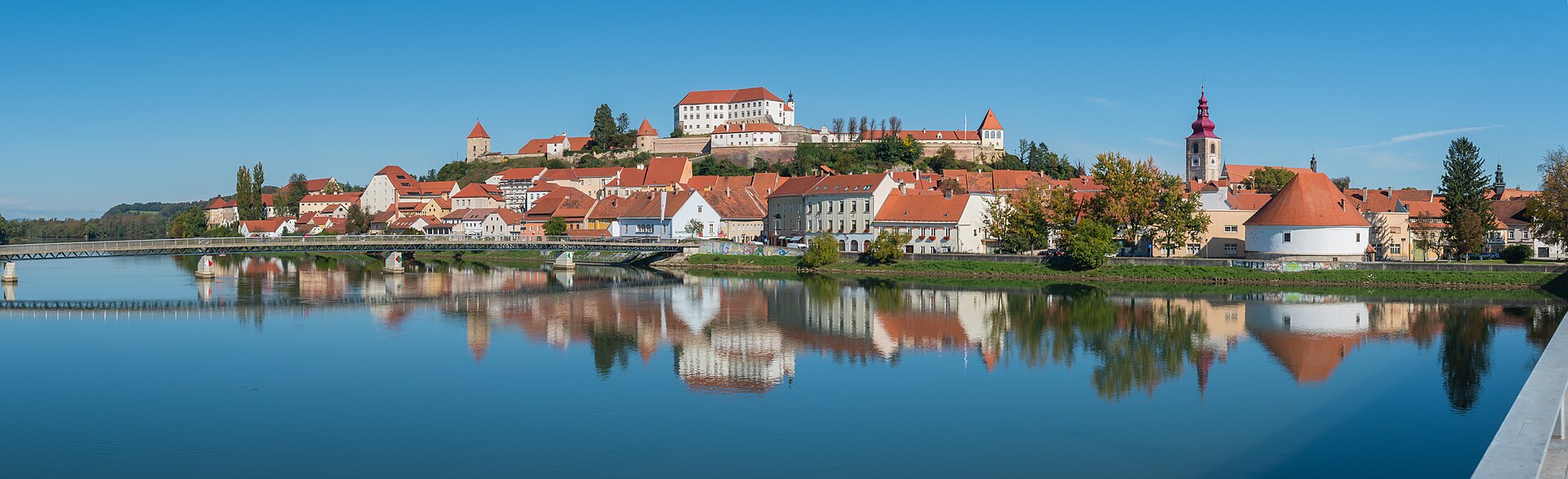
Ptuj is Slovenia's oldest recorded city, with Poetovio records from 69 AD and over 2,000 years of continuous habitation. Ptuj Castle is a 12th-century hilltop fortress housing the Ptuj Regional Museum. The city is also a wine centre for Haloze and Slovenske Gorice, and its Drava setting supports canoeing, kayaking, and paddleboarding; the water tower now houses a gallery.
Best Things to Do in Ptuj
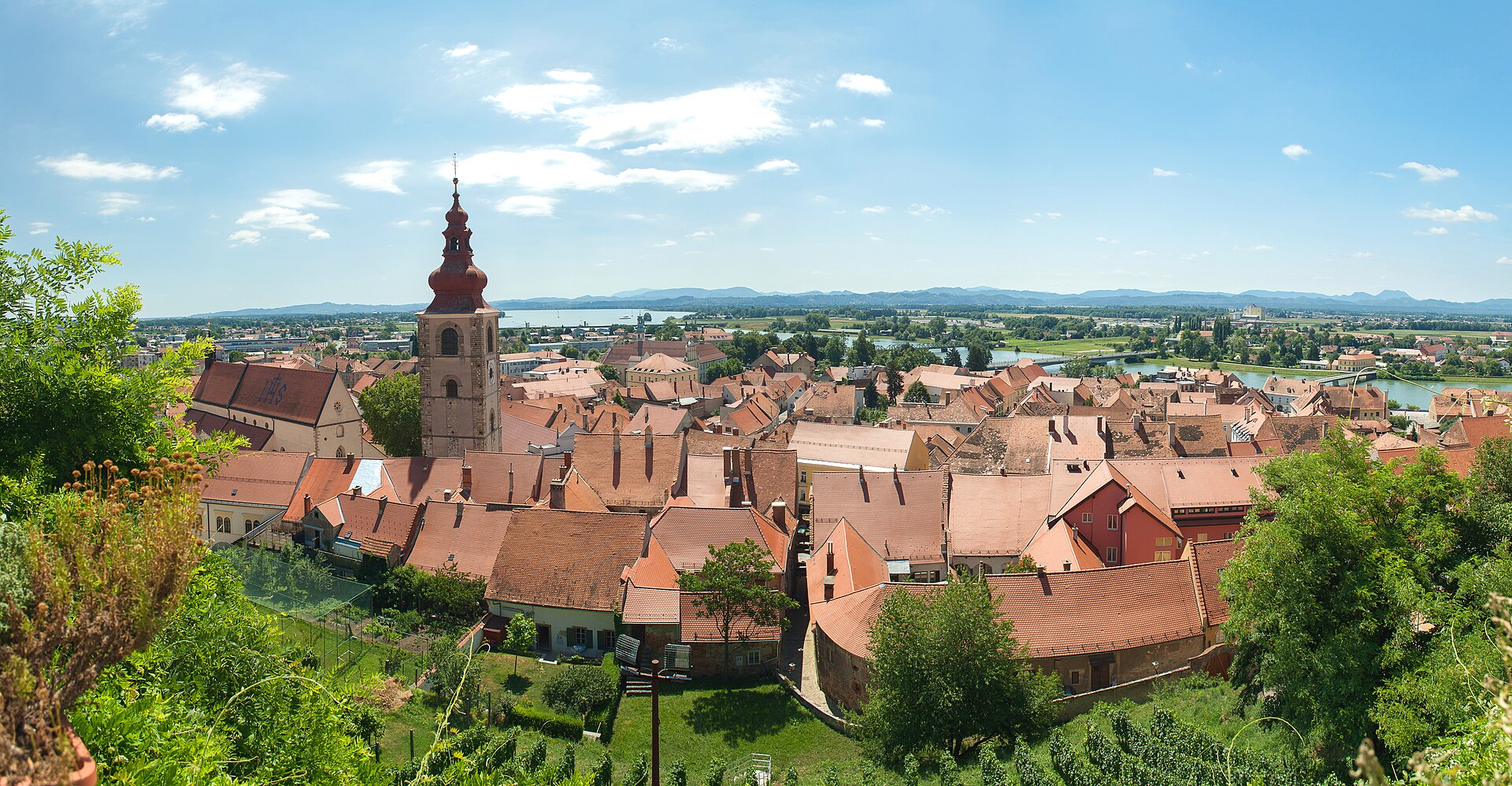
Ptuj (pronounced p-TOO-ee) is Slovenia's oldest recorded city, with written records dating back to 69 AD when the Roman settlement of Poetovio was established on the Drava River. The city has been continuously inhabited for over 2,000 years and is best known for Ptuj Castle (Ptujski grad), a 12th-century fortress perched on a hill above the old town, housing the Ptuj Regional Museum with outstanding collections including the famous Ptuj Orpheus (a 3rd-century Roman marble monument), medieval armour, traditional carnival masks, and the largest collection of musical instruments in Slovenia (€8 entry, open daily 10am-5pm). The old town below the castle is a beautifully preserved collection of Baroque and Renaissance buildings around Slovene Square (Slovenski trg), including the Town Hall (1907), the St George's Parish Church (13th-century Gothic) with its 52-metre bell tower, and the Dominican Monastery (13th-century, now part of the museum). The Drava River waterfront has been redeveloped in recent years with walking and cycling paths.
Exploring Ptuj: Top Attractions & Hidden Gems
Ptuj is famous for Kurentovanje, the largest traditional carnival event in Slovenia (10 days in February/March). The carnival's central figure is the Kurent (or Korent, plural Kurenti), the 'ugly but good-natured' shaggy sheepskin-clad figure with a long red tongue, cowbells, and a feathered hat — a pre-Christian Slavic fertility symbol. Over 3,000 costumed participants parade through the streets during the festival, with the Kurenti 'curing' onlookers by ringing their bells (it's considered good luck). The festival draws over 100,000 visitors.
Local Culture & Food in Ptuj
Ptuj is also a wine centre of the Haloze and Slovenske Gorice wine regions. The nearby Ptuj Thermal Spa (Terme Ptuj, €12-16 entry) offers thermal pools at 28-33°C. The Drava River is popular for canoeing, kayaking, and stand-up paddleboarding (rental €10-15/hour). The Ptuj water tower along the riverfront is a distinctive landmark and now houses a small art gallery.
🗓 Best Time to Visit
The best time to visit is during Kurentovanje (February-March) for the carnival, or May-September for exploring the city and enjoying the Drava River. April-June and September-October offer pleasant weather (18-25°C) and fewer tourists. July-August is warm (28-32°C) with outdoor cafés and events. Winter (November-February) is cold (0-6°C) but the castle and museums are open. The thermal spa is at its best in winter.
🍽 Food & Drink
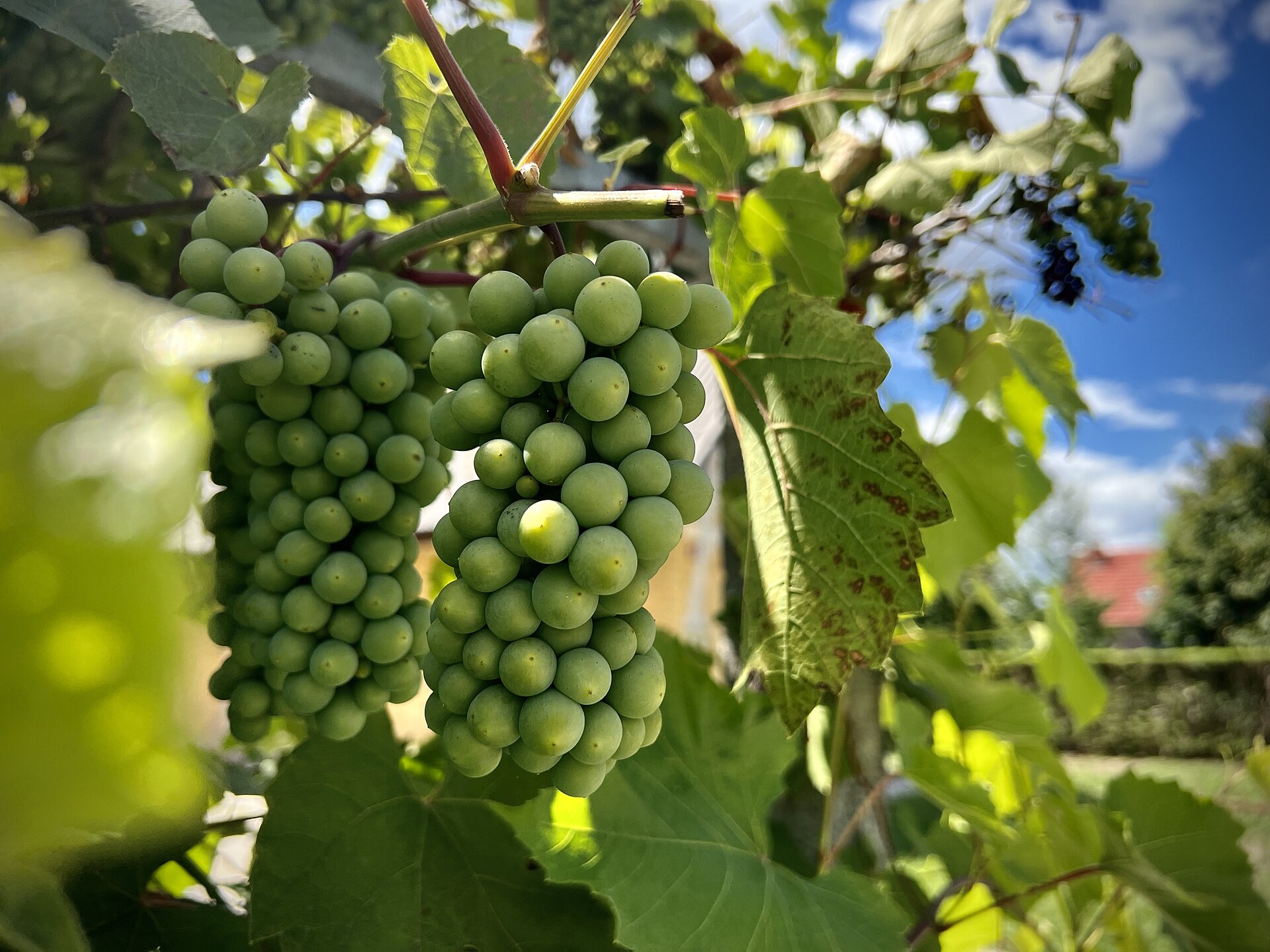
Ptuj's dining reflects the Štajerska region's hearty cuisine. Must-try dishes include Ptujska ribica (Ptuj fish — actually a breaded and fried fish from the Drava, €8-12), haloški ocvirkovec (Haloze crackling bread, €4-6), prekmurska gibanica (€4-6 slice), and jota (€8-11). Ptuj is the heart of the Slovenske Gorice wine region — the region produces excellent white wines including Šipon (Furmint), Laški Rizling, and Sauvignon. Winetasting flights at Ptuj Wine Cellars (started in 1239, the oldest operating wine cellar in Slovenia) cost €8-12 for 3-5 wines (Vojašniška 1, open Tue-Sat 10am-6pm, booking recommended).
🚗 How to Get to Ptuj by Bus, Car & Boat
By car: Ptuj is 30 km from Maribor (25 min), 130 km from Ljubljana (1h30m via A1/A4). Free parking is available at the entrance to the old town (parking lot near the bridge). By train: Direct trains from Ljubljana (€10-15, 2 hours) and Maribor (€3-5, 30 min). The station is a 10-minute walk from the old town. By bus: Buses from Maribor (€4-6, 45 min) and Ljubljana (€8-12, 2h15m). During Kurentovanje, additional buses run.
🥘 Where to Eat in Ptuj: Authentic Local Cuisine
Gostilna Amadeus (€11-18 mains, Slovenski trg 9) is widely considered Ptuj's best restaurant — modern Slovenian cuisine using local ingredients, seasonal menu, excellent wine list. Ribič (€10-16 mains, Dravska 4) on the riverfront serves excellent fresh Drava fish dishes. Gostilna Mitra (€8-14 mains, in Hotel Mitra) is reliable and convenient. For pizza, Pizzeria Michelangelo (€7-10, old town) is a local favourite. For a quick lunch, the covered market on Slovenski trg (Mon-Sat mornings) has food stalls with local specialities (€4-6). For wine, the Ptuj Wine Cellars tasting room (Vojašniška 1) is essential — book ahead for a cellar tour. For coffee and cake, Kavarna Mitra (€2-4) is the old town's classic café.
🏨 Best Hotels Near Ptuj
Hotel Mitra (€70-100/night) in the old town is Ptuj's best hotel — charming, historic, with a good restaurant. Hotel Poetovio (€50-70/night) near the bus station is a solid budget option. Apartments in the old town start at €35-55/night. For a rural wine-country experience, tourist farms in the Haloze hills (€50-65/night with breakfast) offer authentic farm stays with wine tasting — contact the Ptuj tourist office for recommendations. Camping Ptuj (€12-15 per pitch, near the thermal spa) has basic facilities.
Find a stay in Ptuj
Compare apartments, guesthouses, and vacation rentals while you finalize your route. Flexible cancellation can help when drive times or border plans change.
Browse stays in Ptuj on Vrbo →Accessibility
- Step-free access, lifts, accessible toilets, and indoor routes at Ptuj Castle and the Ptuj Regional Museum are not confirmed on this page; confirm them directly before visiting.
- Ptuj Castle is a hilltop fortress, but the route surface, gradient, and accessible transport options are not confirmed; check the approach in advance.
- Access to the Drava's canoeing, kayaking, and paddleboarding activities, including launch points and equipment, is not confirmed; ask locally about your access needs.
- For Kurentovanje, crowd movement and viewing access are not confirmed; check arrangements before attending the 10-day event.
Common Mistakes
- Treating Ptuj Castle as a level walk: it is a hilltop fortress, so allow time for the approach.
- Assuming every season offers the same visit: Kurentovanje and May–September suit different plans, while winter is cold even though the castle and museums are open.
- Arriving for Kurentovanje without checking the event details: it lasts 10 days in February/March and includes over 3,000 participants.
- Overlooking the calmer periods: April–June and September–October are identified on the page as calmer times to visit.
- Treating Drava activities or venue access as guaranteed: confirm current conditions and arrangements locally before relying on them.
Photography
- Use Ptuj Castle's hilltop position to frame the old town and the Drava setting from above.
- Along the riverfront, look for the water tower, now a gallery, as a distinctive architectural subject.
- During Kurentovanje, leave space around Kurenti and other participants, and ask before making close portraits.
- Slovenia regulates drones — check current registration and flight rules with the Civil Aviation Agency of the Republic of Slovenia before flying.
Etiquette
- It is often courteous to ask before photographing Kurenti or other people at close range.
- Visitors customarily avoid touching carnival costumes and leave parade movement clear.
- In the Ptuj Regional Museum, it is common to follow staff instructions around the collections.
- At wine tastings connected with Haloze and Slovenske Gorice, guests often wait for the host's guidance before moving between pours.
- On the Drava, paddlers commonly share launch points and give other users room.
Frequently Asked Questions
What is Ptuj known for?
Ptuj is Slovenia's oldest recorded city (continuous settlement since 69 AD) and is famous for Ptuj Castle (housing the excellent Ptuj Regional Museum), the ancient Roman monument Ptuj Orpheus, the Kurentovanje carnival (February-March, Slovenia's largest traditional carnival event with over 100,000 visitors), and the Ptuj Wine Cellars (operating since 1239).
When is the Kurentovanje carnival?
Kurentovanje takes place over 10 days in February-March, culminating on Shrove Tuesday (the day before Ash Wednesday). The main parade is on the final Sunday with over 3,000 costumed participants. The Kurent is the central figure — a shaggy sheepskin-clad fertility symbol. The festival draws over 100,000 visitors, so book accommodation at least 2 months ahead.
How do I get from Maribor to Ptuj?
Ptuj is 30 km from Maribor. By train: direct trains (€3-5, 30 min, hourly). By car: 25 min via Route 429. By bus: €4-6, 45 min. The train is the best option — frequent, cheap, and drops you a 10-minute walk from the old town.
Is Ptuj worth visiting from Ljubljana?
Yes — Ptuj makes an excellent day trip from Ljubljana (2 hours by train each way). The castle museum is one of Slovenia's best, the old town is beautifully preserved, and the Ptuj Wine Cellars offer an excellent wine experience. For a slower pace, stay overnight and explore the Haloze wine region. The train journey through the Drava Valley is scenic.
🗺️ Build a route around Ptuj: Add Ptuj to my itinerary. It opens the planner with this stop selected, so you can add nearby places and set the trip length.
Plan your budget
For country-level budget ranges and planning assumptions, see the Balkan travel costs guide.