

Lipica Stud Farm
Lipica Stud Farm at a Glance
| Country | Slovenia |
| Setting | Historic stud farm on the Karst plateau |
| Known for | Lipizzaner horses and 300 hectares of estate |
| Best time | April–October for paddocks and demonstrations |
Why Visit Lipica Stud Farm
Lipica Stud Farm is the historic birthplace of the Lipizzaner horse, founded in 1580 and operating on the same southwestern Slovenian Karst plateau for more than four centuries.
Stables, paddocks, riding demonstrations, the Renaissance courtyard, chapel, park, and walking routes create a full estate visit beyond a single horse encounter.
Overview
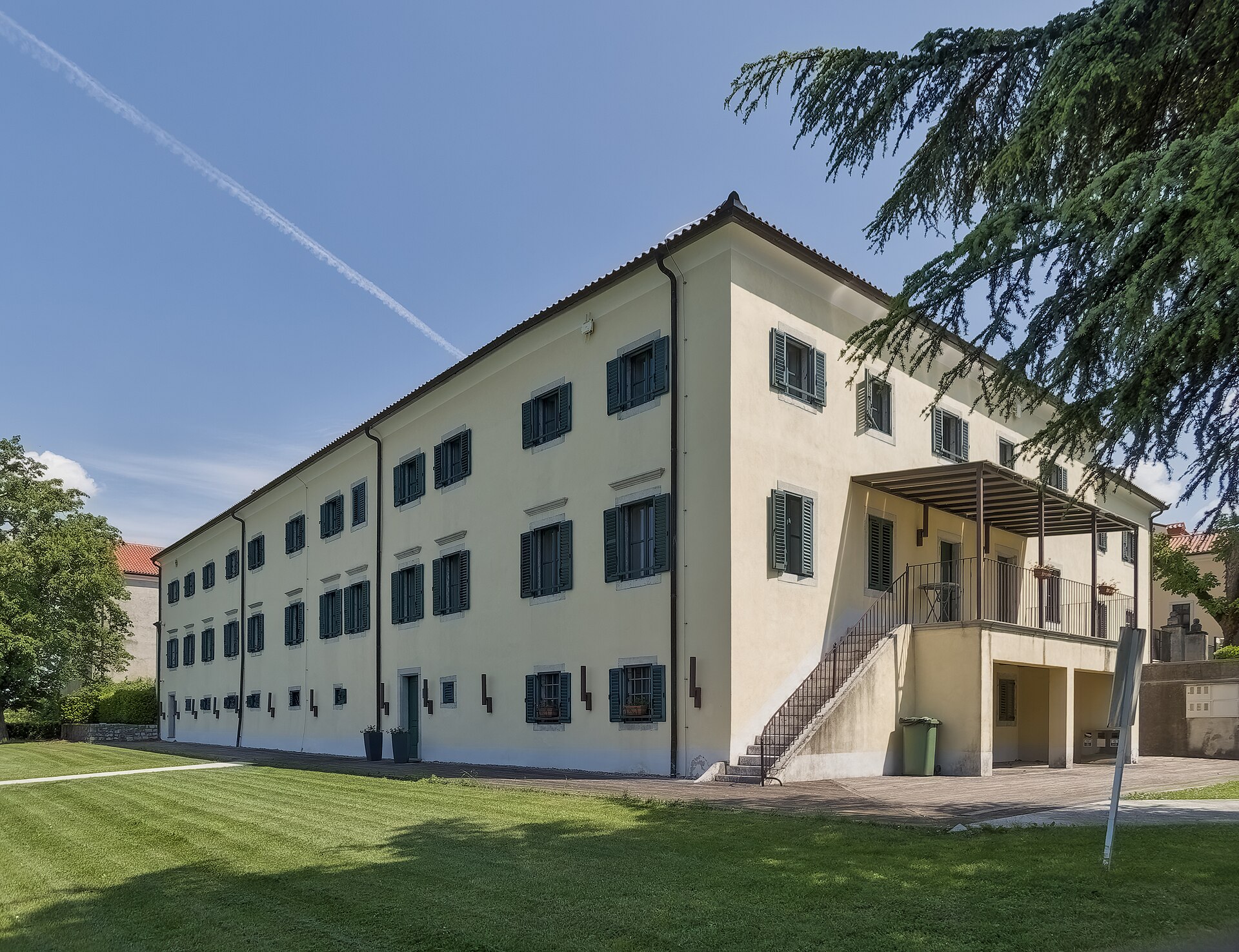
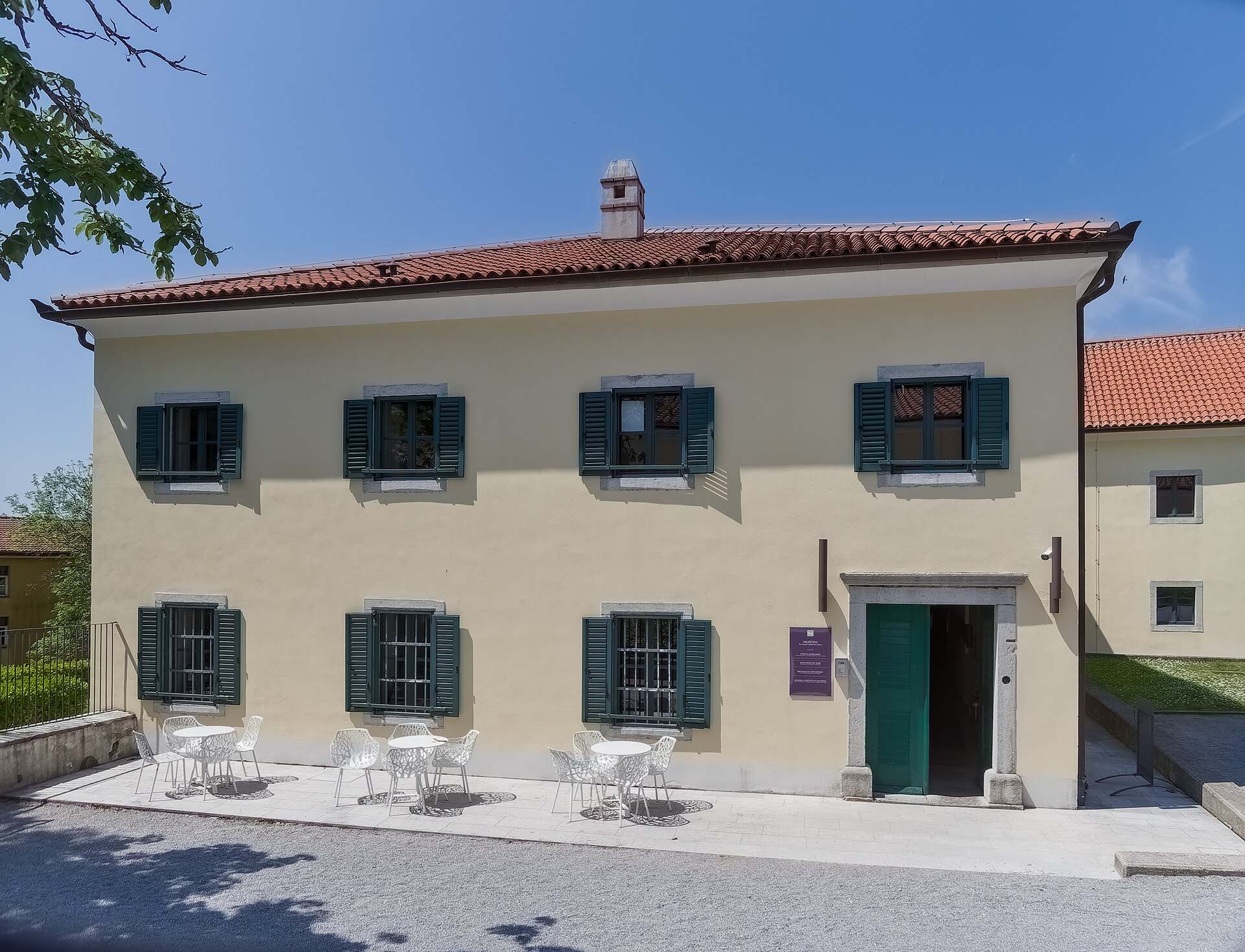
The 300-hectare estate includes white stone stables, riding halls, a park, a chapel with Baroque frescoes, the original Renaissance courtyard, and an 18-hole golf course.
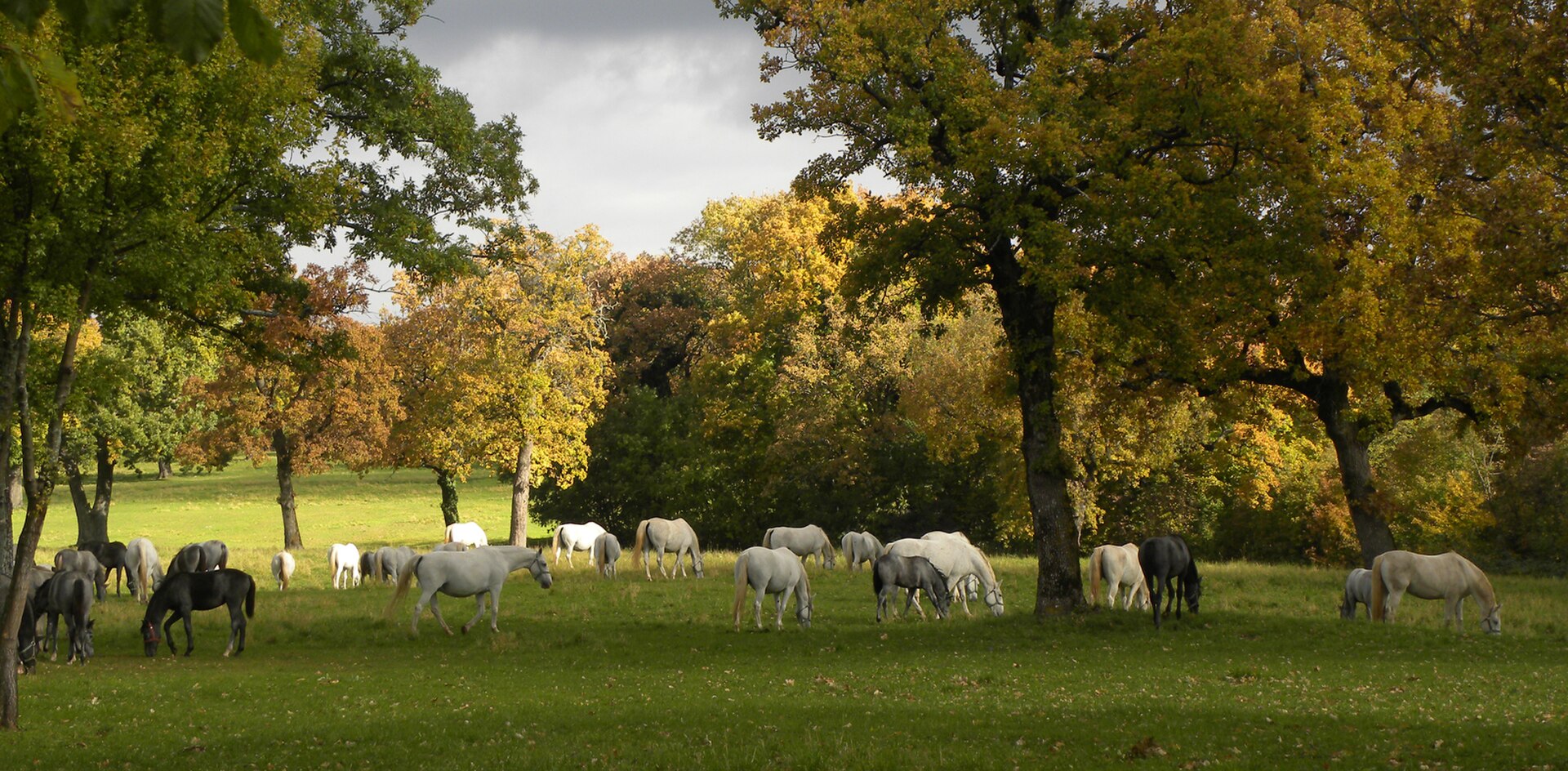
Lipizzaner foals are born dark and gradually whiten over 6–10 years. The page says April–October is best for outdoor paddocks and demonstrations; winter is quieter with a more limited indoor tour.
Best Things to Do in Lipica Stud Farm
Lipica Stud Farm (Kobilarna Lipica) is the historic birthplace of the Lipizzaner horse, one of the oldest horse breeds in Europe. Founded in 1580 by Archduke Charles II of Austria, the stud farm has operated continuously for over 440 years on the same Karst plateau in southwestern Slovenia. The Lipizzaner breed was developed by crossing Spanish, Barb, and Arabian bloodlines with local Karst horses, producing the iconic white horses now famous through the Spanish Riding School in Vienna. All modern Lipizzaner horses can trace their lineage back to six founding stallions — Pluto (born 1765, Danish), Conversano (born 1767, Neapolitan), Maestoso (born 1773, Kladrub), Favory (born 1779, Kladrub), Neapolitano (born 1790, Neapolitan), and Siglavy (born 1810, Arabian).
Exploring Lipica Stud Farm: Top Attractions & Hidden Gems
The foals are born dark in colour (bay, brown, black) and gradually whiten over 6-10 years — the classic white colour develops with age. The stud farm covers 300 hectares of Karst landscape with elegant white stone stables, riding halls, and an 18-hole golf course. The estate includes a park, a chapel with Baroque frescoes, and the original Renaissance courtyard (the historic heart of the farm). Guided tours include the stable, riding demonstrations, and carriage rides.
Local Culture & Food in Lipica Stud Farm
The Lipica boutique hotel on the estate offers a unique stay with views over the paddocks. The nearby forest is home to the Lipizzaner herd that roams freely in summer. The farm is also a venue for classical dressage performances and international equestrian events. The Karst terrain around Lipica offers excellent walking and cycling with trails through the pastures and forests.
🗓 Best Time to Visit
Open year-round but best experienced April-October when the horses are in the outdoor paddocks and riding demonstrations are held in the outdoor arena. May-June and September-October offer the best weather for exploring the grounds (18-25°C). July-August can be very hot (30-35°C) — the indoor arena is air-conditioned. November-March is quieter (€15 instead of €20) but only the indoor stables tour is available and the horses are indoors. Visit early morning or late afternoon to avoid peak crowds in summer.
🍽 Food & Drink
There are no restaurants directly on the stud farm grounds. The nearest dining is in the nearby villages of Lokev (2 km) and Sežana (7 km). Must-try local dishes include Kraški pršut (Karst air-dried ham, €6-9 per plate), jota (€8-11), and local trout (€12-16). Wine tasting of teran (red wine exclusive to the Karst region) is a must (€3-5 for a tasting flight at nearby wineries). The Lokev area has several excellent restaurants (see restaurants section).
🚗 How to Get to Lipica Stud Farm by Bus, Car & Boat
By car: Lipica is 4 km from the Italian border, 12 km from Sežana, and 85 km from Ljubljana (1 hour via A1, take the Divača exit then follow signs). Free parking. By train: The nearest station is Divača (10 km, on the Ljubljana-Koper line), then a taxi (€12-15). By bus: Seasonal Lipica shuttle from Sežana (€3, June-September, 3 daily). No direct bus from Ljubljana — take the train to Divača then taxi. By bike: The Kras cycle route from Sežana to Lipica is 12 km on quiet country roads (40 min). By tour: Many Ljubljana-based day tours include Lipica combined with Postojna Cave or Škocjan Cave.
🥘 Where to Eat in Lipica Stud Farm: Authentic Local Cuisine
Restaurant Špacapan in Škocjan village (5 km, €12-22 mains, booking essential) serves exceptional Karst cuisine with an excellent wine list. Gostilna Lokev (€8-14 mains) in Lokev (2 km north) has a lovely terrace and serves good jota and grill specialities. Restaurant at Grad Štanjel (€20-35 mains, 12 km) is a splurge — creative Slovenian cuisine in a castle setting. For quick lunch, the Lipica stud farm café (€5-8 for sandwiches and pastries) is convenient. For budget meals, the Mercator supermarket in Sežana has a bakery and deli counter.
🏨 Best Hotels Near Lipica Stud Farm
Hotel Maestoso Lipica (€100-150/night) is the stud farm's own hotel — elegant, equestrian-themed, with views over the paddocks. It's the best option for a complete Lipica experience. Guesthouse Škerjanc in nearby Lokev (€50-70/night) offers simple Karst-style rooms. Hotel Grahor in Sežana (€60-80/night) is a practical base. For a more luxurious stay, the Hotel Grad Štanjel (€100-140/night, 12 km away) is a historic castle hotel with a Michelin-starred restaurant. Camping Sežana (€12-15 per pitch) is basic.
Find a stay in Lipica Stud Farm
Compare apartments, guesthouses, and vacation rentals while you finalize your route. Flexible cancellation can help when drive times or border plans change.
Browse stays in Lipica Stud Farm on Vrbo →Accessibility
- The estate includes large grounds, stables, riding halls, paddocks, and walking or cycling routes. The page does not guarantee step-free access across the estate or indoor facilities; confirm the exact route and tour arrangements.
- Outdoor demonstrations and paddock visits are seasonal, while the page describes a more limited winter indoor experience. Check current schedules, heat conditions, and ticket details.
- Keep a safe distance from horses and follow staff instructions around paddocks and riding areas.
Common Mistakes
- Visiting in winter expecting the same paddock and outdoor demonstration experience as April–October.
- Approaching horses or entering paddock areas without staff permission.
- Planning to see the entire 300-hectare estate without allowing time for walking between facilities.
- Arriving in July or August without planning around heat and outdoor exposure.
Photography
- Use the white stone stables, paddocks, and Karst landscape for a sense of the historic estate.
- Photograph horses from the permitted public distance and never use flash if staff prohibit it.
- Ask before photographing riders, staff, demonstrations, or hotel guests.
- Slovenia regulates drones — check current registration and flight rules with the Civil Aviation Agency of the Republic of Slovenia before flying.
Etiquette
- Follow staff instructions around horses, paddocks, and riding halls.
- Ask before photographing riders, workers, or visitors.
- Dress respectfully in the chapel and follow its photography rules.
- Stay on marked estate paths and do not feed the horses.
- Keep the park and Karst landscape free of litter.
Frequently Asked Questions
When is the best time to see Lipizzaner foals at Lipica?
Foals are born from March to June, with the peak in April-May. For the best chance of seeing very young foals (1-3 months old), visit in May or June. The foals are kept in the main stables and are included in the guided tour. They're dark brown or black at birth, gradually turning white over 6-10 years.
How do I get from Ljubljana to Lipica?
By car: 85 km via the A1 motorway, about 1 hour. Exit at Divača and follow signs for Lipica. By train: Take the Ljubljana-Koper train to Divača station (€8-12, 1h15m), then a taxi (€12-15, 10 min). There is no direct bus from Ljubljana to Lipica.
Is the Lipica Stud Farm tour worth it?
Yes — the guided tour is excellent and offers genuine insights into the breed's history, bloodlines, and training. The indoor and outdoor arenas are beautiful, and seeing horses trained in classical dressage up close is a unique experience. Budget 2.5-3 hours for the full experience including the riding demonstration.
Can I ride Lipizzaner horses at Lipica?
The stud farm does not offer public horseback riding for safety reasons — the Lipizzaners are valuable breeding and dressage horses. However, you can book a carriage ride (€10-15) around the estate grounds. For horse riding on Karst trails, book through a local stable in Sežana (€25-35/hour).
🗺️ Build a route around Lipica Stud Farm: Add Lipica Stud Farm to my itinerary. It opens the planner with this stop selected, so you can add nearby places and set the trip length.
Plan your budget
For country-level budget ranges and planning assumptions, see the Balkan travel costs guide.