
Škofja Loka
Škofja Loka at a Glance
| Country | Slovenia |
| Region | Upper Carniola |
| What it is | A medieval town whose name means “Bishop’s Meadow” |
| Historic center | Cobblestoned main square, burgher houses, Gothic windows, Renaissance porticos, and a 16th-century Town Hall |
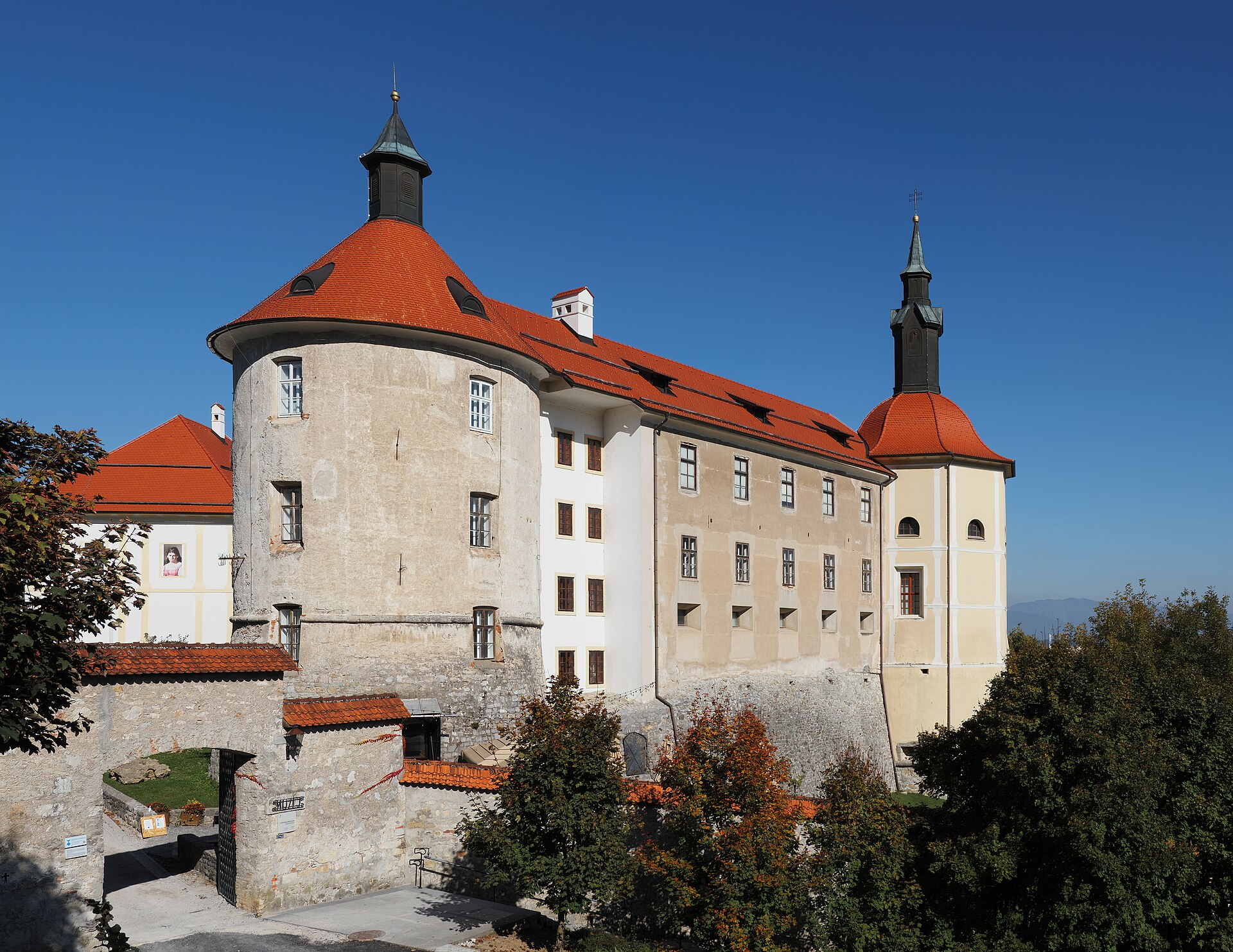
| Main landmark | Loka Castle, a 13th-century hilltop fortress with the Loka Museum and 60+ exhibition rooms |
| Recommended stay | 1–2 days; railway access makes it an easy day trip from Ljubljana |
Why Visit Škofja Loka
Škofja Loka brings a compact medieval center, a hilltop castle, and the Sora River together in one walkable stop. Its cobblestoned main square, the Loka Museum, and the Capuchin Monastery tell different parts of the town’s history, while footbridges and nearby hiking and cycling trails add time outdoors. Railway access from Ljubljana also makes the town easy to visit without a car.
Best Things to Do in Škofja Loka
One of Slovenia's most picturesque medieval towns, Škofja Loka is a perfectly preserved gem centred around a beautiful cobblestone main square that looks like a film set for a Renaissance drama. The town's name means 'Bishop's Meadow' — a reference to the Bishops of Freising who ruled this territory for nearly 800 years from 973 AD. The main square is ringed with colourful burgher houses featuring ornate facades, Gothic windows, and Renaissance porticos, dominated by the 16th-century Town Hall with its elegant loggia. From the square, narrow streets climb steeply to Loka Castle, a 13th-century hilltop fortress that now houses the Loka Museum, one of Slovenia's finest regional museums with over 60 exhibition rooms covering the town's rich history, guilds, and traditional crafts.
Exploring Škofja Loka: Top Attractions & Hidden Gems
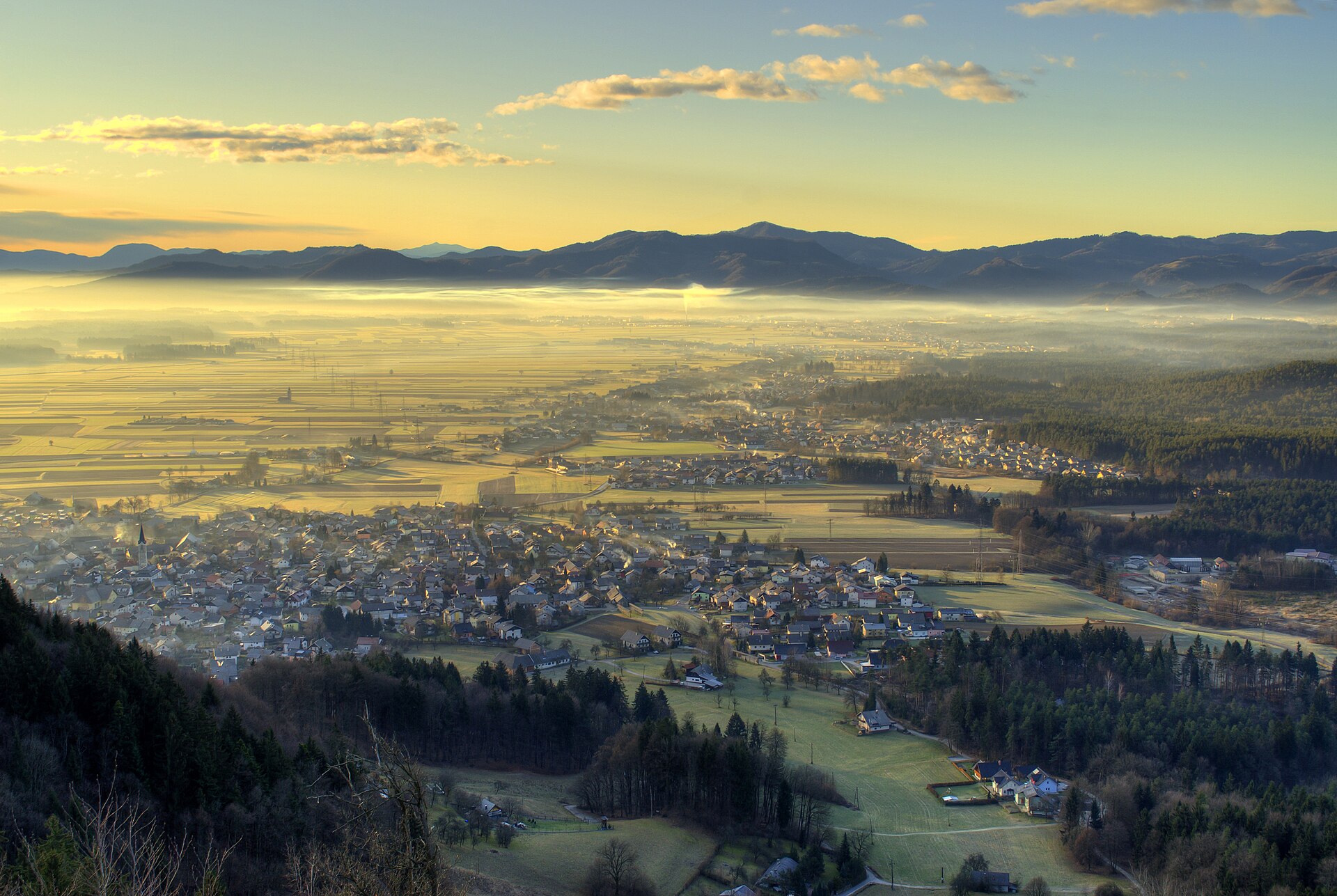
The castle's tower offers a sweeping panorama of the old town, the Sora River valley, and the distant peaks of the Julian Alps. The 14th-century Capuchin Monastery complex houses the famous Škofja Loka manuscript, the oldest surviving document written in the Slovenian language, dating from around 1440. The town's most remarkable cultural tradition is the Škofja Loka Passion Play (Škofjeloški pasijon), a spectacular open-air theatrical performance depicting the story of Christ's Passion, which has been performed every six years since 1721 and was inscribed on the UNESCO Representative List of Intangible Cultural Heritage of Humanity in 2016. The performance involves over 900 local actors and draws thousands of spectators.
Local Culture & Food in Škofja Loka
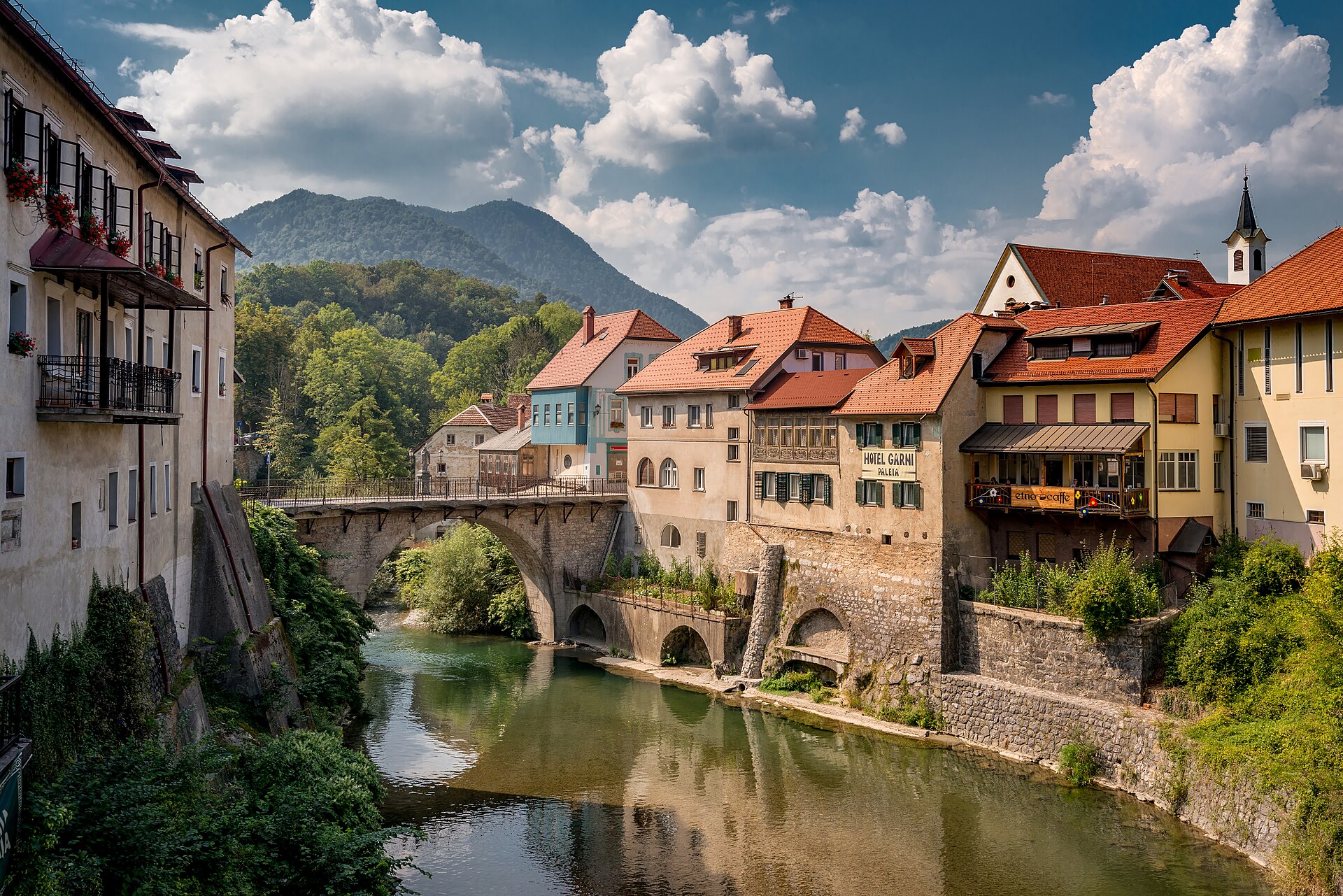
The Sora River winds through the town, with footbridges offering perfect photo vantage points of the castle reflected in the water. The surrounding hills are crisscrossed with hiking and cycling trails, and the town's location makes it an easy day trip from Ljubljana. The town's chocolate shop, Čokoladnica, produces handmade pralines using traditional recipes and local ingredients. The nearby Stane's Trail hiking route follows the Sora River gorge past old mills and weirs. Škofja Loka's position on the railway line makes it easily accessible from Ljubljana for a spontaneous day trip without needing a car.
🗓 Best Time to Visit
April to October. Slovenia has a mix of Mediterranean, continental, and alpine climates. Spring (April-May) brings blooming meadows and waterfalls from snowmelt. Summer (June-August) is perfect for the Julian Alps and Lake Bled. Autumn (September-October) offers harvest festivals and stunning colors. Winter (December-March) is ski season at Kranjska Gora, Vogel, and Maribor Pohorje.
🍽 Food & Drink
Eating in Škofja Loka centers around traditional family recipes and regional ingredients — historic stone buildings house traditional restaurants where you can taste local recipes passed down through generations. Must-try dishes include: potica (rolled nut loaf — the national pastry), jota (hearty bean and sauerkraut stew from Friuli), štruklji (rolled dumplings with various fillings), Istrian truffle dishes, and fresh river trout from the Soča River. For drinks, try Slovenian wines (Rebula, Malvazija, and the orange wines of Brda), the Union and Laško beers, and the herbal liqueur Brinjevec.
🚗 How to Get to Škofja Loka by Bus, Car & Boat
By car: Well-connected by regional roads. Parking is available on the outskirts. By bus: Regular bus services from the nearest cities. Walking: Škofja Loka is compact and best explored on foot. In Ljubljana, walking and cycling are best — the city is very bike-friendly. The 'Ljubljanica' card covers bus transport. Buses and trains run on a coordinated schedule. Toll vignettes are required for highways (purchase online or at petrol stations).
🥘 Where to Eat in Škofja Loka: Authentic Local Cuisine
Eating in Škofja Loka is as much about atmosphere as it is about food — the historic setting provides a beautiful backdrop for traditional cuisine. The main square and surrounding cobblestone streets are lined with restaurants offering local specialties in charming settings with stone walls, candlelit tables, and often live traditional music. For the most authentic experience, venture off the main tourist streets into the side alleys where family-run konobe (traditional taverns) serve recipes passed down through generations at more reasonable prices. Wine bars housed in medieval cellars offer atmospheric tastings of regional wines. During summer, many restaurants set up outdoor terraces in the squares and pedestrian streets, creating a lively dining scene. Street food stalls in the market squares offer quick, affordable local snacks. The local market is perfect for picking up picnic supplies if you're day-tripping. Many restaurants offer a daily set menu (gablec/ručak) at lunch — the most affordable way to sample local cuisine. Slovenian cuisine blends Alpine, Mediterranean, and Pannonian influences — štruklji, Idrija žlikrofi, fresh river trout, and excellent wines from Goriska Brda are highlights.
🏨 Best Hotels in Škofja Loka
Staying in Škofja Loka is an experience in itself — many hotels are housed in beautifully restored historic buildings, offering rooms with original stone walls, exposed wooden beams, and period furnishings. Boutique hotels within the old town walls give you direct access to the cobblestone streets, squares, and landmarks, with restaurants and cafes just steps from your door. For a quieter stay, look for guesthouses and small hotels just outside the old town — they often offer better value, free parking, and the same easy walking access. Many historic town accommodations feature rooftop terraces and courtyards where you can enjoy breakfast or an evening drink overlooking the ancient rooftops. Family-run hotels (known locally as konobe or guesthouses) provide the warmest welcome, often serving homemade specialties for breakfast and offering personalized tips for exploring. Slovenia offers accommodation from stylish boutique hotels in Ljubljana to farm stays (turistična kmetija) in the countryside and eco-lodges near Triglav National Park.
Common Mistakes
- Stopping at the main square. The narrow streets climb to Loka Castle, whose museum has over 60 exhibition rooms.
- Skipping the Capuchin Monastery. The complex and library hold the Škofja Loka manuscript, the oldest surviving document written in Slovenian.
- Leaving out time by the river. The Sora footbridges and the route along Stane’s Trail add a different view of the town beyond its historic buildings.
- Assuming a car is essential. Škofja Loka’s railway access makes it an easy day trip from Ljubljana.
- Overlooking local treats. Čokoladnica makes handmade pralines, while traditional gostilnas serve regional recipes.
Photography
Use the Sora River footbridges for views of Loka Castle reflected in the water. In the old town, look for the cobblestoned main square, burgher houses, Gothic windows, Renaissance porticos, and the 16th-century Town Hall. For a wider view, climb to Loka Castle’s tower for the old town, Sora River valley, and Julian Alps. Drone note: Check current registration and flight rules with the Civil Aviation Agency of Slovenia (caa.si) before flying.
Day Trips
Summer is a natural time to link Škofja Loka with Lake Bled and the Julian Alps, while railway access makes Ljubljana an easy companion stop.
Ljubljana. Railway access makes Škofja Loka an easy day trip from the capital, so the two destinations can be combined without needing a car. Read the Ljubljana guide →
Lake Bled. Pair the medieval town with Lake Bled during the April–October season; summer is described as ideal for both Lake Bled and the Julian Alps. Read the Lake Bled guide →
Julian Alps. Use a summer visit to continue from Škofja Loka into the Julian Alps for hiking and mountain scenery beyond town. Read the Triglav National Park guide →
Etiquette
A few considerate habits fit Škofja Loka’s historic center, river paths, and cultural sites:
- Historic sites: a quiet voice is often appropriate in the Capuchin Monastery and library, especially around the Škofja Loka manuscript.
- Cobblestones and narrow streets: it is common courtesy to give other pedestrians room in the main square and on the streets climbing toward Loka Castle.
- Footbridges: visitors customarily pause at the side rather than block the route when taking photographs over the Sora River.
- Hiking and cycling trails: staying on the established route is a considerate way to use the trails around the Sora gorge and Stane’s Trail.
- Local food: asking about handmade pralines at Čokoladnica or regional dishes at a traditional gostilna is often the simplest way to show interest in local specialties.
Frequently Asked Questions
When is the best time to visit Škofja Loka?
April to October. Slovenia has a mix of Mediterranean, continental, and alpine climates. Spring (April-May) brings blooming meadows and waterfalls from snowmelt. Summer (June-August) is perfect for the Julian Alps and Lake Bled. Autumn (September-October) offers harvest festivals and stunning colors. Winter (December-March) is ski season at Kranjska Gora, Vogel, and Maribor Pohorje.
How do I get to Škofja Loka?
By car: Well-connected by regional roads. Parking is available on the outskirts. By bus: Regular bus services from the nearest cities. Walking: Škofja Loka is compact and best explored on foot. In Ljubljana, walking and cycling are best — the city is very bike-friendly. The 'Ljubljanica' card covers bus transport.
How many days do you need in Škofja Loka?
A visit to Škofja Loka can be tailored to your interests. One of Slovenia's most picturesque medieval towns, Škofja Loka is a perfectly preserved gem centred around a beautiful cobblestone main square that looks like a film set for a Renaissance drama.
What is Škofja Loka known for?
One of Slovenia's most picturesque medieval towns, Škofja Loka is a perfectly preserved gem centred around a beautiful cobblestone main square that looks like a film set for a Renaissance drama.
Where should I stay in Škofja Loka?
Staying in Škofja Loka is an experience in itself — many hotels are housed in beautifully restored historic buildings, offering rooms with original stone walls, exposed wooden beams, and period furnishings.
Find a stay in Škofja Loka
Compare apartments, guesthouses, and vacation rentals while you finalize your route. Flexible cancellation can help when drive times or border plans change.
Browse stays in Škofja Loka on Vrbo →🗺️ Build a route around Škofja Loka: Add Škofja Loka to my itinerary. It opens the planner with this stop selected, so you can add nearby places and set the trip length.
Plan your budget
For country-level budget ranges and planning assumptions, see the Balkan travel costs guide.