
Triglav National Park
Triglav National Park at a Glance
| Country | Slovenia |
| Known for | Mount Triglav and Julian Alps wilderness |
| Protected area | 840 square kilometres |
| Best time | June–September for hiking; December–March for skiing |
Why Visit Triglav National Park
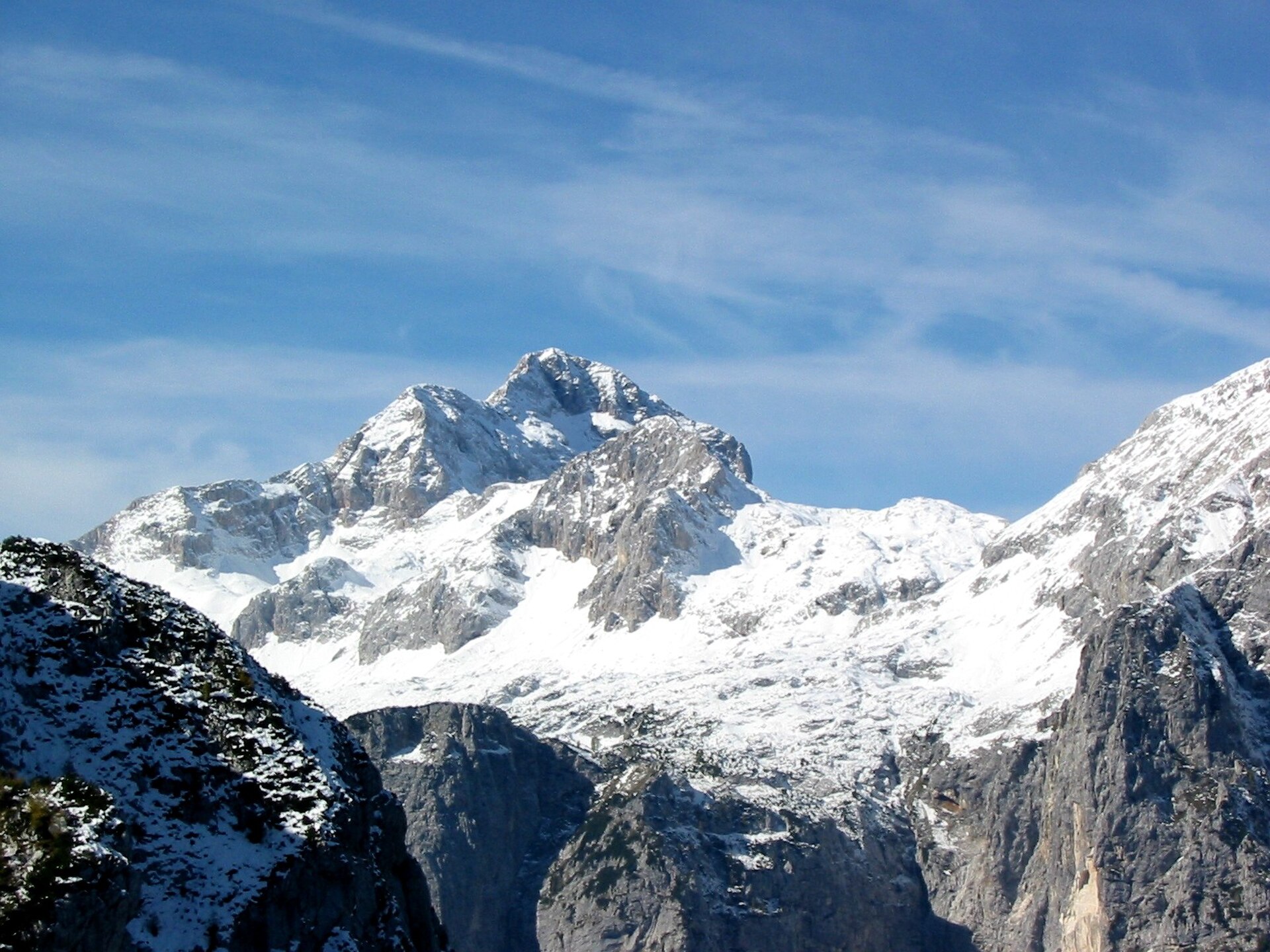
Triglav National Park is Slovenia’s only national park, spanning the Julian Alps around the 2,864-metre Mount Triglav.
The park combines alpine scenery, protected wilderness, hiking trails, boardwalks, and seasonal winter experiences.
Best Things to Do in Triglav National Park
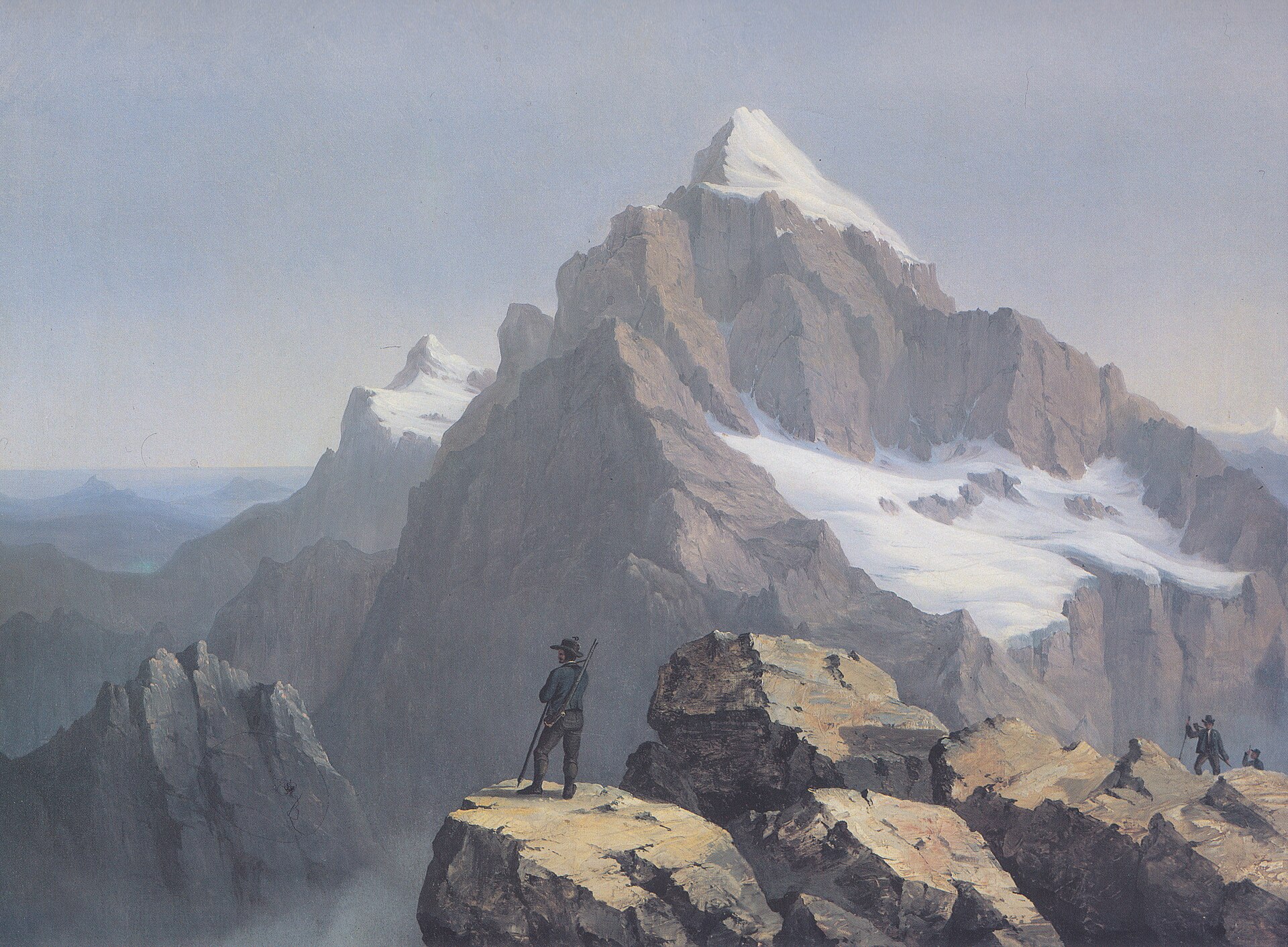
Slovenia's only national park, named after the country's highest peak Mount Triglav at 2,864 metres, spans the majestic Julian Alps and encompasses some of the most breathtaking mountain scenery in Europe. Established in 1924 as the Alpine Conservation Park and officially declared a national park in 1981, Triglav National Park covers 840 square kilometres of pristine alpine wilderness protected for future generations. The park's namesake, Mount Triglav, is a national symbol proudly displayed on the Slovenian coat of arms and flag. Ascending its summit is considered a rite of passage for Slovenians — the traditional goal is to reach the top before the age of 30.
Exploring Triglav National Park: Top Attractions & Hidden Gems
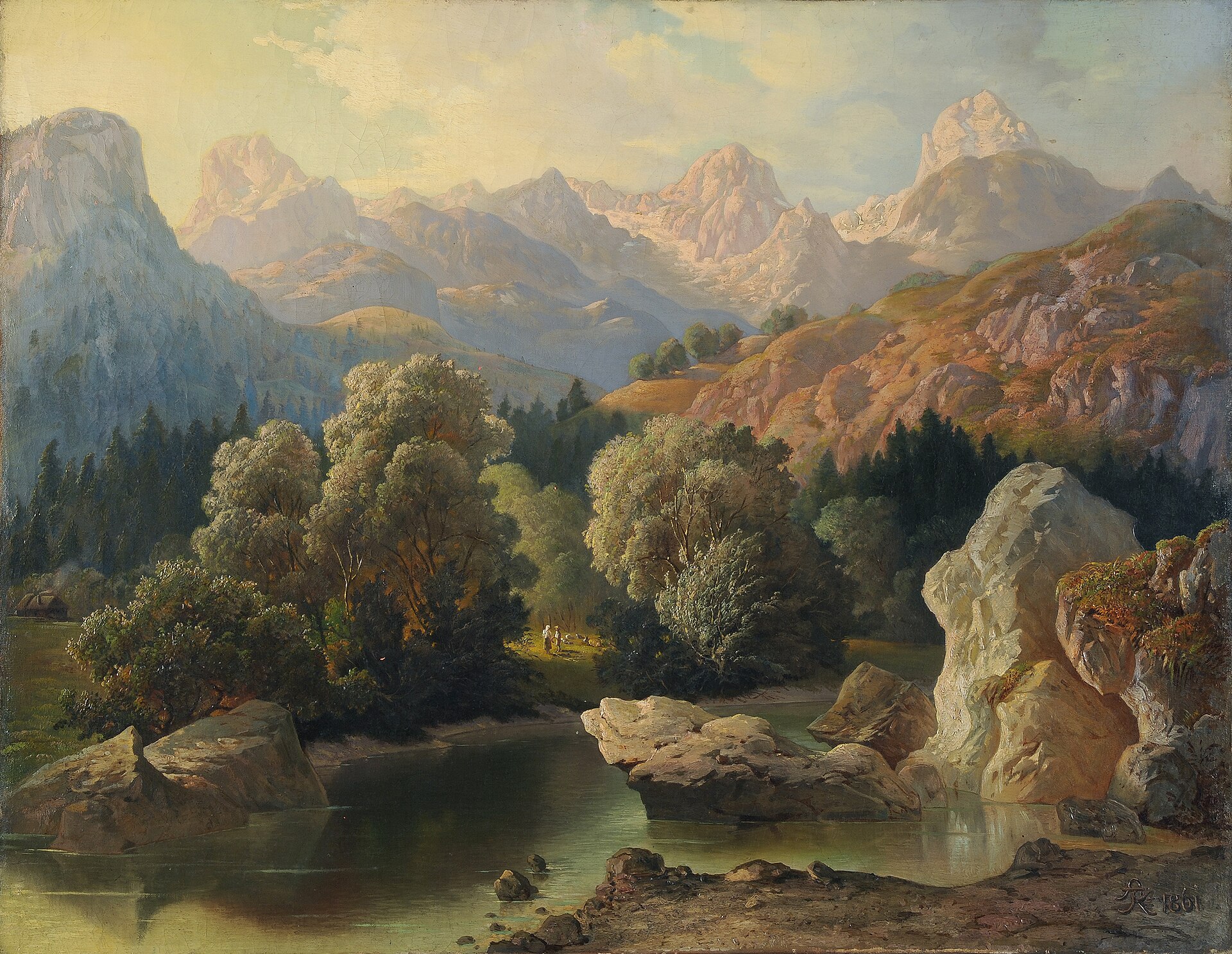
The climb requires mountaineering equipment and guided assistance, but the reward is a 360-degree panorama spanning from the Adriatic Sea to the Hungarian plains on clear days. The park contains over 7,000 kilometres of marked hiking trails ranging from gentle valley walks to challenging multi-day alpine treks. The Seven Lakes Valley (Dolina Triglavskih Jezer) is one of the park's most spectacular routes, passing seven glacial lakes in various shades of turquoise and emerald, each with its unique character and alpine setting. The park is home to the Soča River, whose emerald-green waters are famous worldwide, and Lake Bohinj, the largest permanent lake in Slovenia. The Julian Alps emerged from the Tethys Sea millions of years ago and were shaped by powerful glaciers that carved the dramatic U-shaped valleys, cirques, and moraines visible today.
Local Culture & Food in Triglav National Park
Wildlife in the park includes chamois, ibex, marmots, golden eagles, and even the elusive brown bear. Mountain huts scattered throughout the park offer food, drink, and simple accommodation, allowing hikers to undertake multi-day journeys through this pristine alpine landscape. The park's information centres in Bohinj, Bled, and Trenta provide excellent maps, advice, and exhibits about the park's natural and cultural heritage. The Trenta valley at the park's western entrance offers stunning views of the Soča River's source region. Special regulations apply within the park including designated camping areas and restrictions on off-trail hiking to protect the fragile alpine ecosystem.
🗓 Best Time to Visit
June to September (hiking), December to March (skiing). Slovenia has a mix of Mediterranean, continental, and alpine climates. Spring (April-May) brings blooming meadows and waterfalls from snowmelt. Summer (June-August) is perfect for the Julian Alps and Lake Bled. Autumn (September-October) offers harvest festivals and stunning colors. Winter (December-March) is ski season at Kranjska Gora, Vogel, and Maribor Pohorje.
🍽 Food & Drink
Pack a picnic! Traditional mountain food in the region includes hearty stews, grilled meats, local cheeses, and fresh bread — perfect refueling after a day on the trails. Nearby villages and mountain huts serve local specialties. Must-try dishes include: potica (rolled nut loaf — the national pastry), jota (hearty bean and sauerkraut stew from Friuli), štruklji (rolled dumplings with various fillings), Istrian truffle dishes, and fresh river trout from the Soča River. For drinks, try Slovenian wines (Rebula, Malvazija, and the orange wines of Brda), the Union and Laško beers, and the herbal liqueur Brinjevec.
🚗 How to Get to Triglav National Park by Bus, Car & Boat
By car: A car is the most practical way to reach Triglav National Park, as public transport to national parks and remote natural areas is limited. Parking is available at visitor centers. By bus/tour: Some parks are served by seasonal buses or organized tours from major cities. Getting around: Once inside, walking trails, boardwalks, and park shuttle buses are the primary means of exploration. Trains connect all regions efficiently — modern, clean, and scenic (especially the Ljubljana-Lake Bled route). Buses cover towns not on the rail network. Renting a car is best for exploring the Julian Alps and wine regions.
🥘 Where to Eat in Triglav National Park: Authentic Local Cuisine
Dining options around Triglav National Park range from mountain huts and park cafes serving hearty snacks and hot meals to restaurants in nearby villages specializing in traditional local cuisine. Packing a picnic is a wonderful option — local markets in the nearest towns offer fresh bread, local cheeses, cured meats, and seasonal fruit that make for an unforgettable al fresco lunch surrounded by nature. Many park entrances have basic cafes serving coffee, pastries, and simple hot meals. The villages around the park are where you'll find the best traditional restaurants, often using ingredients sourced from the surrounding forests and farms. In season, look for wild mushroom dishes, game stews, foraged greens, and local dairy products. Spring water fountains are common in most natural areas, so bring a reusable bottle to fill up. If staying at a mountain lodge, be sure to try their home-cooked dinner — these family-run establishments take pride in their local recipes. Slovenian cuisine blends Alpine, Mediterranean, and Pannonian influences — štruklji, Idrija žlikrofi, fresh river trout, and excellent wines from Goriska Brda are highlights.
🏨 Best Hotels Near Triglav National Park
While Triglav National Park itself is a natural wonder with limited accommodation inside its boundaries, the surrounding areas offer a range of places to stay. The nearest towns and villages provide everything from cozy guesthouses run by local families to comfortable hotels with modern amenities. For nature lovers, eco-lodges and mountain cabins offer the chance to sleep surrounded by forest, waking up to birdsong and fresh mountain air. Many of these accommodations provide packed lunches for day trips into the park, as well as guided tour arrangements and equipment rental. Camping facilities are available nearby for those seeking a more immersive outdoor experience. Book well in advance during peak season (June-September), as accommodation near popular natural attractions fills quickly. Staying nearby also means you can arrive at the park entrance before the crowds, enjoying the trails in peaceful morning light. Slovenia offers accommodation from stylish boutique hotels in Ljubljana to farm stays (turistična kmetija) in the countryside and eco-lodges near Triglav National Park.
Find a stay in Triglav National Park
Compare apartments, guesthouses, and vacation rentals while you finalize your route. Flexible cancellation can help when drive times or border plans change.
Browse stays in Triglav National Park on Vrbo →Accessibility
- The page identifies a car as the most practical option because public transport to remote natural areas is limited.
- Parking is available at visitor centers, while trails, boardwalks, and park shuttle buses support exploration inside the park.
- Mountain routes vary by season and difficulty; the page does not guarantee step-free access, so confirm the specific trail before setting out.
Common Mistakes
- Treating an 840-square-kilometre national park as a single short walk.
- Attempting a mountain route without matching it to the season and personal ability.
- Relying on public transport for remote trailheads without checking the connection.
- Assuming summer hiking and winter skiing use the same access and facilities.
Photography
- Use Mount Triglav and the Julian Alps for wide mountain-scale frames.
- Look for boardwalks, valleys, and protected alpine details along marked routes.
- Keep people and wildlife small in the frame and follow park rules around viewpoints.
- Slovenia regulates drones — check current registration and flight rules with the Civil Aviation Agency of Slovenia (caa.si) before flying.
Etiquette
- Stay on marked trails and boardwalks.
- Keep distance from wildlife and avoid loud behavior.
- Carry waste out of protected areas.
- Follow visitor-center, shuttle, and seasonal safety instructions.
- Do not pick plants or damage alpine terrain.
Frequently Asked Questions
When is the best time to visit Triglav National Park?
June to September (hiking), December to March (skiing). Slovenia has a mix of Mediterranean, continental, and alpine climates. Spring (April-May) brings blooming meadows and waterfalls from snowmelt. Summer (June-August) is perfect for the Julian Alps and Lake Bled. Autumn (September-October) offers harvest festivals and stunning colors.
How do I get to Triglav National Park?
By car: A car is the most practical way to reach Triglav National Park, as public transport to national parks and remote natural areas is limited. Parking is available at visitor centers. By bus/tour: Some parks are served by seasonal buses or organized tours from major cities.
How many days do you need in Triglav National Park?
A visit to Triglav National Park can be tailored to your interests. Slovenia's only national park, named after the country's highest peak Mount Triglav at 2,864 metres, spans the majestic Julian Alps and encompasses some of the most breathtaking mountain scenery in Eu.
What is Triglav National Park known for?
Slovenia's only national park, named after the country's highest peak Mount Triglav at 2,864 metres, spans the majestic Julian Alps and encompasses some of the most breathtaking mountain scenery in Europe.
Where should I stay in Triglav National Park?
While Triglav National Park itself is a natural wonder with limited accommodation inside its boundaries, the surrounding areas offer a range of places to stay. The nearest towns and villages provide everything from cozy guesthouses run by local families to comfortable hotels with modern amenities.
🗺️ Build a route around Triglav National Park: Add Triglav National Park to my itinerary. It opens the planner with this stop selected, so you can add nearby places and set the trip length.
Plan your budget
For country-level budget ranges and planning assumptions, see the Balkan travel costs guide.