

Bigar Waterfall
Bigar Waterfall at a Glance
| Country | Romania |
| Setting | Anina Mountains in Caraș-Severin County |
| Known for | Tufa formation, moss curtain, Minis River, and Nera Gorge-Beușnița National Park |
| Best time to visit | April–October; spring or after rain for stronger flow |
| Planning note | The page describes a marked walk from Beușnița parking and ongoing restoration |
Why Visit Bigar Waterfall
Bigar Waterfall is a focused nature stop where a cliffside spring flows over a moss-covered tufa formation into the Minis River. The surrounding national park, wooden viewing platforms, and nearby Șușara Gorges and Ochiul Beiului Lake make it more useful as part of a wider nature day than as an isolated photo stop.
Best Things to Do in Bigar Waterfall
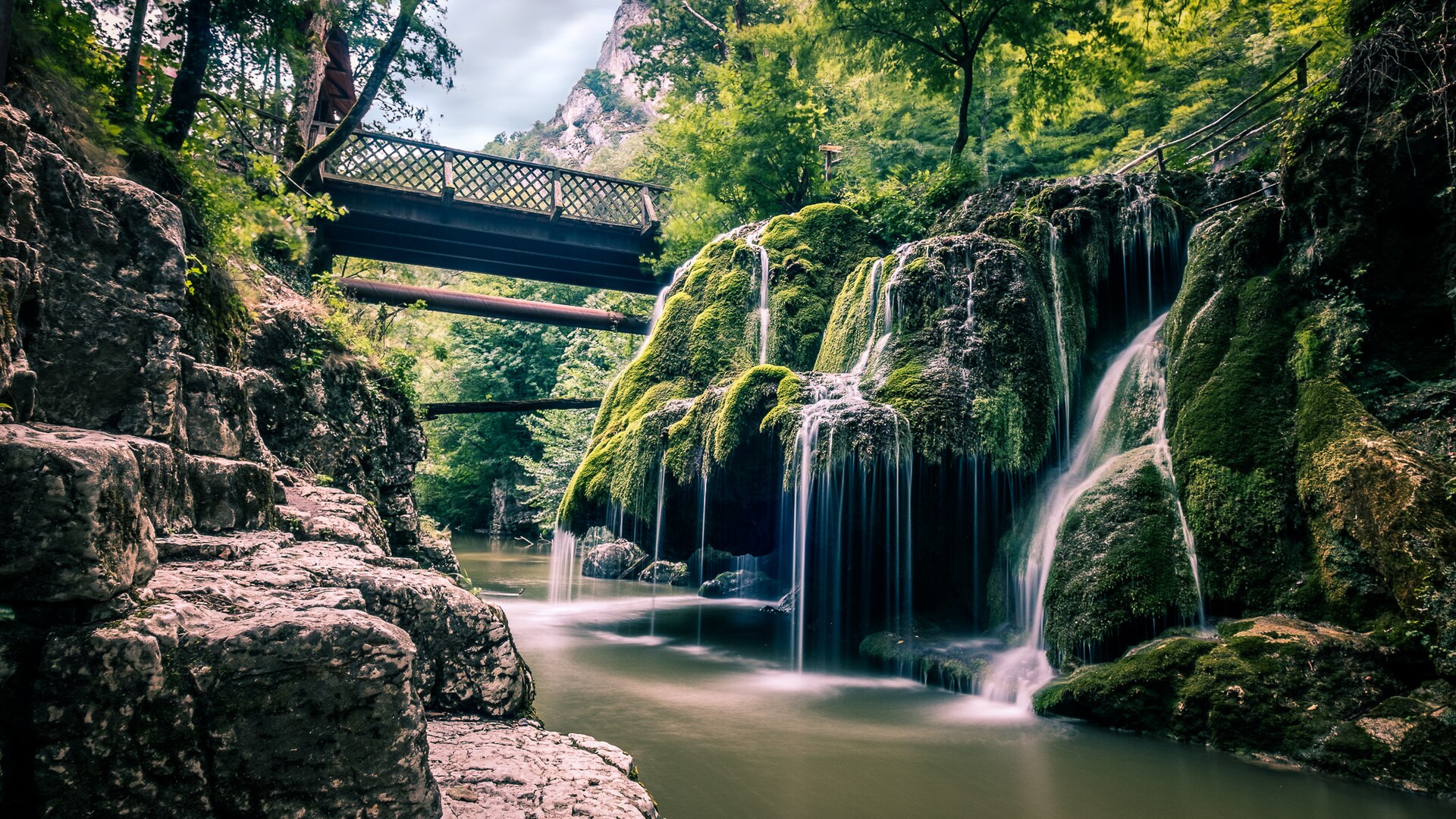
Once hailed by The World Geography as one of the eight most beautiful waterfalls on the planet, Bigar Waterfall (Cascada Bigăr) is a magical natural wonder where water flows over a moss-covered tufa rock formation, creating a thin, veiled curtain of water that shimmers like silk as it plunges into the Minis River below. Located deep in the Anina Mountains of Caraș-Severin County, the waterfall emerges directly from a cliffside spring that flows through a limestone karst aquifer, depositing calcium carbonate minerals that gradually build the tufa structure over centuries. This ongoing geological process means the waterfall is alive — the travertine formations constantly grow and shift as mineral-rich water flows over the moss and algae, creating an ever-evolving natural sculpture of cascading green and white terraces.
Exploring Bigar Waterfall: Top Attractions & Hidden Gems
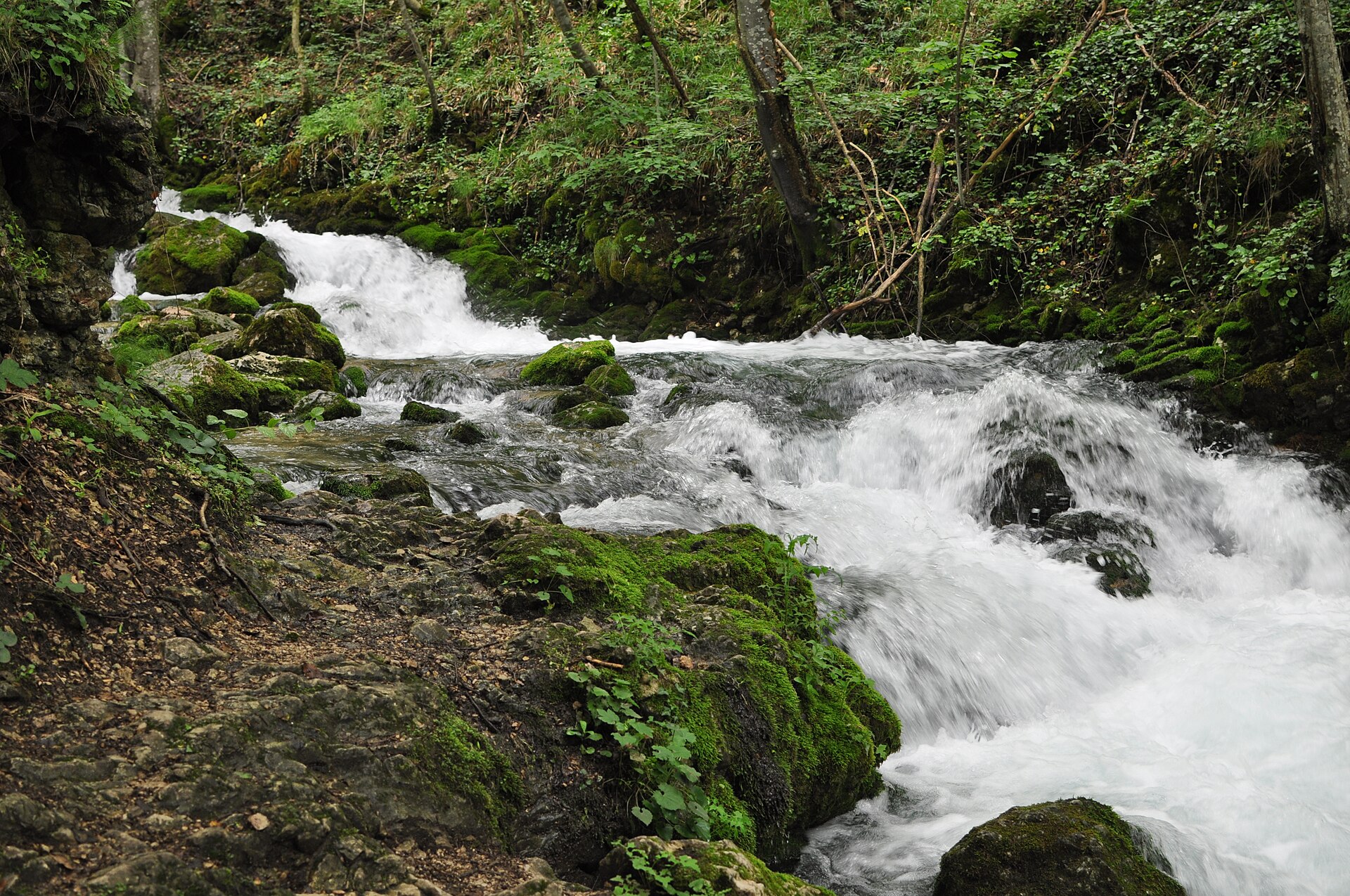
The water fans out in a broad, even sheet approximately eight meters wide and four meters high, cascading over the moss-covered rock into a crystal-clear plunge pool below. The surrounding Nera Gorge-Beușnița National Park protects one of Romania's most biodiverse ecosystems, with ancient beech forests, rare wildflowers, and wildlife including brown bears, wolves, and over 180 species of birds. The waterfall can be reached via a marked trail from the Beușnița parking area, a pleasant 20-minute walk through lush woodland alongside the bubbling Minis River. Wooden viewing platforms allow visitors to photograph the waterfall from multiple angles without disturbing the delicate ecosystem.
Local Culture & Food in Bigar Waterfall
The site is currently under restoration to improve visitor facilities and protect the fragile tufa formations — checking access conditions before visiting is recommended. The nearby Șușara Gorges (Cheile Șușarei) and the Ochiul Beiului Lake (a brilliant emerald-green karst lake) make excellent additions to a day trip. The best time to visit is in spring or after rain when the water flow is at its most impressive, and the surrounding forest is at its greenest. Despite its relative remoteness, Bigar Waterfall is an unforgettable natural spectacle.
🗓 Best Time to Visit
April to October. Romania has a temperate continental climate with distinct seasons. The Carpathians offer skiing December-March and hiking June-September. Transylvania is enchanting in autumn (September-October) when the forests turn gold. The Danube Delta is best May-September for wildlife. Bucharest is pleasant April-June and September-October.
🍽 Food & Drink
Pack a picnic! Traditional mountain food in the region includes hearty stews, grilled meats, local cheeses, and fresh bread — perfect refueling after a day on the trails. Nearby villages and mountain huts serve local specialties. Local dishes include: mici (grilled minced meat rolls — a national obsession), sarmale (cabbage rolls stuffed with meat and rice), ciorbă de burtă (tripe soup), mămăligă (polenta — served with everything), and cozonac (sweet walnut-filled bread). For drinks, try Romanian wines (especially from Cotnari, Murfatlar, and Dealu Mare regions), țuică (plum brandy), and bere (beer — Ursus and Timișoreana are popular).
🚗 How to Get to Bigar Waterfall by Bus, Car & Boat
By car: A car is the most practical way to reach Bigar Waterfall, as public transport to national parks and remote natural areas is limited. Parking is available at visitor centers. By bus/tour: Some parks are served by seasonal buses or organized tours from major cities. Getting around: Once inside, walking trails, boardwalks, and park shuttle buses are the primary means of exploration. Trains (CFR) connect all major cities — the 'InterRegio' trains are modern and comfortable. Buses are faster for shorter routes. Domestic flights link Bucharest with Cluj, Timișoara, and Iași. Car rental offers the most freedom.
🥘 Where to Eat in Bigar Waterfall: Authentic Local Cuisine
Dining options around Bigar Waterfall range from mountain huts and park cafes serving hearty snacks and hot meals to restaurants in nearby villages specializing in traditional local cuisine. Packing a picnic is a wonderful option — local markets in the nearest towns offer fresh bread, local cheeses, cured meats, and seasonal fruit that make for an unforgettable al fresco lunch surrounded by nature. Many park entrances have basic cafes serving coffee, pastries, and simple hot meals. The villages around the park are where you'll find the best traditional restaurants, often using ingredients sourced from the surrounding forests and farms. In season, look for wild mushroom dishes, game stews, foraged greens, and local dairy products. Spring water fountains are common in most natural areas, so bring a reusable bottle to fill up. If staying at a mountain lodge, be sure to try their home-cooked dinner — these family-run establishments take pride in their local recipes. Romanian cuisine is hearty and diverse — sarmale (cabbage rolls), mămăligă (polenta), mici (grilled sausages), and excellent wines from Dealu Mare and Cotnari.
🏨 Best Hotels Near Bigar Waterfall
While Bigar Waterfall itself is a natural wonder with limited accommodation inside its boundaries, the surrounding areas offer a range of places to stay. The nearest towns and villages provide everything from cozy guesthouses run by local families to comfortable hotels with modern amenities. For nature lovers, eco-lodges and mountain cabins offer the chance to sleep surrounded by forest, waking up to birdsong and fresh mountain air. Many of these accommodations provide packed lunches for day trips into the park, as well as guided tour arrangements and equipment rental. Camping facilities are available nearby for those seeking a more immersive outdoor experience. Book well in advance during peak season (June-September), as accommodation near popular natural attractions fills quickly. Staying nearby also means you can arrive at the park entrance before the crowds, enjoying the trails in peaceful morning light. Romania offers accommodation from grand historic hotels in Bucharest to cozy guesthouses in Transylvania, mountain cabins in the Carpathians, and castle stays.
Find a stay in Bigar Waterfall
Compare apartments, guesthouses, and vacation rentals while you finalize your route. Flexible cancellation can help when drive times or border plans change.
Browse stays in Bigar Waterfall on Vrbo →Accessibility
The page gives useful route and setting details, but it does not promise step-free access:
- The waterfall is reached by a marked woodland trail, and the page does not confirm a step-free route or accessible viewing platform.
- The site is under restoration, so current paths, platforms, and visitor arrangements may change.
- Confirm current access conditions, parking, toilets, and assistance before travelling if mobility access is important.
- Treat the waterfall trail and the nearby gorges or lake as separate outings because the page does not promise identical terrain or facilities.
Common Mistakes
- Travelling without checking restoration and access conditions first.
- Expecting a fixed waterfall shape when the page explains that the mineral-built tufa formation changes over time.
- Leaving the marked trail or climbing around the viewing platforms to get closer to the water.
- Planning the whole day around a single viewpoint and missing the surrounding park, gorges, or Ochiul Beiului Lake.
- Approaching wildlife or leaving food and rubbish in the protected forest.
Photography
The moss-covered tufa, broad water sheet, Minis River, forest trail, and wooden platforms give several viewpoints without entering the fragile formation. Spring or post-rain flow is the page’s strongest natural-light context; follow park and restoration instructions. Romania regulates drones — check current registration and flight rules with the Romanian Civil Aeronautical Authority (AACR) before flying.
Etiquette
A few low-impact habits fit this destination:
- Staying on marked paths and viewing platforms is essential park courtesy.
- Keeping distance from wildlife is common low-impact practice.
- Taking all food packaging and rubbish out of the forest is customary.
- Asking before photographing staff or other visitors is considerate.
- Keeping voices moderate near the waterfall and respecting restoration barriers helps protect the site.
Frequently Asked Questions
When is the best time to visit Bigar Waterfall?
April to October. Romania has a temperate continental climate with distinct seasons. The Carpathians offer skiing December-March and hiking June-September. Transylvania is enchanting in autumn (September-October) when the forests turn gold. The Danube Delta is best May-September for wildlife. Bucharest is pleasant April-June and September-October.
How do I get to Bigar Waterfall?
By car: A car is the most practical way to reach Bigar Waterfall, as public transport to national parks and remote natural areas is limited. Parking is available at visitor centers. By bus/tour: Some parks are served by seasonal buses or organized tours from major cities.
How many days do you need in Bigar Waterfall?
A visit to Bigar Waterfall can be tailored to your interests. Once hailed by The World Geography as one of the eight most beautiful waterfalls on the planet, Bigar Waterfall (Cascada Bigăr) is a magical natural wonder where water flows over a moss-covered tufa r.
What is Bigar Waterfall known for?
Once hailed by The World Geography as one of the eight most beautiful waterfalls on the planet, Bigar Waterfall (Cascada Bigăr) is a magical natural wonder where water flows over a moss-covered tufa rock formation, creating a thin, veiled curtain of water that shimmers like silk as it plunges into the Minis River below.
Where should I stay in Bigar Waterfall?
While Bigar Waterfall itself is a natural wonder with limited accommodation inside its boundaries, the surrounding areas offer a range of places to stay. The nearest towns and villages provide everything from cozy guesthouses run by local families to comfortable hotels with modern amenities.
🗺️ Build a route around Bigar Waterfall: Add Bigar Waterfall to my itinerary. It opens the planner with this stop selected, so you can add nearby places and set the trip length.
Plan your budget
For country-level budget ranges and planning assumptions, see the Balkan travel costs guide.