
Cluj-Napoca
Cluj-Napoca at a Glance
| Country | Romania |
| Setting | Transylvanian university city |
| Known for | St. Michael’s Church, the Botanical Garden, museums, Central Park, and street art |
| Best time to visit | The hero highlights September–October; the seasonal section also describes May–September |
| Planning note | The centre is compact and walkable; the guide also covers public transport and Turda Salt Mine |
Why Visit Cluj-Napoca
Cluj-Napoca combines a medieval centre with a large university community, museums, gardens, parks, and a strong food and arts scene. The page supports a city visit built around Unirii Square and St. Michael’s Church, with Cetățuia, the Botanical Garden, Central Park, and Turda Salt Mine as additional choices.
Best Things to Do in Cluj-Napoca
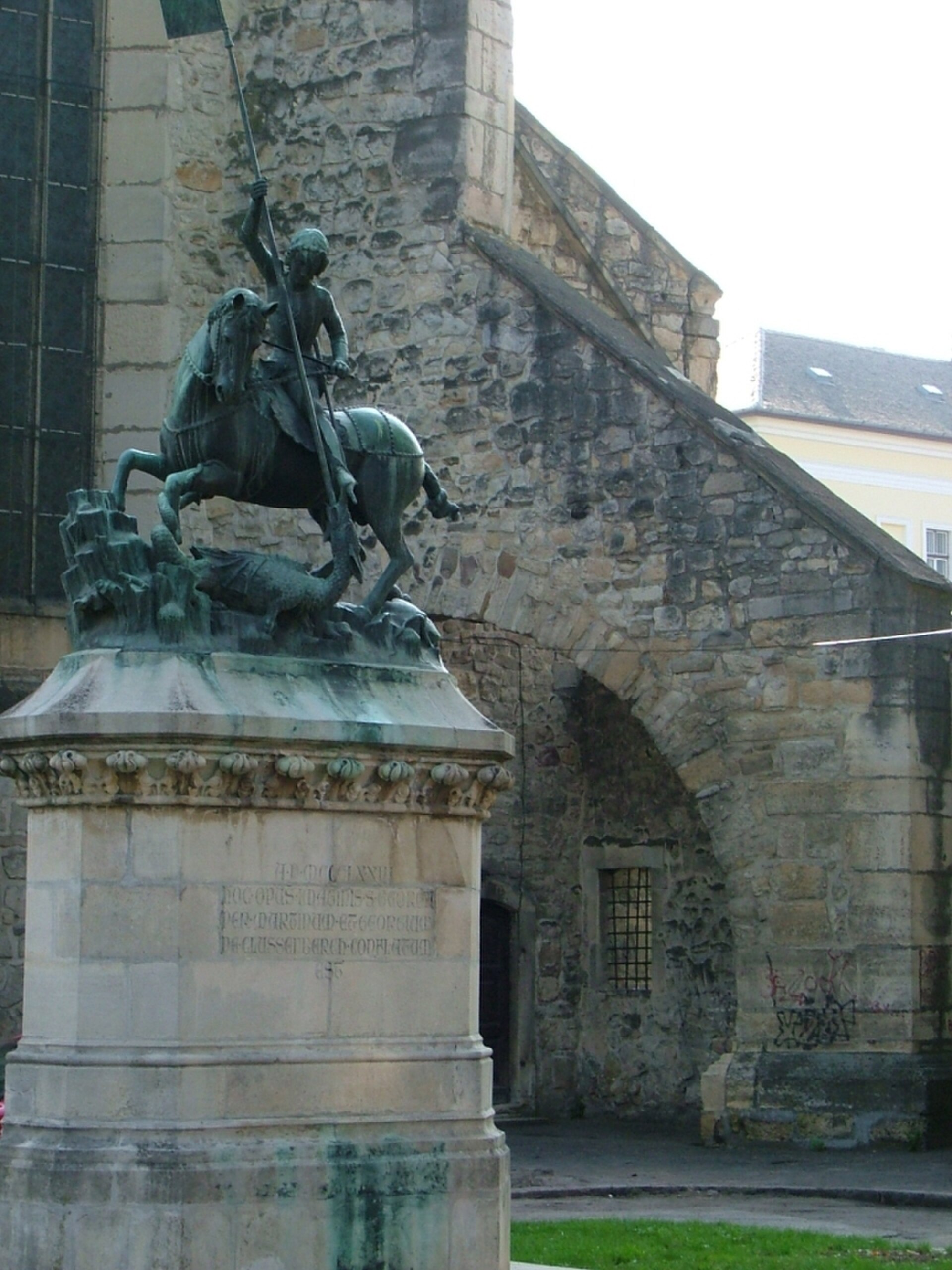
Cluj-Napoca is Transylvania's de facto cultural capital — a dynamic city of 400,000 people where medieval history meets 21st-century energy. Dominating the center is St. Michael's Church (Biserica Sfântul Mihail), a Gothic masterpiece in Unirii Square whose 76-meter tower is the tallest in Transylvania. Entry to the church is free; climbing the tower costs 10 RON for sweeping views over the city.
Exploring Cluj-Napoca: Top Attractions & Hidden Gems
The square is anchored by a statue of King Matthias Corvinus, the legendary Hungarian king born in Cluj in 1443. The Botanical Garden (Grădina Botanică Alexandru Borza) sprawls across 14 hectares with Japanese, Roman, and tropical greenhouses — entry is 15 RON and it is one of the finest botanical gardens in Eastern Europe, especially beautiful in spring when the cherry blossoms, rhododendrons, and Japanese maples are in full color. Banffy Palace, a Baroque masterwork on Unirii Square, houses the National Art Museum (20 RON), with excellent collections of Romanian and European painting from Gothic to contemporary. Central Park is the city's green heart — a leafy escape with a lake (rowboats available, 10 RON/30 min), the historic Casino restaurant, and the Chios promenade. Cetățuia Hill, a short but steep climb from the city center (free), rewards with panoramic rooftop views and a bastion from the 18th-century Habsburg fortress.
Local Culture & Food in Cluj-Napoca
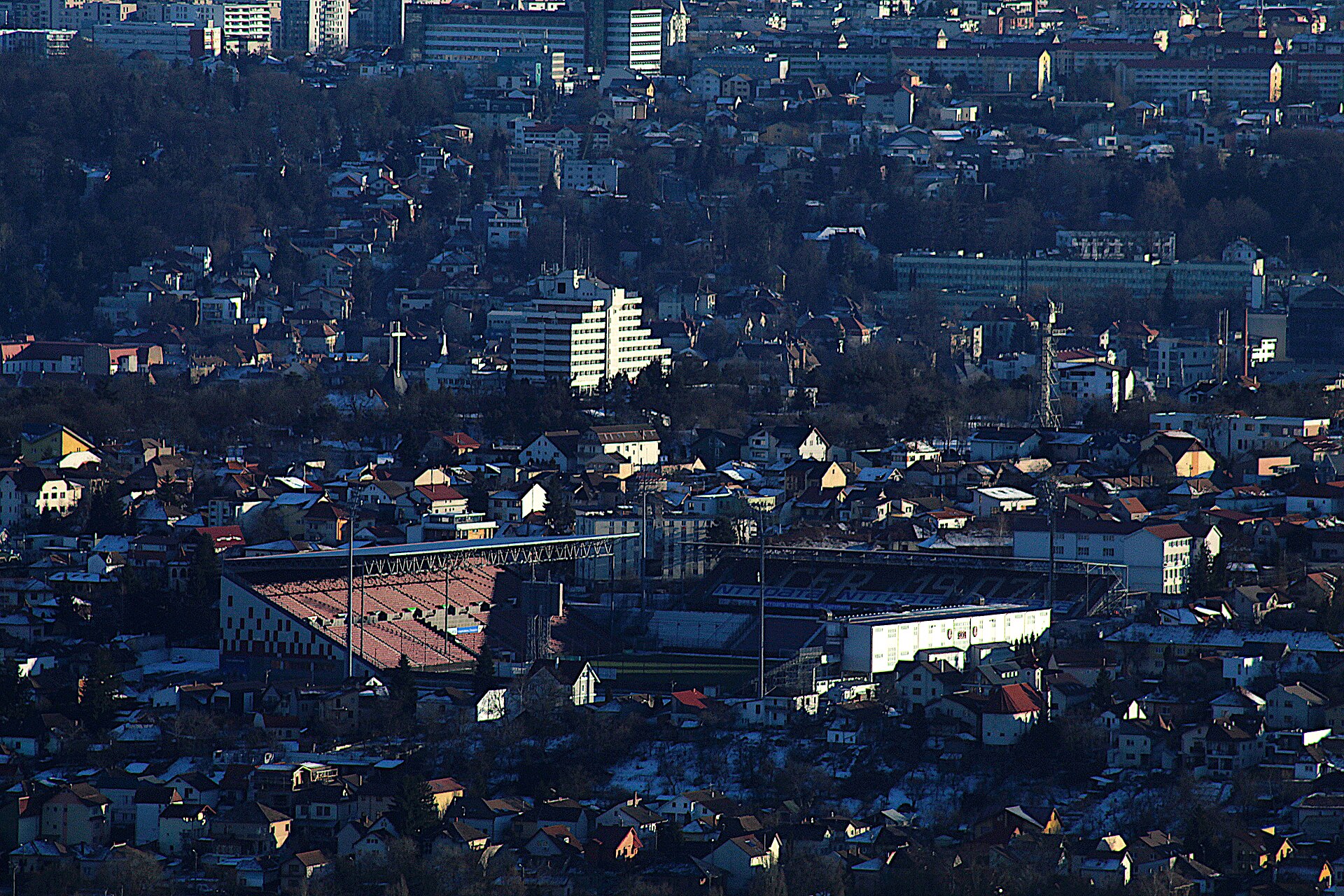
The National Museum of Transylvanian History (15 RON, on str. Constantin Daicoviciu) is the best place to understand the region's complex past, from Dacian relics to the 1989 Revolution. The Pharmacy Museum (10 RON) occupies a 16th-century apothecary with original jars, tools, and a small herb garden. Cluj's street art scene is one of Romania's most vibrant — look for massive murals by local and international artists on Eroilor Avenue, Memorandumului Street, and in the Mărăști district. The city is also the host of Untold Festival, Romania's largest music festival (early August), which transforms Cluj Arena into a four-day electronic and pop music spectacle drawing over 300,000 visitors.
🗓 Best Time to Visit
May through September is prime time, when the weather is warm, the Botanical Garden is in full bloom, and cafe terraces spill into the squares. August is dominated by Untold Festival — exhilarating if you want the party, terrible if you want quiet (book accommodation a year ahead). September–October brings golden autumn color to Cetățuia Hill and Central Park, with fewer tourists and mild temperatures. Winter (December–February) is cold (0°C to −10°C) but charming, with the Christmas market in Unirii Square and good skiing conditions an hour's drive away at the Apuseni Mountains. Spring (April–May) is unpredictable but rewarding for the garden's cherry blossoms.
🍽 Food & Drink — Where to Eat
Cluj is Romania's best city for specialty coffee and craft beer, with a fiercely independent food scene. Meron is Cluj's most celebrated specialty coffee roastery — a minimalist space serving single-origin pour-overs and espresso (10–18 RON) that rivals Budapest's best. Platinus is the city's premier craft brewery, with a taproom in a converted factory — try their IPA, Stout, or seasonal ales with a sharing board (beer 10–18 RON). For dinner: Samsara Food House (35–70 RON) is a bohemian vegetarian/vegan restaurant on str. Iașilor with a leafy garden, Buddha bowls, and excellent raw desserts — beloved even by non-vegetarians. Baracca (40–80 RON) is a modern Italian restaurant serving wood-fired pizzas, pasta, and grilled meats; the interior is sleek and the service excellent. Roata (25–55 RON) is the best traditional Romanian restaurant in the city — a warm, wood-paneled space serving perfect sarmale, mămăligă, and their signature varză à la Cluj (Cluj-style layered cabbage with pork, rice, and smoked sausage), the city's iconic dish. For a quick bite, Yammi (15–25 RON) serves fresh Middle Eastern wraps and bowls in a casual setting near the university.
🚗 How to Get to Cluj-Napoca by Bus, Car & Boat
Cluj-Napoca's Avram Iancu International Airport (CLJ) has direct flights from London, Munich, Rome, Paris, Istanbul, Vienna, Tel Aviv, and many other European cities — Wizz Air and Ryanair are the main carriers. By train: CFR's InterRegio trains connect Cluj to Bucharest (6–7 hours, 80–120 RON), Brașov (5 hours), and Oradea (2.5 hours). The main train station (Gara Cluj-Napoca) is a 15-minute walk north of Unirii Square. By bus: Cluj's autogară has frequent buses to Turda (45 min, 15 RON), Sibiu (3 hours), and other Transylvanian cities — Fany and Dacos are reliable operators. Getting around: The historic center is compact and walkable — you will not need public transport for the main sights. The city has a tram and bus network (3 RON per ride, tickets from kiosks), useful for reaching the Botanical Garden from the station or for the Mărăști neighborhood. Uber and Bolt operate at low rates (5–15 RON for most rides). Car rental is not recommended for city touring due to limited parking in the center.
🥘 Where to Eat in Cluj-Napoca: Authentic Local Cuisine
Cluj is Romania's best city for specialty coffee and craft beer, with a fiercely independent food scene. Meron is Cluj's most celebrated specialty coffee roastery — a minimalist space serving single-origin pour-overs and espresso (10–18 RON) that rivals Budapest's best. Platinus is the city's premier craft brewery, with a taproom in a converted factory — try their IPA, Stout, or seasonal ales with a sharing board (beer 10–18 RON). For dinner: Samsara Food House (35–70 RON) is a bohemian vegetarian/vegan restaurant on str. Iașilor with a leafy garden, Buddha bowls, and excellent raw desserts — beloved even by non-vegetarians. Baracca (40–80 RON) is a modern Italian restaurant serving wood-fired pizzas, pasta, and grilled meats; the interior is sleek and the service excellent. Roata (25–55 RON) is the best traditional Romanian restaurant in the city — a warm, wood-paneled space serving perfect sarmale, mămăligă, and their signature varză à la Cluj (Cluj-style layered cabbage with pork, rice, and smoked sausage), the city's iconic dish. For a quick bite, Yammi (15–25 RON) serves fresh Middle Eastern wraps and bowls in a casual setting near the university.
🏨 Where to Stay in Cluj-Napoca
Cluj offers excellent mid-range accommodation in the old center. Hotel Platinia (350–600 RON/night) is a 4-star design hotel on the Sopor Canal, with a spa and rooftop terrace — the best choice for a comfortable stay. Hotel Belvedere (250–400 RON) offers panoramic city views from the hillside above Cetățuia, with free parking. Retro Hostel (60–90 RON/dorm, 200–300 RON/private) is the backpacker favorite in a beautifully restored building on str. Potaissa, with a lively lounge and walking tours. Casa Albă (200–350 RON) is a boutique guesthouse near Central Park with spacious rooms and a garden. Airbnb is also strong in Cluj — look for apartments in the historic center (Unirii, Museum Square) or the hip Mărăști district. Untold Festival tip: if visiting in August, book anywhere in the city 6–12 months in advance or expect 3x normal rates.
Find a stay in Cluj-Napoca
Compare apartments, guesthouses, and vacation rentals while you finalize your route. Flexible cancellation can help when drive times or border plans change.
Browse stays in Cluj-Napoca on Vrbo →Accessibility
The page gives useful route and setting details, but it does not promise step-free access:
- The historic centre is described as compact and walkable, but the page also identifies the steep climb to Cetățuia Hill.
- Older churches, museums, parks, and streets may have different surfaces and entrances; the page does not confirm step-free access for each venue.
- Confirm current entrance, toilet, and transport arrangements with the individual attraction if mobility access is essential.
- Plan the hill, garden, and city-centre sections separately so the route can be shortened if surfaces or slopes become difficult.
Common Mistakes
- Treating Cluj as only a nightlife or festival stop and missing the historic squares, church, museums, and parks.
- Planning the Botanical Garden, Cetățuia Hill, and the old centre as one flat route.
- Arriving for Untold without checking accommodation and city conditions for the festival period.
- Assuming the main city sights and Turda Salt Mine fit comfortably into the same short visit.
- Ignoring the page’s public-transport options and trying to drive through the historic centre.
Photography
The Botanical Garden, Central Park, Cetățuia Hill, and the historic squares offer different city subjects; use the church, museums, and street scenes for architectural and cultural detail. Romania regulates drones — check current registration and flight rules with the Romanian Civil Aeronautical Authority (AACR) before flying.
Etiquette
A few low-impact habits fit this destination:
- Speaking quietly inside St. Michael’s Church and other religious sites is common courtesy.
- Asking before photographing worshippers, artists, staff, or people in neighbourhood scenes is considerate.
- Keeping park and garden paths clear is often expected, especially near viewpoints and entrances.
- Following museum, garden, and festival instructions is customary even when photography is permitted elsewhere.
- It is common to leave food packaging and drink containers out of public squares, parks, and hill viewpoints.
Frequently Asked Questions
What is Cluj-Napoca known for?
Cluj-Napoca is Transylvania's unofficial cultural capital and Romania's largest university city. It is famous for St. Michael's Church (76m Gothic tower), the 14-hectare Botanical Garden, the Untold Festival (Romania's biggest music festival every August), a thriving specialty coffee and craft beer scene, and its status as a major IT and innovation hub — sometimes called 'Transylvania's Silicon Valley.'
What can you visit for free in Cluj-Napoca?
Several top attractions are free: St. Michael's Church interior (climbing the tower costs 10 RON), Central Park with its lake and walking paths, Cetățuia Hill for panoramic city views, and the street art murals on Eroilor Avenue and Memorandumului Street. The Sunday antique market at the Central Park entrance is also free to browse.
How much are museum entry fees in Cluj?
The National Museum of Transylvanian History: 15 RON. Banffy Palace / National Art Museum: 20 RON. The Botanical Garden: 15 RON. The Pharmacy Museum (housed in a 16th-century apothecary): 10 RON. Climbing St. Michael's Church tower: 10 RON. Most museums offer student and senior discounts.
What is the signature dish of Cluj?
Varză à la Cluj (Cluj-style layered cabbage) is the city's signature dish — a hearty casserole of sauerkraut, minced pork, rice, and smoked sausage, layered and baked until golden. It originated in the 19th century as a festive dish for holidays and is still served at traditional restaurants like Roata (25–55 RON mains) and Casa Boema.
Is the Turda Salt Mine worth a day trip from Cluj?
Absolutely. Salina Turda is one of the world's most spectacular salt mines — an underground theme park 120 meters deep with a salt lake where you can row boats, a Ferris wheel, an amphitheater, and a spa. Entry is 50 RON. It is a 45-minute drive from Cluj, or you can take a bus from the Cluj autogara (15 RON each way). The combination of Cluj city sights plus Turda makes an excellent two-day itinerary.
🗺️ Build a route around Cluj-Napoca: Add Cluj-Napoca to my itinerary. It opens the planner with this stop selected, so you can add nearby places and set the trip length.
Plan your budget
For country-level budget ranges and planning assumptions, see the Balkan travel costs guide.