
Transfăgărășan Highway
Transfăgărășan Highway at a Glance
| Country | Romania |
| Best time | late June–late October |
| Recommended stay | 1–2 Days |
| Top highlight | When Top Gear |
| Transit hub | Regional bus network |
Why Visit Transfăgărășan Highway
Drive the 90-kilometre route through the Făgăraș Mountains to Bâlea Pass.
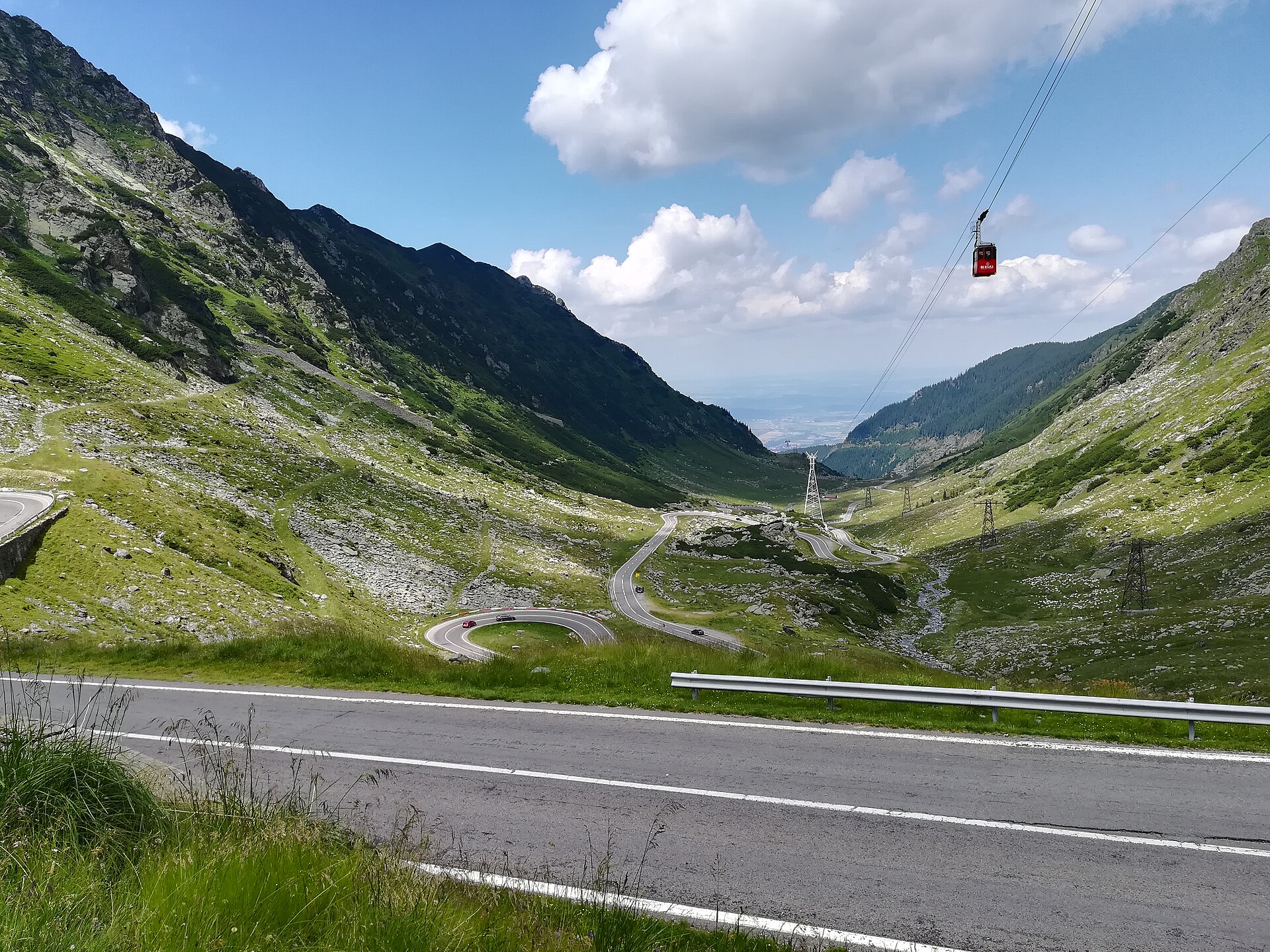
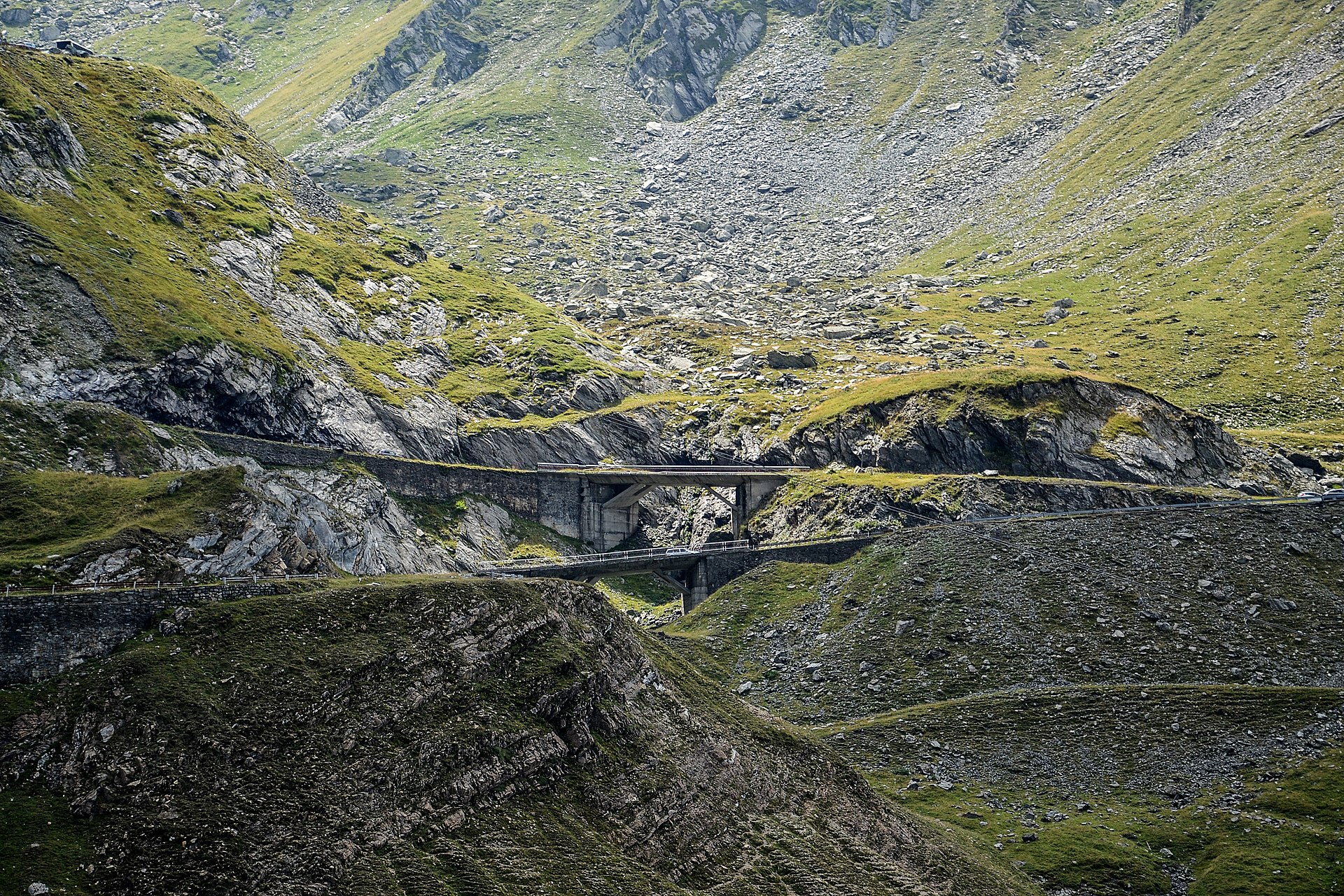
Stop for hairpins, tunnels, viaducts, high-altitude scenery, and alpine walks.
Treat the highway as a seasonal road trip rather than a guaranteed year-round crossing.
Best Things to Do in Transfăgărășan Highway
Few roads on Earth match the drama of the Transfăgărășan.
Exploring Transfăgărășan Highway: Top Attractions & Hidden Gems
Winding 90 kilometres through the highest peaks of the Făgăraș Mountains, it climbs from the Argeș River valley at 500 metres to Bâlea Pass at 2,042 metres — a vertical ascent of over 1,500 metres in a series of heart-stopping hairpin turns, blind tunnels, and soaring viaducts.
Local Culture & Food in Transfăgărășan Highway
When Top Gear's Jeremy Clarkson called it "the best road in the world" in 2009, he cemented its status as a bucket-list drive for petrolheads — but the Transfăgărășan is far more than a driving challenge. It is a feat of Cold War engineering, a high-altitude wildlife corridor, and the starting point for Romania's best alpine hiking.
🗓 Best Time to Visit
The road is open only from late June to late October — this is non-negotiable. The absolute best time is mid-September to early October, when the autumn foliage paints the beech forests in gold and bronze, the summer crowds have thinned, and the light is soft. July and August offer the most reliable weather (clear skies, 15–20°C at the pass), but also the heaviest traffic — expect queues at the tightest switchbacks between 11:00 and 15:00. June (if the road has opened) is quieter, but there may still be snow patches at the summit and Bâlea Lake may be partly frozen. Late October is the least crowded, but morning fog at the pass is common, and sudden snow closures can happen without warning. Whenever you go, start at sunrise — the road is empty, the wildlife is active, and the light hitting the cliffs from the east is magnificent.
🍽 Food & Drink
Dining options on the Transfăgărășan are limited but authentic. Cabana Bâlea Lac (Bâlea Lake, 100–180 RON/night for rooms) has a rustic restaurant serving ciorbă de fasole (bean soup, 15 RON), grilled mici (20 RON), and mămăligă with cheese and sour cream (18 RON). The views of the lake through the windows are the real draw. Cabana Bâlea Cascadă (5-minute walk downhill from the lake) offers similar mountain fare — grilled trout from the lake (35 RON) is the highlight. Pensiunea Cascada Bâlea (just below the waterfall) has a restaurant with a terrace overlooking the valley; mains run 25–45 RON. On the south side near Vidraru Dam, several roadside grills sell mici, grilled chicken, and cold drinks. Pack a picnic — there are beautiful picnic spots on the alpine meadow above Bâlea Lake and at several viewpoints on the south side. Bring your own water and snacks; supply is limited and prices are inflated at altitude. A beer at Cabana Bâlea Lac costs around 10–12 RON.
🚗 How to Get to Transfăgărășan Highway by Bus, Car & Boat
By car: The Transfăgărășan is a driving destination, not a commuter road. Most people drive from Sibiu (45 minutes to the north entrance) or from Curtea de Argeș (the south entrance). The recommended direction is north to south: start in Sibiu, drive DN1 to the village of Cârțișoara, then turn onto the Transfăgărășan (DN7C). This direction gives you the steep, dramatic northern switchbacks first, with the most photogenic viewpoints on the ascent. Fuel: Fill your tank before entering. The last petrol station on the north side is at the junction in Cârțișoara (18 km before the climb starts). On the south side, the last station is at Curtea de Argeș (40 km before the dam). There are no petrol stations on the 90 km road itself. Car requirements: Any car can drive the Transfăgărășan in good weather — you do not need a 4×4. However, manual transmission is strongly preferred for the engine braking on the descent. Check your brakes before the trip. By tour: Several companies in Sibiu and Brașov offer day tours to the Transfăgărășan — prices range from 200–350 RON per person including transport and a guide. This is a good option if you do not have your own vehicle. By motorcycle: The road is extremely popular with bikers, especially on weekends. Ride with extreme caution on the north-side switchbacks — gravel and diesel spills are common on the tightest corners.
🥘 Where to Eat in Transfăgărășan Highway: Authentic Local Cuisine
Transfăgărășan Highway dining is simple, hearty mountain fare rather than fine cuisine. Cabana Bâlea Lac (25–50 RON) serves robust Romanian soups and grilled meats with a view. Their ciorbă de văcuță (beef soup, 18 RON) is the best thing on the menu after a cold morning at altitude. Cabana Bâlea Cascadă (20–45 RON) specialises in grilled trout (35 RON) and mici (18 RON for three). Pensiunea Cascada Bâlea (30–55 RON) offers slightly more elaborate dishes — try their roast pork with mămăligă and pickles (42 RON). On the south side, the roadside stalls near the Vidraru Dam viewpoint sell grilled chicken wings (15 RON for four), mici (10 RON), and sweet corn (8 RON). The best dining near the south exit is in Curtea de Argeș: Restaurant La Cetate (40–80 RON) serves excellent Romanian cuisine in a historic building — their sarmale with polenta (35 RON) and grilled trout from the Argeș River (38 RON) are superb. Bring your own snacks, especially fruit and chocolate, for the summit — the high-altitude appetite is real.
🏨 Best Hotels on the Transfăgărășan
Accommodation on the road is limited to mountain lodges and guesthouses. Cabana Bâlea Lac (Bâlea Lake, 2,034 m) is the most iconic option — a rustic lodge right on the lake shore. Doubles from 100 RON/night (basic, shared bathroom) to 180 RON/night (with private facilities). Rooms are small, heating is minimal, and the walls are thin, but waking up to the view of the lake at sunrise is unforgettable. Cabana Bâlea Cascadă offers similar accommodation at slightly lower prices (80–150 RON/night) and is closer to the waterfall trailhead. Pensiunea Cascada Bâlea (100 metres below the waterfall) is a newer guesthouse with private bathrooms and heating, doubles from 200 RON/night. On the south side, Pensiunea Doru (near the Vidraru Dam) offers comfortable rooms from 150–250 RON/night with a restaurant and garden. For a more luxurious stay, the nearby town of Curtea de Argeș has hotels from 250–400 RON/night, 40 minutes south of the road's highest point. Book everything in advance for July–August; rooms fill weeks ahead.
Find a stay in Transfăgărășan Highway
Compare apartments, guesthouses, and vacation rentals while you finalize your route. Flexible cancellation can help when drive times or border plans change.
Browse stays in Transfăgărășan Highway on Vrbo →⏰ Timing is everything: Start at sunrise (06:00–06:30 in July). You will have the road almost to yourself, the light will be golden, and the wildlife will be active. By 10:00 the tour buses arrive and the experience changes completely. 🌡 Dress for winter in July: At Bâlea Pass (2,042 m), the temperature is typically 10–15°C cooler than in the valleys. Even in high summer, 5°C is possible in the morning, with strong winds and sudden fog. Bring a warm jacket, beanie, and gloves — seriously. ⛽ Fuel rules: The last petrol station on the north side is in Cârțișoara. Fill up there even if you think you have enough. There is no fuel on the 90 km road. 🍱 Pack your own lunch: The mountain restaurants are basic and get overwhelmed in peak season. Bring sandwiches, snacks, and — most importantly — plenty of water. 🚗 Drive defensively: Watch out for motorbikes overtaking on blind corners, loose gravel on the switchbacks, and sudden patches of fog at the summit. Use engine braking on the descent — riding the brakes can cause fade on the long downhill sections. 📱 Phone signal: There is very limited mobile reception on the north side. Download offline maps before you go. The south side has better coverage thanks to the Vidraru Dam infrastructure. 🏔 Beyond the drive: Consider spending a night at Cabana Bâlea Lac. The sunset and sunrise over the lake, with no other tourists around, is one of Romania's most magical experiences. The dorm beds (70 RON/night) are the cheapest option and perfectly adequate for one night. 🐻 Bear safety: If hiking, carry bear spray (available at outdoor shops in Sibiu for about 80 RON) and make noise on the trail — never hike alone in the early morning or at dusk.
Accessibility
- The road is car-only and seasonal, with steep grades, tunnels, and exposed viewpoints.
- The page does not specify step-free access at Bâlea Lake, parking areas, or trails.
- Check current road status and weather before setting out.
Common Mistakes
- Assuming the road is open outside its stated season.
- Treating the drive as a quick transfer rather than a 4–6 hour route.
- Stopping in unsafe places on hairpins or viaducts.
- Starting the high section without checking weather.
Photography
- Use hairpins and viaducts as leading lines.
- Frame Bâlea Pass and the mountain layers from safe pull-offs.
- Keep vehicles and people within designated viewpoints.
- Romania regulates drones — check current registration and flight rules with the Romanian Civil Aeronautical Authority (AACR) before flying.
Etiquette
- Use designated pull-offs.
- Do not stop in live traffic lanes.
- Respect mountain weather and road signs.
- Leave no waste.
- Check operator and road guidance before travel.
Parking
- Parking is concentrated at designated viewpoints and visitor areas; the page does not guarantee capacity. Use marked spaces and confirm current arrangements near Bâlea Lake before arrival.
Frequently Asked Questions
When does the Transfăgărășan Highway open and close?
The Transfăgărășan is typically open from late June to late October, depending on snow conditions. The exact opening and closing dates depend on the severity of winter snowfall — Bâlea Pass (2,042 m) accumulates several metres of snow, and clearing it takes weeks. In some years the road opens as early as mid-June or stays open into early November. Check the Romanian Police traffic alerts (circulatie.info) before departure. Outside these months, the road is closed at both ends; only the section below Bâlea Waterfall on the north side remains accessible year-round.
Is the Transfăgărășan Highway free to drive?
Yes, the road itself has no toll booth — entry is free. However, the road is part of the Romanian national road network, so your vehicle must have a valid Romanian vignette (rovignietă). A 7-day vignette costs 3.70 EUR for cars and can be purchased online (roviniete.ro) or at any petrol station near the border. Make sure to buy the vignette before you start the drive, as there are no sales points on the road itself — there are also no petrol stations on the 90 km stretch, so fill your tank in advance.
How long does it take to drive the Transfăgărășan Highway?
The full 90 km drive takes 2.5 to 4 hours one-way without stops, but with photo stops, viewpoints, and short walks you should budget 4–6 hours. Most drivers start from the north (Sibiu side) and drive south toward Curtea de Argeș, as the northern switchbacks are steeper and more dramatic. Starting at sunrise (around 06:00 in July) gives you empty roads, the best light for photography, and the highest chance of spotting chamois and marmots before the traffic builds up. The afternoon brings heavy tour bus and motorcycle traffic, especially in July and August.
What wildlife can I see on the Transfăgărășan Highway?
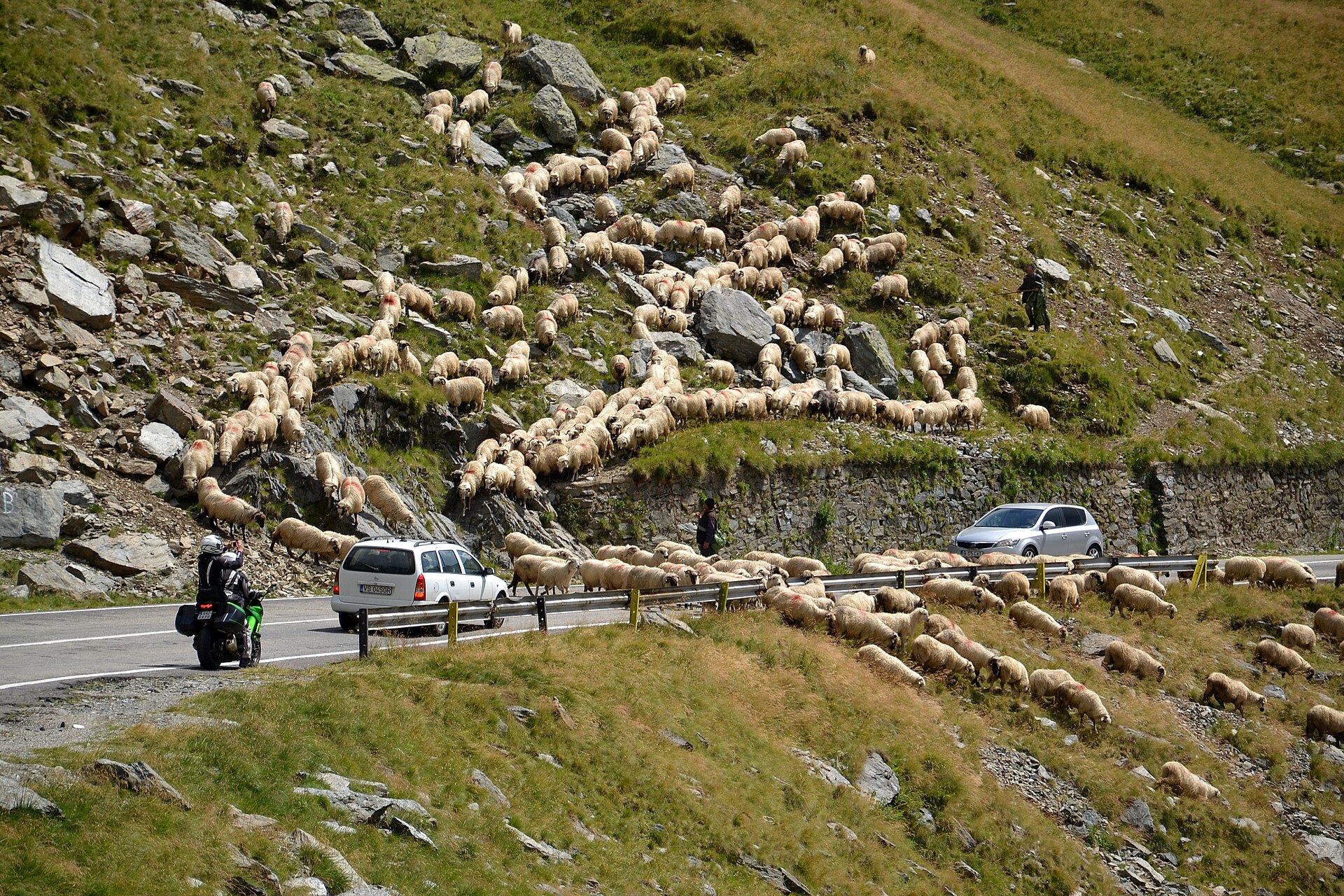
The Făgăraș Mountains are one of Romania's best wildlife-watching areas. On the Transfăgărășan you have good chances of seeing chamois (mountain goats) on the rocky slopes above the hairpin turns, marmots whistling from the alpine meadows near Bâlea Lake, and golden eagles circling the ridges. Brown bears also inhabit these forests — you are unlikely to see one from the road itself, but early-morning hikers on the Moldoveanu trail should carry bear spray and make noise. Also watch for Carpathian red deer and, in the Vidraru Dam area, otters have been spotted in recent years.
Where can I stay on the Transfăgărășan Highway and how much does it cost?
The most famous accommodation is Cabana Bâlea Lac, a rustic mountain lodge perched at 2,034 m right on the shore of Bâlea Lake. Doubles run 100–180 RON/night depending on season — the rooms are basic (no private bathroom in the cheaper ones) but the location is unbeatable. Cabana Bâlea Cascadă, a 5-minute walk downhill from the lake, offers similar rustic rooms from 80–150 RON/night. For a more comfortable stay, Pensiunea Cascada Bâlea offers modern guesthouse rooms with private bathrooms from 200 RON/night. In the Vidraru Dam area, several guesthouses along the south side offer doubles from 150–300 RON/night. Whichever you choose, book ahead in July and August — the road is incredibly popular.
🗺️ Build a route around Transfăgărășan Highway: Add Transfăgărășan Highway to my itinerary. It opens the planner with this stop selected, so you can add nearby places and set the trip length.
Plan your budget
For country-level budget ranges and planning assumptions, see the Balkan travel costs guide.